We have received text from H.R. 10854: Public Safety Power Shutoff Data Transparency Act. This bill was received on 2026-10-19, and currently has no cosponsors.
Here is a short summary of the bill:
This bill would require the U.S. Department of Energy to create a reporting program for
public safety power shutoff
events, which are planned outages utilities use as a safety measure to reduce wildfire risk or other imminent hazards from electric infrastructure.
What utilities would have to report
Covered electric utilities would have to send the Department of Energy information within 7 days after a shutoff starts and within 7 days after it ends. The required information would include:
-
The area affected, down to the county or census-tract level
-
The start or end time of the shutoff
-
The estimated number of customers and critical services affected
-
The hazard conditions that led to the shutoff
-
A summary of customer communications
-
A summary of coordination with state, local, Tribal, and emergency-response officials
-
A summary of advance notice and consultation with hospitals and other critical health infrastructure
-
Where practical, the expected impact on underserved or infrastructure-vulnerable communities, including rural, low-income, and Tribal communities
How the information would be used
The Department of Energy could build these reporting fields into existing outage-reporting systems to avoid duplication. The department would then publish
quarterly, anonymized, aggregated summaries
on a public website. Those summaries would cover patterns such as how often these shutoffs happen, how long they last, and regional trends, and could include effects on rural, low-income, and Tribal areas where available.
The bill also says the department should share the public summaries in a machine-readable format with state and local emergency-management agencies so they can improve alerting and preparedness. Local governments and Tribal entities would also be able to submit verified feedback or supplemental data about impacts.
Coordination and guidance
The Secretary of Energy could analyze the reported information and submitted feedback to identify patterns and best practices, and may issue nonbinding guidance on reducing the impacts of shutoffs through planning, backup power, and coordination. The department would also share the information and summaries with federal and state entities such as FEMA, HHS, the FCC, the National Interagency Fire Center, state energy offices, and public safety or emergency-management authorities.
Limits on disclosure
The bill creates strong confidentiality protections for the information utilities submit. In general, the submitted data would be exempt from public disclosure under FOIA and could not be used in civil lawsuits or disclosed for purposes other than emergency preparedness or public safety coordination, except in certain cases such as criminal investigations or congressional and GAO access. These protections would not apply to the anonymized summaries that the department publishes publicly.
Who would be covered
The reporting requirements would apply to utilities serving 25,000 or more customers, and in some cases to smaller utilities if they conduct shutoffs in high-risk wildfire or other hazard areas, as well as to other entities that own or operate electric distribution facilities and conduct such shutoffs.
Implementation and enforcement
The Department of Energy would have to issue implementing regulations within 12 months. Those regulations would address digital submission, reporting thresholds, and privacy standards. If a utility fails to report, that failure would be treated as a failure to make information available under existing federal energy law.
Relevant Companies
-
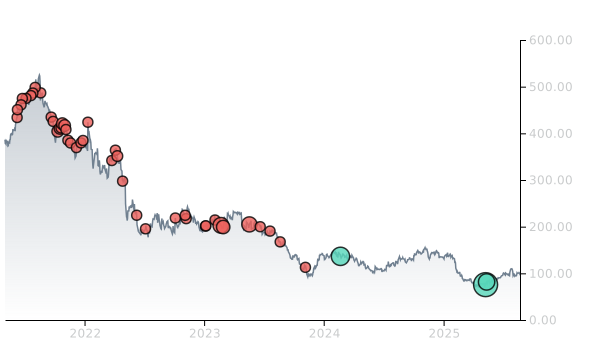
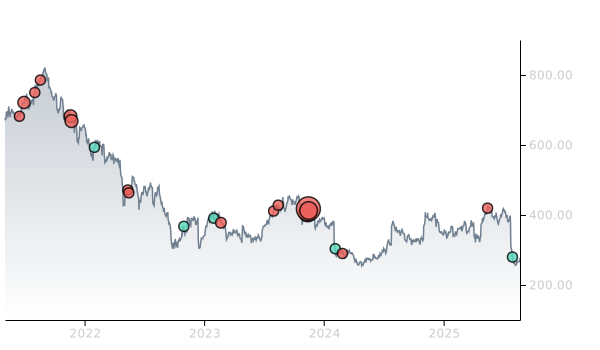
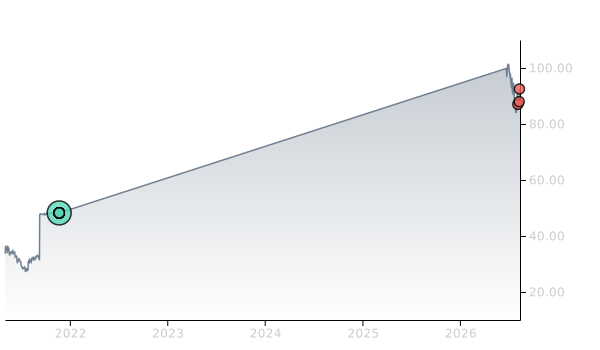
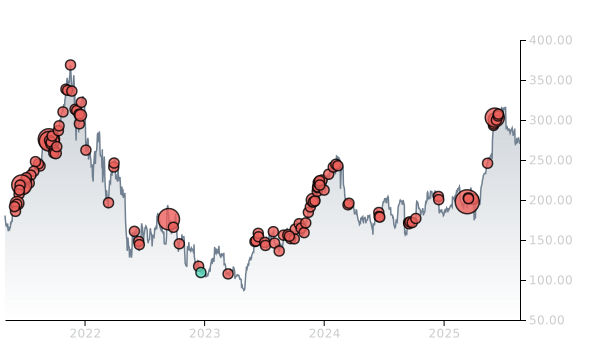
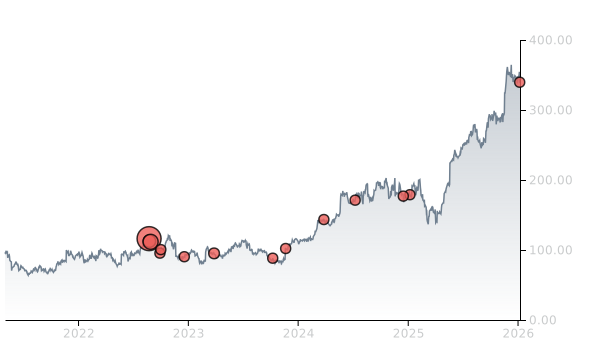
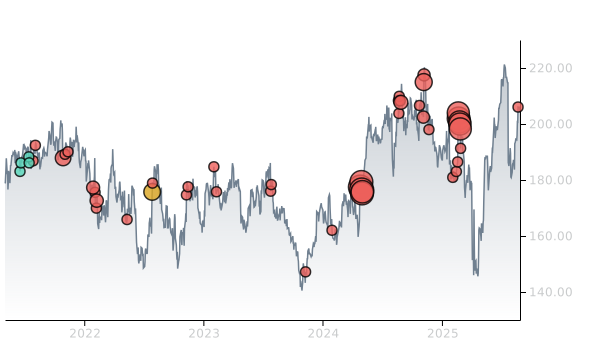
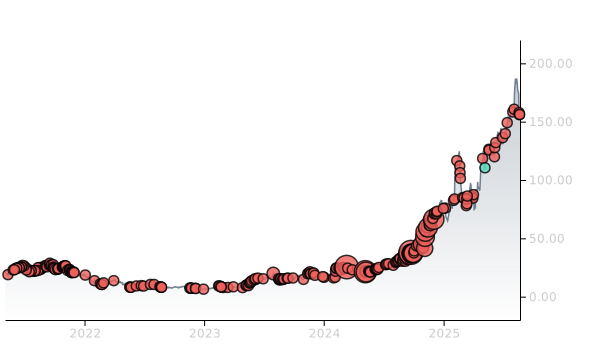
PCG
— PG&E Corporation. A large electric utility in California that has used public safety power shutoffs; it would likely be directly affected by the new reporting requirements.
-
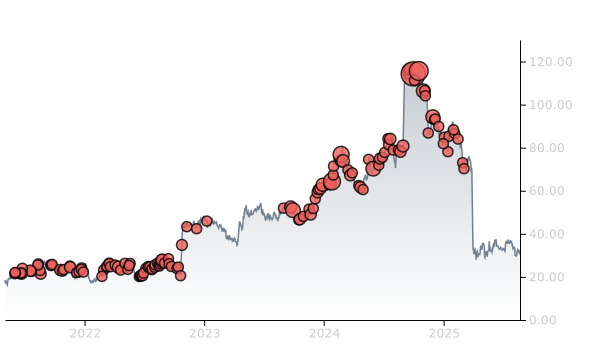
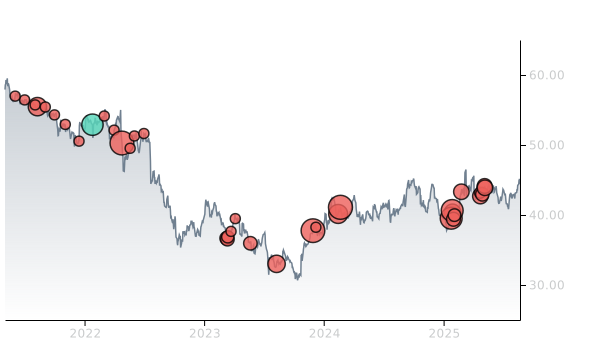
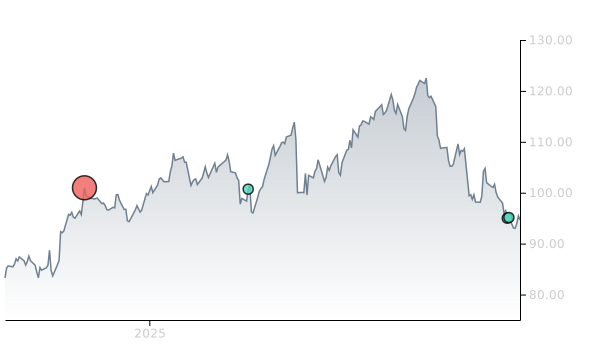
SRE
— Sempra. Through its utility operations, it could be affected if it conducts or reports on public safety power shutoffs.
-
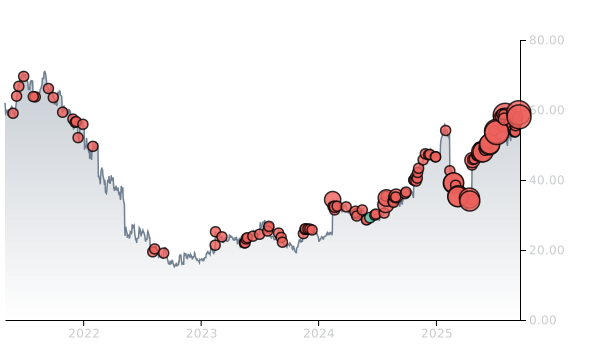
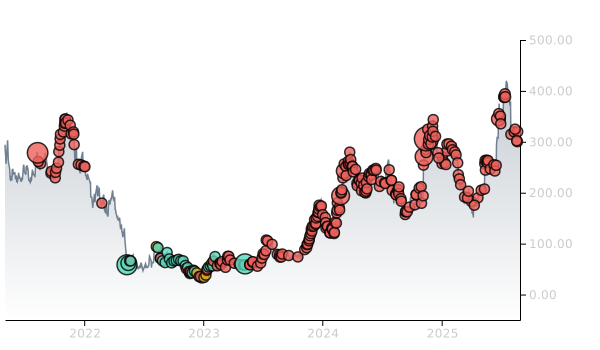
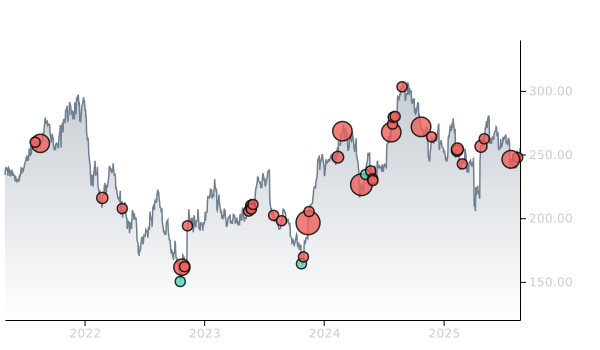
EIX
— Edison International. Its utility business may be affected if it initiates public safety power shutoffs and must provide the required reports.
-
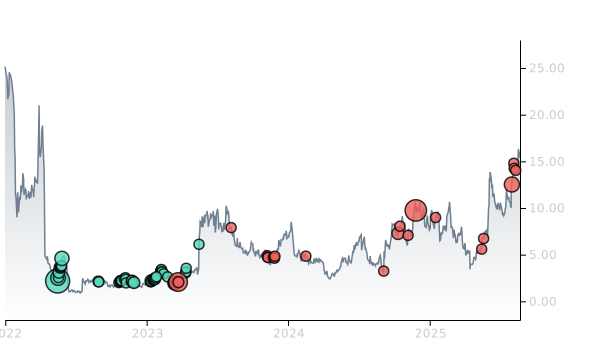
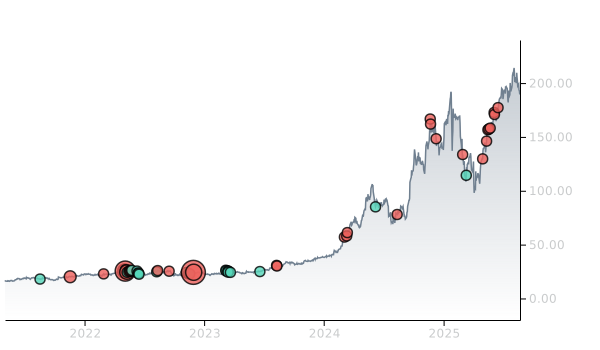
PEG
— Public Service Enterprise Group. Could be directly affected if any of its utility operations use public safety shutoffs in covered circumstances.
-
IDA
— Idaho Power Company/IDACORP. If its utility operations conduct qualifying shutoffs, they would be subject to the reporting program.
Representative George Whitesides Bill Proposals
Here are some bills which have recently been proposed by Representative George Whitesides:
- H.R.10854: Public Safety Power Shutoff Data Transparency Act
- H.R.10750: Advanced Nuclear Fission and Fusion Propulsion Systems Act
- H.R.10719: Protecting Kids from Human-Like Chatbots Act
- H.R.10350: Protecting Elders from Wire Fraud Act
- H.R.10181: Stop Predator Dumping Act
- H.R.10180: Self-Improving AI Monitoring Act
You can track bills proposed by Representative George Whitesides on Quiver Quantitative's politician page for Whitesides.
Representative George Whitesides Net Worth
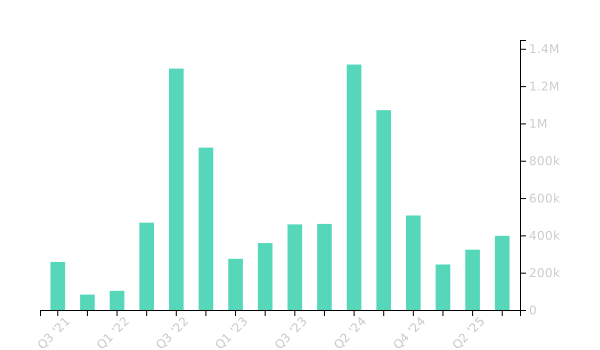
Quiver Quantitative estimates that Representative George Whitesides is worth $36.4M, as of October 21st, 2026. This is the 39th highest net worth in Congress, per our live estimates.
Whitesides has approximately $10.4M invested in publicly traded assets which Quiver is able to track live.
You can track Representative George Whitesides's net worth on Quiver Quantitative's politician page for Whitesides.
Representative George Whitesides Stock Trading
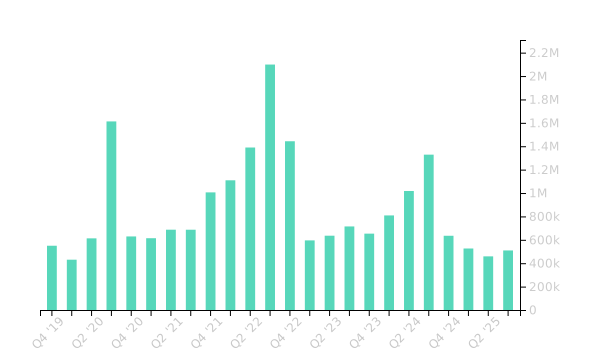
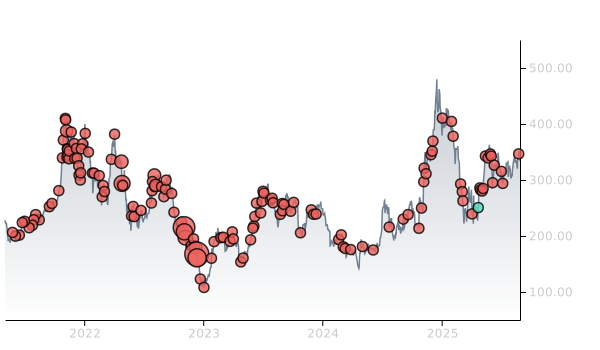
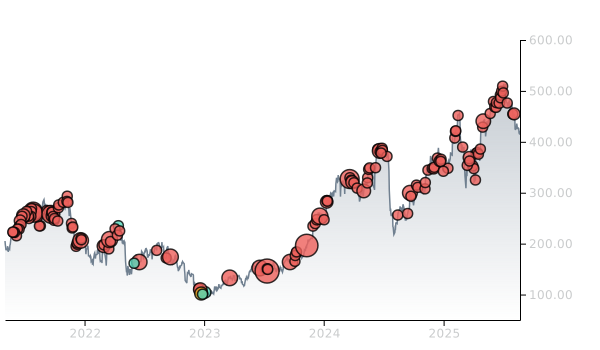
We have data on up to $5.5M of trades from Representative George Whitesides, which we parsed from STOCK Act filings. Some of the largest trades include:
- A March 24th, 2025 sale of up to $500K of $MSFT. The stock has risen 35.31% since then.
- A March 25th, 2025 sale of up to $500K of $INVA. The stock has risen 22.44% since then.
- A March 24th, 2025 sale of up to $250K of $KO. The stock has risen 35.59% since then.
- A March 24th, 2025 sale of up to $250K of $PG. The stock has fallen 3.82% since then.
- A March 24th, 2025 sale of up to $250K of $JNJ. The stock has risen 58.83% since then.
You can track Representative George Whitesides's stock trading on Quiver Quantitative's politician page for Whitesides.
2026 California's 27th Congressional District Election
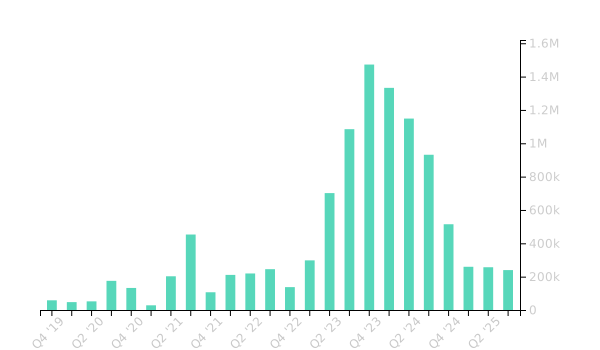
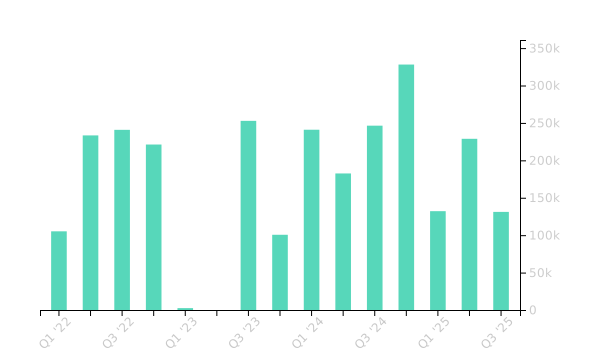
There has been approximately $21,274,762 of spending in California's 27th congressional district elections over the last two years, per our estimates.
Approximately $14,505,275 of this has been from outside spending by PACs and Super PACs. Some of the groups who are spending money in this race include:
The rating for this race is currently "Solid D".
You can track this election on our matchup page for the 2026 California's 27th congressional district election.
This article is not financial advice. See Quiver Quantitative's disclaimers for more information.