H.R. 9707: General Aviation Protection Act
This bill would increase federal scrutiny of foreign involvement in the U.S. general aviation industry, especially where national security concerns may be involved. It would strengthen the role of the Committee on Foreign Investment in the United States (CFIUS) and export control rules so the government can more closely review, and in some cases block, investments or transactions involving foreign adversaries and sensitive aviation assets.
What the bill would do
Expand review of foreign investments and deals: The bill would require closer examination of investments, purchases, mergers, or other transactions involving U.S. general aviation companies when foreign adversary entities are involved.
Look back at past transactions: It would direct the government to review certain completed deals to identify whether earlier investments or acquisitions created national security risks.
Audit supply chains: The bill would require checks of supply chains tied to sensitive aviation companies and technologies to determine whether key parts, materials, software, or services come from risky foreign sources.
Require disclosure: Companies involved in this sector may have to provide more information about ownership, investors, suppliers, and other relationships that could affect security reviews.
Restrict federal support: The bill would limit certain federal funding, assistance, or support for companies or activities connected to sensitive aviation technology or foreign adversary-linked investment.
Limit outbound investment: It would place restrictions on U.S. investment going to certain foreign entities or industries when that investment could support sensitive aviation-related capabilities.
Who would be affected
The bill would mainly affect companies involved in general aviation, aviation technology, aircraft components, and related supply chains. It could also affect investors, lenders, suppliers, and firms with foreign ownership or foreign business ties, especially where the foreign party is considered a national security concern.
Relevant Companies
BA — Boeing could face additional review of aviation-related transactions, suppliers, or foreign investment involving its general aviation or related aerospace activities.
GE — GE Aerospace could be affected if the bill leads to more scrutiny of aviation supply chains, technology transfers, or foreign-linked transactions involving aircraft systems.
RTX — RTX may be indirectly affected through its aviation and aerospace businesses if parts of its supply chain or investment activity are subject to expanded review.
HON — Honeywell, which supplies aviation systems and components, could see more compliance requirements related to disclosures, sourcing, and foreign investment reviews.
TDG — TransDigm, a major supplier of aircraft components, could be impacted by more scrutiny of suppliers, ownership, and aviation-related transactions.
GD — General Dynamics, including its aviation-related operations, could be affected by tighter federal review of deals and supply chains in sensitive aviation areas.
This is an AI-generated summary of the bill text. There may be mistakes.
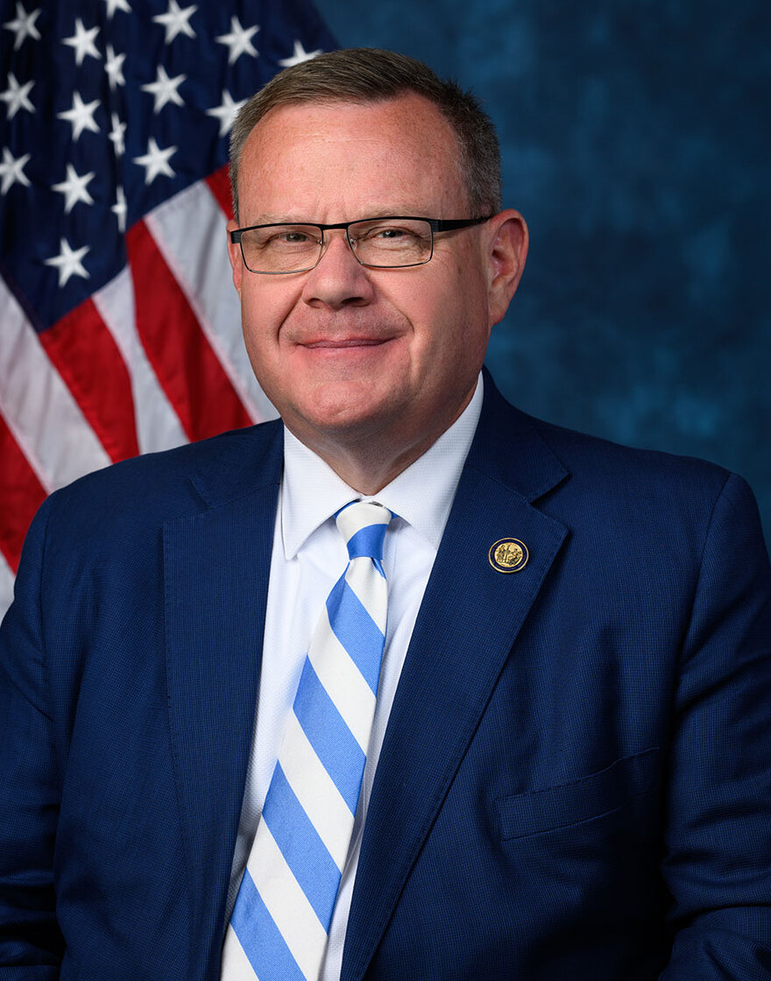
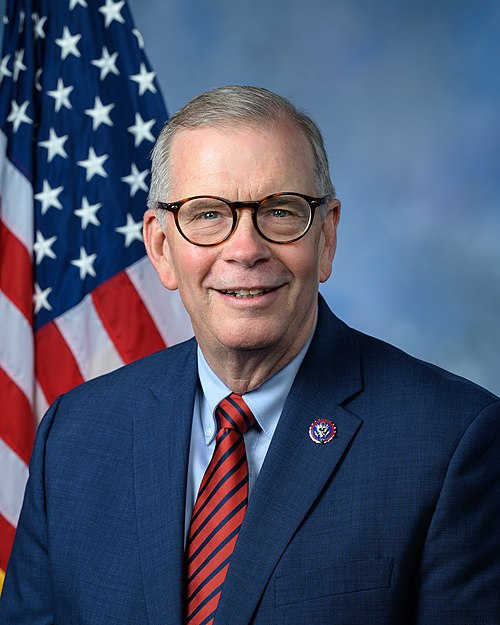
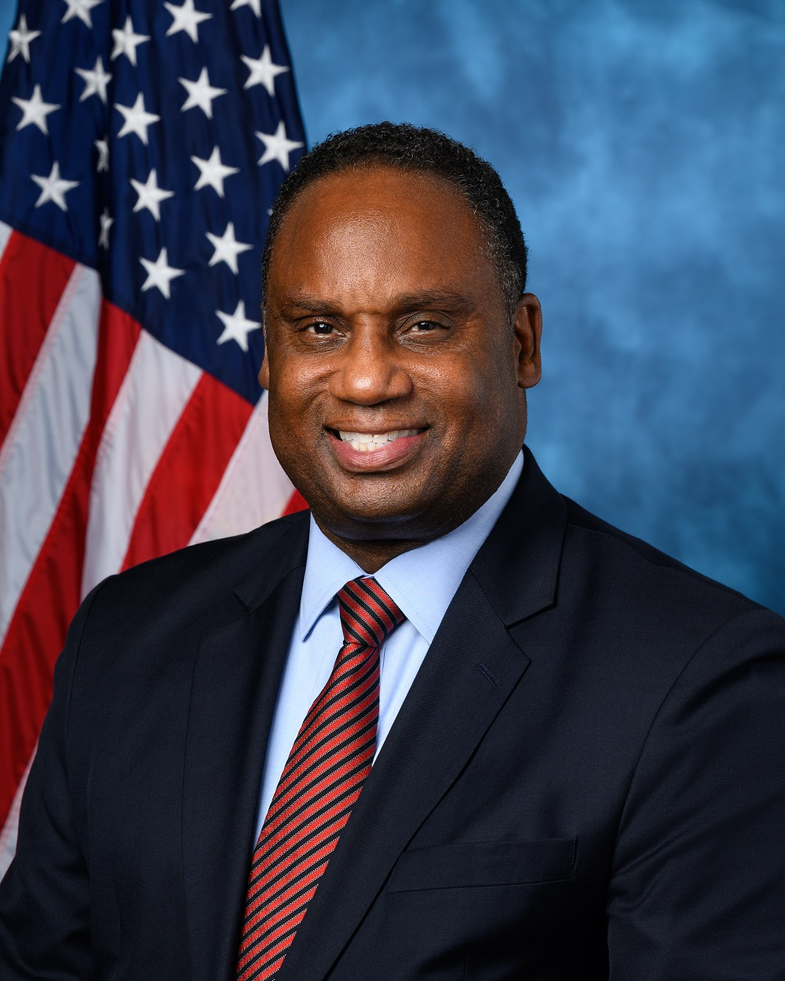
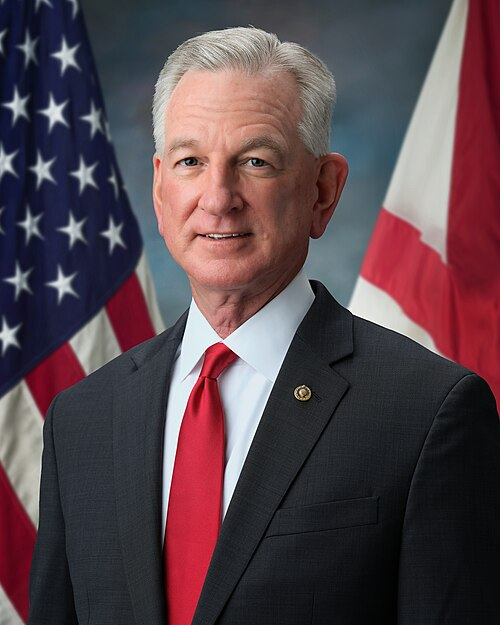
Sponsors
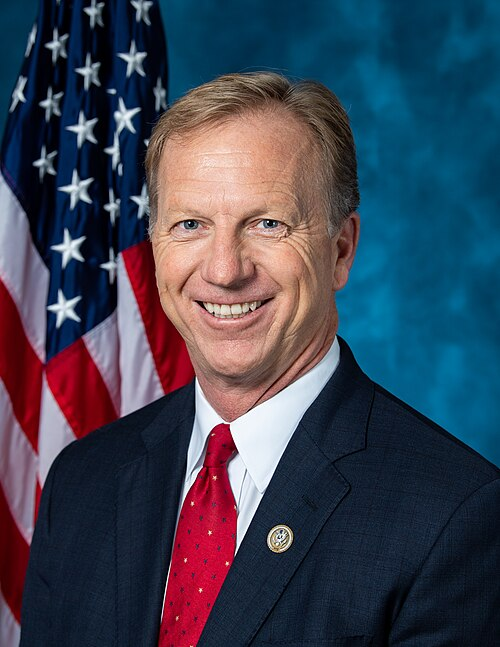
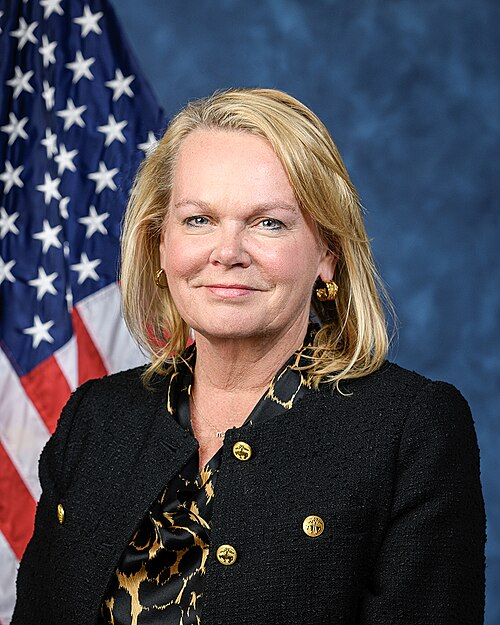
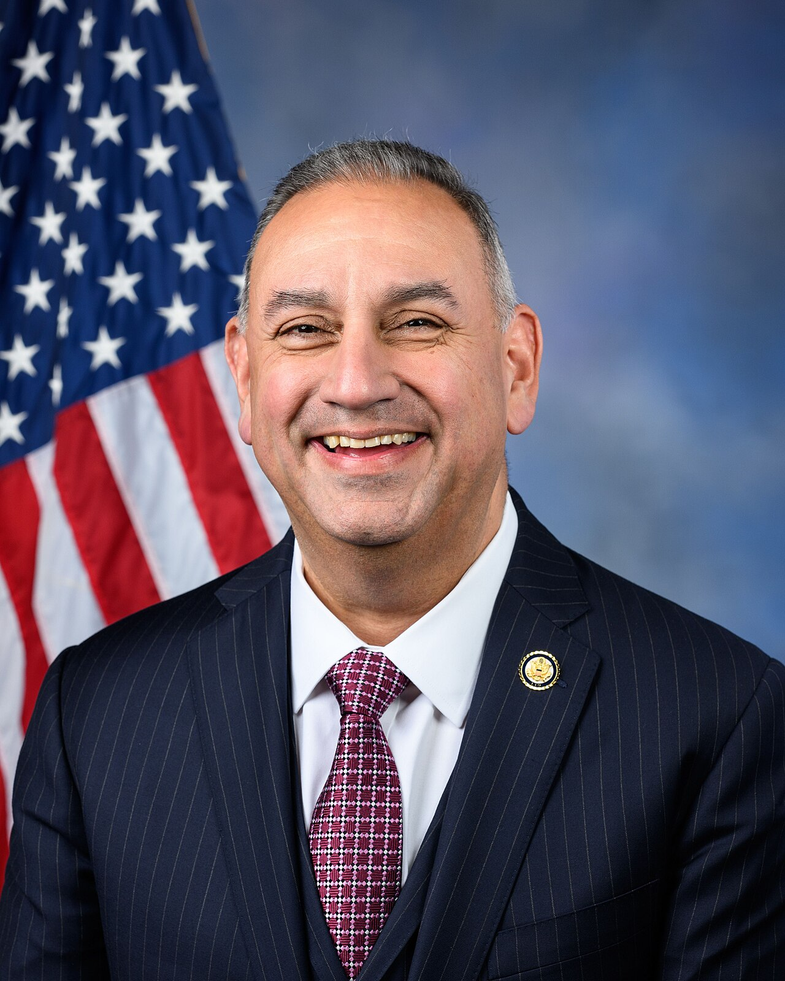
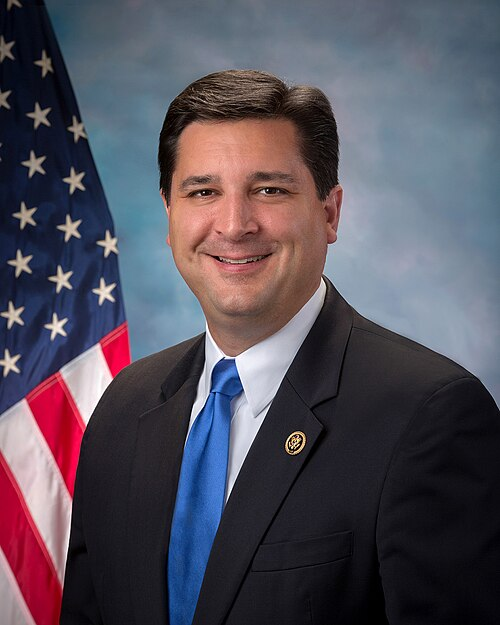
3 bill sponsors


Actions
2 actions
| Date | Action |
|---|---|
| Jul. 15, 2026 | Introduced in House |
| Jul. 15, 2026 | Referred to the Committee on Financial Services, and in addition to the Committees on Foreign Affairs, Energy and Commerce, Transportation and Infrastructure, Oversight and Government Reform, and Small Business, for a period to be subsequently determined by the Speaker, in each case for consideration of such provisions as fall within the jurisdiction of the committee concerned. |
Corporate Lobbying
0 companies lobbying
None found.
* Note that there can be significant delays in lobbying disclosures, and our data may be incomplete.