
S. 5383: End Gas Station Heroin Act
This bill would make several changes to federal drug law aimed at certain emerging opioid-like substances and some kratom-related compounds.
What substances would be newly controlled
The bill would add 7-hydroxymitragynine (7-OH) and mitragynine pseudoindoxyl to Schedule I of the Controlled Substances Act. Schedule I is the most restricted category under federal drug law. The bill says this would cover the substances themselves, along with related forms such as salts, isomers, esters, ethers, and synthetic analogs when applicable.
However, the bill includes an exception for these substances when they occur naturally in kratom or in a finished kratom product, as long as they stay below certain thresholds. For example:
- In solid, powdered, or encapsulated products, the combined amount of the two substances could not exceed 1 milligram per gram.
- In liquid products, the combined amount could not exceed 1 milligram per milliliter.
- The combined amount could not exceed 1 part per 100 parts mitragynine by mass.
If these substances are synthesized, chemically converted, concentrated, enriched, isolated, or otherwise manufactured, they would not qualify for this kratom exception.
How it would treat “gas station heroin” type products
The bill would create a special federal enforcement rule for certain “covered emerging synthetic opioids” that are being sold or distributed commercially. A substance would fall into this category if it:
- is being manufactured, advertised, sold, distributed, or otherwise placed into commerce;
- acts as an opioid receptor agonist or partial agonist and is shown by reliable evidence to be more potent than morphine at the human mu-opioid receptor, or to have stronger pain-relieving or respiratory-depressing effects than morphine;
- is made through chemical synthesis or semisynthesis;
- is not an FDA-approved drug;
- is intended for human consumption;
- is not already listed in another CSA schedule; and
- is not covered by one of the bill’s exclusions.
For these substances, the bill would treat knowing or intentional manufacturing, importing, exporting, distributing, dispensing, or possessing with intent to do those things as though the substance were Schedule I for enforcement purposes.
What would not be punished under this section
The bill says people would not be subject to criminal or civil enforcement under this section based only on purchase, receipt, simple possession, or personal use of a covered emerging synthetic opioid. Enforcement would be limited to commercial conduct, such as manufacturing or distribution, or possession with intent to engage in that conduct.
Exemptions and limits
The bill would not cover:
- approved medicines;
- substances not intended for human consumption;
- natural botanical constituents, unless they have been intentionally isolated, enriched, concentrated, chemically converted, or added to a product for human consumption;
- substances held or transferred only for legitimate scientific, medical, forensic, analytical, or law-enforcement purposes; or
- other substances the Attorney General exempts by regulation.
The bill also says enforcement would apply only to the portion of a substance that is introduced, or intended to be introduced, into commercial distribution. It would not independently target the same substance when held outside commerce for research, testing, or similar noncommercial purposes.
Relation to other drug laws
If a substance already qualifies as a controlled substance analogue under existing law, the Attorney General could use either the analogue law, this bill’s provisions, or any other applicable federal law. The bill says it would not change state attorneys general’ authority under state law.
Relevant Companies
- None found
This is an AI-generated summary of the bill text. There may be mistakes.
Sponsors
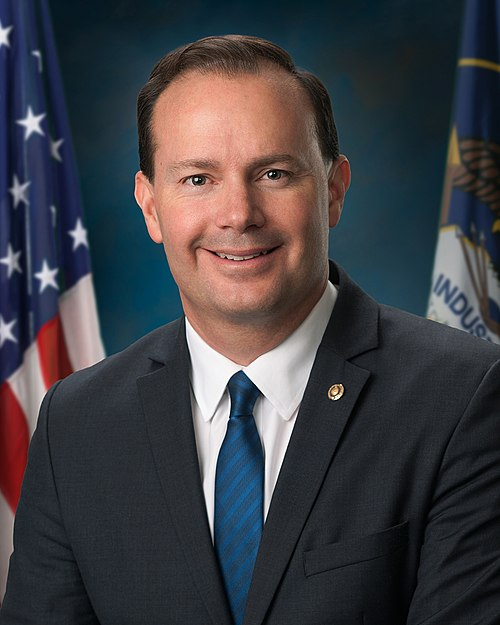
2 bill sponsors
Actions
2 actions
| Date | Action |
|---|---|
| Aug. 08, 2026 | Introduced in Senate |
| Aug. 08, 2026 | Read twice and referred to the Committee on the Judiciary. |
Corporate Lobbying
0 companies lobbying
None found.
* Note that there can be significant delays in lobbying disclosures, and our data may be incomplete.
Potentially Relevant Congressional Stock Trades
No relevant congressional stock trades found.