
H.R. 10389: Survivor’s Voice Protection Act
This bill, called the Survivor’s Voice Protection Act, would do two main things.
Limits on secrecy clauses in abuse-related settlements
The bill would make certain nondisclosure clauses, or NDA-style provisions, unenforceable when they prevent a victim of sexual abuse from speaking about the abuse or facts related to it. It would also block clauses that stop other people from sharing related facts when they are doing so to support the victim’s ability to speak.
Under the bill, “sexual abuse” includes:
- certain federal sex offenses under specified sections of title 18;
- human trafficking offenses;
- grooming behavior involving a minor; and
- other sexual acts or contact that are criminal under federal or state law.
The bill would still allow confidentiality provisions covering other topics, including settlement payment amounts or payment terms, as long as those provisions do not stop protected disclosures about the abuse.
These rules would apply to NDAs entered into before, on, or after the bill becomes law. The bill would also override conflicting state laws to the extent they allow enforcement of restrictions the bill forbids, while still allowing states to pass stronger protections.
New reporting duty for fiduciaries
The bill would create a new legal duty for certain fiduciaries, such as guardians, trustees, executors, administrators, conservators, or others acting in a similar role. If, while carrying out their duties, they have reasonable cause to believe the person they serve has engaged in grooming behavior that appears intended to lead to certain kinds of sexual abuse, they would have to report that behavior to the appropriate law enforcement agency.
The Attorney General would be required to issue rules within 180 days to clarify how this reporting duty works and set the reporting deadline. The report would have to be made no earlier than 90 days and no later than 180 days after the fiduciary first learns of the grooming behavior.
If the person later is convicted of the related abuse and the fiduciary failed to report the grooming behavior as required, the victim could sue the fiduciary in federal court for damages and attorney’s fees. State attorneys general could also bring civil actions on behalf of residents under similar circumstances.
Claims under this section would generally have to be filed within 10 years after the related conviction, or within 10 years after the victim turns 18 if the victim was a minor at the time.
Relevant Companies
None found
This is an AI-generated summary of the bill text. There may be mistakes.
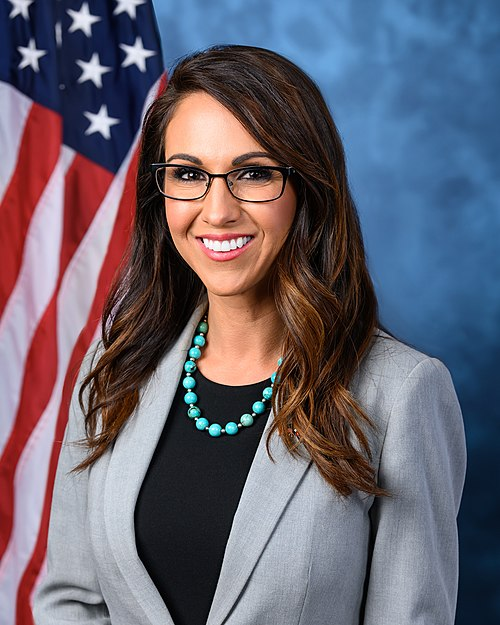
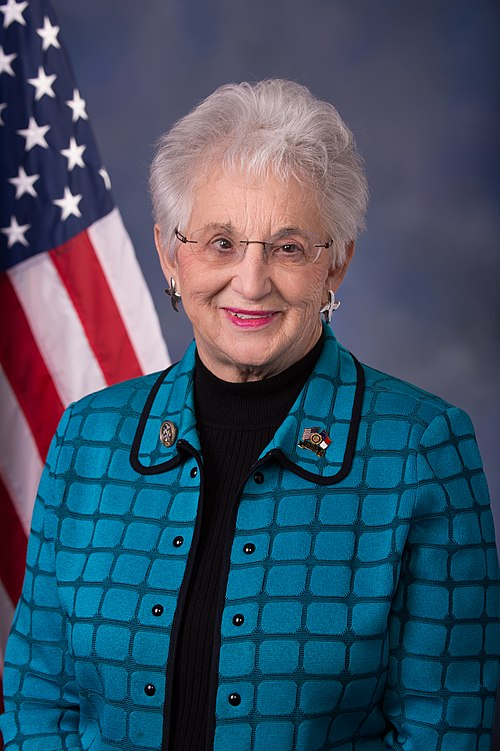
Sponsors
5 bill sponsors



Actions
2 actions
| Date | Action |
|---|---|
| Sep. 15, 2026 | Introduced in House |
| Sep. 15, 2026 | Referred to the House Committee on the Judiciary. |
Corporate Lobbying
0 companies lobbying
None found.
* Note that there can be significant delays in lobbying disclosures, and our data may be incomplete.
Potentially Relevant Congressional Stock Trades
No relevant congressional stock trades found.