H.R. 9011: Vacancy to Value Act of 2026
The proposed Vacancy to Value Act of 2026 aims to repurpose underutilized federal properties to stimulate economic development in their surrounding communities. Here are the key components of the bill:
Purpose and Goals
The primary objective of the act is to encourage the sale or transfer of federal properties that are not effectively occupied or utilized. These underutilized properties can then be redeveloped for community-focused purposes, such as:
- Creating affordable housing
- Job creation
- Fostering economic growth
- Building community facilities (e.g., clinics, childcare centers, schools)
Pilot Program for Property Redevelopment
The act establishes a pilot program under the administration of the General Services Administration (GSA) that allows for the sale or transfer of these properties. Key aspects include:
- Eligible Purpose: Properties can be acquired for redevelopment aimed at benefiting the local community.
- Sale Price: The properties can be sold or transferred for less than their fair market value.
- Development Requirement: Recipients must submit a redevelopment plan and begin redevelopment within five years.
- Recapture Provisions: If redevelopment requirements are not met, the GSA can reclaim the property.
- Priority Consideration: Community-based nonprofits and public entities are prioritized for acquiring properties.
- Term of Program: The pilot program will last for five years from the date the law is enacted.
Study and Reporting
The GSA will conduct a study after the pilot program concludes to review its outcomes. A report detailing the findings will be submitted to Congress within one year after the program's completion.
Federal Redevelopment Grant Program
The act also establishes a Federal Redevelopment Grant Program overseen by the Secretary of Housing and Urban Development (HUD). This program will:
- Provide competitive grants to eligible entities for property redevelopment.
- Allow grants to be awarded to a variety of entities, including state/local governments, tribal governments, public housing agencies, nonprofit organizations, and public-private partnerships.
- Support various uses of grant funds, such as planning activities, environmental remediation, construction costs, and the development of community facilities.
- Prioritize projects that create affordable housing and benefit underserved communities.
- Require grant recipients to demonstrate public benefits to the community and report annually on their progress and use of funds.
Funding Authorization
The act authorizes the appropriation of necessary funds to carry out its provisions, though specific funding amounts will be determined in subsequent appropriations.
Definition of Underutilized Federal Property
For the purpose of this act, "underutilized federal property" refers to any federal real estate that is:
- Not fully occupied by its federal agency.
- Considered excess to the needs of the government, including properties that are vacant, obsolete, or too costly to maintain.
Relevant Companies
- URBN (Urban Outfitters, Inc.): Retail and real estate development implications if they pursue community-focused projects under this program.
- PHM (PulteGroup, Inc.): Potential interest in affordable housing developments funded through grants.
This is an AI-generated summary of the bill text. There may be mistakes.
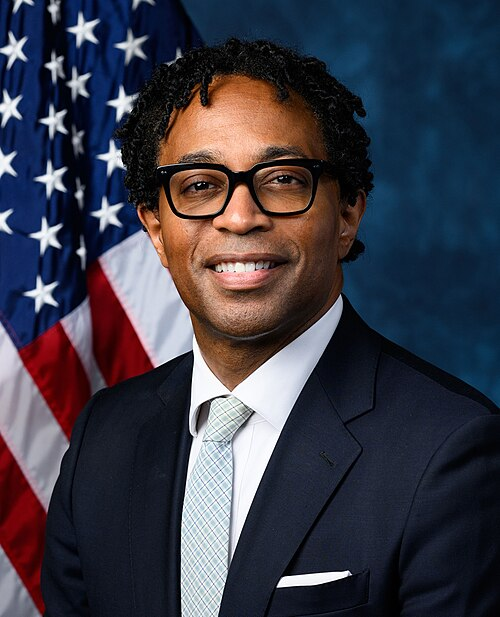
Sponsors
1 sponsor
Actions
2 actions
| Date | Action |
|---|---|
| May. 22, 2026 | Introduced in House |
| May. 22, 2026 | Referred to the Committee on Transportation and Infrastructure, and in addition to the Committees on Oversight and Government Reform, and Financial Services, for a period to be subsequently determined by the Speaker, in each case for consideration of such provisions as fall within the jurisdiction of the committee concerned. |
Corporate Lobbying
0 companies lobbying
None found.
* Note that there can be significant delays in lobbying disclosures, and our data may be incomplete.