
H.R. 9804: Sustainable and Flood Resilient Engineering for Rural Areas Act
This bill would create a new FEMA-backed program focused on helping rural communities reduce flood risk before disasters happen. It would amend the Stafford Disaster Relief and Emergency Assistance Act to make FEMA’s existing hazard mitigation program more specifically directed toward rural areas, Tribal governments, and some territories.
What the bill would create
The bill would establish a SAFE Rural Fund inside the Disaster Relief Fund. Each year, 2% of the money appropriated to the Disaster Relief Fund would be deposited into this new fund. The money would be kept separate and used only for the new rural flood resilience program.
The bill would also require FEMA to run a new SAFE rural program, which would provide formula-based grants to States and Indian Tribal governments for projects in rural communities.
How the money would be distributed
Rather than awarding all funds through a competitive process, the bill would require FEMA to distribute money by formula. The formula would:
- Split 50% of available funds equally among eligible entities.
- Split 30% based on population and income, giving more weight to larger populations and lower median incomes.
- Split the remaining funds among entities that show stronger capacity to manage grants and carry out hazard mitigation work.
Each eligible State or Tribal government would receive at least the lesser of $5 million or 1% of the funds available each year, but no State or Tribal government could receive more than 15% of the total available amount or $150 million, whichever is less.
Who could receive funds
Eligible recipients would include:
- States
- Indian Tribal governments
States and Tribal governments would then pass most of the money through as subgrants to qualifying local entities. The bill defines eligible rural entities mostly by population thresholds, such as counties with 50,000 people or fewer and municipalities with 10,000 people or fewer, with some additional exceptions for low-density counties and certain Tribal organizations.
What the money could be used for
Funds could be used for flood resilience and hazard mitigation projects, including:
- Repairing or building flood-resilient infrastructure such as bridges, culverts, drainage systems, levees, stormwater systems, and coastal defenses
- Protecting critical facilities, transportation systems, utilities, farms, and homes from flooding
- Nature-based and green infrastructure projects, such as wetland restoration, living shorelines, streambank stabilization, riparian buffers, constructed wetlands, reforestation, and watershed restoration
- Planning and preparedness work, such as flood resilience plans, emergency shelter planning, warning systems, emergency operations center upgrades, and flood hazard data development
- Staffing, training, and retention of emergency management and floodplain management personnel
For territories, funds could also be used for projects addressing island-specific flooding, coastal erosion, storm surge, and infrastructure vulnerabilities.
Rules for grants and administration
The bill would require States and Tribal governments to submit administrative plans describing how they will distribute funds, streamline applications, and oversee subgrantees. It also sets deadlines for reviewing applications and releasing funds.
It would require simplified application procedures, including:
- Shorter applications for project and planning grants
- Plain-language instructions
- Electronic forms when practical
- Joint applications for regional projects
- Model applications for first-time or low-capacity applicants
The bill would also create a special small project set-aside: at least 15% of annual allocations would have to be reserved for projects costing $500,000 or less. For these small projects, the application process would be streamlined, and projects under $200,000 would not need a benefit-cost analysis.
Cost-sharing and oversight
Normally, planning grants would require a 10% non-federal share and project grants would require a 25% non-federal share. FEMA could reduce or waive those requirements for underserved or economically distressed rural, Tribal, or territorial communities.
The bill would also require:
- Quarterly reporting by subgrantees
- Federal and state oversight and audits
- Repayment of funds used improperly or left unspent beyond the allowed period
Other changes
The bill would make FEMA issue implementing guidance and regulations within 180 days of enactment. It would also require an annual report to Congress on funding, project types, outcomes, participation by Tribal and territorial governments, and possible program improvements.
In addition, the bill would change the broader BRIC program so that FEMA must continue it, rather than merely being allowed to establish it, and it would direct 10% of the prior year’s Disaster Relief Fund appropriations to BRIC technical and financial assistance.
Relevant Companies
None found
This is an AI-generated summary of the bill text. There may be mistakes.
Sponsors
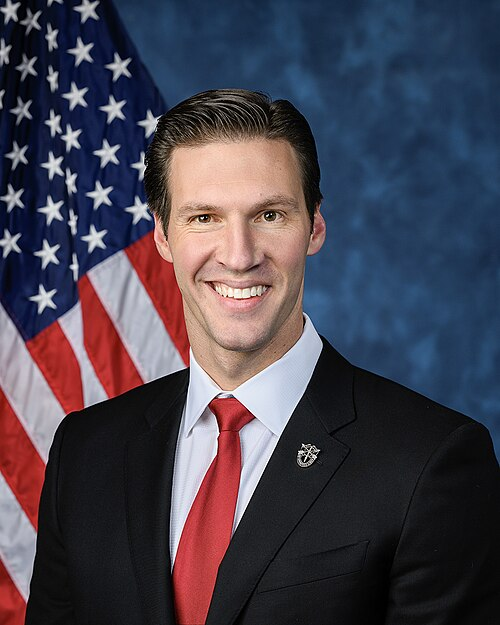
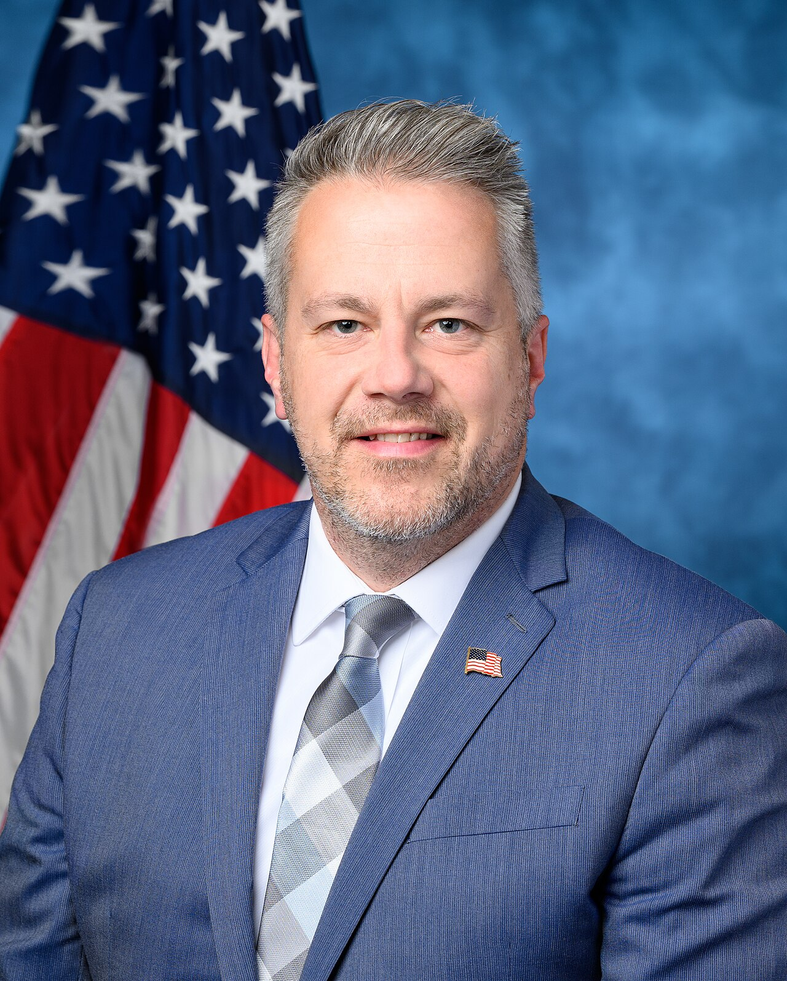
3 bill sponsors

Actions
2 actions
| Date | Action |
|---|---|
| Jul. 21, 2026 | Introduced in House |
| Jul. 21, 2026 | Referred to the House Committee on Transportation and Infrastructure. |
Corporate Lobbying
0 companies lobbying
None found.
* Note that there can be significant delays in lobbying disclosures, and our data may be incomplete.
Potentially Relevant Congressional Stock Trades
No relevant congressional stock trades found.