
Quiver News
The latest insights and financial news from Quiver Quantitative
Krishnamoorthi condemns a Texas GOP nominee’s xenophobic tweet targeting South Asian University of Texas students.
Quiver AI Summary
Krishnamoorthi criticizes Bo French tweet: Congressman Raja Krishnamoorthi said he "condemned" a tweet by Texas Republican Railroad Commission nominee Bo French that showed photos of South Asian students at the University of Texas and described them as evidence Americans were being "displaced by foreigners."
Response and broader context: Krishnamoorthi called the post "disgraceful" and said it was part of a wider rise in attacks on South Asian Americans. He said the students were celebrating a football win and that South Asian Americans "are as American as anyone."
Disclaimer: This is an AI-generated summary of a press release. The model used to summarize this release may make mistakes. See the full release here.
Check out the Quiver Quantitative API to build on top of data on congressional stock trading, insider transactions, hedge fund moves, and more.
Raja Krishnamoorthi Fundraising
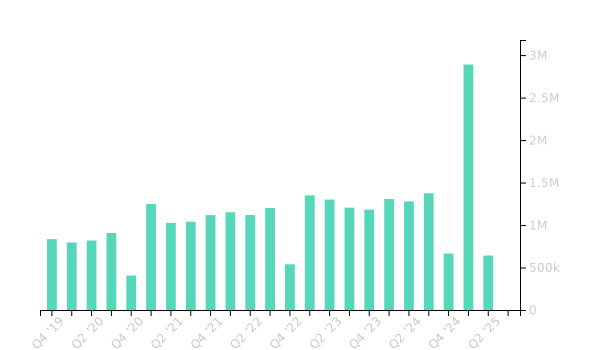
Raja Krishnamoorthi recently disclosed $0 of fundraising in a Q2 FEC disclosure filed on July 15th, 2026. This was the 1880th most from all Q2 reports we have seen this year. nan% came from individual donors.
Krishnamoorthi disclosed $177.5K of spending. This was the 565th most from all Q2 reports we have seen from politicians so far this year.
Krishnamoorthi disclosed $48.3K of cash on hand at the end of the filing period. This was the 1123rd most from all Q2 reports we have seen this year.
You can see the disclosure here, or track Raja Krishnamoorthi's fundraising on Quiver Quantitative.
Raja Krishnamoorthi Net Worth
Quiver Quantitative estimates that Raja Krishnamoorthi is worth $4.0M, as of September 13th, 2026. This is the 196th highest net worth in Congress, per our live estimates.
Krishnamoorthi has approximately $0 invested in publicly traded assets which Quiver is able to track live.
You can track Raja Krishnamoorthi's net worth on Quiver Quantitative's politician page for Krishnamoorthi.
Raja Krishnamoorthi Bill Proposals
Here are some bills which have recently been proposed by Raja Krishnamoorthi:
- H.R.9748: Protecting Students from Worthless Degrees Act
- H.R.9747: Welcome Back to the Health Care Workforce Act
- H.R.9596: Federal Jobs for STARs Act of 2026
- H.R.8932: Hate Crimes Commission Act of 2026
- H.R.8577: Disaster Declaration Transparency Act of 2026
- H.R.8429: Baby Food Safety Act of 2026
You can track bills proposed by Raja Krishnamoorthi on Quiver Quantitative's politician page for Krishnamoorthi.
2026 Illinois's 8th Congressional District Election
There has been approximately $24,930,543 of spending in Illinois's 8th congressional district elections over the last two years, per our estimates.
Approximately $7,570,511 of this has been from outside spending by PACs and Super PACs. Some of the groups who are spending money in this race include:
- ELECT CHICAGO WOMEN AKA ECW ($3,985,697)
- THINK BIG ($1,138,422)
- NEW DEMOCRAT MAJORITY ($935,000)
- CHICAGO PROGRESSIVE PARTNERSHIP ($663,879)
- PROTECT PROGRESS ($557,012)
The rating for this race is currently "Solid D".
You can track this election on our matchup page for the 2026 Illinois's 8th congressional district election.
Jeffries criticized Trump’s record, urged urgent AI action, and outlined Democratic priorities on costs, healthcare, and accountability.
Quiver AI Summary
Jeffries on ABC: House Democratic Leader Hakeem Jeffries, speaking on ABC’s This Week, said Democrats believe Congress should act urgently on artificial intelligence and other cost-of-living issues. He said House Republicans have “abandoned” their responsibility and argued Democrats are developing proposals and meeting as a caucus to discuss next steps.
Policy and campaign focus: Jeffries also criticized Donald Trump’s record on prices, healthcare and tariffs, saying Trump had not delivered on promises to lower costs. He said Democrats would focus on reducing living expenses, restoring health care tax credits, and pursuing bipartisan cooperation where possible.
Accountability and elections: Asked about impeachment and other oversight issues, Jeffries said Democrats had not ruled anything in or out and would “follow the facts” and the law. He also said Democrats would present candidates with varied backgrounds in the upcoming elections and rejected criticism tied to the party’s ideology.
Disclaimer: This is an AI-generated summary of a press release. The model used to summarize this release may make mistakes. See the full release here.
Check out the Quiver Quantitative API to build on top of data on congressional stock trading, insider transactions, hedge fund moves, and more.
Hakeem S. Jeffries Fundraising
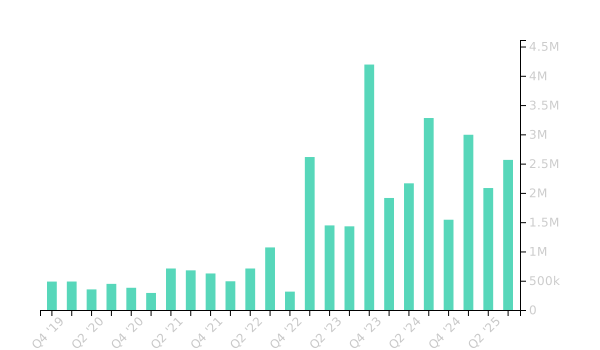
Hakeem S. Jeffries recently disclosed $877.2K of fundraising in a Q2 FEC disclosure filed on July 15th, 2026. This was the 78th most from all Q2 reports we have seen this year. 61.8% came from individual donors.
Jeffries disclosed $851.8K of spending. This was the 107th most from all Q2 reports we have seen from politicians so far this year.
Jeffries disclosed $5.0M of cash on hand at the end of the filing period. This was the 62nd most from all Q2 reports we have seen this year.
You can see the disclosure here, or track Hakeem S. Jeffries's fundraising on Quiver Quantitative.
Hakeem S. Jeffries Net Worth
Quiver Quantitative estimates that Hakeem S. Jeffries is worth $662.4K, as of September 13th, 2026. This is the 383rd highest net worth in Congress, per our live estimates.
Jeffries has approximately $197.4K invested in publicly traded assets which Quiver is able to track live.
You can track Hakeem S. Jeffries's net worth on Quiver Quantitative's politician page for Jeffries.
Hakeem S. Jeffries Bill Proposals
Here are some bills which have recently been proposed by Hakeem S. Jeffries:
- H.R.19: Reserved for the Minority Leader.
- H.R.18: Reserved for the Minority Leader.
- H.R.13: Reserved for the Minority Leader.
You can track bills proposed by Hakeem S. Jeffries on Quiver Quantitative's politician page for Jeffries.
2026 New York's 8th Congressional District Election
There has been approximately $20,231,361 of spending in New York's 8th congressional district elections over the last two years, per our estimates.
Approximately $32,100 of this has been from outside spending by PACs and Super PACs.
The rating for this race is currently "Solid D".
You can track this election on our matchup page for the 2026 New York's 8th congressional district election.
Rep. Chu announces bipartisan law granting tax relief for Eaton Fire survivors’ wildfire settlement payments.
Quiver AI Summary
Disaster tax relief becomes law: A bipartisan bill, the Doug LaMalfa Federal Disaster Tax Relief Certainty Act, has become law, according to the press release. It says qualifying wildfire relief payments, including settlements for Eaton Fire survivors, can be excluded from federal taxable income even if received later.
Chu cites broader recovery efforts: The release says Rep. Judy Chu has pushed for tax relief since the fire and introduced broader disaster-relief legislation earlier this year. Chu said the new law is “a major victory” and argued it will help survivors keep more of their compensation for rebuilding.
Next steps mentioned: The statement says Chu will continue seeking additional disaster-related tax changes and federal funding for recovery. It also says many Eaton Fire survivors have not returned home, and that the rebuilding gap remains significant.
Disclaimer: This is an AI-generated summary of a press release. The model used to summarize this release may make mistakes. See the full release here.
Check out the Quiver Quantitative API to build on top of data on congressional stock trading, insider transactions, hedge fund moves, and more.
Judy Chu Fundraising
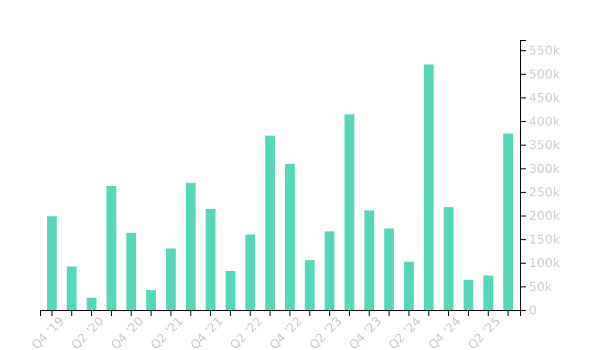
Judy Chu recently disclosed $70.8K of fundraising in a Q2 FEC disclosure filed on July 15th, 2026. This was the 826th most from all Q2 reports we have seen this year. 39.3% came from individual donors.
Chu disclosed $63.6K of spending. This was the 982nd most from all Q2 reports we have seen from politicians so far this year.
Chu disclosed $3.7M of cash on hand at the end of the filing period. This was the 99th most from all Q2 reports we have seen this year.
You can see the disclosure here, or track Judy Chu's fundraising on Quiver Quantitative.
Judy Chu Net Worth
Quiver Quantitative estimates that Judy Chu is worth $15.1M, as of September 12th, 2026. This is the 86th highest net worth in Congress, per our live estimates.
Chu has approximately $7.3M invested in publicly traded assets which Quiver is able to track live.
You can track Judy Chu's net worth on Quiver Quantitative's politician page for Chu.
Judy Chu Bill Proposals
Here are some bills which have recently been proposed by Judy Chu:
- H.R.10045: Protect American Values Act
- H.R.9699: Drug Deal Disclosure Act
- H.R.9400: American Rescuers of the Holocaust Congressional Gold Medal Act of 2026
- H.R.9024: Harry Lew and Danny Chen Military Justice Reform Act
- H.R.8604: Language Access Board Act of 2026
- H.R.8498: Increasing Access to Foster Care Through Age 21 Act
You can track bills proposed by Judy Chu on Quiver Quantitative's politician page for Chu.
2026 California's 28th Congressional District Election
There has been approximately $1,731,050 of spending in California's 28th congressional district elections over the last two years, per our estimates.
The rating for this race is currently "Solid D".
You can track this election on our matchup page for the 2026 California's 28th congressional district election.
Rep. Salinas praised a comment deadline extension on a proposal to repeal forest roadless protections, citing public input and environmental concerns.
Quiver AI Summary
Salinas says comment period was extended: Congresswoman Andrea Salinas said the U.S. Forest Service has extended the public comment deadline on a Trump administration proposal to rescind the Roadless Rule. The new deadline is October 6, giving the public 15 more days to respond.
Background on the proposal: The release says the rule has protected 44 million acres of national forest land from most road construction and logging for more than 25 years. Salinas and 163 other lawmakers had asked for a longer comment window, plus public meetings and Tribal consultation.
Next steps: Salinas said the added time is still shorter than the 120 days she sought, and said she will keep pushing for a broader public process. She also supports legislation that would permanently codify the Roadless Rule’s protections into law.
Disclaimer: This is an AI-generated summary of a press release. The model used to summarize this release may make mistakes. See the full release here.
Check out the Quiver Quantitative API to build on top of data on congressional stock trading, insider transactions, hedge fund moves, and more.
Andrea Salinas Fundraising
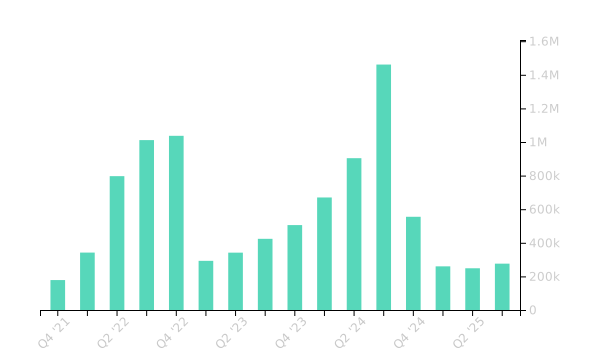
Andrea Salinas recently disclosed $253.2K of fundraising in a Q2 FEC disclosure filed on July 15th, 2026. This was the 397th most from all Q2 reports we have seen this year. 42.1% came from individual donors.
Salinas disclosed $231.9K of spending. This was the 451st most from all Q2 reports we have seen from politicians so far this year.
Salinas disclosed $611.1K of cash on hand at the end of the filing period. This was the 523rd most from all Q2 reports we have seen this year.
You can see the disclosure here, or track Andrea Salinas's fundraising on Quiver Quantitative.
Andrea Salinas Net Worth
Quiver Quantitative estimates that Andrea Salinas is worth $825.2K, as of September 12th, 2026. This is the 362nd highest net worth in Congress, per our live estimates.
Salinas has approximately $324.2K invested in publicly traded assets which Quiver is able to track live.
You can track Andrea Salinas's net worth on Quiver Quantitative's politician page for Salinas.
Andrea Salinas Bill Proposals
Here are some bills which have recently been proposed by Andrea Salinas:
- H.R.10116: Lifeline for First Responders Act
- H.R.10102: Data Center Community Reinvestment Act of 2026
- H.R.10066: Stop Corrupt Trading Act
- H.R.10038: FORK Act of 2026
- H.R.9529: NO PROFIT Act
- H.R.8631: KOMBUCHA
You can track bills proposed by Andrea Salinas on Quiver Quantitative's politician page for Salinas.
2026 Oregon's 6th Congressional District Election
There has been approximately $5,899,181 of spending in Oregon's 6th congressional district elections over the last two years, per our estimates.
Approximately $1,130,845 of this has been from outside spending by PACs and Super PACs. Some of the groups who are spending money in this race include:
- CHC BOLD PAC ($1,018,471)
- OREGONIANS FOR TRUTH AND ACCOUNTABILITY PAC ($51,200)
- WORKING AMERICA ($33,053)
- NATIONAL ASSOCIATION OF REALTORS POLITICAL ACTION COMMITTEE ($22,945)
- GET OUT THE VOTE PAC ($2,875)
The rating for this race is currently "Solid D".
You can track this election on our matchup page for the 2026 Oregon's 6th congressional district election.
Representative Sharice Davids highlights Johnson County’s airport shuttle pilot, citing strong ridership and public transit demand.
Quiver AI Summary
Davids highlights shuttle pilot: Representative Sharice Davids said she rode Johnson County United’s Airport Drop & Ride from Overland Park to Kansas City International Airport to draw attention to the temporary service and to demand for airport transit options in Johnson County.
County data cited: The release says the free shuttle provided 6,635 rides through Aug. 31, and survey results showed most riders rated it “excellent” and said they would recommend it. County officials described the program as a pilot tied to World Cup-related transportation planning.
Future transit plans: Davids said the pilot could inform future public transit work in the county. The release also notes her past support for federal transit funding and cites money she helped secure for Kansas transit systems and KCATA projects.
Disclaimer: This is an AI-generated summary of a press release. The model used to summarize this release may make mistakes. See the full release here.
Check out the Quiver Quantitative API to build on top of data on congressional stock trading, insider transactions, hedge fund moves, and more.
Sharice Davids Fundraising
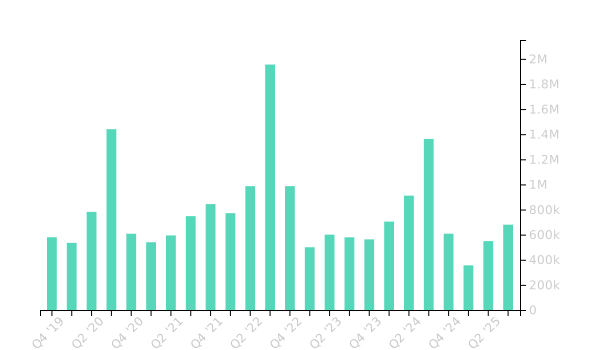
Sharice Davids recently disclosed $95.8K of fundraising in a Pre-Primary FEC disclosure filed on July 23rd, 2026. This was the 425th most from all Pre-Primary reports we have seen this year. 49.4% came from individual donors.
Davids disclosed $67.5K of spending. This was the 778th most from all Pre-Primary reports we have seen from politicians so far this year.
Davids disclosed $1.7M of cash on hand at the end of the filing period. This was the 200th most from all Pre-Primary reports we have seen this year.
You can see the disclosure here, or track Sharice Davids's fundraising on Quiver Quantitative.
Sharice Davids Net Worth
Quiver Quantitative estimates that Sharice Davids is worth $431.0K, as of September 11th, 2026. This is the 412th highest net worth in Congress, per our live estimates.
Davids has approximately $0 invested in publicly traded assets which Quiver is able to track live.
You can track Sharice Davids's net worth on Quiver Quantitative's politician page for Davids.
Sharice Davids Bill Proposals
Here are some bills which have recently been proposed by Sharice Davids:
- H.R.10205: REACH Our Tribes Act
- H.R.9425: Increasing Tribal Input on Nutrition Act of 2026
- H.R.9346: USDA Field Office Stability Act
- H.R.8742: Respect Tribal IDs Act
- H.R.8539: Truth in National Parks Act
- H.R.8404: 21st Century Entrepreneurship Act
You can track bills proposed by Sharice Davids on Quiver Quantitative's politician page for Davids.
2026 Kansas's 3rd Congressional District Election
There has been approximately $6,977,329 of spending in Kansas's 3rd congressional district elections over the last two years, per our estimates.
Approximately $764,538 of this has been from outside spending by PACs and Super PACs. Some of the groups who are spending money in this race include:
- HMP ($644,280)
- AD ASTRA PAC ($55,948)
- MOMSRISING TOGETHER ($32,783)
- HEALTHCARE FREEDOM SUPER PAC ($20,000)
- WORKING AMERICA ($9,137)
The rating for this race is currently "Solid D".
You can track this election on our matchup page for the 2026 Kansas's 3rd congressional district election.
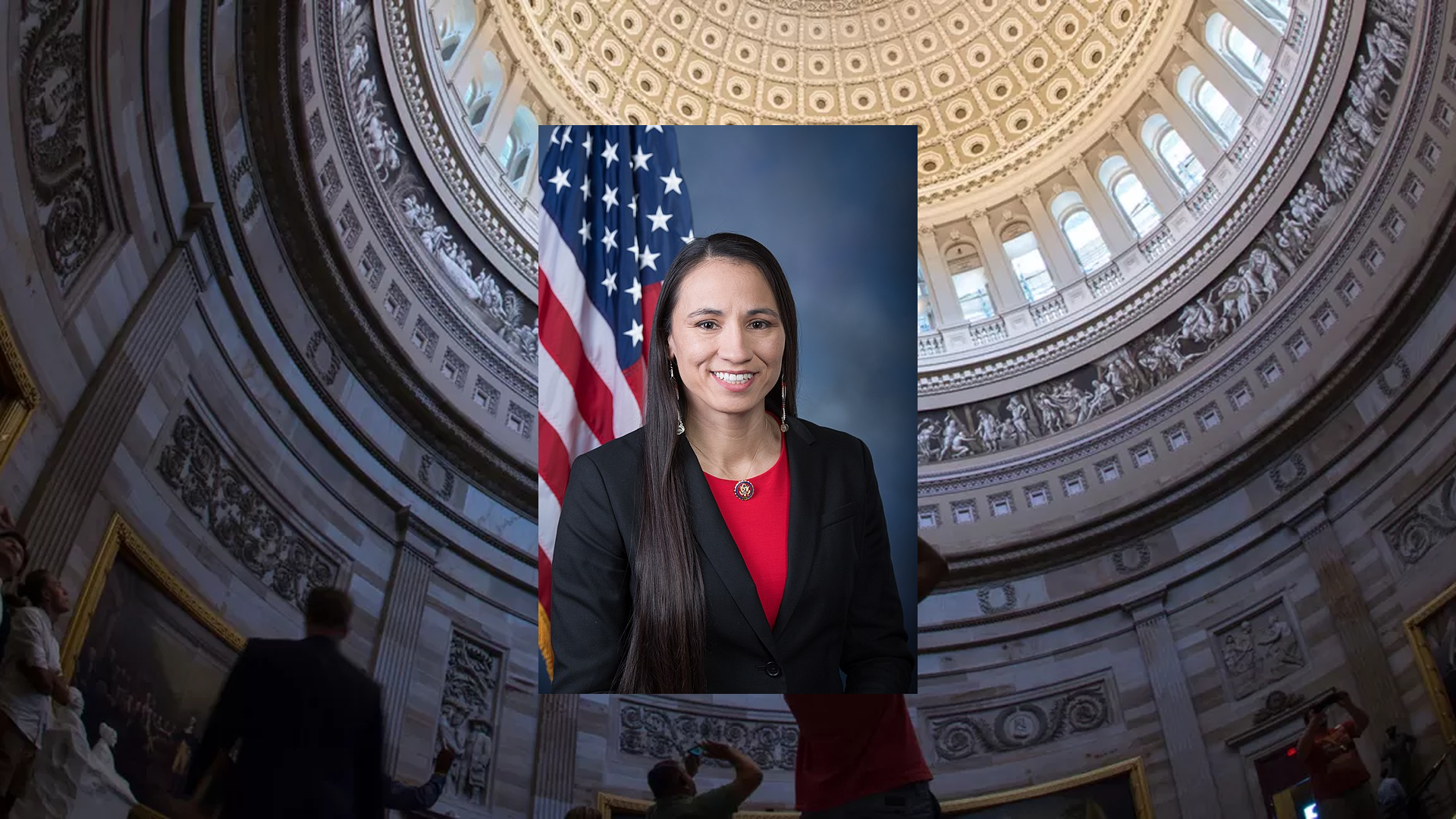
Bipartisan bill would set 16 as the minimum age for social media accounts and target addictive platform design features.
Quiver AI Summary
Lawmakers introduce social media age bill: Rep. Erin Houchin and Rep. Jake Auchincloss introduced the bipartisan 16 & Up Social Media Act, which would set a national minimum age of 16 for creating or keeping accounts on covered social media platforms.
Bill details and rationale: The proposal would apply to platforms with engagement-driven features such as infinite scroll and personalized feeds, rather than to content itself. It also calls for deleting children's data when accounts are closed and creating a five-day appeals process for account terminations.
Supporters' view: In the release, Houchin, Auchincloss and social psychologist Jonathan Haidt said the measure is intended to address concerns about addictive platform design and give parents a clearer age standard.
Disclaimer: This is an AI-generated summary of a press release. The model used to summarize this release may make mistakes. See the full release here.
Check out the Quiver Quantitative API to build on top of data on congressional stock trading, insider transactions, hedge fund moves, and more.
Erin Houchin Fundraising
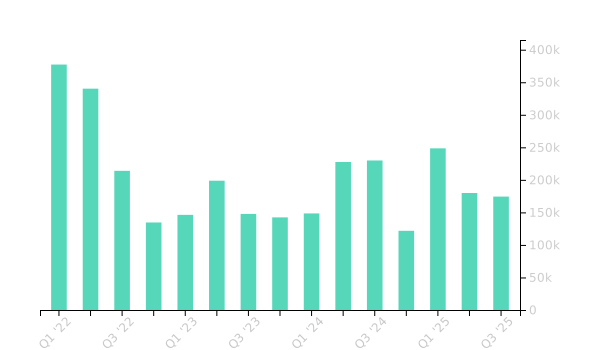
Erin Houchin recently disclosed $285.4K of fundraising in a Q2 FEC disclosure filed on July 15th, 2026. This was the 354th most from all Q2 reports we have seen this year. 13.3% came from individual donors.
Houchin disclosed $180.9K of spending. This was the 554th most from all Q2 reports we have seen from politicians so far this year.
Houchin disclosed $1.2M of cash on hand at the end of the filing period. This was the 357th most from all Q2 reports we have seen this year.
You can see the disclosure here, or track Erin Houchin's fundraising on Quiver Quantitative.
Erin Houchin Net Worth
Quiver Quantitative estimates that Erin Houchin is worth $1.6M, as of September 11th, 2026. This is the 292nd highest net worth in Congress, per our live estimates.
Houchin has approximately $0 invested in publicly traded assets which Quiver is able to track live.
You can track Erin Houchin's net worth on Quiver Quantitative's politician page for Houchin.
Erin Houchin Bill Proposals
Here are some bills which have recently been proposed by Erin Houchin:
- H.R.10337: To prohibit certain platforms from allowing covered users to create or maintain an account or profile on such platforms, and for other purposes.
- H.R.10207: GUARDIAN Act
- H.R.10113: New IDEA Act
- H.R.9908: Rural Hospital Cybersecurity Enhancement Act
- H.R.9469: Outcomes-Based Financing (OBF) for Students Act
- H.R.9247: ON TIME Act
You can track bills proposed by Erin Houchin on Quiver Quantitative's politician page for Houchin.
2026 Indiana's 9th Congressional District Election
There has been approximately $2,841,956 of spending in Indiana's 9th congressional district elections over the last two years, per our estimates.
The rating for this race is currently "Solid R".
You can track this election on our matchup page for the 2026 Indiana's 9th congressional district election.
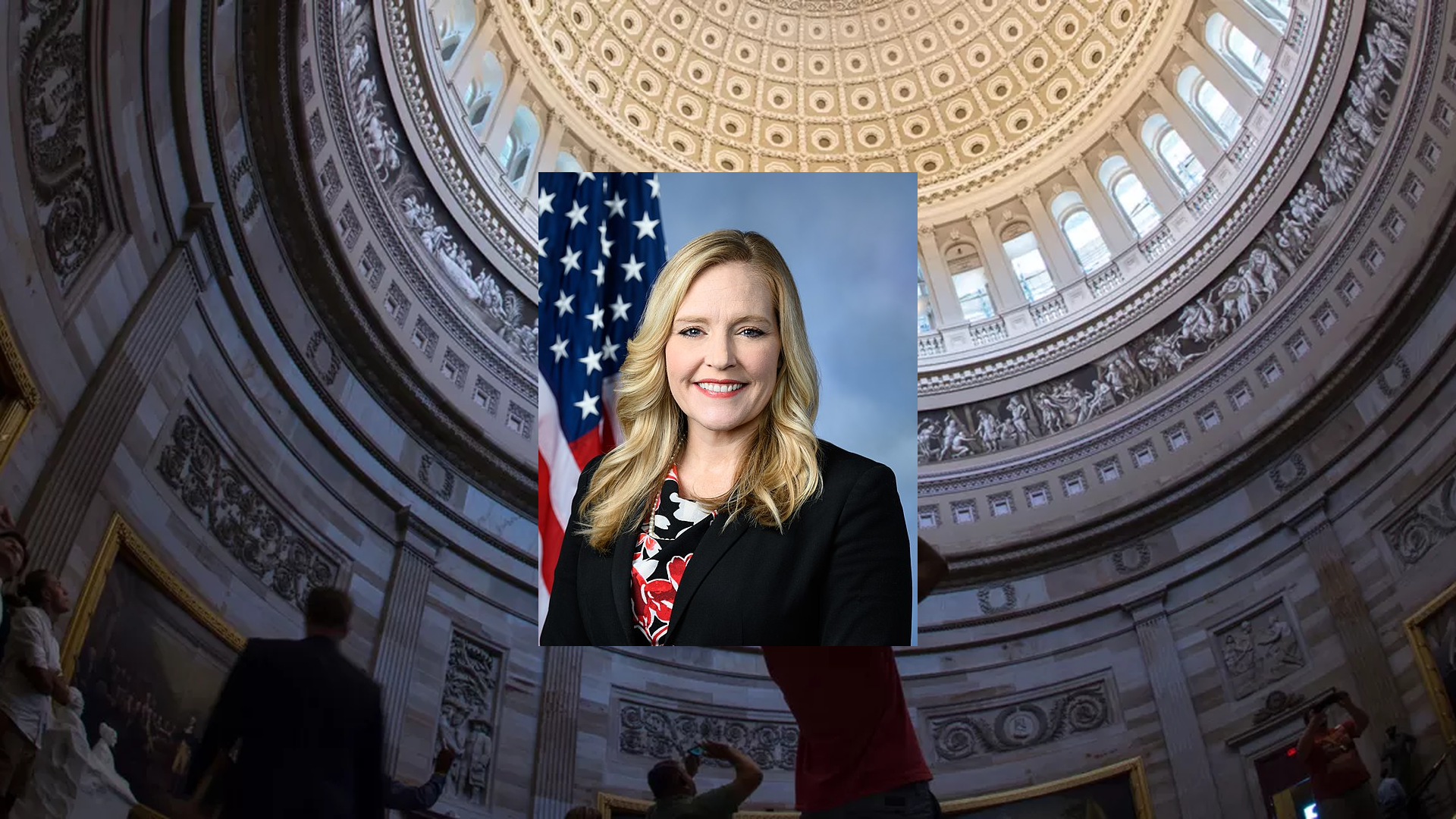
Grace Meng condemns a proposed citizenship question on the 2030 Census, arguing it would undermine representation and federal funding.
Quiver AI Summary
Grace Meng criticizes proposed census change: Rep. Grace Meng said the Trump administration’s latest effort to add a citizenship question to the 2030 Census would be “unconstitutional” and could make millions of people “invisible” in census data, including some lawfully present immigrants.
She says census counts affect representation and funding: In the statement, Meng said the census should count “every person living in our country” and argued that an inaccurate count could affect congressional representation, district boundaries, and federal funding for services such as health care, education, and infrastructure.
Background and next steps: Meng said she opposed a similar citizenship question effort in the past and has joined other lawmakers in objecting to the current proposal. She said she plans to keep opposing it as a senior Democrat on a House appropriations subcommittee.
Disclaimer: This is an AI-generated summary of a press release. The model used to summarize this release may make mistakes. See the full release here.
Check out the Quiver Quantitative API to build on top of data on congressional stock trading, insider transactions, hedge fund moves, and more.
Grace Meng Fundraising

Grace Meng recently disclosed $250.8K of fundraising in a Q2 FEC disclosure filed on July 15th, 2026. This was the 403rd most from all Q2 reports we have seen this year. 58.2% came from individual donors.
Meng disclosed $341.6K of spending. This was the 308th most from all Q2 reports we have seen from politicians so far this year.
Meng disclosed $1.0M of cash on hand at the end of the filing period. This was the 398th most from all Q2 reports we have seen this year.
You can see the disclosure here, or track Grace Meng's fundraising on Quiver Quantitative.
Grace Meng Net Worth
Quiver Quantitative estimates that Grace Meng is worth $3.2M, as of September 11th, 2026. This is the 225th highest net worth in Congress, per our live estimates.
Meng has approximately $264.1K invested in publicly traded assets which Quiver is able to track live.
You can track Grace Meng's net worth on Quiver Quantitative's politician page for Meng.
Grace Meng Bill Proposals
Here are some bills which have recently been proposed by Grace Meng:
- H.R.10129: Stamps for Staying Connected Act of 2026
- H.R.10057: Early Childhood Educator Professional Improvement Act of 2026
- H.R.9413: Military Family Limb Loss Support Act
- H.R.9359: Ending Stolen SNAP Benefits Act of 2026
- H.R.9066: Community-Based Approaches to Prevent and Address Hate Crimes Act of 2026
- H.R.8582: Protecting Human Rights and Public Health in Foreign Assistance Act
You can track bills proposed by Grace Meng on Quiver Quantitative's politician page for Meng.
2026 New York's 6th Congressional District Election
There has been approximately $3,127,739 of spending in New York's 6th congressional district elections over the last two years, per our estimates.
The rating for this race is currently "Solid D".
You can track this election on our matchup page for the 2026 New York's 6th congressional district election.
Rhode Island lawmakers seek records on FEMA’s denial of disaster aid after a severe 2026 blizzard.
Quiver AI Summary
Rhode Island delegation seeks FEMA records: Rhode Island’s congressional delegation said it has asked DHS and FEMA to preserve and turn over records tied to the state’s request for a major disaster declaration after the February 2026 blizzard. The lawmakers said they want a written explanation for why the request was denied.
Storm damage and dispute over aid: The release says the storm brought up to 37.9 inches of snow, strong winds, outages, injuries, two deaths, and more than $19 million in documented damages. The delegation cited FEMA thresholds for assistance and quoted officials arguing the storm was more than “routine” winter weather.
Disclaimer: This is an AI-generated summary of a press release. The model used to summarize this release may make mistakes. See the full release here.
Check out the Quiver Quantitative API to build on top of data on congressional stock trading, insider transactions, hedge fund moves, and more.
Gabe Amo Fundraising
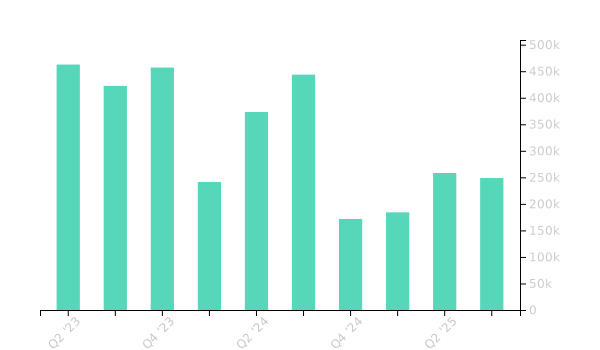
Gabe Amo recently disclosed $216.8K of fundraising in a Pre-Primary FEC disclosure filed on August 28th, 2026. This was the 196th most from all Pre-Primary reports we have seen this year. 64.7% came from individual donors.
Amo disclosed $100.9K of spending. This was the 644th most from all Pre-Primary reports we have seen from politicians so far this year.
Amo disclosed $1.9M of cash on hand at the end of the filing period. This was the 182nd most from all Pre-Primary reports we have seen this year.
You can see the disclosure here, or track Gabe Amo's fundraising on Quiver Quantitative.
Gabe Amo Net Worth
Quiver Quantitative estimates that Gabe Amo is worth $100.1K, as of September 11th, 2026. This is the 462nd highest net worth in Congress, per our live estimates.
Amo has approximately $27.1K invested in publicly traded assets which Quiver is able to track live.
You can track Gabe Amo's net worth on Quiver Quantitative's politician page for Amo.
Gabe Amo Bill Proposals
Here are some bills which have recently been proposed by Gabe Amo:
- H.R.8288: Strengthening Export Controls Compliance Act
- H.R.7896: NOAA Global Ocean Monitoring and Observing Research Act
- H.R.7307: SUPPLIES Act
- H.R.7089: PARK Act
- H.R.7088: NO NATO for Purchase Act
- H.R.6426: STOP Scams Against Seniors Act
You can track bills proposed by Gabe Amo on Quiver Quantitative's politician page for Amo.
2026 Rhode Island's 1st Congressional District Election
There has been approximately $2,204,590 of spending in Rhode Island's 1st congressional district elections over the last two years, per our estimates.
The rating for this race is currently "Solid D".
You can track this election on our matchup page for the 2026 Rhode Island's 1st congressional district election.
Congressman Dan Meuser proposes a pilot program to redirect unused HUD-VASH housing assistance to veterans where demand is highest.
Quiver AI Summary
Meuser introduces housing bill: Congressman Dan Meuser said he introduced H.R. 10168, the Veterans Housing Opportunity Act, to expand housing assistance for veterans experiencing or at risk of homelessness. The bill would create a five-year HUD pilot program.
Bill would redirect unused vouchers: According to the release, the proposal would let HUD identify unused HUD-VASH rental assistance and move it to areas with greater need. Meuser said the goal is to help more veterans access stable housing using existing federal resources.
Partnership cited: The release says Meuser worked with the Tunnel to Towers Foundation on the legislation. He said the measure would give HUD more flexibility to direct housing assistance and supportive services where veterans need them most.
Disclaimer: This is an AI-generated summary of a press release. The model used to summarize this release may make mistakes. See the full release here.
Check out the Quiver Quantitative API to build on top of data on congressional stock trading, insider transactions, hedge fund moves, and more.
Daniel Meuser Fundraising
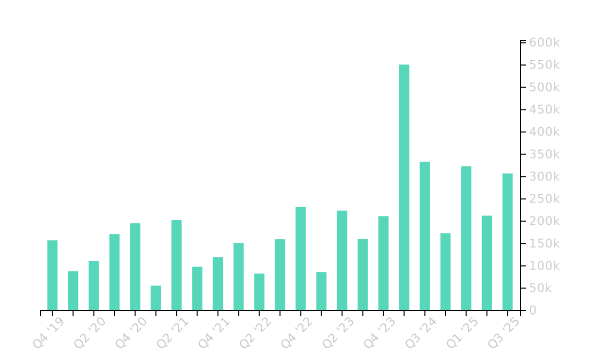
Daniel Meuser recently disclosed $217.0K of fundraising in a Q2 FEC disclosure filed on July 13th, 2026. This was the 455th most from all Q2 reports we have seen this year. 46.3% came from individual donors.
Meuser disclosed $202.8K of spending. This was the 501st most from all Q2 reports we have seen from politicians so far this year.
Meuser disclosed $170.7K of cash on hand at the end of the filing period. This was the 821st most from all Q2 reports we have seen this year.
You can see the disclosure here, or track Daniel Meuser's fundraising on Quiver Quantitative.
Daniel Meuser Net Worth
Quiver Quantitative estimates that Daniel Meuser is worth $64.5M, as of September 11th, 2026. This is the 25th highest net worth in Congress, per our live estimates.
Meuser has approximately $2.4M invested in publicly traded assets which Quiver is able to track live.
You can track Daniel Meuser's net worth on Quiver Quantitative's politician page for Meuser.
Daniel Meuser Bill Proposals
Here are some bills which have recently been proposed by Daniel Meuser:
- H.R.10168: Veterans Housing Opportunity Act
- H.R.8489: HUD Payment Integrity and Accountability Act of 2026
- H.R.8162: Regulatory Review Improvement Act of 2026
- H.R.8114: Endless Mountains National Heritage Area Act
- H.R.8088: Growing Deposit Insurance for the Future Act
- H.R.7837: Most Favored Patient Act of 2026
You can track bills proposed by Daniel Meuser on Quiver Quantitative's politician page for Meuser.
2026 Pennsylvania's 9th Congressional District Election
There has been approximately $3,196,230 of spending in Pennsylvania's 9th congressional district elections over the last two years, per our estimates.
The rating for this race is currently "Solid R".
You can track this election on our matchup page for the 2026 Pennsylvania's 9th congressional district election.

Friedman toured a Los Angeles WIC center, discussing federal funding concerns and promoting nutrition assistance for families.
Quiver AI Summary
Friedman visits WIC center: U.S. Rep. Laura Friedman toured the Van Ness WIC Center in Los Angeles, which serves pregnant, postpartum, and breastfeeding women, along with children under 5. She spoke with administrators about concerns over federal funding for the nutrition program.
Lawmaker highlights WIC funding: The release says Friedman discussed WIC’s role in serving more than 10,300 people in CA-30 and cited broader statewide participation. It also says she supports legislation to provide mandatory funding for WIC and to restore food-security funding.
Disclaimer: This is an AI-generated summary of a press release. The model used to summarize this release may make mistakes. See the full release here.
Check out the Quiver Quantitative API to build on top of data on congressional stock trading, insider transactions, hedge fund moves, and more.
Laura Friedman Fundraising
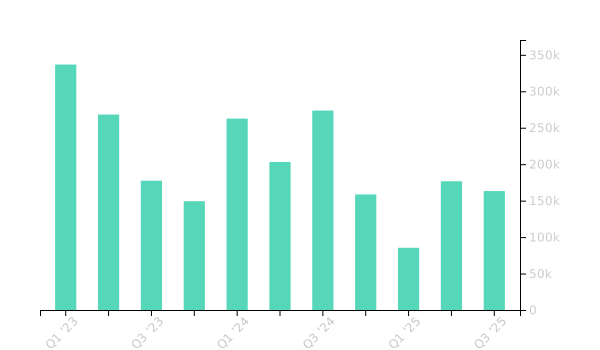
Laura Friedman recently disclosed $77.7K of fundraising in a Q2 FEC disclosure filed on July 15th, 2026. This was the 793rd most from all Q2 reports we have seen this year. 38.2% came from individual donors.
Friedman disclosed $44.5K of spending. This was the 1087th most from all Q2 reports we have seen from politicians so far this year.
Friedman disclosed $469.3K of cash on hand at the end of the filing period. This was the 582nd most from all Q2 reports we have seen this year.
You can see the disclosure here, or track Laura Friedman's fundraising on Quiver Quantitative.
Laura Friedman Net Worth
Quiver Quantitative estimates that Laura Friedman is worth $1.5M, as of September 11th, 2026. This is the 297th highest net worth in Congress, per our live estimates.
Friedman has approximately $507.1K invested in publicly traded assets which Quiver is able to track live.
You can track Laura Friedman's net worth on Quiver Quantitative's politician page for Friedman.
Laura Friedman Bill Proposals
Here are some bills which have recently been proposed by Laura Friedman:
- H.R.9348: Public Access Protection Act
- H.R.8217: Next Gen Road Safety Act
- H.R.7062: Build HUBS Act
- H.R.6298: Safe and Affordable Transit Act
- H.R.5085: To exempt Federal actions related to the construction of infill housing from the requirements of the National Environmental Policy Act of 1969, and for other purposes.
- H.R.4796: Restoring Essential Healthcare Act
You can track bills proposed by Laura Friedman on Quiver Quantitative's politician page for Friedman.
2026 California's 30th Congressional District Election
There has been approximately $1,730,669 of spending in California's 30th congressional district elections over the last two years, per our estimates.
Approximately $23,522 of this has been from outside spending by PACs and Super PACs. Some of the groups who are spending money in this race include:
- CONSERVLA ($15,220)
- AMERICAN INDEPENDENT PARTY OF CALIFORNIA ($7,909)
The rating for this race is currently "Solid D".
You can track this election on our matchup page for the 2026 California's 30th congressional district election.
Tenney and six Republicans urge HHS and CMS to incentivize hospitals and clinics to buy American-made medicines.
Quiver AI Summary
Tenney urges Medicare incentives for U.S.-made medicines: Congresswoman Claudia Tenney said she sent a letter to HHS Secretary Robert F. Kennedy Jr. and CMS Administrator Dr. Mehmet Oz with recommendations for a Medicare payment incentive for hospitals and clinics that use “American-made essential medicines.”
Proposal highlights: The letter, signed with six Republican colleagues, calls for predictable payments tied to use of qualifying U.S.-made medicines, a CMS “Essential Medicines List,” and recognition of both finished drugs made in the U.S. and domestically produced active ingredients.
Stated goals: Tenney said the approach would help “strengthen domestic production,” support manufacturers, and reduce reliance on foreign supply chains. She said she looks forward to working with the Trump administration on the issue.
Disclaimer: This is an AI-generated summary of a press release. The model used to summarize this release may make mistakes. See the full release here.
Check out the Quiver Quantitative API to build on top of data on congressional stock trading, insider transactions, hedge fund moves, and more.
Claudia Tenney Fundraising
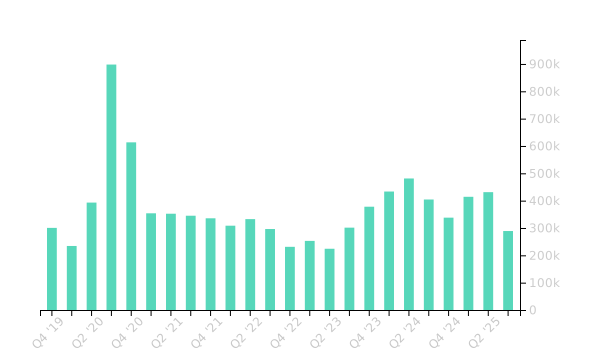
Claudia Tenney recently disclosed $279.5K of fundraising in a Q2 FEC disclosure filed on July 15th, 2026. This was the 364th most from all Q2 reports we have seen this year. 26.7% came from individual donors.
Tenney disclosed $80.1K of spending. This was the 896th most from all Q2 reports we have seen from politicians so far this year.
Tenney disclosed $1.4M of cash on hand at the end of the filing period. This was the 321st most from all Q2 reports we have seen this year.
You can see the disclosure here, or track Claudia Tenney's fundraising on Quiver Quantitative.
Claudia Tenney Net Worth
Quiver Quantitative estimates that Claudia Tenney is worth $1.3M, as of September 11th, 2026. This is the 306th highest net worth in Congress, per our live estimates.
Tenney has approximately $70.6K invested in publicly traded assets which Quiver is able to track live.
You can track Claudia Tenney's net worth on Quiver Quantitative's politician page for Tenney.
Claudia Tenney Bill Proposals
Here are some bills which have recently been proposed by Claudia Tenney:
- H.R.10039: SMART Savings Act of 2026
- H.R.9938: SCREEN Act
- H.R.9660: No Hostile ONLOOKERS Act
- H.R.9641: Essential Caregivers Act of 2026
- H.R.9601: CANADA Act
- H.R.9496: End Tax Penalties on American Hostages Act
You can track bills proposed by Claudia Tenney on Quiver Quantitative's politician page for Tenney.
2026 New York's 24th Congressional District Election
There has been approximately $4,123,856 of spending in New York's 24th congressional district elections over the last two years, per our estimates.
The rating for this race is currently "Solid R".
You can track this election on our matchup page for the 2026 New York's 24th congressional district election.
Moolenaar proposes a resolution designating September 11–17 as Patriot Week to honor 9/11 victims and constitutional values.
Quiver AI Summary
Moolenaar proposes Patriot Week resolution: Congressman John Moolenaar said he introduced legislation to designate September 11 through 17 as “Patriot Week.” The proposal is described as a way to honor 9/11 victims, mark the Constitution’s ratification, and encourage reflection on U.S. history and freedoms.
Support and background: The release says the resolution is cosponsored by Reps. Claudia Tenney, Jeff Van Drew, and Zach Nunn. It also notes that Patriot Week was founded in 2009 by Judge Michael Warren and his daughter Leah to promote public awareness of the nation’s founding.
Disclaimer: This is an AI-generated summary of a press release. The model used to summarize this release may make mistakes. See the full release here.
Check out the Quiver Quantitative API to build on top of data on congressional stock trading, insider transactions, hedge fund moves, and more.
John R. Moolenaar Fundraising

John R. Moolenaar recently disclosed $3.2K of fundraising in a Pre-Primary FEC disclosure filed on July 22nd, 2026. This was the 1427th most from all Pre-Primary reports we have seen this year. 23.0% came from individual donors.
Moolenaar disclosed $26.0K of spending. This was the 1068th most from all Pre-Primary reports we have seen from politicians so far this year.
Moolenaar disclosed $1.9M of cash on hand at the end of the filing period. This was the 173rd most from all Pre-Primary reports we have seen this year.
You can see the disclosure here, or track John R. Moolenaar's fundraising on Quiver Quantitative.
John R. Moolenaar Net Worth
Quiver Quantitative estimates that John R. Moolenaar is worth $711.5K, as of September 11th, 2026. This is the 375th highest net worth in Congress, per our live estimates.
Moolenaar has approximately $0 invested in publicly traded assets which Quiver is able to track live.
You can track John R. Moolenaar's net worth on Quiver Quantitative's politician page for Moolenaar.
John R. Moolenaar Bill Proposals
Here are some bills which have recently been proposed by John R. Moolenaar:
- H.R.9789: Stop PRC Economic Espionage Act of 2026
- H.R.9711: Autocycle Safety Act
- H.R.9642: Medicare Access to Rural Anesthesiology Act
- H.R.9561: Shandra Eisenga TB Study Act of 2026
- H.R.9249: No PLA Employees Act of 2026
- H.R.9227: Magnets Value Chain Support Act of 2026
You can track bills proposed by John R. Moolenaar on Quiver Quantitative's politician page for Moolenaar.
2026 Michigan's 2nd Congressional District Election
There has been approximately $2,177,025 of spending in Michigan's 2nd congressional district elections over the last two years, per our estimates.
The rating for this race is currently "Solid R".
You can track this election on our matchup page for the 2026 Michigan's 2nd congressional district election.
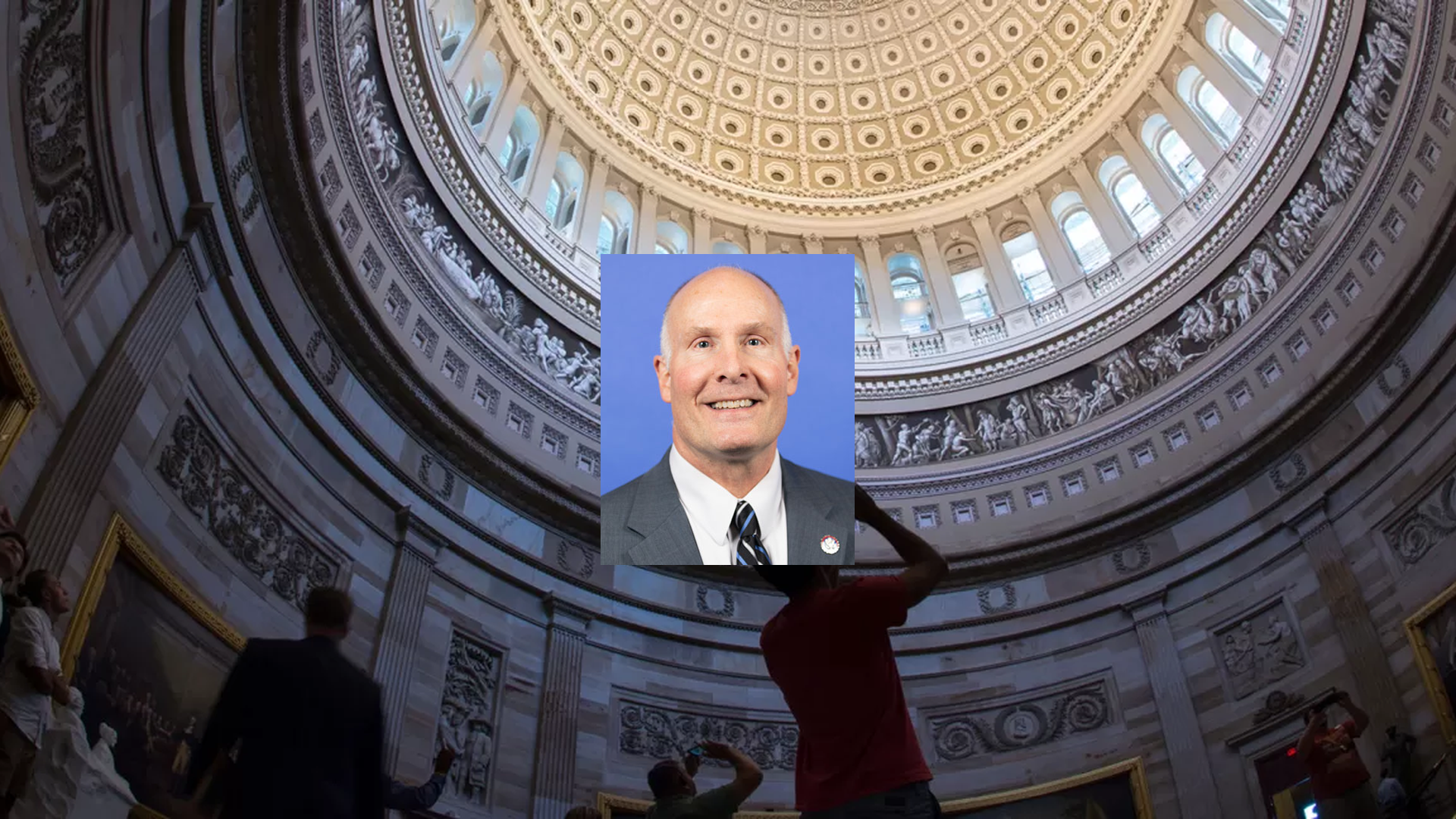
Houlahan proposes federal action to expand housing supply, ease regulations, and prioritize affordable home construction.
Quiver AI Summary
Houlahan introduces housing bill: Rep. Chrissy Houlahan said she has introduced the National Housing Emergency Act, a bill that would declare a national housing emergency and aim to build or restore four million homes. Sen. Elissa Slotkin is leading the measure in the Senate.
Bill details: The proposal would keep the emergency in place until four million homes are built or rehabilitated, or until Oct. 31, 2031. It would also use the Defense Production Act to increase domestic production of materials such as lumber, steel and manufactured housing, and would ease some federal rules.
Supporters cited: The release says the bill would reward communities that add housing and hold accountable those that do not. It also says the National Housing Conference, National Leased Housing Association and National Housing & Rehabilitation Association endorse the legislation.
Disclaimer: This is an AI-generated summary of a press release. The model used to summarize this release may make mistakes. See the full release here.
Check out the Quiver Quantitative API to build on top of data on congressional stock trading, insider transactions, hedge fund moves, and more.
Chrissy Houlahan Fundraising
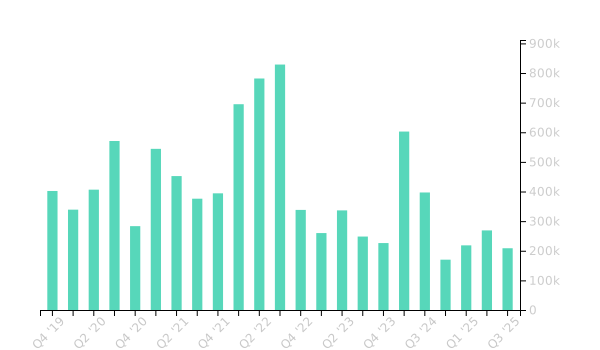
Chrissy Houlahan recently disclosed $264.9K of fundraising in a Q2 FEC disclosure filed on July 15th, 2026. This was the 384th most from all Q2 reports we have seen this year. 44.9% came from individual donors.
Houlahan disclosed $232.1K of spending. This was the 450th most from all Q2 reports we have seen from politicians so far this year.
Houlahan disclosed $4.0M of cash on hand at the end of the filing period. This was the 87th most from all Q2 reports we have seen this year.
You can see the disclosure here, or track Chrissy Houlahan's fundraising on Quiver Quantitative.
Chrissy Houlahan Net Worth
Quiver Quantitative estimates that Chrissy Houlahan is worth $2.9M, as of September 11th, 2026. This is the 235th highest net worth in Congress, per our live estimates.
Houlahan has approximately $0 invested in publicly traded assets which Quiver is able to track live.
You can track Chrissy Houlahan's net worth on Quiver Quantitative's politician page for Houlahan.
Chrissy Houlahan Bill Proposals
Here are some bills which have recently been proposed by Chrissy Houlahan:
- H.R.10316: National Housing Emergency Act of 2026
- H.R.8792: Multigenerational Caregiving Data Act
- H.R.8751: Servicemember Civilian Transition Support Act
- H.R.8545: Access to Donor Milk Act of 2026
- H.R.8175: To amend title 10, United States Code, and the National Defense Authorization Act for Fiscal Year 1994, to codify and clarify gender neutral standards for members of certain Armed Forces, and for other purposes.
- H.R.8050: Preventing Future Vintage Plastic Pipeline Tragedies Act
You can track bills proposed by Chrissy Houlahan on Quiver Quantitative's politician page for Houlahan.
2026 Pennsylvania's 6th Congressional District Election
There has been approximately $2,933,333 of spending in Pennsylvania's 6th congressional district elections over the last two years, per our estimates.
The rating for this race is currently "Solid D".
You can track this election on our matchup page for the 2026 Pennsylvania's 6th congressional district election.
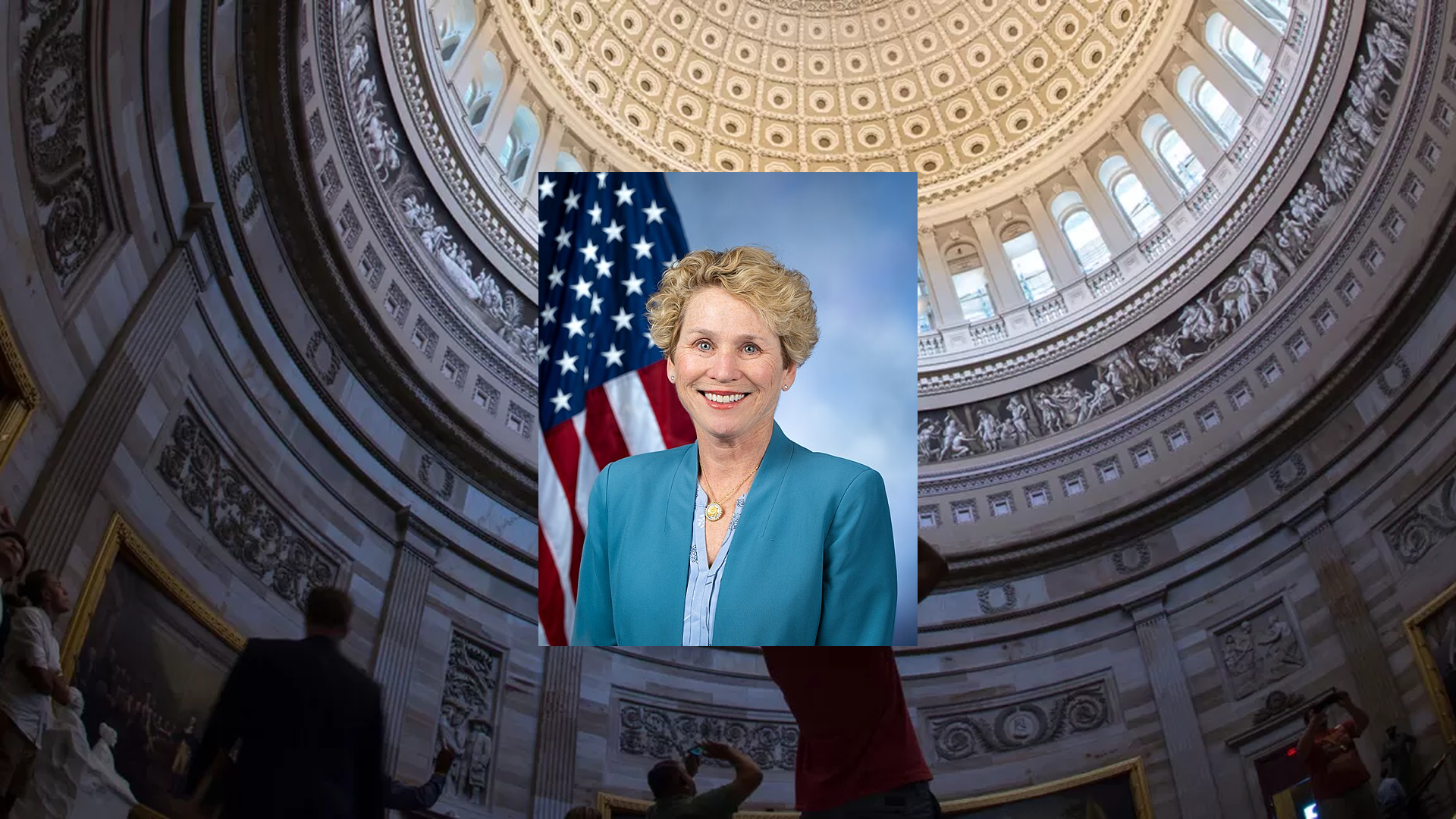
Bipartisan lawmakers warn about U.S. debt surpassing $40 trillion and urge fiscal reform through a commission.
Quiver AI Summary
Lawmakers respond to debt milestone: U.S. Reps. Bill Huizenga and Scott Peters, co-chairs of the Bipartisan Fiscal Forum, issued statements after the gross national debt passed $40 trillion. They said rising debt and interest costs highlight the need for bipartisan action and a fiscal commission.
Members call for spending changes: Other members of the forum said the debt could affect borrowing costs, inflation, national security and federal programs, and urged Congress to consider measures such as a Fiscal Commission Act and other budget-related proposals. The group said it does not endorse legislation but supports efforts to improve the fiscal outlook.
Disclaimer: This is an AI-generated summary of a press release. The model used to summarize this release may make mistakes. See the full release here.
Check out the Quiver Quantitative API to build on top of data on congressional stock trading, insider transactions, hedge fund moves, and more.
Bill Huizenga Fundraising
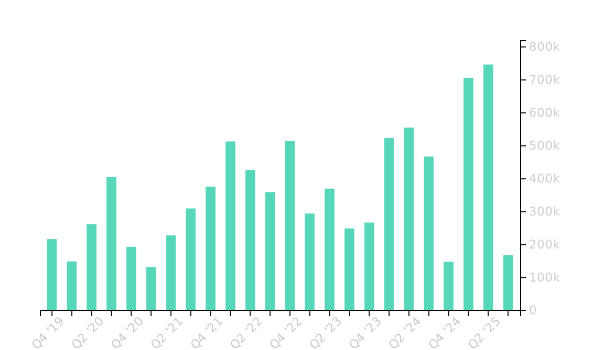
Bill Huizenga recently disclosed $90.2K of fundraising in a Pre-Primary FEC disclosure filed on July 23rd, 2026. This was the 445th most from all Pre-Primary reports we have seen this year. 45.7% came from individual donors.
Huizenga disclosed $427.5K of spending. This was the 221st most from all Pre-Primary reports we have seen from politicians so far this year.
Huizenga disclosed $2.3M of cash on hand at the end of the filing period. This was the 143rd most from all Pre-Primary reports we have seen this year.
You can see the disclosure here, or track Bill Huizenga's fundraising on Quiver Quantitative.
Bill Huizenga Net Worth
Quiver Quantitative estimates that Bill Huizenga is worth $2.2M, as of September 11th, 2026. This is the 260th highest net worth in Congress, per our live estimates.
Huizenga has approximately $20.7K invested in publicly traded assets which Quiver is able to track live.
You can track Bill Huizenga's net worth on Quiver Quantitative's politician page for Huizenga.
Bill Huizenga Bill Proposals
Here are some bills which have recently been proposed by Bill Huizenga:
- H.R.9517: UNLOCK AUKUS Act
- H.R.9097: American Manufacturing Revitalization Exchange Program Act of 2026
- H.R.9096: Deport the Terrorists Act of 2026
- H.R.8793: Veterans Suicide Prevention and Care Enhancement Act of 2026
- H.R.8398: Guidelines for Use, Access, and Responsible Disclosure of Financial Data Act
- H.R.8283: Deterring American AI Model Theft Act of 2026
You can track bills proposed by Bill Huizenga on Quiver Quantitative's politician page for Huizenga.
2026 Michigan's 4th Congressional District Election
There has been approximately $10,967,075 of spending in Michigan's 4th congressional district elections over the last two years, per our estimates.
Approximately $2,131,688 of this has been from outside spending by PACs and Super PACs. Some of the groups who are spending money in this race include:
- LCV VICTORY FUND ($990,134)
- DEFEND AMERICAN JOBS ($726,702)
- YOUR COMMUNITY PAC ($177,383)
- SOMOS PAC ($123,984)
- PLANNED PARENTHOOD VOTES ($62,913)
The rating for this race is currently "Lean R".
You can track this election on our matchup page for the 2026 Michigan's 4th congressional district election.
Ansari says a surprise ICE visit revealed alleged detention concerns and calls for stricter oversight.
Quiver AI Summary
Ansari visits ICE Phoenix office: Rep. Yassamin Ansari said she made an unannounced oversight visit to the ICE Phoenix Field Office, describing it as her 13th visit to a detention facility. She said the visit was prompted by recent reporting on conditions at the site.
Concerns cited in release: The release says ICE called 911 multiple times for detainees between December 2025 and March 2026, and notes claims about limited food, showers, medical services, and long holding times. Ansari said she would continue oversight and urged other lawmakers to do the same.
Disclaimer: This is an AI-generated summary of a press release. The model used to summarize this release may make mistakes. See the full release here.
Check out the Quiver Quantitative API to build on top of data on congressional stock trading, insider transactions, hedge fund moves, and more.
Yassamin Ansari Fundraising
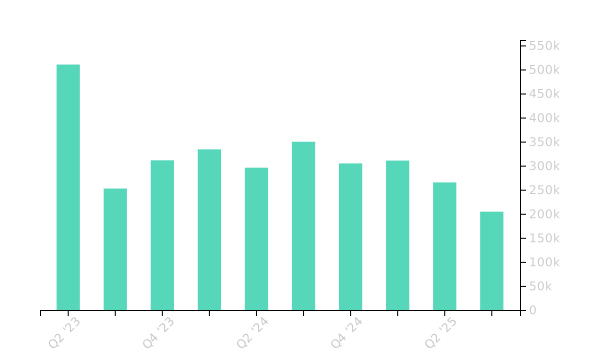
Yassamin Ansari recently disclosed $202.3K of fundraising in a Pre-Primary FEC disclosure filed on July 9th, 2026. This was the 217th most from all Pre-Primary reports we have seen this year. 90.6% came from individual donors.
Ansari disclosed $197.1K of spending. This was the 435th most from all Pre-Primary reports we have seen from politicians so far this year.
Ansari disclosed $549.7K of cash on hand at the end of the filing period. This was the 435th most from all Pre-Primary reports we have seen this year.
You can see the disclosure here, or track Yassamin Ansari's fundraising on Quiver Quantitative.
Yassamin Ansari Net Worth
Quiver Quantitative estimates that Yassamin Ansari is worth $4.3M, as of September 11th, 2026. This is the 188th highest net worth in Congress, per our live estimates.
Ansari has approximately $0 invested in publicly traded assets which Quiver is able to track live.
You can track Yassamin Ansari's net worth on Quiver Quantitative's politician page for Ansari.
Yassamin Ansari Bill Proposals
Here are some bills which have recently been proposed by Yassamin Ansari:
- H.R.8740: Iranian Temporary Immigration Relief Act
- H.R.8160: Premenstrual Dysphoric Disorder Awareness and Research Act of 2026
- H.R.8159: Gynecologic Pain Management Study Act
- H.R.8158: Reproductive Healthcare Leave Act
- H.R.7483: Dual Hatting Limitation Act of 2026
- H.R.7347: Stop Inhumane Conditions in ICE Detention Act of 2026
You can track bills proposed by Yassamin Ansari on Quiver Quantitative's politician page for Ansari.
2026 Arizona's 3rd Congressional District Election
There has been approximately $2,763,157 of spending in Arizona's 3rd congressional district elections over the last two years, per our estimates.
Approximately $28,403 of this has been from outside spending by PACs and Super PACs. Some of the groups who are spending money in this race include:
- WORKING FAMILIES PARTY PAC ($11,354)
- WESTERN STATES REGIONAL COUNCIL OF CARPENTERS LEGISLATIVE IMPROVEMENT CMTE UNITED BROTHERHOOD OF CARPENTERS & JOINERS OF AMERICA ($8,607)
- REPRODUCTIVE FREEDOM FOR ALL FREEDOM FUND ($4,565)
- DMFI PAC ($3,216)
The rating for this race is currently "Solid D".
You can track this election on our matchup page for the 2026 Arizona's 3rd congressional district election.
Congressman Murphy urges CMS to let Medicare Advantage plans offer healthy food benefits for seniors with chronic conditions.
Quiver AI Summary
Murphy urges CMS on healthy food benefits: Congressman Greg Murphy said he led seven colleagues in asking Centers for Medicare & Medicaid Services Administrator Mehmet Oz to issue guidance letting Medicare Advantage plans offer healthy food as a supplemental benefit for seniors with chronic conditions.
Background and rationale: The letter says Medicare Advantage plans can already offer some supplemental benefits, but healthy food access is generally limited to beneficiaries who meet certain health and hospitalization-risk criteria. The lawmakers asked CMS to broaden access, saying it could help manage chronic disease and lower costs.
Disclaimer: This is an AI-generated summary of a press release. The model used to summarize this release may make mistakes. See the full release here.
Check out the Quiver Quantitative API to build on top of data on congressional stock trading, insider transactions, hedge fund moves, and more.
Gregory F. Murphy Fundraising
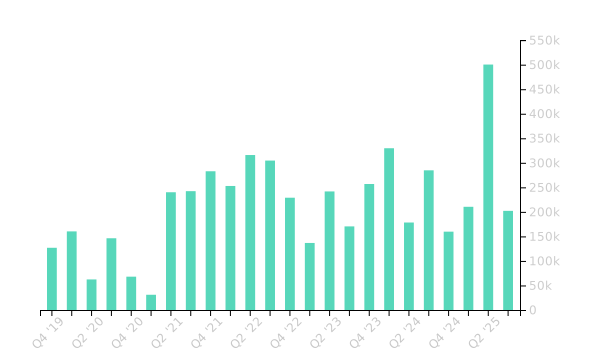
Gregory F. Murphy recently disclosed $331.5K of fundraising in a Q2 FEC disclosure filed on July 15th, 2026. This was the 307th most from all Q2 reports we have seen this year. 53.3% came from individual donors.
Murphy disclosed $339.8K of spending. This was the 312th most from all Q2 reports we have seen from politicians so far this year.
Murphy disclosed $2.7M of cash on hand at the end of the filing period. This was the 159th most from all Q2 reports we have seen this year.
You can see the disclosure here, or track Gregory F. Murphy's fundraising on Quiver Quantitative.
Gregory F. Murphy Net Worth
Quiver Quantitative estimates that Gregory F. Murphy is worth $18.3M, as of September 11th, 2026. This is the 72nd highest net worth in Congress, per our live estimates.
Murphy has approximately $11.0M invested in publicly traded assets which Quiver is able to track live.
You can track Gregory F. Murphy's net worth on Quiver Quantitative's politician page for Murphy.
Gregory F. Murphy Bill Proposals
Here are some bills which have recently been proposed by Gregory F. Murphy:
- H.R.9862: Responsible Artificial Intelligence for Veterans Act of 2026
- H.R.9524: Veterans Care and Cost Coordination Act of 2026
- H.R.9504: Tax Exempt Hospital Transparency Act
- H.R.8553: POPCaP Authorization Act of 2026
- H.R.8344: Senior Citizens’ Freedom to Work Act of 2026
- H.R.8270: Every Dollar Counts Act of 2026
You can track bills proposed by Gregory F. Murphy on Quiver Quantitative's politician page for Murphy.
2026 North Carolina's 3rd Congressional District Election
There has been approximately $3,731,929 of spending in North Carolina's 3rd congressional district elections over the last two years, per our estimates.
Approximately $333,202 of this has been from outside spending by PACs and Super PACs. Some of the groups who are spending money in this race include:
- AB PAC ($326,560)
- ADVANCE NORTH CAROLINA ($6,642)
The rating for this race is currently "Solid R".
You can track this election on our matchup page for the 2026 North Carolina's 3rd congressional district election.

Pennsylvania lawmakers urge ICE to improve transparency and public reporting on local law enforcement involvement in 287(g) arrests.
Quiver AI Summary
Deluzio-led letter to ICE: Congressman Chris Deluzio and three other Pennsylvania House members said they sent a letter to the acting ICE director about what they described as gaps in public data on 287(g) immigration enforcement partnerships. They asked for more complete records, including participating agencies, training, complaints and oversight files.
Members cite reporting gap: The letter says that, in federal records from Jan. 1 to Aug. 6, 2026, only 12 of 1,227 Pennsylvania 287(g) arrest records named the task force designation agency involved. The lawmakers said more transparency is needed so the public can see which local agencies are participating.
Broader oversight efforts: The release also says Deluzio has recently visited an ICE facility in Pennsylvania, introduced an oversight bill, and joined other letters seeking answers about conditions and staffing at the Moshannon Valley Processing Center.
Disclaimer: This is an AI-generated summary of a press release. The model used to summarize this release may make mistakes. See the full release here.
Check out the Quiver Quantitative API to build on top of data on congressional stock trading, insider transactions, hedge fund moves, and more.
Christopher R. Deluzio Fundraising
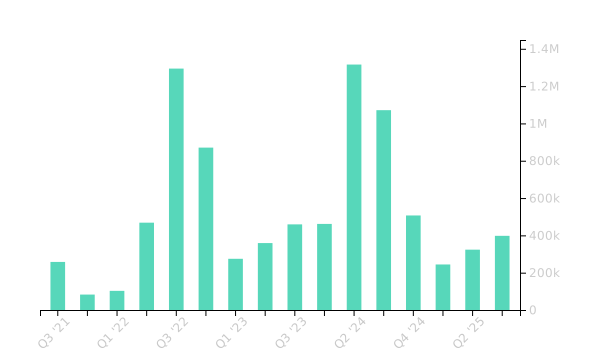
Christopher R. Deluzio recently disclosed $418.0K of fundraising in a Q2 FEC disclosure filed on July 15th, 2026. This was the 230th most from all Q2 reports we have seen this year. 80.5% came from individual donors.
Deluzio disclosed $270.8K of spending. This was the 393rd most from all Q2 reports we have seen from politicians so far this year.
Deluzio disclosed $1.1M of cash on hand at the end of the filing period. This was the 385th most from all Q2 reports we have seen this year.
You can see the disclosure here, or track Christopher R. Deluzio's fundraising on Quiver Quantitative.
Christopher R. Deluzio Net Worth
Quiver Quantitative estimates that Christopher R. Deluzio is worth $5.0M, as of September 11th, 2026. This is the 169th highest net worth in Congress, per our live estimates.
Deluzio has approximately $3.3M invested in publicly traded assets which Quiver is able to track live.
You can track Christopher R. Deluzio's net worth on Quiver Quantitative's politician page for Deluzio.
Christopher R. Deluzio Bill Proposals
Here are some bills which have recently been proposed by Christopher R. Deluzio:
- H.R.10151: Water Authority Cybersecurity Protection Act
- H.R.10111: Oversight Access Act
- H.R.9955: Pathway to Trades Act
- H.R.9954: Build America Fund Act
- H.R.9402: Stop Spying Bosses Act
- H.R.9091: Defense Industrial Base Advanced Manufacturing Enhancement Act
You can track bills proposed by Christopher R. Deluzio on Quiver Quantitative's politician page for Deluzio.
2026 Pennsylvania's 17th Congressional District Election
There has been approximately $7,006,160 of spending in Pennsylvania's 17th congressional district elections over the last two years, per our estimates.
Approximately $2,008,505 of this has been from outside spending by PACs and Super PACs. Some of the groups who are spending money in this race include:
- AMERICANS FOR PROSPERITY ACTION, INC. (AFP ACTION) DBA CVA ACTION AND DBA LIBRE ACTION ($581,631)
- HMP ($480,000)
- VOTEVETS ($466,097)
- WITH HONOR FUND II, INC. ($136,446)
- SPECIAL OPERATIONS FOR AMERICA ($87,240)
The rating for this race is currently "Solid D".
You can track this election on our matchup page for the 2026 Pennsylvania's 17th congressional district election.

Hamadeh condemns Houthi seizure of a Red Sea port, urging action against Iran-backed attacks and support for regional allies.
Quiver AI Summary
Hamadeh criticizes Houthi seizure: Congressman Abraham Hamadeh said the Iran-backed Houthis' seizure of the Red Sea port of Mocha was a threat to regional security, freedom of navigation and the global economy. He called for “swift action” and “decisive consequences.”
Background and policy references: The release says Hamadeh, a former Army intelligence officer, drew on his Middle East service and cited earlier Houthi attacks in Saudi Arabia. It also notes he introduced a sanctions bill in February 2025 and later co-sponsored the PEACE Act on Abraham Accords training at the State Department.
Disclaimer: This is an AI-generated summary of a press release. The model used to summarize this release may make mistakes. See the full release here.
Check out the Quiver Quantitative API to build on top of data on congressional stock trading, insider transactions, hedge fund moves, and more.
Abraham Hamadeh Fundraising

Abraham Hamadeh recently disclosed $176.7K of fundraising in a Pre-Primary FEC disclosure filed on July 9th, 2026. This was the 246th most from all Pre-Primary reports we have seen this year. 74.0% came from individual donors.
Hamadeh disclosed $195.8K of spending. This was the 437th most from all Pre-Primary reports we have seen from politicians so far this year.
Hamadeh disclosed $384.2K of cash on hand at the end of the filing period. This was the 517th most from all Pre-Primary reports we have seen this year.
You can see the disclosure here, or track Abraham Hamadeh's fundraising on Quiver Quantitative.
Abraham Hamadeh Net Worth
Quiver Quantitative estimates that Abraham Hamadeh is worth $774.0K, as of September 11th, 2026. This is the 367th highest net worth in Congress, per our live estimates.
Hamadeh has approximately $0 invested in publicly traded assets which Quiver is able to track live.
You can track Abraham Hamadeh's net worth on Quiver Quantitative's politician page for Hamadeh.
Abraham Hamadeh Bill Proposals
Here are some bills which have recently been proposed by Abraham Hamadeh:
- H.R.10155: To amend title 10, United States Code, to include certain prior active duty as a regular member of an Armed Force for reduced eligibility age for retirement as a member of the reserve components.
- H.R.10091: Mueller-Keating Memorial Highway Act
- H.R.9780: BRRRRT Act of 2026
- H.R.9547: Veterans and Servicemembers PTSD Emerging Treatment Review Act of 2026
- H.R.9465: Combat Pay Protection Act
- H.R.9242: No American Left Behind Act
You can track bills proposed by Abraham Hamadeh on Quiver Quantitative's politician page for Hamadeh.
2026 Arizona's 8th Congressional District Election
There has been approximately $2,588,705 of spending in Arizona's 8th congressional district elections over the last two years, per our estimates.
The rating for this race is currently "Solid R".
You can track this election on our matchup page for the 2026 Arizona's 8th congressional district election.
Panetta and nearly 100 lawmakers urge USPS to suspend a new mail-ballot rule, citing election concerns and legal questions.
Quiver AI Summary
Lawmakers oppose USPS mail-ballot rule: Rep. Jimmy Panetta joined nearly 100 members of Congress in a letter asking Postmaster General David Steiner to stop a new USPS rule tied to President Trump’s executive order on mail ballots. The lawmakers said it could create uncertainty for elections and place new duties on postal workers.
Concerns raised about timing and implementation: The letter says USPS has long delivered election mail successfully and cites low rates of mail-voting fraud. It also questions whether USPS followed court orders and asks for details on costs, coordination with the White House and state officials, staffing, and how the rule would affect ballots already being prepared by states.
Disclaimer: This is an AI-generated summary of a press release. The model used to summarize this release may make mistakes. See the full release here.
Check out the Quiver Quantitative API to build on top of data on congressional stock trading, insider transactions, hedge fund moves, and more.
Jimmy Panetta Fundraising
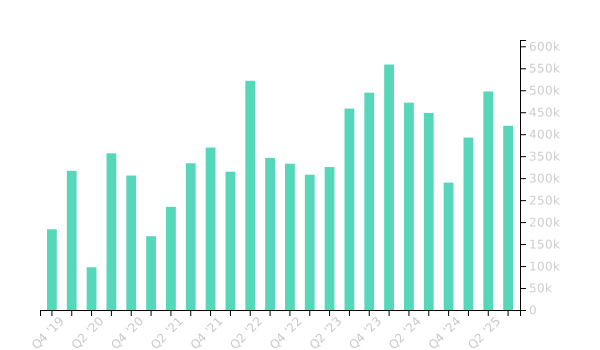
Jimmy Panetta recently disclosed $442.3K of fundraising in a Q2 FEC disclosure filed on July 15th, 2026. This was the 210th most from all Q2 reports we have seen this year. 50.8% came from individual donors.
Panetta disclosed $187.8K of spending. This was the 538th most from all Q2 reports we have seen from politicians so far this year.
Panetta disclosed $5.1M of cash on hand at the end of the filing period. This was the 60th most from all Q2 reports we have seen this year.
You can see the disclosure here, or track Jimmy Panetta's fundraising on Quiver Quantitative.
Jimmy Panetta Net Worth
Quiver Quantitative estimates that Jimmy Panetta is worth $540.0K, as of September 11th, 2026. This is the 399th highest net worth in Congress, per our live estimates.
Panetta has approximately $0 invested in publicly traded assets which Quiver is able to track live.
You can track Jimmy Panetta's net worth on Quiver Quantitative's politician page for Panetta.
Jimmy Panetta Bill Proposals
Here are some bills which have recently been proposed by Jimmy Panetta:
- H.R.10195: Mali Security Partnership and Counterterrorism Act
- H.R.9927: Farmers Lifeline to Overcoming Disasters (FLOOD) Act
- H.R.9444: Support our Firefighters Act
- H.R.9322: Abraham Accords Defense Cooperation Act of 2026
- H.R.8735: American Sovereignty and Monterey Historic Military Site Study Act
- H.R.8706: Better Energy Storage and Safety Act
You can track bills proposed by Jimmy Panetta on Quiver Quantitative's politician page for Panetta.
2026 California's 19th Congressional District Election
There has been approximately $4,458,974 of spending in California's 19th congressional district elections over the last two years, per our estimates.
Approximately $601,421 of this has been from outside spending by PACs and Super PACs. Some of the groups who are spending money in this race include:
- THINK BIG ($599,280)
- MONTEREY COUNTY DEMOCRATIC CENTRAL COMMITTEE ($1,458)
The rating for this race is currently "Solid D".
You can track this election on our matchup page for the 2026 California's 19th congressional district election.
Gabe Evans announces a bipartisan bill to shift data-center energy costs away from households and businesses.
Quiver AI Summary
House vote scheduled: Gabe Evans’ bipartisan “Ratepayer Protection Act” is set for a House vote next week, according to the release. The bill is described as one of the final measures the House will consider before the midterm elections.
Bill’s stated aim: The proposal says state utility regulators should require large data centers and other big power users to cover the costs of added generation, transmission, and grid upgrades, rather than shifting those costs to households and small businesses.
Support and context: The release says the measure has 41 House cosponsors and passed the Energy and Commerce Committee unanimously, 52-0, in July. It also says the bill aligns with President Trump’s “Ratepayer Protection Pledge.”
Disclaimer: This is an AI-generated summary of a press release. The model used to summarize this release may make mistakes. See the full release here.
Check out the Quiver Quantitative API to build on top of data on congressional stock trading, insider transactions, hedge fund moves, and more.
Gabe Evans Fundraising
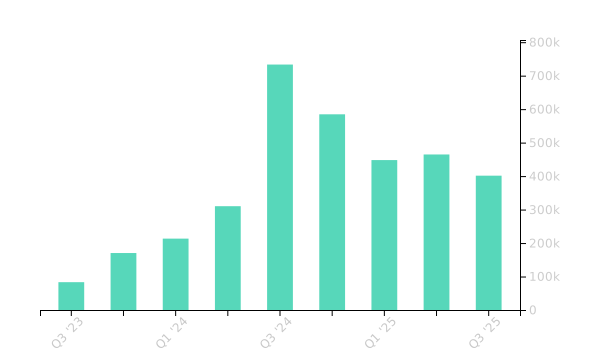
Gabe Evans recently disclosed $280.4K of fundraising in a Q2 FEC disclosure filed on July 15th, 2026. This was the 362nd most from all Q2 reports we have seen this year. 60.8% came from individual donors.
Evans disclosed $39.8K of spending. This was the 1130th most from all Q2 reports we have seen from politicians so far this year.
Evans disclosed $3.9M of cash on hand at the end of the filing period. This was the 92nd most from all Q2 reports we have seen this year.
You can see the disclosure here, or track Gabe Evans's fundraising on Quiver Quantitative.
Gabe Evans Net Worth
Quiver Quantitative estimates that Gabe Evans is worth $679.0K, as of September 11th, 2026. This is the 379th highest net worth in Congress, per our live estimates.
Evans has approximately $0 invested in publicly traded assets which Quiver is able to track live.
You can track Gabe Evans's net worth on Quiver Quantitative's politician page for Evans.
Gabe Evans Bill Proposals
Here are some bills which have recently been proposed by Gabe Evans:
- H.R.10312: SBA Spanish Resource Report Act
- H.R.10152: Open-Source AI Leadership Act
- H.R.9340: Ratepayer Protection Act
- H.R.8005: Stop Pills That Kill Act
- H.R.7764: National Threat Evaluation and Reporting Program Reassignment and Funding Reform Act of 2026
- H.R.7574: ELO Realignment and Strategic Engagement Reform Act of 2026
You can track bills proposed by Gabe Evans on Quiver Quantitative's politician page for Evans.
2026 Colorado's 8th Congressional District Election
There has been approximately $70,318,066 of spending in Colorado's 8th congressional district elections over the last two years, per our estimates.
Approximately $51,695,646 of this has been from outside spending by PACs and Super PACs. Some of the groups who are spending money in this race include:
- HMP ($11,012,667)
- CONGRESSIONAL LEADERSHIP FUND ($6,069,267)
- NRCC ($5,471,464)
- DCCC ($3,898,198)
- MAINSTREAM COLORADO FUND ($3,141,388)
The rating for this race is currently "Toss Up".
You can track this election on our matchup page for the 2026 Colorado's 8th congressional district election.
Congresswoman Laurel Lee announces House passage of a bipartisan bill to improve federal prison staff safety and accountability.
Quiver AI Summary
Bill advances in Congress: Congresswoman Laurel Lee said the “Prison Staff Safety Enhancement Act” passed the House and is now headed to the President’s desk. The press release describes it as a bipartisan, bicameral bill aimed at federal correctional facilities.
What the measure would do: The release says the legislation seeks to improve safety and accountability by increasing oversight, addressing sexual abuse and misconduct, and strengthening protections for prison staff when assaults occur. It also says allegations would be investigated more thoroughly.
Lawmakers’ comments: Lee and Sen. Marsha Blackburn said the bill would better protect correctional officers and other staff, while also holding inmates accountable for abuse. The House passed the bill under suspension of the rules, according to the release.
Disclaimer: This is an AI-generated summary of a press release. The model used to summarize this release may make mistakes. See the full release here.
Check out the Quiver Quantitative API to build on top of data on congressional stock trading, insider transactions, hedge fund moves, and more.
Laurel M. Lee Fundraising

Laurel M. Lee recently disclosed $56.7K of fundraising in a Pre-Primary FEC disclosure filed on August 6th, 2026. This was the 582nd most from all Pre-Primary reports we have seen this year. 25.9% came from individual donors.
Lee disclosed $39.6K of spending. This was the 943rd most from all Pre-Primary reports we have seen from politicians so far this year.
Lee disclosed $2.0M of cash on hand at the end of the filing period. This was the 166th most from all Pre-Primary reports we have seen this year.
You can see the disclosure here, or track Laurel M. Lee's fundraising on Quiver Quantitative.
Laurel M. Lee Net Worth
Quiver Quantitative estimates that Laurel M. Lee is worth $12.1M, as of September 11th, 2026. This is the 102nd highest net worth in Congress, per our live estimates.
Lee has approximately $6.4M invested in publicly traded assets which Quiver is able to track live.
You can track Laurel M. Lee's net worth on Quiver Quantitative's politician page for Lee.
Laurel M. Lee Bill Proposals
Here are some bills which have recently been proposed by Laurel M. Lee:
- H.R.10276: Ballots by Election Day Act
- H.R.9915: Stealth Bot Prohibition Act
- H.R.8449: Federal Diversity Jurisdiction Modernization Act of 2026
- H.R.7834: Safe Cloud Storage Act
- H.R.7258: Energy Emergency Leadership Act
- H.R.7140: CLEAR Act
You can track bills proposed by Laurel M. Lee on Quiver Quantitative's politician page for Lee.
2026 Florida's 15th Congressional District Election
There has been approximately $3,983,768 of spending in Florida's 15th congressional district elections over the last two years, per our estimates.
Approximately $175,000 of this has been from outside spending by PACs and Super PACs.
The rating for this race is currently "Solid R".
You can track this election on our matchup page for the 2026 Florida's 15th congressional district election.

Suozzi and Tenney propose bipartisan legislation to increase funding for health care fraud investigations and enforcement.
Quiver AI Summary
Suozzi and Tenney propose anti-fraud bill: Congressman Tom Suozzi and Congresswoman Claudia Tenney say they introduced the bipartisan Health Care Fraud Prevention and Enforcement Act. The bill would increase funding for the Health Care Fraud and Abuse Control Program, which works to detect and prosecute fraud in programs such as Medicare and Medicaid.
Backers say more resources are needed: The press release says the program has been effective and that funding has not kept pace with growth in federal health care spending and enrollment. It says the legislation would raise funding levels for FY2027 and FY2028, and then adjust future funding for inflation.
Disclaimer: This is an AI-generated summary of a press release. The model used to summarize this release may make mistakes. See the full release here.
Check out the Quiver Quantitative API to build on top of data on congressional stock trading, insider transactions, hedge fund moves, and more.
Thomas R. Suozzi Fundraising
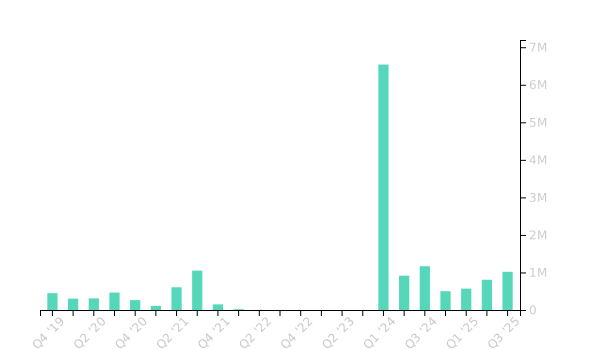
Thomas R. Suozzi recently disclosed $393.9K of fundraising in a Q2 FEC disclosure filed on July 15th, 2026. This was the 252nd most from all Q2 reports we have seen this year. 70.6% came from individual donors.
Suozzi disclosed $274.8K of spending. This was the 386th most from all Q2 reports we have seen from politicians so far this year.
Suozzi disclosed $5.7M of cash on hand at the end of the filing period. This was the 49th most from all Q2 reports we have seen this year.
You can see the disclosure here, or track Thomas R. Suozzi's fundraising on Quiver Quantitative.
Thomas R. Suozzi Net Worth
Quiver Quantitative estimates that Thomas R. Suozzi is worth $12.3M, as of September 11th, 2026. This is the 101st highest net worth in Congress, per our live estimates.
Suozzi has approximately $8.7M invested in publicly traded assets which Quiver is able to track live.
You can track Thomas R. Suozzi's net worth on Quiver Quantitative's politician page for Suozzi.
Thomas R. Suozzi Bill Proposals
Here are some bills which have recently been proposed by Thomas R. Suozzi:
- H.R.10348: To amend title XVIII of the Social Security Act to strengthen program integrity oversight for the Health Care Fraud and Abuse Control Program, and for other purposes.
- H.R.9485: Supporting Older Foster Youth Act
- H.R.8867: PLAN Act of 2026
- H.R.8638: Washington Spy Ring National Historic Trail Designation Act
- H.R.8280: SEPTIC Act
- H.R.8279: To expand the definition of institution of higher education in the Higher Education Act of 1965 with respect to certain graduate medical schools located outside of the United States.
You can track bills proposed by Thomas R. Suozzi on Quiver Quantitative's politician page for Suozzi.
2026 New York's 3rd Congressional District Election
There has been approximately $13,149,792 of spending in New York's 3rd congressional district elections over the last two years, per our estimates.
Approximately $2,888,569 of this has been from outside spending by PACs and Super PACs. Some of the groups who are spending money in this race include:
- FAIRSHAKE ($1,804,352)
- COMMON SENSE NEW YORK ($464,961)
- NATIONAL ASSOCIATION OF REALTORS POLITICAL ACTION COMMITTEE ($225,548)
- NY COMMON GROUND ($209,580)
- CONGRESSIONAL LEADERSHIP FUND ($109,695)
The rating for this race is currently "Lean D".
You can track this election on our matchup page for the 2026 New York's 3rd congressional district election.

Griffith praises USDA drought disaster designations expanding federal relief for Southwest Virginia farmers.
Quiver AI Summary
USDA expands drought relief in Virginia’s 9th District: The USDA is adding Buchanan, Dickenson, Lee, Scott and Wise counties to its primary natural disaster area designations because of ongoing drought conditions. The move is intended to make federal disaster assistance available to more localities in the district.
Griffith responds to action: Rep. Morgan Griffith said the region’s agricultural communities face “persistent and ongoing drought conditions” and that he supports the USDA action. He said he will continue to raise concerns affecting farmers, cattlemen and other agricultural leaders in Southwest Virginia.
Background: The release says Griffith helped press for USDA disaster declarations for Virginia farmers. It notes earlier approvals in June, and additional drought-related disaster designations for Tazewell County in July and other Ninth District localities in August.
Disclaimer: This is an AI-generated summary of a press release. The model used to summarize this release may make mistakes. See the full release here.
Check out the Quiver Quantitative API to build on top of data on congressional stock trading, insider transactions, hedge fund moves, and more.
H. Morgan Griffith Fundraising
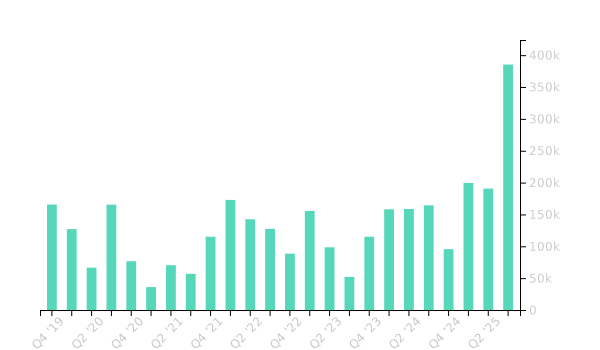
H. Morgan Griffith recently disclosed $355 of fundraising in a Pre-Primary FEC disclosure filed on July 21st, 2026. This was the 1724th most from all Pre-Primary reports we have seen this year. 100.0% came from individual donors.
Griffith disclosed $68.1K of spending. This was the 775th most from all Pre-Primary reports we have seen from politicians so far this year.
Griffith disclosed $973.9K of cash on hand at the end of the filing period. This was the 308th most from all Pre-Primary reports we have seen this year.
You can see the disclosure here, or track H. Morgan Griffith's fundraising on Quiver Quantitative.
H. Morgan Griffith Net Worth
Quiver Quantitative estimates that H. Morgan Griffith is worth $673.5K, as of September 11th, 2026. This is the 380th highest net worth in Congress, per our live estimates.
Griffith has approximately $0 invested in publicly traded assets which Quiver is able to track live.
You can track H. Morgan Griffith's net worth on Quiver Quantitative's politician page for Griffith.
H. Morgan Griffith Bill Proposals
Here are some bills which have recently been proposed by H. Morgan Griffith:
- H.R.10204: Legislative Branch Agencies Clarification Act
- H.R.9724: End Birthright Citizenship for Territories Act
- H.R.9095: Right to Trial Act
- H.R.8444: Motor Vehicle Flammability Standards Study Act of 2026
- H.R.7614: To direct the Architect of the Capitol to install an adult changing room in the Library of Congress and the Capitol Visitor Center.
- H.R.7212: Hemp Enforcement, Modernization, and Protection Act
You can track bills proposed by H. Morgan Griffith on Quiver Quantitative's politician page for Griffith.
2026 Virginia's 9th Congressional District Election
There has been approximately $2,657,419 of spending in Virginia's 9th congressional district elections over the last two years, per our estimates.
The rating for this race is currently "Solid R".
You can track this election on our matchup page for the 2026 Virginia's 9th congressional district election.
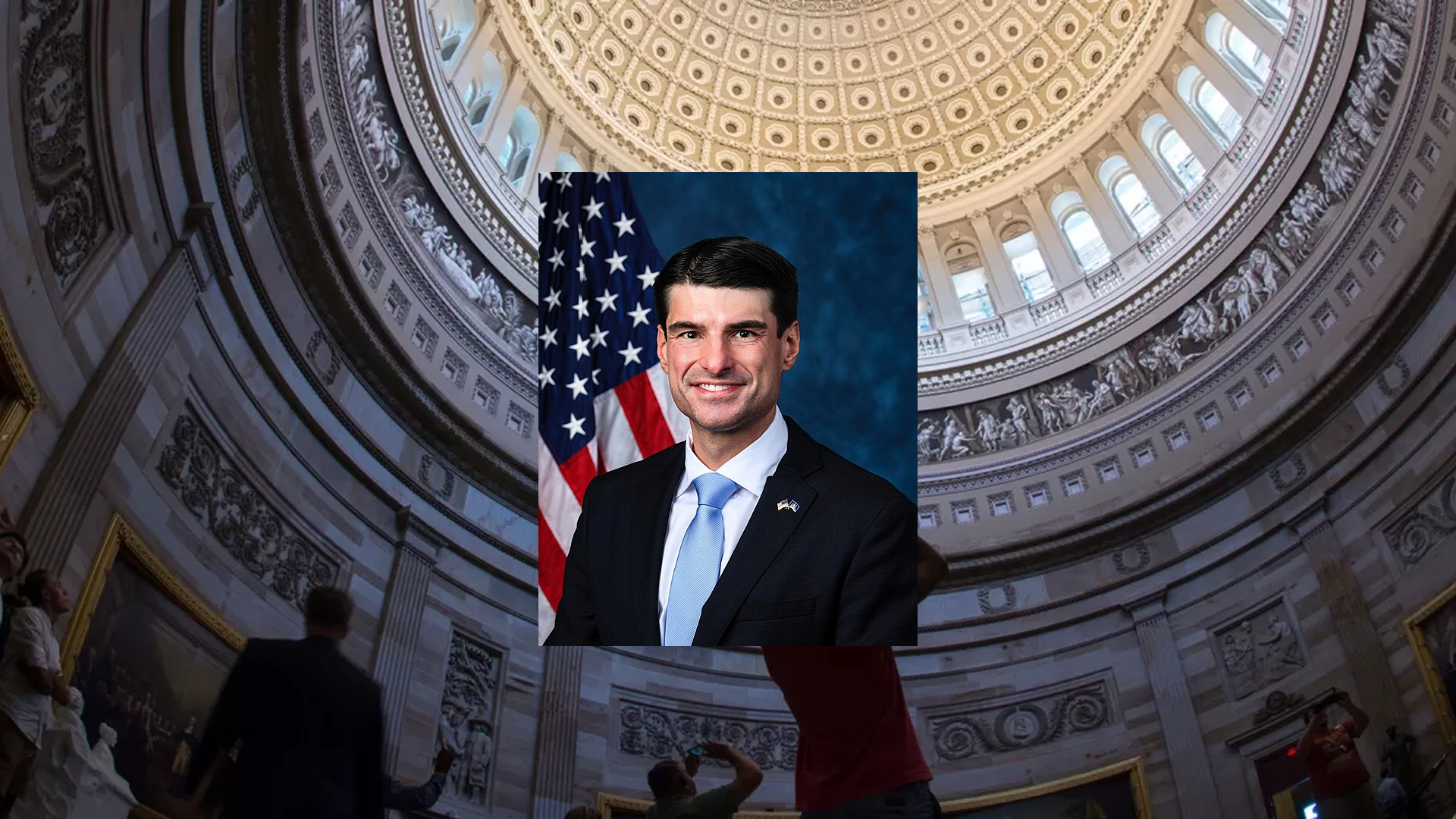
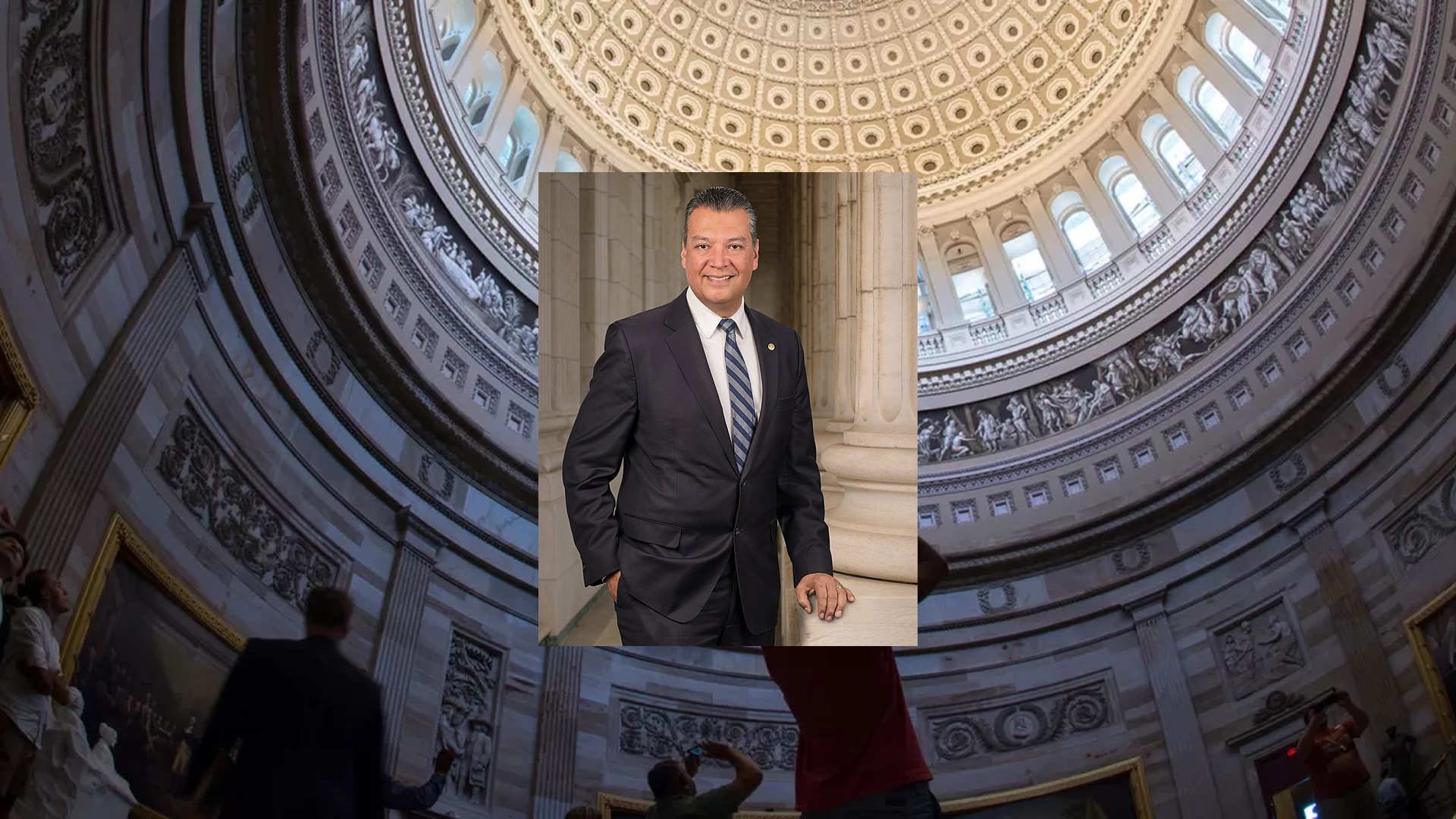
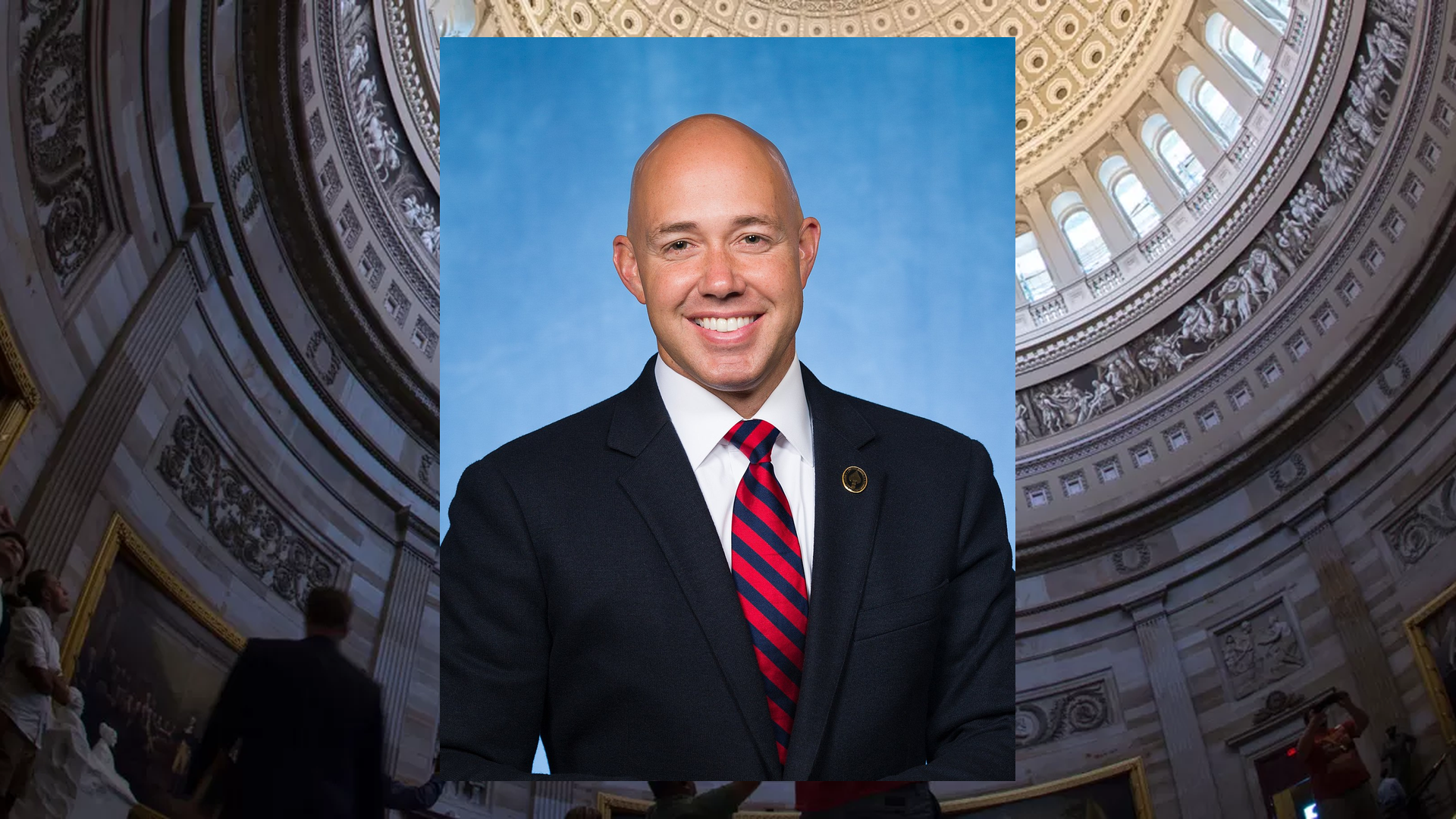
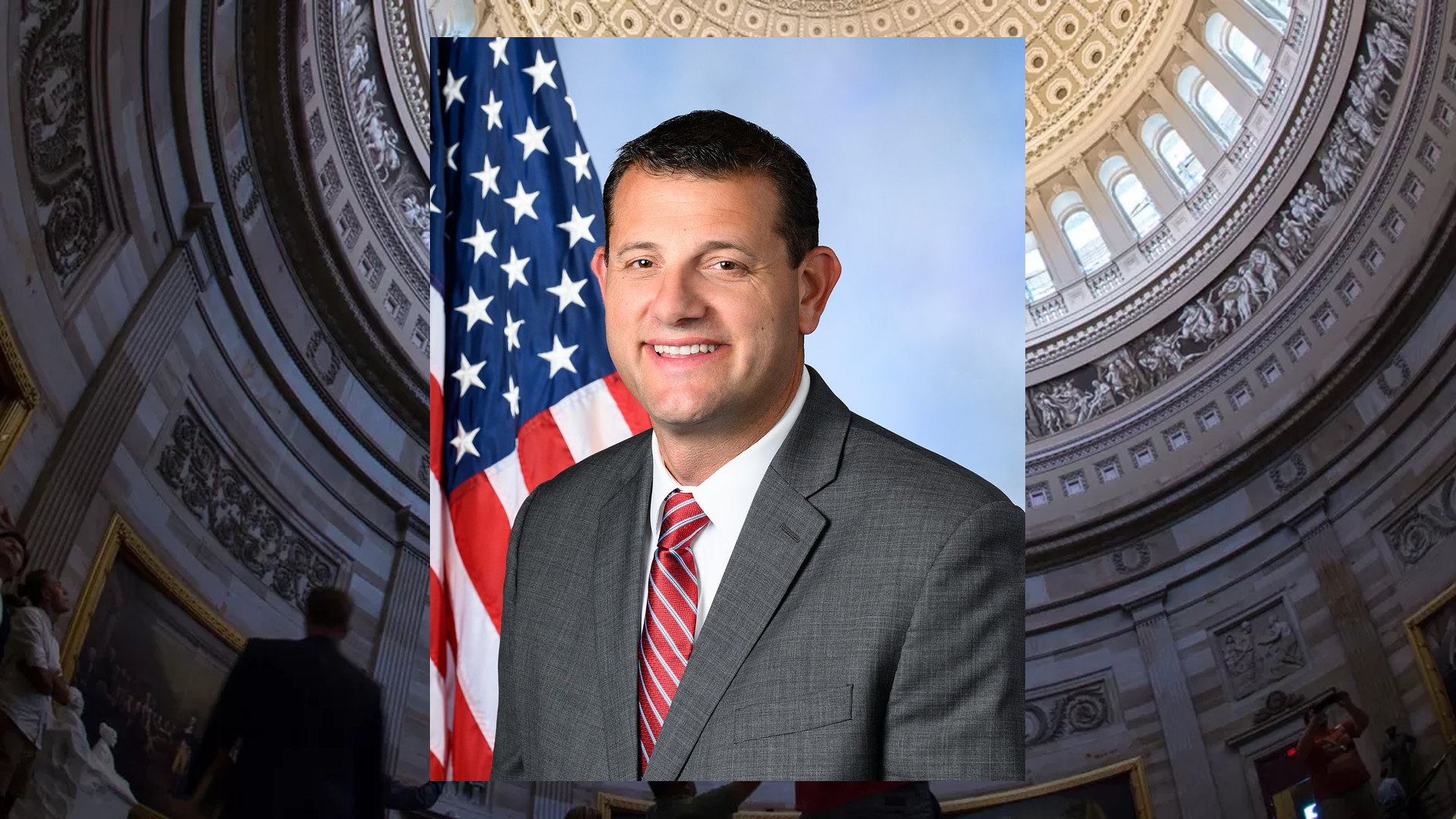
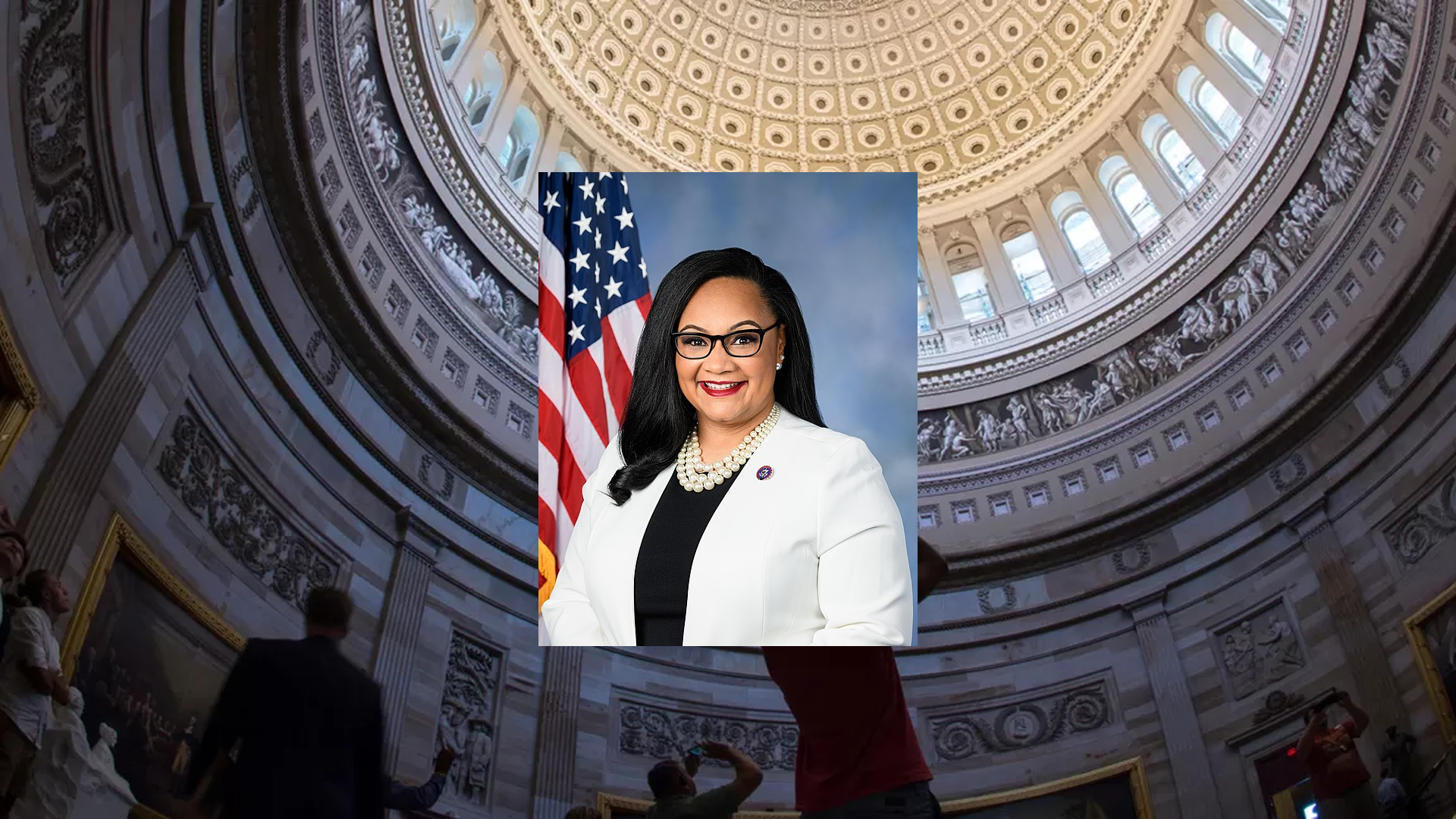
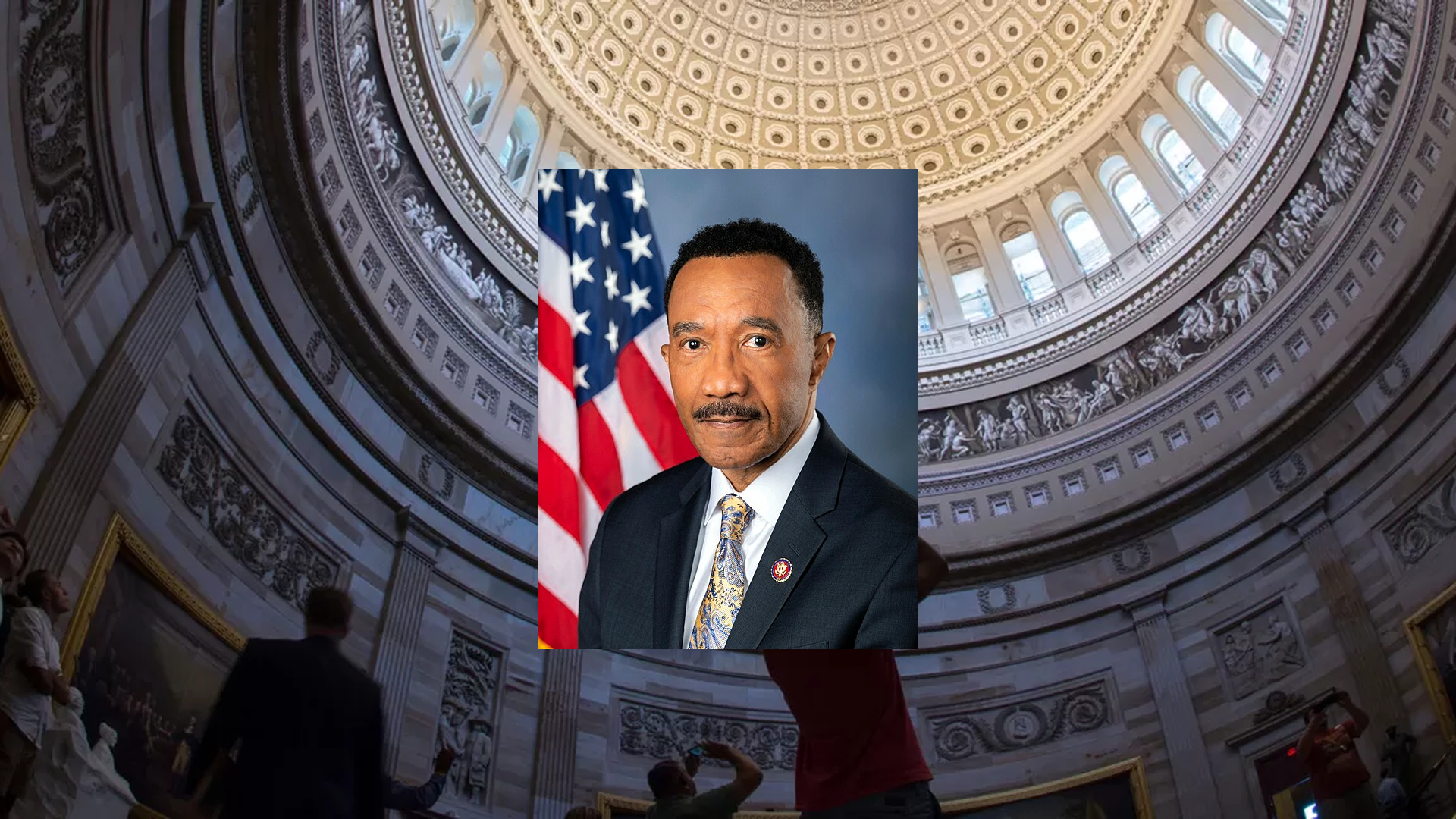
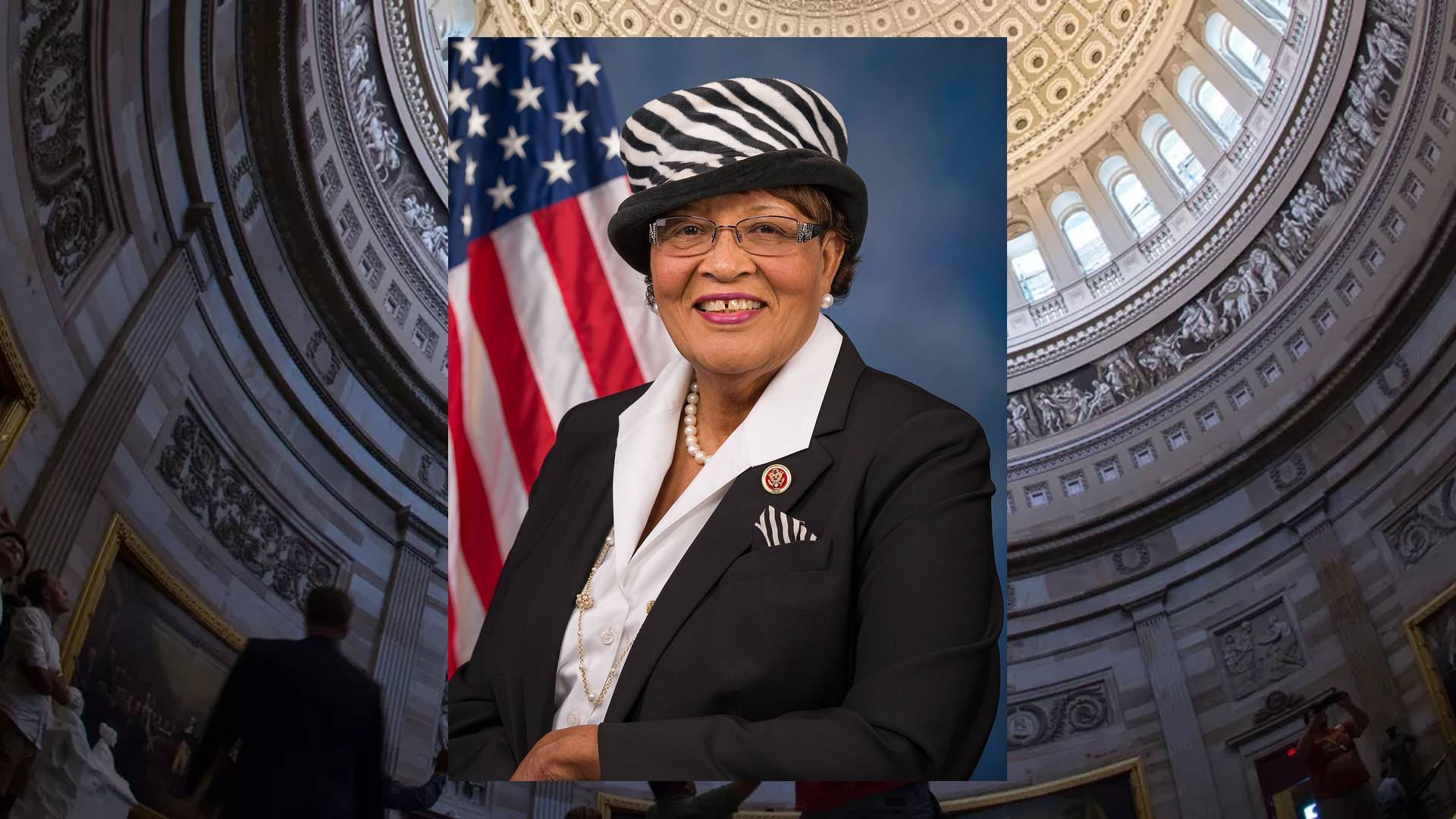
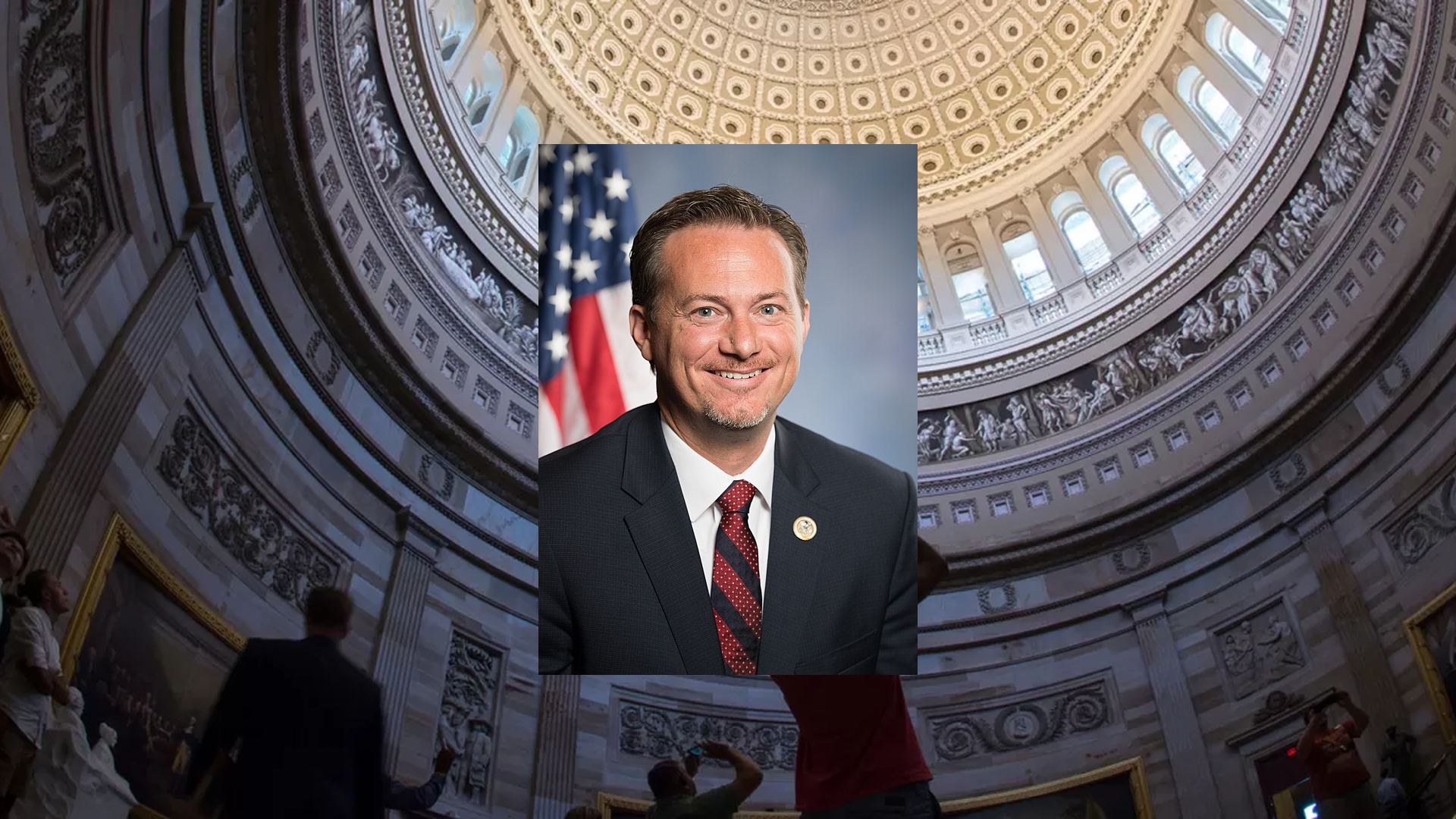
Rep. Watson Coleman discusses housing affordability, equity, and federal policy changes at a Trenton panel.
Quiver AI Summary
Watson Coleman speaks on housing: Rep. Bonnie Watson Coleman said at a Trenton panel that housing affordability and equity remain pressing issues, citing rising costs and a national housing shortage. She highlighted the bipartisan 21st Century ROAD to Housing Act, which she said addresses multiple housing policy areas.
Law and policy changes discussed: In prepared remarks, Watson Coleman said the new law limits certain large investors from buying new single-family homes and increases support for local governments that expand housing supply. She also criticized Trump administration housing and HUD policies, while saying Congress should oversee compliance with the law.
Disclaimer: This is an AI-generated summary of a press release. The model used to summarize this release may make mistakes. See the full release here.
Check out the Quiver Quantitative API to build on top of data on congressional stock trading, insider transactions, hedge fund moves, and more.
Bonnie Watson Coleman Fundraising
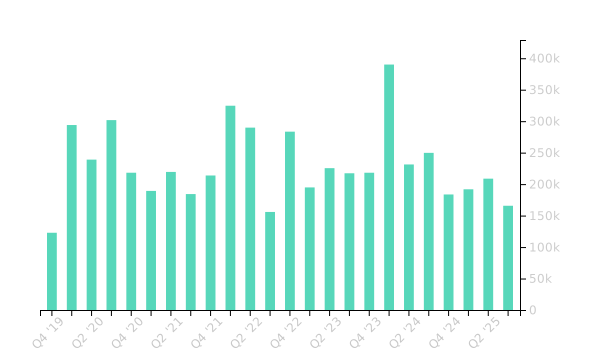
Bonnie Watson Coleman recently disclosed $0 of fundraising in a Q2 FEC disclosure filed on July 14th, 2026. This was the 1880th most from all Q2 reports we have seen this year. nan% came from individual donors.
Watson Coleman disclosed $14.1K of spending. This was the 1455th most from all Q2 reports we have seen from politicians so far this year.
Watson Coleman disclosed $5.6K of cash on hand at the end of the filing period. This was the 1743rd most from all Q2 reports we have seen this year.
You can see the disclosure here, or track Bonnie Watson Coleman's fundraising on Quiver Quantitative.
Bonnie Watson Coleman Bill Proposals
Here are some bills which have recently been proposed by Bonnie Watson Coleman:
- H.R.9208: HEAR Act of 2026
- H.R.9114: Gig Is Up Act
- H.R.9044: Minority Fellowship Program Reauthorization Act of 2026
- H.R.9021: Stay Cool Act
- H.R.9008: Worker Rights and Support Act
- H.R.8869: Traumatic Births Research Act of 2026
You can track bills proposed by Bonnie Watson Coleman on Quiver Quantitative's politician page for Watson Coleman.
2026 New Jersey's 12th Congressional District Election
There has been approximately $9,218,839 of spending in New Jersey's 12th congressional district elections over the last two years, per our estimates.
Approximately $2,746,335 of this has been from outside spending by PACs and Super PACs. Some of the groups who are spending money in this race include:
- AMERICAN PRIORITIES (AP) ($1,553,845)
- PROJECT 218 ($393,740)
- JUSTICE DEMOCRATS PAC ($191,329)
- SERVANT-LEADER FUND, INC. ($171,957)
- MEDICARE FOR ALL ($150,000)
The rating for this race is currently "Solid D".
You can track this election on our matchup page for the 2026 New Jersey's 12th congressional district election.
Scott Peters criticized reported ICE activity near San Diego schools and urged stricter limits on immigration enforcement near sensitive locations.
Quiver AI Summary
Peters responds to reported ICE activity near schools: Rep. Scott Peters said San Diego Unified and San Diego City College told his office that ICE arrest activity occurred outside their schools within the past week. He said he was “deeply troubled” by reports involving students and parents.
Lawmaker calls for restrictions: Peters said he backs the “Protecting Sensitive Locations Act,” which would limit immigration enforcement within 1,000 feet of schools, hospitals and churches except in emergencies. He also cited his “Stop Excessive Force in Immigration Act” and urged other officials to support both measures.
Disclaimer: This is an AI-generated summary of a press release. The model used to summarize this release may make mistakes. See the full release here.
Check out the Quiver Quantitative API to build on top of data on congressional stock trading, insider transactions, hedge fund moves, and more.
Scott H. Peters Fundraising
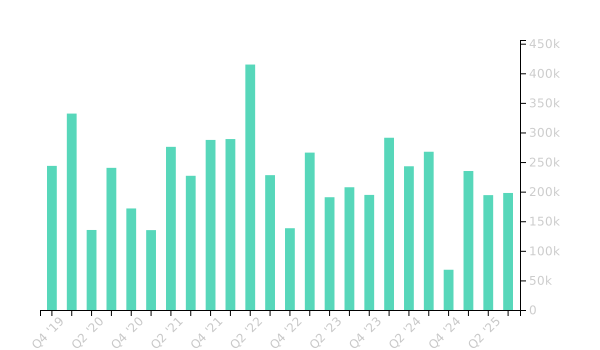
Scott H. Peters recently disclosed $217.2K of fundraising in a Q2 FEC disclosure filed on July 15th, 2026. This was the 453rd most from all Q2 reports we have seen this year. 26.6% came from individual donors.
Peters disclosed $178.1K of spending. This was the 563rd most from all Q2 reports we have seen from politicians so far this year.
Peters disclosed $2.6M of cash on hand at the end of the filing period. This was the 172nd most from all Q2 reports we have seen this year.
You can see the disclosure here, or track Scott H. Peters's fundraising on Quiver Quantitative.
Scott H. Peters Net Worth
Quiver Quantitative estimates that Scott H. Peters is worth $58.3M, as of September 11th, 2026. This is the 28th highest net worth in Congress, per our live estimates.
Peters has approximately $21.2M invested in publicly traded assets which Quiver is able to track live.
You can track Scott H. Peters's net worth on Quiver Quantitative's politician page for Peters.
Scott H. Peters Bill Proposals
Here are some bills which have recently been proposed by Scott H. Peters:
- H.R.10302: Certainty in Litigation for Electric Asset Reliability (CLEAR) Act of 2026
- H.R.10215: Workforce Mobility Act of 2026
- H.R.9929: To designate the facility of the United States Postal Service located at 4640 Cass Street in San Diego, California, as the "Mary Wilding Memorial Post Office Building".
- H.R.9870: Affordable Housing Incentives Act
- H.R.9760: National Coordination on Adaptation and Resilience for Security Act of 2026
- H.R.9599: SECURE 340B Act
You can track bills proposed by Scott H. Peters on Quiver Quantitative's politician page for Peters.
2026 California's 50th Congressional District Election
There has been approximately $5,808,485 of spending in California's 50th congressional district elections over the last two years, per our estimates.
Approximately $3,536,526 of this has been from outside spending by PACs and Super PACs. Some of the groups who are spending money in this race include:
- DMFI PAC ($2,000,000)
- VETERANS FOR TRUTH PAC ($622,709)
- VOTEVETS ($443,773)
- CRUSH MAGA PAC ($275,674)
- SERVING CA ($194,199)
The rating for this race is currently "Solid D".
You can track this election on our matchup page for the 2026 California's 50th congressional district election.

Lawmakers urge FEMA to release withheld funding for Los Angeles wildfire case management services.
Quiver AI Summary
Lawmakers seek FEMA funding: Reps. Judy Chu and Brad Sherman, along with Sens. Adam Schiff and Alex Padilla, sent a letter to FEMA asking it to release remaining funding for the Disaster Case Management Program for Los Angeles wildfire survivors. They say the program is scheduled to end Sept. 30, 2026.
Program details and concerns: The lawmakers say the program helps survivors with FEMA and SBA aid, insurance claims, temporary housing, and rebuilding plans. They say 1,397 cases are open, about 700 people are on a waitlist, and roughly $10 million in approved funding has not yet been paid.
Next steps requested: The letter asks FEMA to release the remaining funds and quickly review an additional roughly $6 million state request. The lawmakers also asked FEMA to respond by Sept. 18, saying an interruption in services could affect ongoing recovery efforts.
Disclaimer: This is an AI-generated summary of a press release. The model used to summarize this release may make mistakes. See the full release here.
Check out the Quiver Quantitative API to build on top of data on congressional stock trading, insider transactions, hedge fund moves, and more.
Judy Chu Fundraising
Judy Chu recently disclosed $70.8K of fundraising in a Q2 FEC disclosure filed on July 15th, 2026. This was the 826th most from all Q2 reports we have seen this year. 39.3% came from individual donors.
Chu disclosed $63.6K of spending. This was the 982nd most from all Q2 reports we have seen from politicians so far this year.
Chu disclosed $3.7M of cash on hand at the end of the filing period. This was the 99th most from all Q2 reports we have seen this year.
You can see the disclosure here, or track Judy Chu's fundraising on Quiver Quantitative.
Judy Chu Net Worth
Quiver Quantitative estimates that Judy Chu is worth $15.1M, as of September 10th, 2026. This is the 86th highest net worth in Congress, per our live estimates.
Chu has approximately $7.3M invested in publicly traded assets which Quiver is able to track live.
You can track Judy Chu's net worth on Quiver Quantitative's politician page for Chu.
Judy Chu Bill Proposals
Here are some bills which have recently been proposed by Judy Chu:
- H.R.10045: Protect American Values Act
- H.R.9699: Drug Deal Disclosure Act
- H.R.9400: American Rescuers of the Holocaust Congressional Gold Medal Act of 2026
- H.R.9024: Harry Lew and Danny Chen Military Justice Reform Act
- H.R.8604: Language Access Board Act of 2026
- H.R.8498: Increasing Access to Foster Care Through Age 21 Act
You can track bills proposed by Judy Chu on Quiver Quantitative's politician page for Chu.
2026 California's 28th Congressional District Election
There has been approximately $1,731,050 of spending in California's 28th congressional district elections over the last two years, per our estimates.
The rating for this race is currently "Solid D".
You can track this election on our matchup page for the 2026 California's 28th congressional district election.
Moore joined Trump as a Medal of Honor monument location bill was signed into law.
Quiver AI Summary
Bill signing in Arlington: Congressman Blake Moore said he joined President Trump at the National Medal of Honor Museum in Arlington, Texas, where Trump signed the Hershel “Woody” Williams National Medal of Honor Monument Location Act. The measure is described as the final step toward setting a National Mall site for a monument honoring Medal of Honor recipients.
Legislation background: The release says Moore and Rep. Marc Veasey first led earlier bipartisan legislation in the 117th Congress to authorize the monument in Washington, and that the new bill completes the process of choosing its location. It adds that the monument is named for Hershel “Woody” Williams, the last World War II Medal of Honor recipient to die.
Context on Williams: The release includes background on Williams’ World War II service at Iwo Jima, his Medal of Honor award, and later public recognition, including lying in state at the U.S. Capitol in 2022. It says fewer than 4,000 of an estimated 40 million U.S. service members have received the Medal of Honor.
Disclaimer: This is an AI-generated summary of a press release. The model used to summarize this release may make mistakes. See the full release here.
Check out the Quiver Quantitative API to build on top of data on congressional stock trading, insider transactions, hedge fund moves, and more.
Blake D. Moore Fundraising
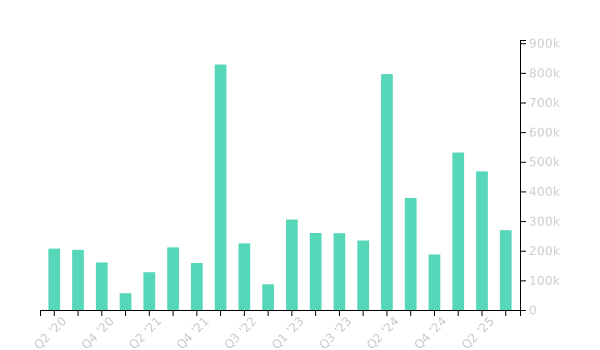
Blake D. Moore recently disclosed $181.5K of fundraising in a Q2 FEC disclosure filed on July 15th, 2026. This was the 521st most from all Q2 reports we have seen this year. 36.1% came from individual donors.
Moore disclosed $312.6K of spending. This was the 339th most from all Q2 reports we have seen from politicians so far this year.
Moore disclosed $1.9M of cash on hand at the end of the filing period. This was the 239th most from all Q2 reports we have seen this year.
You can see the disclosure here, or track Blake D. Moore's fundraising on Quiver Quantitative.
Blake D. Moore Net Worth
Quiver Quantitative estimates that Blake D. Moore is worth $9.5M, as of September 10th, 2026. This is the 118th highest net worth in Congress, per our live estimates.
Moore has approximately $524.7K invested in publicly traded assets which Quiver is able to track live.
You can track Blake D. Moore's net worth on Quiver Quantitative's politician page for Moore.
Blake D. Moore Bill Proposals
Here are some bills which have recently been proposed by Blake D. Moore:
- H.R.9920: Foster Youth Investment Act
- H.R.9811: Anti-Fraud Fund Act of 2026
- H.R.9722: Fair Treatment of Religious Organizations Act of 2026
- H.R.8780: Critical Mineral and Extraction Tax Parity Act
- H.R.8757: Promoting Childhood Independence and Resilience Act of 2026
- H.R.8623: GUARD Act
You can track bills proposed by Blake D. Moore on Quiver Quantitative's politician page for Moore.
2026 Utah's 2nd Congressional District Election
There has been approximately $4,708,537 of spending in Utah's 2nd congressional district elections over the last two years, per our estimates.
Approximately $2,649,289 of this has been from outside spending by PACs and Super PACs. Some of the groups who are spending money in this race include:
- DEFENDING OUR VALUES PAC ($998,739)
- DEFENDING CONSERVATIVE VALUES PAC ($485,213)
- DEFEND AMERICAN JOBS ($400,021)
- KEEPING AMERICA STRONG PAC ($300,000)
- AMERICAN CONSERVATION COALITION PAC (ACC PAC) ($232,118)
The rating for this race is currently "Solid R".
You can track this election on our matchup page for the 2026 Utah's 2nd congressional district election.
Bipartisan bill seeks to repeal Section 230, increase tech accountability, and protect young Americans from harmful online content.
Quiver AI Summary
Bill introduced: Representatives Mark DeSaulnier and Jimmy Patronis introduced the Sunset Section 230 Act, which would repeal Section 230 of the Communications Decency Act of 1996. The lawmakers said the change would allow Americans to pursue legal action against tech companies over alleged online harm.
What supporters say: DeSaulnier said the bill is aimed at addressing social media-related harm to teenagers, while Patronis said it would hold Big Tech accountable and put children’s safety before company profits. The release links the proposal to recent legal and court actions involving Meta.
Context in the release: The proposal would phase out Section 230 after two years, according to the statement. The release says Section 230 was originally intended to support online innovation, but that it has since become “obsolete and dangerous” in the view of the sponsors.
Disclaimer: This is an AI-generated summary of a press release. The model used to summarize this release may make mistakes. See the full release here.
Check out the Quiver Quantitative API to build on top of data on congressional stock trading, insider transactions, hedge fund moves, and more.
Mark DeSaulnier Fundraising
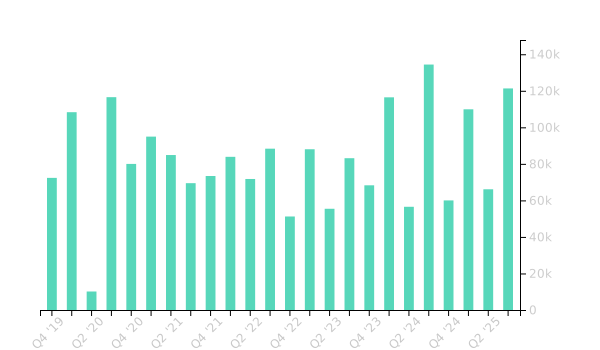
Mark DeSaulnier recently disclosed $52.2K of fundraising in a Q2 FEC disclosure filed on July 15th, 2026. This was the 896th most from all Q2 reports we have seen this year. 37.9% came from individual donors.
DeSaulnier disclosed $93.6K of spending. This was the 838th most from all Q2 reports we have seen from politicians so far this year.
DeSaulnier disclosed $586.5K of cash on hand at the end of the filing period. This was the 537th most from all Q2 reports we have seen this year.
You can see the disclosure here, or track Mark DeSaulnier's fundraising on Quiver Quantitative.
Mark DeSaulnier Net Worth
Quiver Quantitative estimates that Mark DeSaulnier is worth $458.0K, as of September 10th, 2026. This is the 409th highest net worth in Congress, per our live estimates.
DeSaulnier has approximately $0 invested in publicly traded assets which Quiver is able to track live.
You can track Mark DeSaulnier's net worth on Quiver Quantitative's politician page for DeSaulnier.
Mark DeSaulnier Bill Proposals
Here are some bills which have recently been proposed by Mark DeSaulnier:
- H.R.10228: Strengthening Protections for Children with Food Allergies Act
- H.R.10203: Improving Access to Higher Education Act
- H.R.10087: Cancer Care Planning and Communications Act
- H.R.10019: Incentivizing Value Capture for Greener Transportation Act
- H.R.9947: Offshore Oil and Gas Worker Whistleblower Protection Act
- H.R.9737: Consumer Health Claim Assistance Act
You can track bills proposed by Mark DeSaulnier on Quiver Quantitative's politician page for DeSaulnier.
2026 California's 10th Congressional District Election
There has been approximately $834,924 of spending in California's 10th congressional district elections over the last two years, per our estimates.
The rating for this race is currently "Solid D".
You can track this election on our matchup page for the 2026 California's 10th congressional district election.
Evans and Labor Secretary Sonderling toured Colorado businesses and apprenticeship programs to discuss workforce growth and manufacturing.
Quiver AI Summary
Colorado workforce visits: Rep. Gabe Evans and Acting U.S. Labor Secretary Keith Sonderling visited Colorado’s 8th Congressional District for two site visits and roundtables focused on manufacturing, skilled trades, trucking, and small businesses in Northern Colorado.
Topics discussed: The press release says the first stop was JFW Trucking in Commerce City, followed by a roundtable with industrial property leaders, and the second was Independent Electrical Contractors Rocky Mountain in Northglenn, where they toured an apprenticeship program and met with apprentices, instructors, contractors, and industry leaders.
Broader context: The release links the visits to the latest jobs report and says the discussions centered on hiring, workforce training, apprenticeships, and growth in manufacturing and construction. It also notes this was Sonderling’s second workforce-focused visit to the district with Evans.
Disclaimer: This is an AI-generated summary of a press release. The model used to summarize this release may make mistakes. See the full release here.
Check out the Quiver Quantitative API to build on top of data on congressional stock trading, insider transactions, hedge fund moves, and more.
Gabe Evans Fundraising
Gabe Evans recently disclosed $280.4K of fundraising in a Q2 FEC disclosure filed on July 15th, 2026. This was the 362nd most from all Q2 reports we have seen this year. 60.8% came from individual donors.
Evans disclosed $39.8K of spending. This was the 1130th most from all Q2 reports we have seen from politicians so far this year.
Evans disclosed $3.9M of cash on hand at the end of the filing period. This was the 92nd most from all Q2 reports we have seen this year.
You can see the disclosure here, or track Gabe Evans's fundraising on Quiver Quantitative.
Gabe Evans Net Worth
Quiver Quantitative estimates that Gabe Evans is worth $679.0K, as of September 10th, 2026. This is the 379th highest net worth in Congress, per our live estimates.
Evans has approximately $0 invested in publicly traded assets which Quiver is able to track live.
You can track Gabe Evans's net worth on Quiver Quantitative's politician page for Evans.
Gabe Evans Bill Proposals
Here are some bills which have recently been proposed by Gabe Evans:
- H.R.10312: To require the Administrator of the Small Business Administration to submit a report describing existing Spanish-language resources and services made available through programs of the Small Business Administration, and for other purposes.
- H.R.10152: Open-Source AI Leadership Act
- H.R.9340: Ratepayer Protection Act
- H.R.8005: Stop Pills That Kill Act
- H.R.7764: National Threat Evaluation and Reporting Program Reassignment and Funding Reform Act of 2026
- H.R.7574: ELO Realignment and Strategic Engagement Reform Act of 2026
You can track bills proposed by Gabe Evans on Quiver Quantitative's politician page for Evans.
2026 Colorado's 8th Congressional District Election
There has been approximately $70,406,102 of spending in Colorado's 8th congressional district elections over the last two years, per our estimates.
Approximately $51,783,682 of this has been from outside spending by PACs and Super PACs. Some of the groups who are spending money in this race include:
- HMP ($11,012,667)
- CONGRESSIONAL LEADERSHIP FUND ($6,201,617)
- NRCC ($5,471,464)
- DCCC ($3,898,198)
- MAINSTREAM COLORADO FUND ($3,141,388)
The rating for this race is currently "Toss Up".
You can track this election on our matchup page for the 2026 Colorado's 8th congressional district election.
Bipartisan resolution designates September as Suicide Prevention Month, promoting mental health awareness and access to care.
Quiver AI Summary
Lawmakers introduce suicide-prevention resolution: Rep. Shri Thanedar, joined by Reps. Wesley Bell and Mike Lawler, introduced a bipartisan resolution to recognize September as National Suicide Prevention Month and Sept. 10, 2026, as World Suicide Prevention Day. The measure is described as aimed at raising awareness and reducing stigma around mental illness.
Supporters cite need for care and awareness: Thanedar said the issue is personal to him, citing the death of his first wife in 1996. Bell and Lawler said the resolution is meant to encourage people to seek help and expand access to mental health care. Groups including AFSP and NAMI voiced support for the effort.
Disclaimer: This is an AI-generated summary of a press release. The model used to summarize this release may make mistakes. See the full release here.
Check out the Quiver Quantitative API to build on top of data on congressional stock trading, insider transactions, hedge fund moves, and more.
Shri Thanedar Fundraising
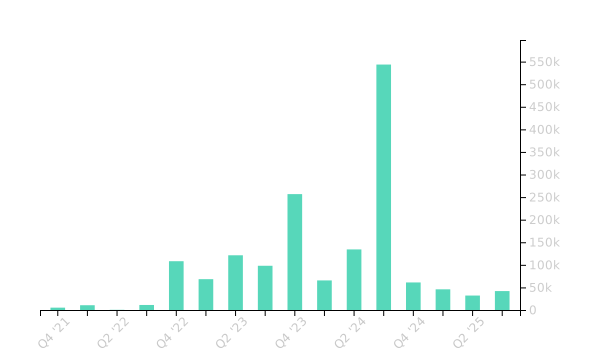
Shri Thanedar recently disclosed $143.8K of fundraising in a Pre-Primary FEC disclosure filed on July 23rd, 2026. This was the 306th most from all Pre-Primary reports we have seen this year. 100.0% came from individual donors.
Thanedar disclosed $1.1M of spending. This was the 90th most from all Pre-Primary reports we have seen from politicians so far this year.
Thanedar disclosed $5.0M of cash on hand at the end of the filing period. This was the 36th most from all Pre-Primary reports we have seen this year.
You can see the disclosure here, or track Shri Thanedar's fundraising on Quiver Quantitative.
Shri Thanedar Net Worth
Quiver Quantitative estimates that Shri Thanedar is worth $61.5M, as of September 10th, 2026. This is the 27th highest net worth in Congress, per our live estimates.
Thanedar has approximately $10.3M invested in publicly traded assets which Quiver is able to track live.
You can track Shri Thanedar's net worth on Quiver Quantitative's politician page for Thanedar.
Shri Thanedar Bill Proposals
Here are some bills which have recently been proposed by Shri Thanedar:
- H.R.10105: Stop ICE Price Gouging Act
- H.R.10007: Environmental Health Workforce Act of 2026
- H.R.9882: DHS Acquisition Documentation Integrity Act
- H.R.9717: Customer Property Protection Act
- H.R.9488: Health Disparity Zones Act of 2026
- H.R.9303: BLANKET Act
You can track bills proposed by Shri Thanedar on Quiver Quantitative's politician page for Thanedar.
2026 Michigan's 13th Congressional District Election
There has been approximately $12,778,702 of spending in Michigan's 13th congressional district elections over the last two years, per our estimates.
Approximately $4,216,468 of this has been from outside spending by PACs and Super PACs. Some of the groups who are spending money in this race include:
- PROTECT PROGRESS ($2,030,843)
- JUSTICE DEMOCRATS PAC ($889,435)
- NATIONAL NURSES UNITED FOR PATIENT PROTECTION ($400,000)
- WORKING FAMILIES PARTY PAC ($379,583)
- AMERICAN PRIORITIES (AP) ($150,000)
The rating for this race is currently "Solid D".
You can track this election on our matchup page for the 2026 Michigan's 13th congressional district election.
Congresswoman King-Hinds proposed PACMESA to increase territorial revenue, environmental safeguards, and consultation for Pacific seabed mining.
Quiver AI Summary
King-Hinds introduces seabed mining bill: Congresswoman Kimberlyn King-Hinds introduced H.R. 10318, called the Pacific Minerals Economic Security Act, or PACMESA. The bill is described as a measure to increase economic benefits, environmental protections, and consultation requirements for U.S. Pacific territories near potential seabed mining.
Key provisions outlined: The proposal would split certain lease revenues evenly between the U.S. Treasury and nearby territories, set bonding and financial assurance requirements for companies, and expand notification and comment periods for territorial governments. It also calls for a federal study on environmental impacts and mitigation methods.
Lawmaker’s statement: In supporting the bill, King-Hinds said the legislation would provide a “crucial insurance policy” for Pacific territories if seabed mining occurs, while acknowledging she does not “support or oppose” seabed mining itself.
Disclaimer: This is an AI-generated summary of a press release. The model used to summarize this release may make mistakes. See the full release here.
Check out the Quiver Quantitative API to build on top of data on congressional stock trading, insider transactions, hedge fund moves, and more.
Kimberlyn King-Hinds Fundraising
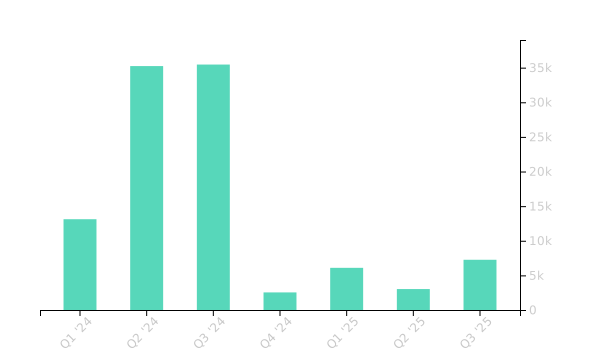
Kimberlyn King-Hinds recently disclosed $7.8K of fundraising in a Q2 FEC disclosure filed on July 15th, 2026. This was the 1345th most from all Q2 reports we have seen this year. 49.0% came from individual donors.
King-Hinds disclosed $27.6K of spending. This was the 1236th most from all Q2 reports we have seen from politicians so far this year.
King-Hinds disclosed $12.2K of cash on hand at the end of the filing period. This was the 1497th most from all Q2 reports we have seen this year.
You can see the disclosure here, or track Kimberlyn King-Hinds's fundraising on Quiver Quantitative.
Kimberlyn King-Hinds Bill Proposals
Here are some bills which have recently been proposed by Kimberlyn King-Hinds:
- H.R.10318: To amend the Outer Continental Shelf Lands Act to enhance the economic security of Pacific territories adjacent to seabed mining through revenue sharing, and for other purposes.
- H.R.10074: Affordable Power for the Northern Marianas Act
- H.R.9787: Northern Mariana Islands Labor Stabilization Act
- H.R.9652: Northern Marianas VA Community-Based Outpatient Clinic Authorization Act of 2026
- H.R.9316: Travel Assistance for Veterans in Medical Deserts Act
- H.R.8931: Northern Mariana Islands Workforce Improvement Act
You can track bills proposed by Kimberlyn King-Hinds on Quiver Quantitative's politician page for King-Hinds.
2026 None's 1st Congressional District Election
There has been approximately $161,061 of spending in None's 1st congressional district elections over the last two years, per our estimates.
You can track this election on our matchup page for the 2026 None's 1st congressional district election.
Rep. Steube and Sen. Moody urge preserving federal funding eligibility for Charlotte County septic-to-sewer projects.
Quiver AI Summary
Steube and Moody ask Army Corps to keep funding eligibility: Rep. Greg Steube and Sen. Ashley Moody said they sent a letter to the Army’s civil works office urging it to preserve Charlotte County’s ability to seek federal money for septic-to-sewer projects.
County project cited in letter: The release says Steube previously helped raise the county’s potential federal funding from $3 million to $33 million to address failing septic systems affecting water quality. It says the county has completed a related study and is preparing to pursue a larger wastewater conversion program.
Lawmakers warn against losing authorization: The lawmakers said removing Charlotte County’s eligibility now could prevent future funding requests for the work. The release says the full letter is available online.
Disclaimer: This is an AI-generated summary of a press release. The model used to summarize this release may make mistakes. See the full release here.
Check out the Quiver Quantitative API to build on top of data on congressional stock trading, insider transactions, hedge fund moves, and more.
Gregory Steube Fundraising
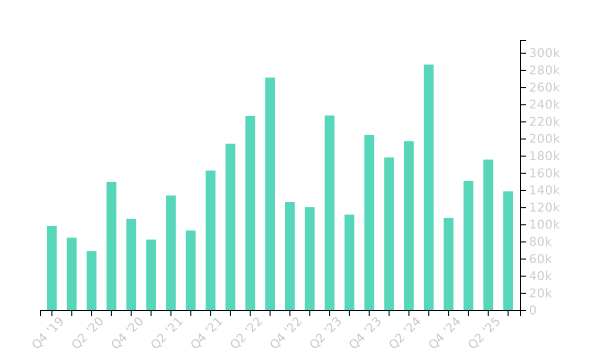
Gregory Steube recently disclosed $52.4K of fundraising in a Pre-Primary FEC disclosure filed on August 6th, 2026. This was the 609th most from all Pre-Primary reports we have seen this year. 51.4% came from individual donors.
Steube disclosed $134.8K of spending. This was the 550th most from all Pre-Primary reports we have seen from politicians so far this year.
Steube disclosed $2.1M of cash on hand at the end of the filing period. This was the 156th most from all Pre-Primary reports we have seen this year.
You can see the disclosure here, or track Gregory Steube's fundraising on Quiver Quantitative.
Gregory Steube Net Worth
Quiver Quantitative estimates that Gregory Steube is worth $1.0M, as of September 10th, 2026. This is the 338th highest net worth in Congress, per our live estimates.
Steube has approximately $678.1K invested in publicly traded assets which Quiver is able to track live.
You can track Gregory Steube's net worth on Quiver Quantitative's politician page for Steube.
Gregory Steube Bill Proposals
Here are some bills which have recently been proposed by Gregory Steube:
- H.R.10178: SHIELD Act
- H.R.10148: Safeguarding America’s Nonprofits Act
- H.R.10117: GATOR Act of 2026
- H.R.10104: Restoring Economic Diesel Fuel Act of 2026
- H.R.10078: Dollar-for-Dollar Deficit Reduction Act
- H.R.10006: Increasing Opportunity For Reindustrialization Act
You can track bills proposed by Gregory Steube on Quiver Quantitative's politician page for Steube.
2026 Florida's 17th Congressional District Election
There has been approximately $1,931,460 of spending in Florida's 17th congressional district elections over the last two years, per our estimates.
The rating for this race is currently "Solid R".
You can track this election on our matchup page for the 2026 Florida's 17th congressional district election.
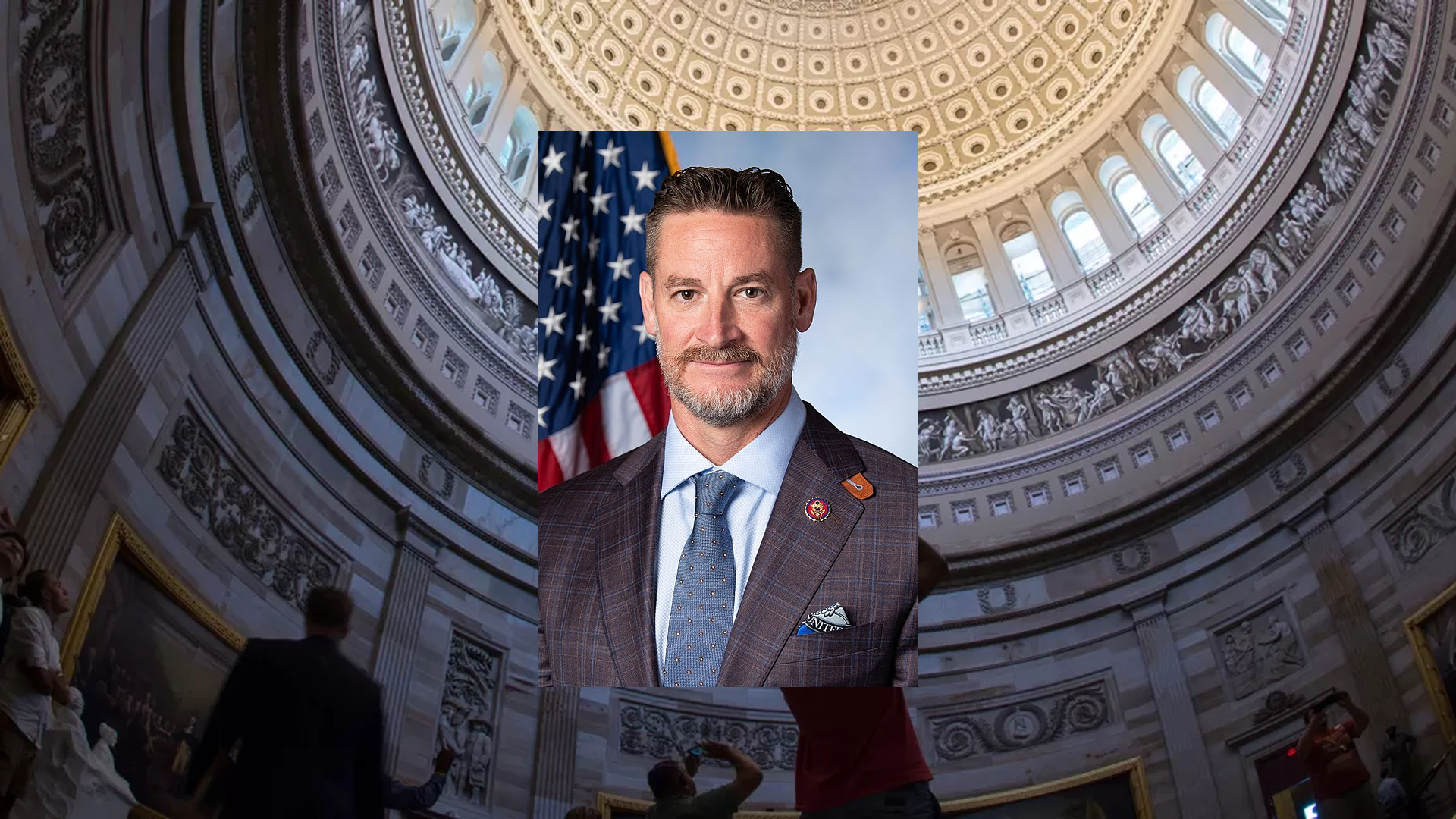
Brad Sherman criticizes the renewed North Korea travel ban, urging policy changes to aid Korean American family reunions.
Quiver AI Summary
Sherman statement on North Korea travel ban: Congressman Brad Sherman said the State Department renewed its ban on U.S. travel to North Korea for a 10th straight year. He said the policy has frustrated many Korean Americans who want to reunite with relatives.
Travel restrictions and family visits: In the statement, Sherman said about 100,000 Korean Americans still hope to meet aging relatives in North Korea and that the ban prevents such visits. He urged the State Department to reconsider the policy so families could attend funerals or burials and “heal the wounds” of long separations.
Disclaimer: This is an AI-generated summary of a press release. The model used to summarize this release may make mistakes. See the full release here.
Check out the Quiver Quantitative API to build on top of data on congressional stock trading, insider transactions, hedge fund moves, and more.
Brad Sherman Fundraising
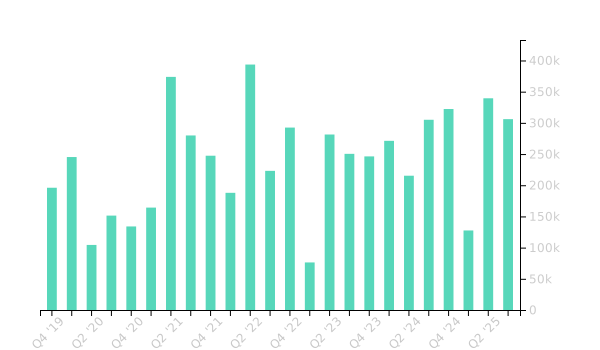
Brad Sherman recently disclosed $340.5K of fundraising in a Q2 FEC disclosure filed on July 15th, 2026. This was the 299th most from all Q2 reports we have seen this year. 64.2% came from individual donors.
Sherman disclosed $2.0M of spending. This was the 40th most from all Q2 reports we have seen from politicians so far this year.
Sherman disclosed $2.7M of cash on hand at the end of the filing period. This was the 161st most from all Q2 reports we have seen this year.
You can see the disclosure here, or track Brad Sherman's fundraising on Quiver Quantitative.
Brad Sherman Bill Proposals
Here are some bills which have recently been proposed by Brad Sherman:
- H.R.9040: Regulate the Price of All Drugs Act
- H.R.8803: Iran War Oil Crisis Windfall Profits Tax Act
- H.R.8670: Stop Oil Exports to Lower Gas Prices Act
- H.R.7806: Direct File Act of 2026
- H.R.7271: Evan Anzoo Memorial Act
- H.R.7192: Hands Off Greenland Act
You can track bills proposed by Brad Sherman on Quiver Quantitative's politician page for Sherman.
2026 California's 32nd Congressional District Election
There has been approximately $7,796,424 of spending in California's 32nd congressional district elections over the last two years, per our estimates.
Approximately $1,024,302 of this has been from outside spending by PACs and Super PACs. Some of the groups who are spending money in this race include:
- VALLEY-WESTSIDE UNITED PAC ($940,000)
- PAF ($50,000)
- NATIONAL ASSOCIATION OF REALTORS POLITICAL ACTION COMMITTEE ($34,078)
The rating for this race is currently "Solid D".
You can track this election on our matchup page for the 2026 California's 32nd congressional district election.
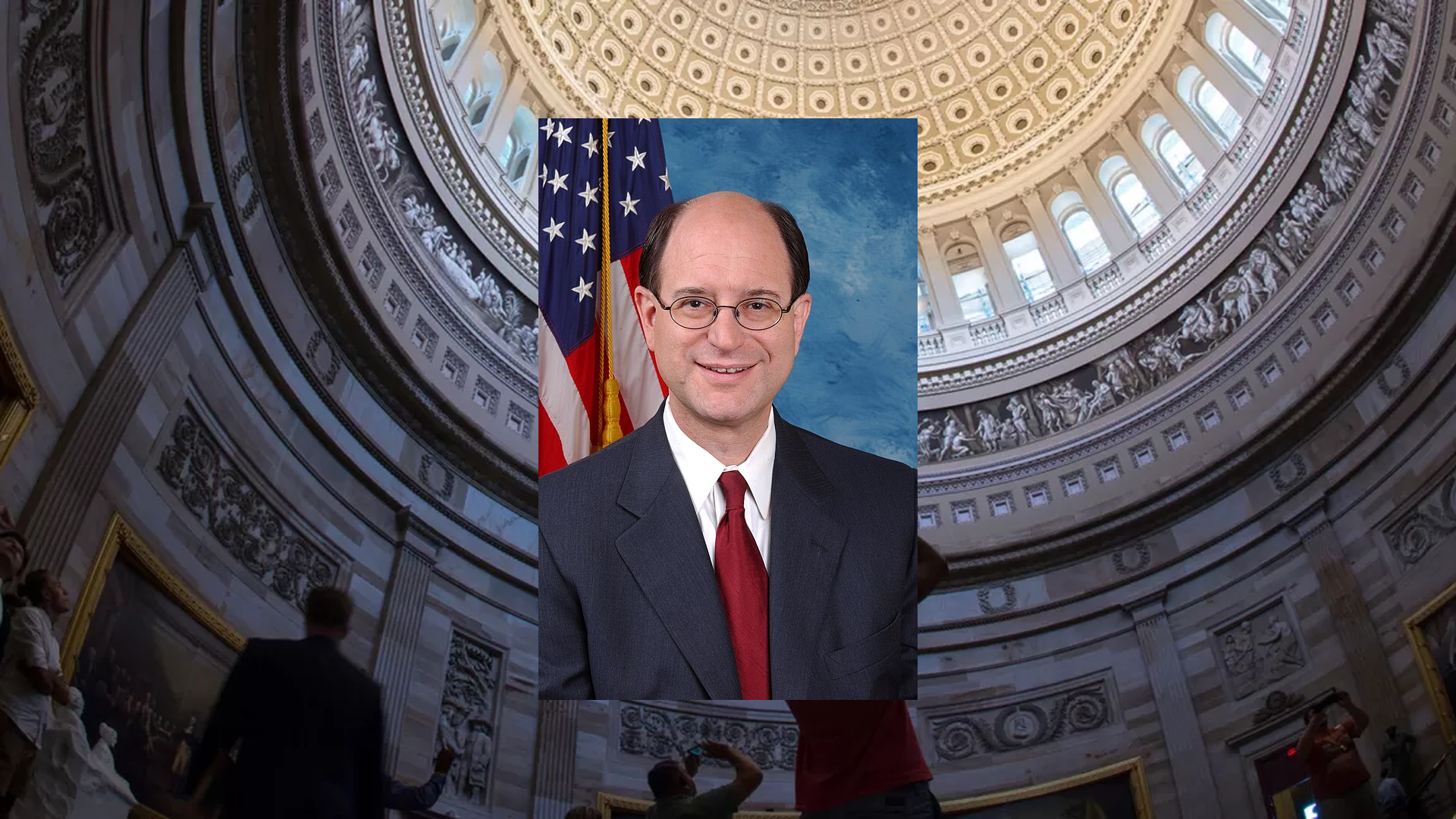
Casten and Elmhurst University announced $950,000 in federal funding for health sciences research and simulation equipment.
Quiver AI Summary
Funding announced at Elmhurst University: U.S. Rep. Sean Casten and Elmhurst University said the school will receive $950,000 in federal funding for instructional, simulation, and research equipment in its Health Sciences Building. The money is intended to support student learning and faculty research.
Project details and purpose: The university said the funding will help equip programs including nursing, occupational therapy, speech-language pathology, and public health, with tools such as a 3-D Anatomage Table and other research equipment. Casten said the project was part of his Community Project Funding requests for FY 2026.
Disclaimer: This is an AI-generated summary of a press release. The model used to summarize this release may make mistakes. See the full release here.
Check out the Quiver Quantitative API to build on top of data on congressional stock trading, insider transactions, hedge fund moves, and more.
Sean Casten Fundraising
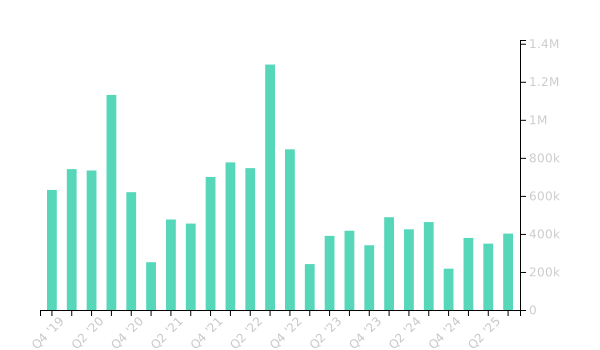
Sean Casten recently disclosed $304.3K of fundraising in a Q2 FEC disclosure filed on July 15th, 2026. This was the 332nd most from all Q2 reports we have seen this year. 57.1% came from individual donors.
Casten disclosed $210.5K of spending. This was the 486th most from all Q2 reports we have seen from politicians so far this year.
Casten disclosed $1.3M of cash on hand at the end of the filing period. This was the 340th most from all Q2 reports we have seen this year.
You can see the disclosure here, or track Sean Casten's fundraising on Quiver Quantitative.
Sean Casten Net Worth
Quiver Quantitative estimates that Sean Casten is worth $4.1M, as of September 10th, 2026. This is the 194th highest net worth in Congress, per our live estimates.
Casten has approximately $448.6K invested in publicly traded assets which Quiver is able to track live.
You can track Sean Casten's net worth on Quiver Quantitative's politician page for Casten.
Sean Casten Bill Proposals
Here are some bills which have recently been proposed by Sean Casten:
- H.R.9732: Multi-Class Stock Company Voting Transparency Act.
- H.R.9399: Juvenile Firearms Safety Act of 2026
- H.R.9268: Stop Crypto ATM Scams Act
- H.R.8441: Military VOTE Act
- H.R.8133: DPA Workforce and Skilled Labor Needs Act of 2026
- H.R.7977: Energy Bills Relief Act
You can track bills proposed by Sean Casten on Quiver Quantitative's politician page for Casten.
2026 Illinois's 6th Congressional District Election
There has been approximately $3,649,291 of spending in Illinois's 6th congressional district elections over the last two years, per our estimates.
Approximately $153,219 of this has been from outside spending by PACs and Super PACs. Some of the groups who are spending money in this race include:
- PROJECT 218 ($129,045)
- NATIONAL ASSOCIATION OF REALTORS POLITICAL ACTION COMMITTEE ($24,174)
The rating for this race is currently "Solid D".
You can track this election on our matchup page for the 2026 Illinois's 6th congressional district election.
Haley Stevens and bipartisan lawmakers introduced a bill to expand data science education, teacher training, and student access.
Quiver AI Summary
Bill introduced: Rep. Haley Stevens and Reps. Jim Baird, Don Beyer and Brian Fitzpatrick said they introduced the bipartisan Data Science and Literacy Act. The proposal would expand access to data science education and help students gain skills for a data-driven economy.
What the bill would do: According to the release, the measure would create Education Department grants for curricula, student support, teacher training and partnerships with schools and colleges. It would also add evaluation and reporting requirements for the program.
Support cited: The release says several education and industry groups back the bill, and quotes lawmakers and advocates saying data literacy is increasingly important for students, educators and the workforce.
Disclaimer: This is an AI-generated summary of a press release. The model used to summarize this release may make mistakes. See the full release here.
Check out the Quiver Quantitative API to build on top of data on congressional stock trading, insider transactions, hedge fund moves, and more.
Haley M. Stevens Fundraising
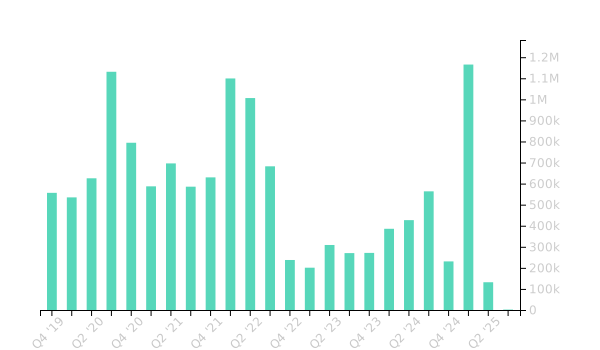
Haley M. Stevens recently disclosed $896.5K of fundraising in a Pre-Primary FEC disclosure filed on July 23rd, 2026. This was the 25th most from all Pre-Primary reports we have seen this year. 96.9% came from individual donors.
Stevens disclosed $1.5M of spending. This was the 51st most from all Pre-Primary reports we have seen from politicians so far this year.
Stevens disclosed $2.8M of cash on hand at the end of the filing period. This was the 111th most from all Pre-Primary reports we have seen this year.
You can see the disclosure here, or track Haley M. Stevens's fundraising on Quiver Quantitative.
Haley M. Stevens Net Worth
Quiver Quantitative estimates that Haley M. Stevens is worth $348.0K, as of September 10th, 2026. This is the 432nd highest net worth in Congress, per our live estimates.
Stevens has approximately $132.5K invested in publicly traded assets which Quiver is able to track live.
You can track Haley M. Stevens's net worth on Quiver Quantitative's politician page for Stevens.
Haley M. Stevens Bill Proposals
Here are some bills which have recently been proposed by Haley M. Stevens:
- H.R.9768: Tariff Refund Act of 2026
- H.R.9370: Protect Local Funding Act
- H.R.9162: Protecting America from Chinese Cars Act of 2026
- H.R.9161: Secure Aluminum Supply Chains Act
- H.R.9003: Keep Illegal Handguns Out of the Mail Act of 2026
- H.R.8866: Build to Scale Reauthorization Act of 2026
You can track bills proposed by Haley M. Stevens on Quiver Quantitative's politician page for Stevens.
2026 Michigan's 11th Congressional District Election
There has been approximately $6,801,604 of spending in Michigan's 11th congressional district elections over the last two years, per our estimates.
Approximately $454,075 of this has been from outside spending by PACs and Super PACs. Some of the groups who are spending money in this race include:
- THINK BIG ($294,613)
- EQUALITY PAC ($104,881)
- INTEGRITY PAC ($40,000)
- SOMOS PAC ($6,414)
- REPRODUCTIVE FREEDOM FOR ALL FREEDOM FUND ($4,368)
The rating for this race is currently "Solid D".
You can track this election on our matchup page for the 2026 Michigan's 11th congressional district election.
Murphy led a bipartisan delegation to Sarajevo, emphasizing security cooperation, democratic support, and regional stability.
Quiver AI Summary
Delegation visit to Sarajevo: Congressman Greg Murphy said he led a bipartisan congressional delegation to the Sarajevo Security Conference over the weekend. The event is described as a forum for policy and business leaders focused on security issues in Central, Eastern and Southeastern Europe.
Murphy’s stated goals: In a quoted statement, Murphy said he used the trip to encourage greater Balkan and European cooperation with the U.S. on defense and security, and to support democratic processes in Bosnia. He also referred to the Srebrenica genocide and to concerns about China, Russia and Iran.
Disclaimer: This is an AI-generated summary of a press release. The model used to summarize this release may make mistakes. See the full release here.
Check out the Quiver Quantitative API to build on top of data on congressional stock trading, insider transactions, hedge fund moves, and more.
Gregory F. Murphy Fundraising
Gregory F. Murphy recently disclosed $331.5K of fundraising in a Q2 FEC disclosure filed on July 15th, 2026. This was the 307th most from all Q2 reports we have seen this year. 53.3% came from individual donors.
Murphy disclosed $339.8K of spending. This was the 312th most from all Q2 reports we have seen from politicians so far this year.
Murphy disclosed $2.7M of cash on hand at the end of the filing period. This was the 159th most from all Q2 reports we have seen this year.
You can see the disclosure here, or track Gregory F. Murphy's fundraising on Quiver Quantitative.
Gregory F. Murphy Net Worth
Quiver Quantitative estimates that Gregory F. Murphy is worth $18.2M, as of September 10th, 2026. This is the 72nd highest net worth in Congress, per our live estimates.
Murphy has approximately $10.9M invested in publicly traded assets which Quiver is able to track live.
You can track Gregory F. Murphy's net worth on Quiver Quantitative's politician page for Murphy.
Gregory F. Murphy Bill Proposals
Here are some bills which have recently been proposed by Gregory F. Murphy:
- H.R.9862: Responsible Artificial Intelligence for Veterans Act of 2026
- H.R.9524: Veterans Care and Cost Coordination Act of 2026
- H.R.9504: Tax Exempt Hospital Transparency Act
- H.R.8553: POPCaP Authorization Act of 2026
- H.R.8344: Senior Citizens’ Freedom to Work Act of 2026
- H.R.8270: Every Dollar Counts Act of 2026
You can track bills proposed by Gregory F. Murphy on Quiver Quantitative's politician page for Murphy.
2026 North Carolina's 3rd Congressional District Election
There has been approximately $3,731,929 of spending in North Carolina's 3rd congressional district elections over the last two years, per our estimates.
Approximately $333,202 of this has been from outside spending by PACs and Super PACs. Some of the groups who are spending money in this race include:
- AB PAC ($326,560)
- ADVANCE NORTH CAROLINA ($6,642)
The rating for this race is currently "Solid R".
You can track this election on our matchup page for the 2026 North Carolina's 3rd congressional district election.