
H.R. 10486: Relief Without Delay Act
This bill would change how FEMA operates during a federal government funding lapse and would also create new tornado preparedness and response programs.
FEMA operations during a shutdown
If Congress does not pass appropriations on time, FEMA would still be required to keep its disaster relief, recovery, and mitigation work going using the Disaster Relief Fund. That would include both current and future disaster declarations, such as individual assistance and public assistance programs. FEMA would also have to keep enough staff and contractors on hand to process claims and make payments without interruption.
The bill says the Disaster Relief Fund’s unobligated money would remain available during a lapse in appropriations. It also bars those funds from being withheld, sequestered, or moved to other uses during a shutdown, except where needed to comply with the Anti-Deficiency Act. For purposes of shutdown rules, FEMA’s work under this bill would be treated as essential to protect human life and property.
New reporting requirements for FEMA
The bill would require FEMA to report to Congress within 60 days of enactment, and then every month after that, on the status of Disaster Relief Fund projects and activities. These reports would have to show how much money is left in the fund, how much has been committed, and how much has actually been paid out. They would also need to break down the information by disaster declaration and list pending public assistance projects, approved projects, disbursed funds, and any amounts being held back or delayed. FEMA would have to post each report on its website within 10 days of submission and create a standard reporting format within 90 days.
Housing and recovery needs assessments
The bill would require the Secretary of Housing and Urban Development to review disaster-related housing and infrastructure damage after a major disaster declaration, and then every quarter afterward. HUD would have to identify unmet housing and economic recovery needs and report those findings to Congress, including needs that could potentially be addressed through Community Development Block Grant Disaster Recovery funds and other federal disaster programs.
Tornado detection and warning improvements
The bill would direct NOAA, working with FEMA, to set up a program to improve tornado detection, forecasting, and warning systems. The program would include investment in newer radar, satellite, and sensor technology, development of forecasting models that use artificial intelligence and machine learning, better localized warning systems, and integration with state and local emergency management systems.
Community tornado resilience grants
FEMA would also have to create a grant program for state and local emergency management agencies in high-risk tornado areas. Grant money could be used for storm shelters, upgrades to warning systems, backup power for those systems, emergency preparedness planning, and public education efforts. The bill says FEMA should give priority to communities with high tornado risk, low-income or underserved communities, and places with limited access to warning systems or shelters.
Coordination and oversight
The bill would require NOAA and FEMA to work with state, local, tribal, and territorial governments on data sharing, emergency planning, and public outreach related to tornado preparedness and response. After the bill is implemented, NOAA and FEMA would also have to report to Congress on progress, including improvements in forecasting, warning system upgrades, grant use, remaining gaps, and any recommendations for further action.
Relevant Companies
None found
This is an AI-generated summary of the bill text. There may be mistakes.
Sponsors
23 bill sponsors
-
TrackWesley Bell
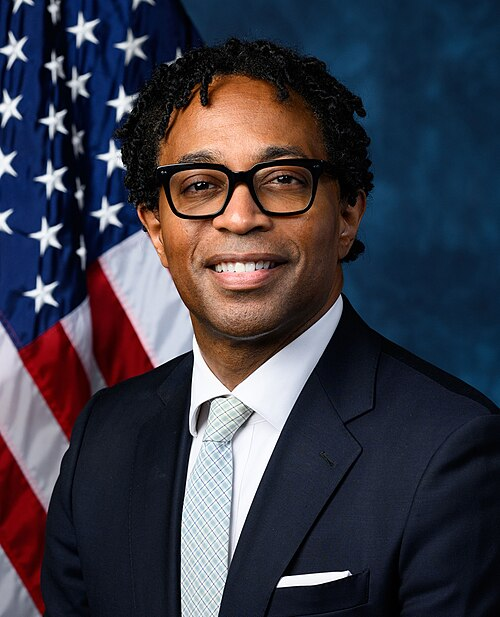
Sponsor
-
TrackYassamin Ansari
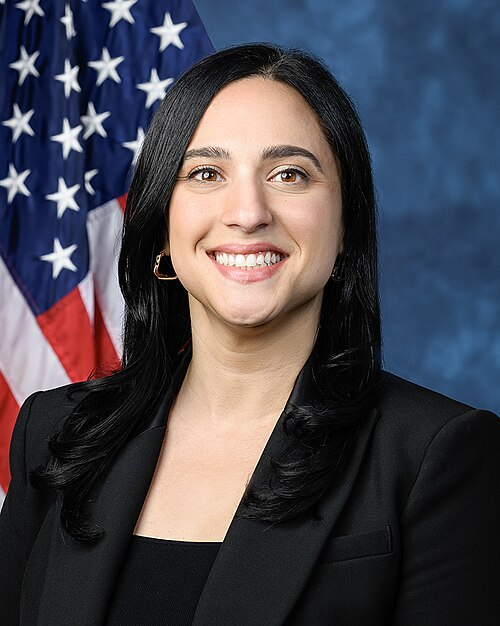
Co-Sponsor
-
TrackSanford D. Bishop, Jr.
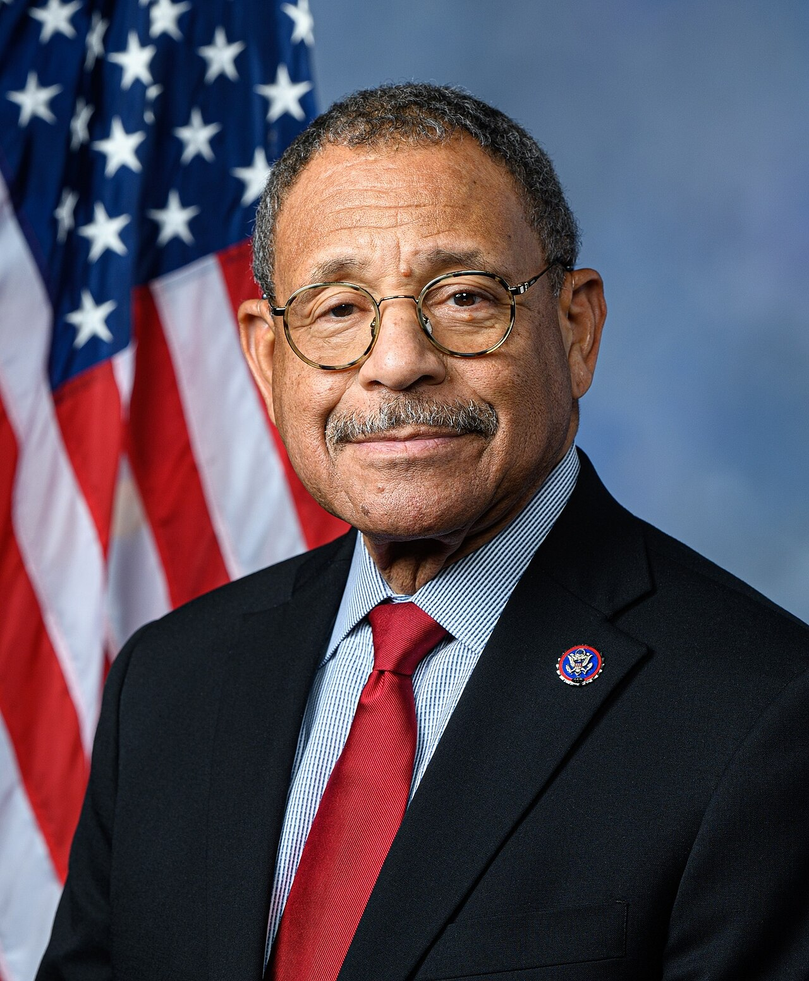
Co-Sponsor
-
TrackNikki Budzinski
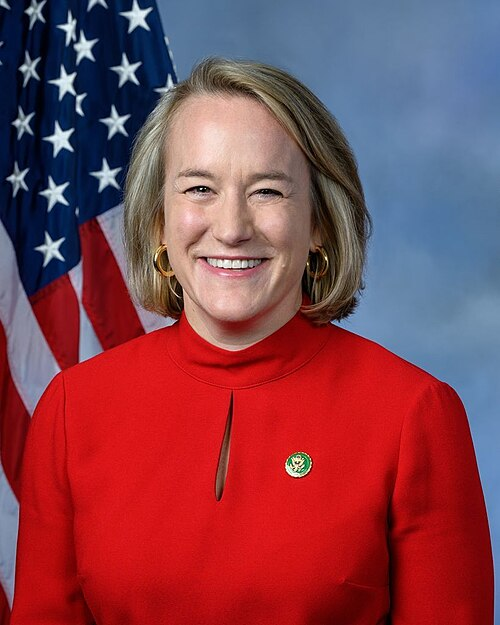
Co-Sponsor
-
TrackTroy A. Carter
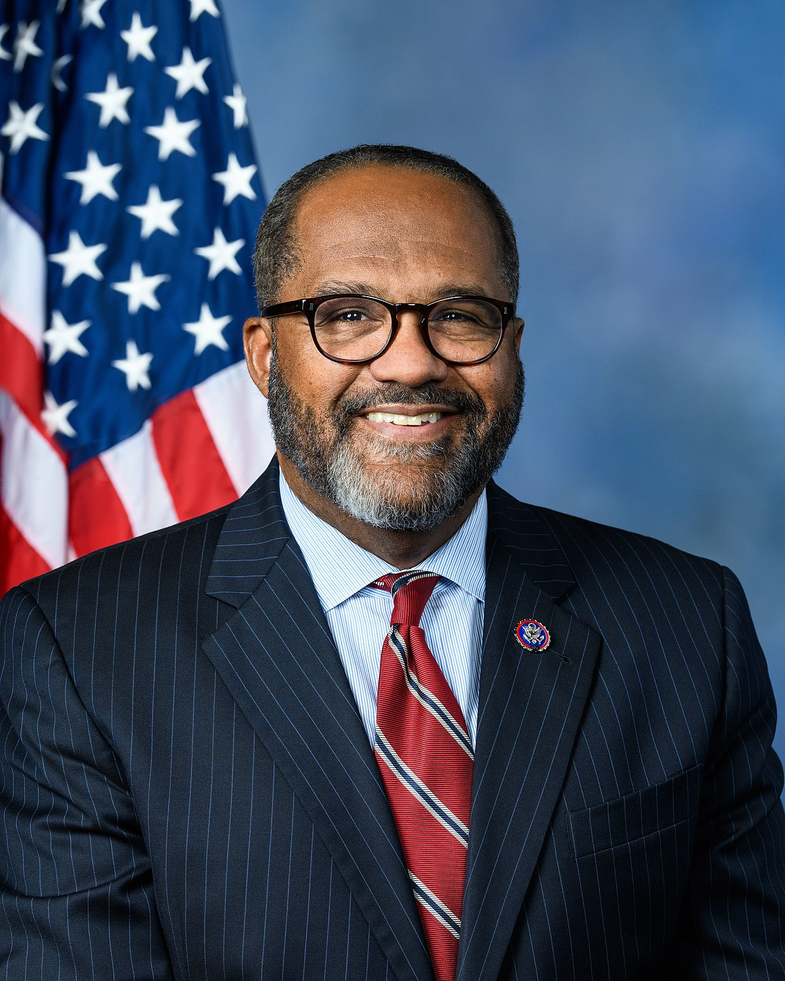
Co-Sponsor
-
TrackCleo Fields
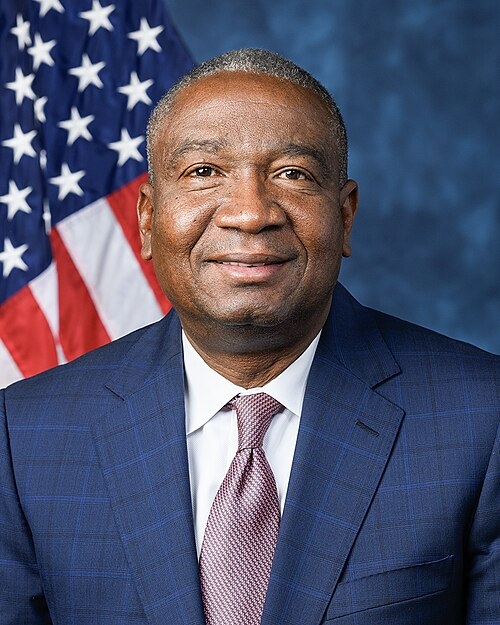
Co-Sponsor
-
TrackBrian K. Fitzpatrick
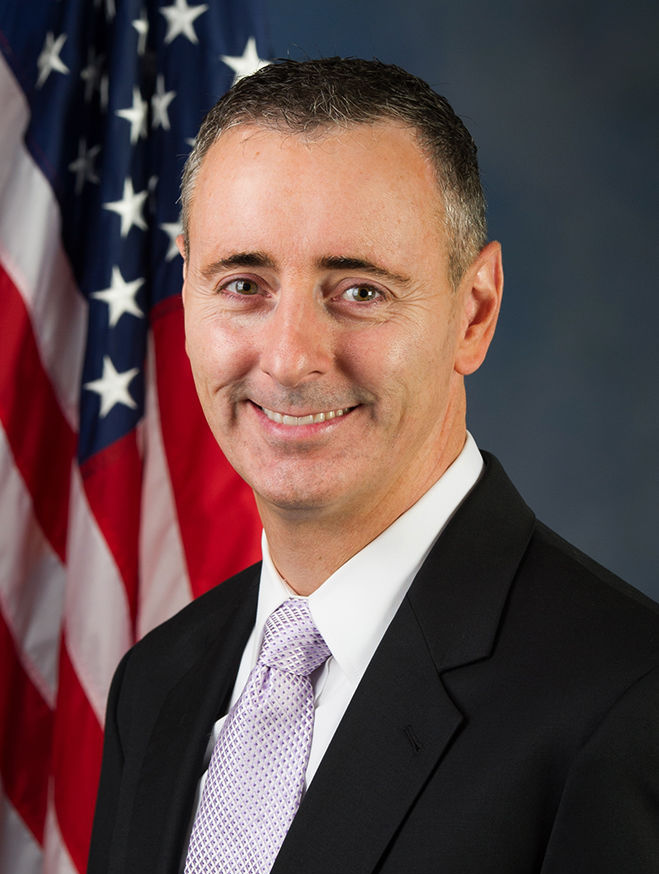
Co-Sponsor
-
TrackLois Frankel
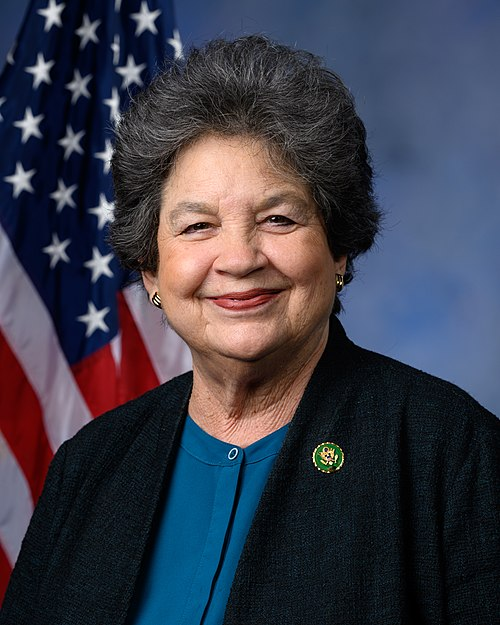
Co-Sponsor
-
TrackRobert Garcia
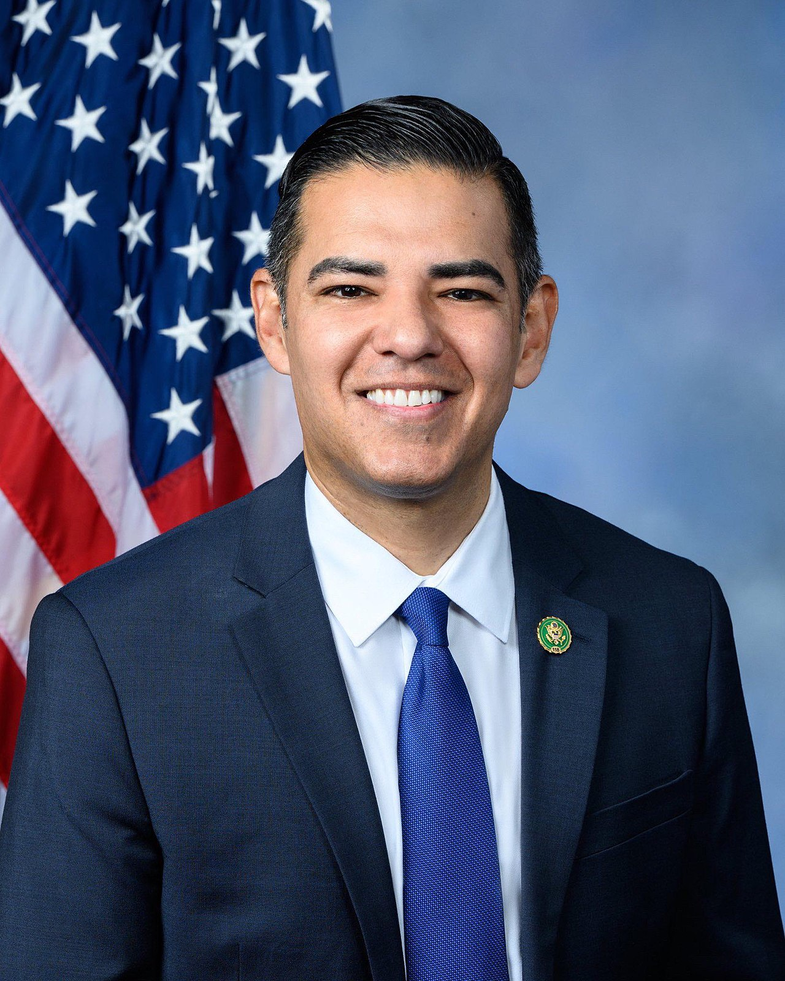
Co-Sponsor
-
TrackJeff Hurd
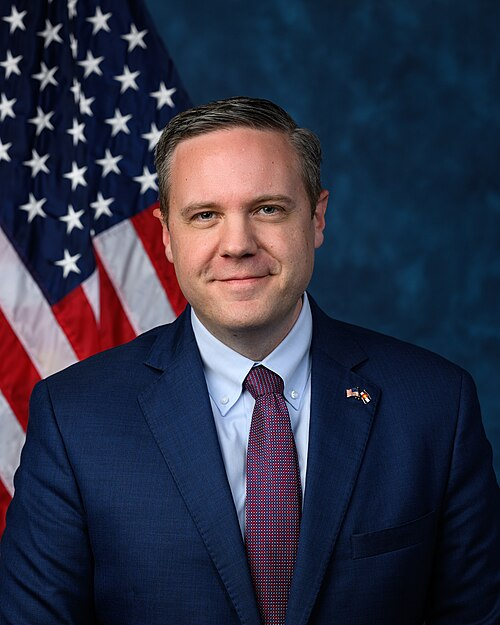
Co-Sponsor
-
TrackHenry C. "Hank" Johnson, Jr.
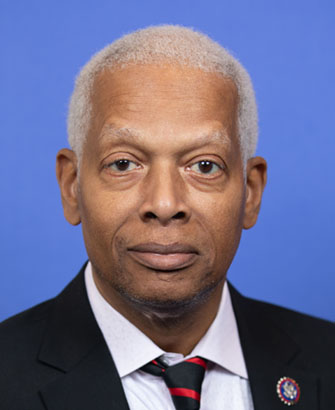
Co-Sponsor
-
TrackRaja Krishnamoorthi
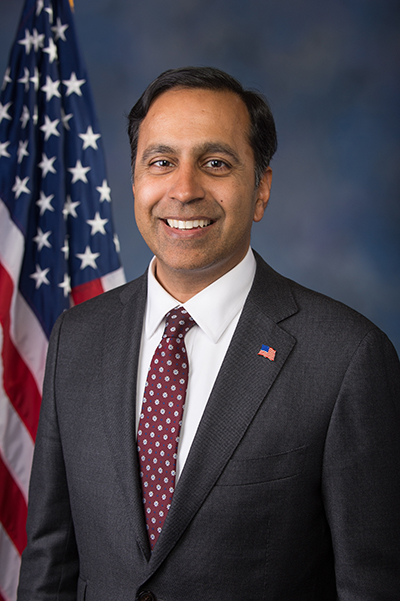
Co-Sponsor
-
TrackChristian Menefee

Co-Sponsor
-
TrackKweisi Mfume
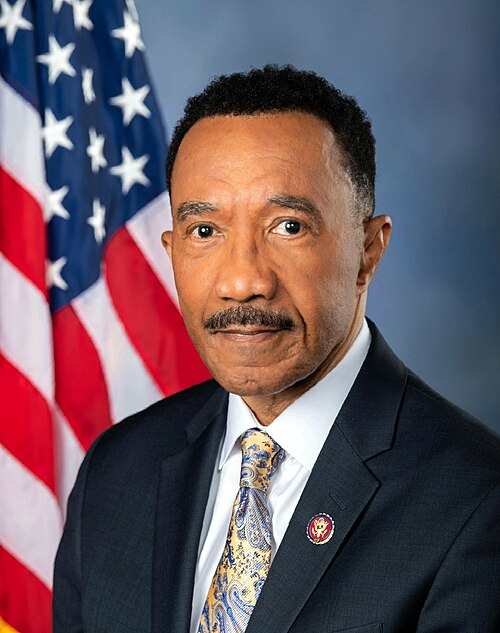
Co-Sponsor
-
TrackJared Moskowitz
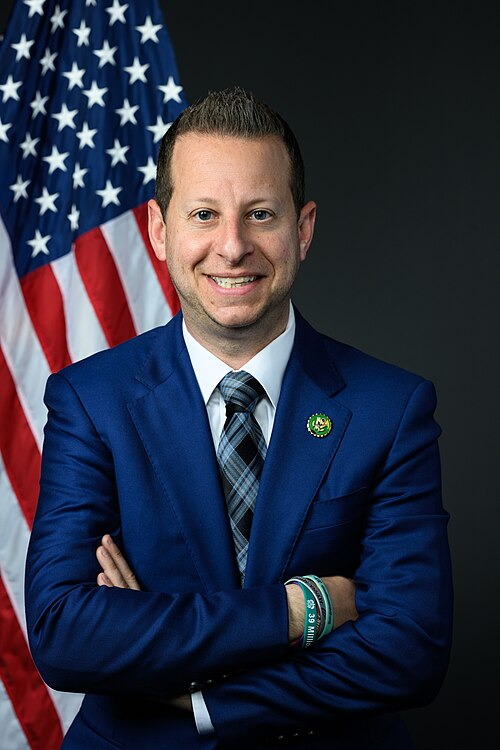
Co-Sponsor
-
TrackFrank J. Mrvan
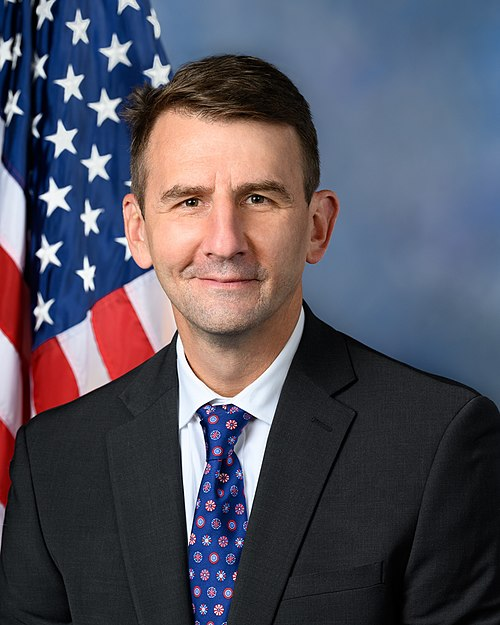
Co-Sponsor
-
TrackJosh Riley
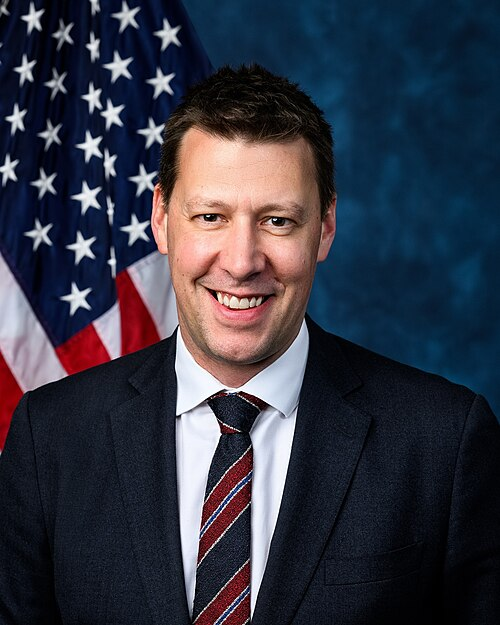
Co-Sponsor
-
TrackBrad Sherman
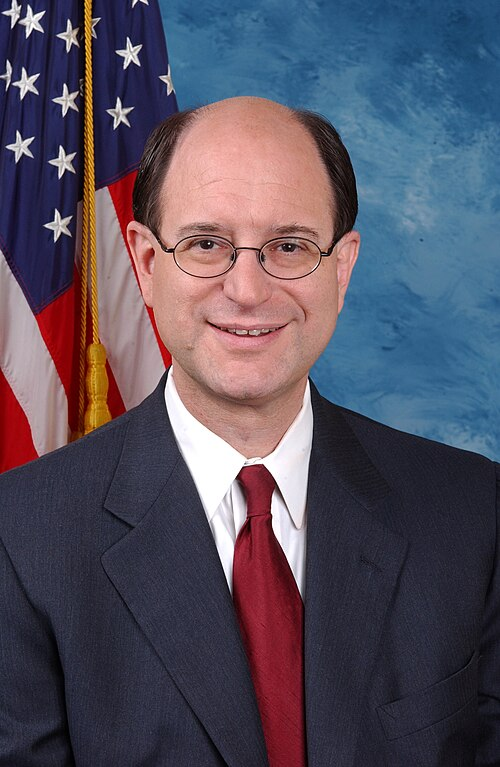
Co-Sponsor
-
TrackEric Sorensen
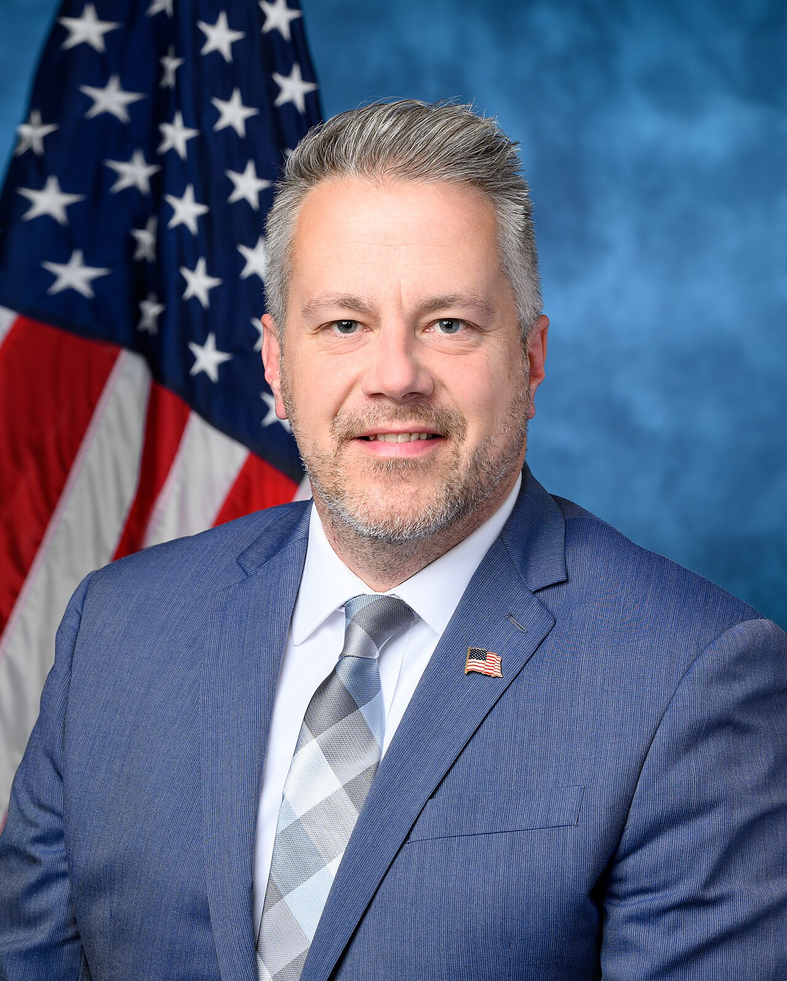
Co-Sponsor
-
TrackDarren Soto
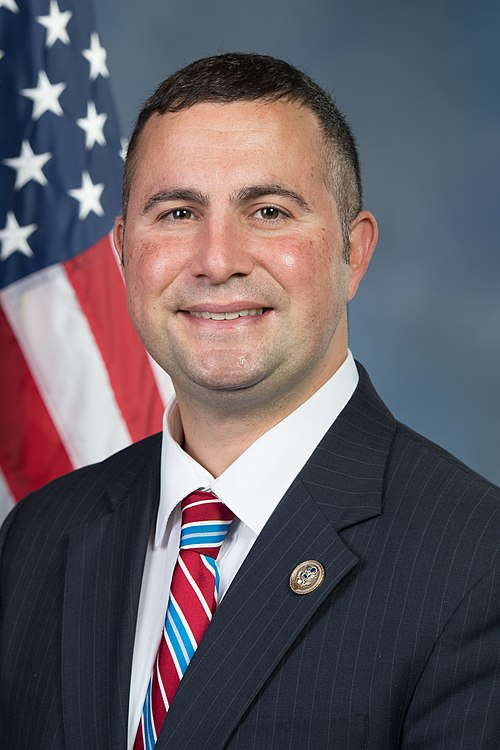
Co-Sponsor
-
TrackSuhas Subramanyam
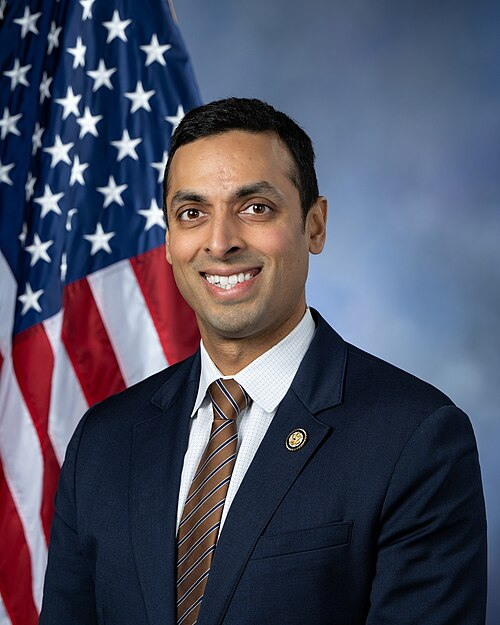
Co-Sponsor
-
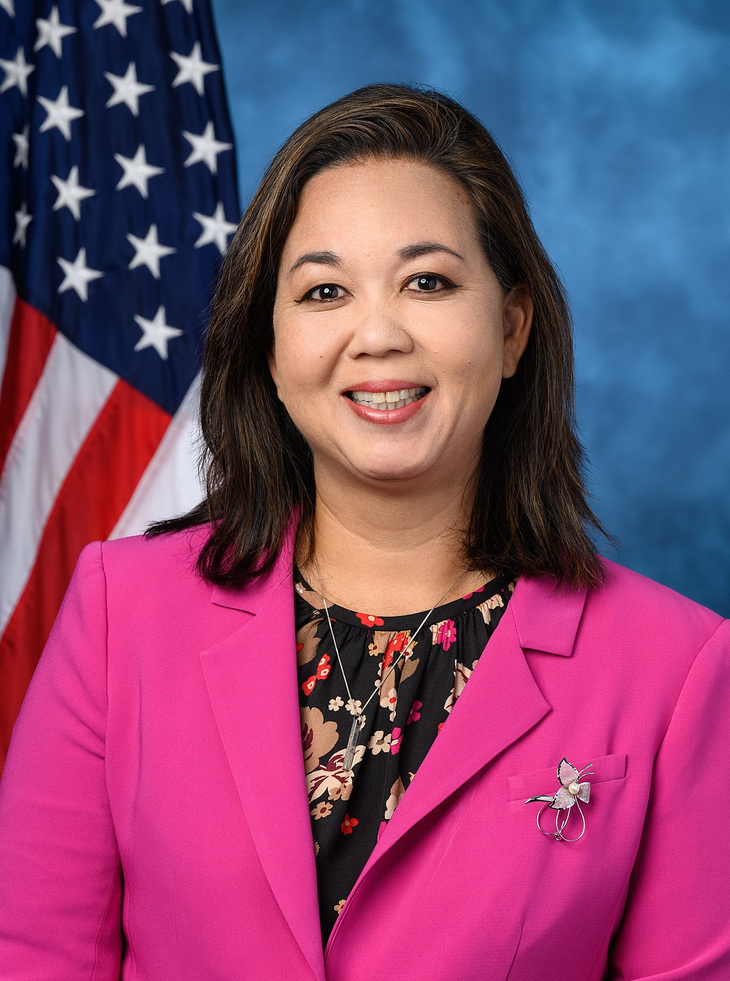
TrackJill N. Tokuda
Co-Sponsor
-
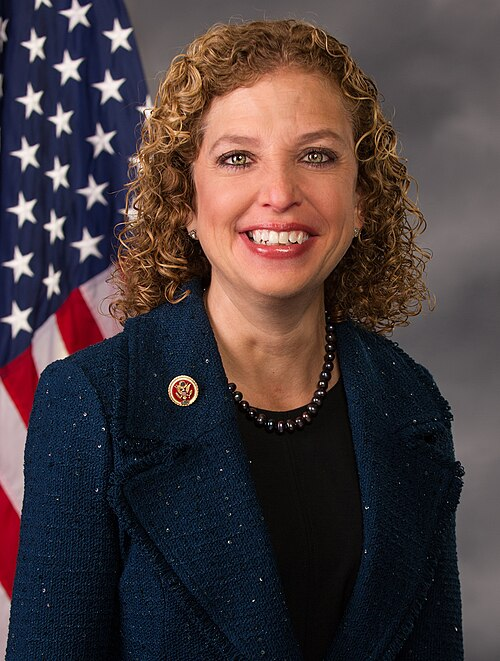
TrackDebbie Wasserman Schultz
Co-Sponsor
Actions
2 actions
| Date | Action |
|---|---|
| Sep. 17, 2026 | Introduced in House |
| Sep. 17, 2026 | Referred to the Committee on Transportation and Infrastructure, and in addition to the Committees on Science, Space, and Technology, and Financial Services, for a period to be subsequently determined by the Speaker, in each case for consideration of such provisions as fall within the jurisdiction of the committee concerned. |
Corporate Lobbying
0 companies lobbying
None found.
* Note that there can be significant delays in lobbying disclosures, and our data may be incomplete.
Potentially Relevant Congressional Stock Trades
No relevant congressional stock trades found.