
H.R. 9915: Stealth Bot Prohibition Act
This bill would make it illegal to use certain kinds of automated software, called stealth bots, to access websites, digital platforms, or online services in ways that are likely to damage, disrupt, or burden those services.
What counts as a “stealth bot”
The bill defines a stealth bot as software that accesses or interacts with a website or online service without clearly identifying itself and its purpose. That includes bots that:
- do not use a valid and accurate user-agent string, and/or
- do not disclose, when requesting access, what the bot is for and how the content will be used.
The definition is broad and includes tools used for crawling, scraping, indexing, fetching, AI agents, and similar automated systems.
What the bill prohibits
A person could not:
- deploy or direct a stealth bot to access a site or service in a way that is reasonably likely to damage, impair, or burden its technical or commercial operation; or
- intentionally disguise a bot as a human user when using it with a generative AI model or service.
Enforcement and penalties
The Federal Trade Commission (FTC) could bring civil lawsuits to stop violations or seek civil penalties. Each violation could be fined up to $53,000, with that amount adjusted over time for inflation. The bill also lets the FTC use its normal enforcement powers under the FTC Act for these cases.
State enforcement
State attorneys general and other state officials could also bring civil actions on behalf of residents if they believe the law has been violated. They could seek injunctions, compliance, damages, restitution, or other relief. They must notify the FTC before filing, or immediately after if advance notice is not feasible.
If the FTC or the U.S. Attorney General has already filed a federal action against a defendant for the same violation, states could not bring a separate action against that defendant for the same alleged conduct while the federal case is pending.
Other key details
- The bill does not limit other authority the FTC already has under other laws.
- It does not give the FTC new power to issue regulations under this section.
- Claims would have to be brought within six years of the violation.
- The bill would take effect 180 days after enactment.
Relevant Companies
None found
This is an AI-generated summary of the bill text. There may be mistakes.
Sponsors
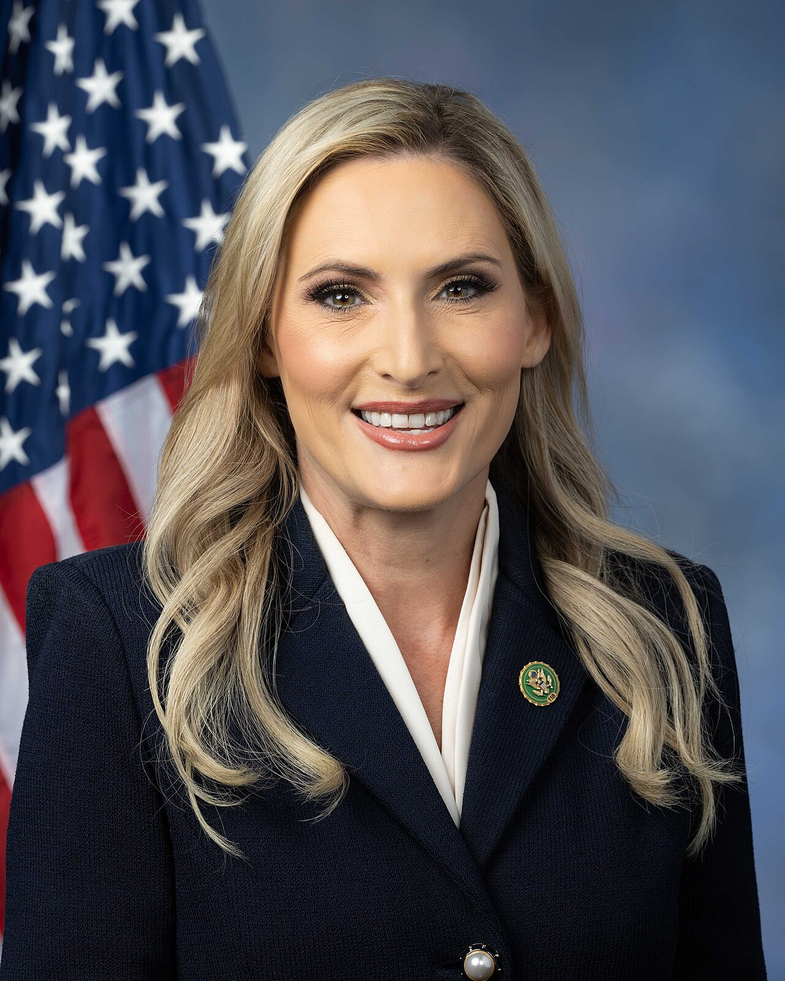
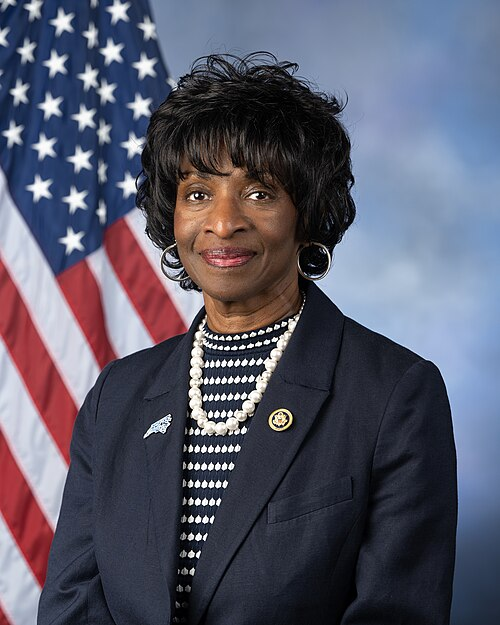
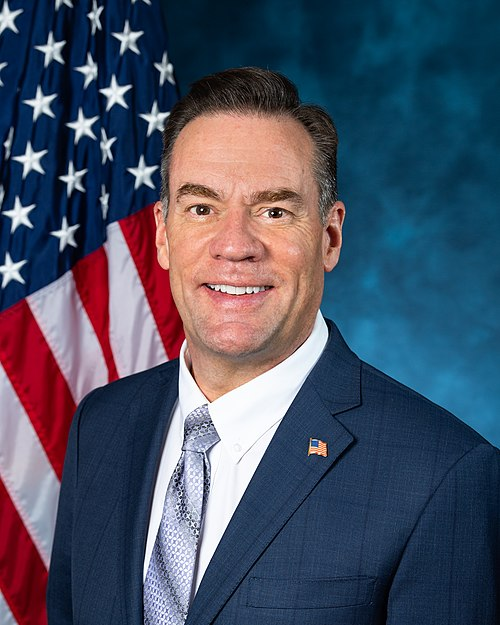
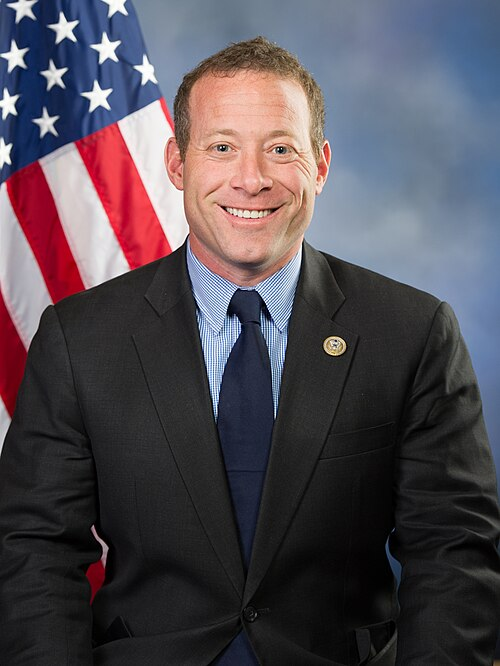
5 bill sponsors

Actions
2 actions
| Date | Action |
|---|---|
| Jul. 23, 2026 | Introduced in House |
| Jul. 23, 2026 | Referred to the House Committee on Energy and Commerce. |
Corporate Lobbying
0 companies lobbying
None found.
* Note that there can be significant delays in lobbying disclosures, and our data may be incomplete.
Potentially Relevant Congressional Stock Trades
No relevant congressional stock trades found.