H.R. 10807: Get the Flock Out of Our Communities Act
This bill would sharply limit the use of certain surveillance tools by federal, state, and local governments when federal money is involved.
What it would prohibit
It would ban federal funds from being used to buy, deploy, install, maintain, lease, access, or operate an “automated mass surveillance system.” The bill defines that term broadly to cover systems or technologies that collect, process, analyze, retain, or store information about a large number of people or an indefinite number of people.
The bill specifically names these as covered systems:
- Automatic license plate readers and related components
- Biometric surveillance systems
- Facial recognition technology
Limits on government use
It would also bar federal agencies, and their employees acting officially, from acquiring, possessing, accessing, requesting, or using these systems or data derived from them in the United States.
In addition, any state or local government that uses federal funds for such a system would have to remove it within 30 days after the bill becomes law.
Data deletion and evidence rules
Any covered government entity that has data collected by these systems would have to permanently delete that data within 7 days after enactment.
Data obtained in violation of the bill could not be used as evidence in court or in administrative proceedings.
Effect on federal grants
The bill would make states and local governments certify, when applying for certain federal law-enforcement grants, that they do not maintain, access, lease, or operate these surveillance systems or the data from them. The relevant grant programs are the Byrne grants and the COPS grant program. If they do not provide that certification, they would be ineligible for those funds.
How the bill defines covered technology
The bill gives broad definitions to the technologies it targets. For example, it treats biometric surveillance systems as software that can identify or verify a person using traits like fingerprints, voiceprints, iris or retina scans, facial or hand geometry, DNA, or gait. It defines facial recognition technology to include systems that identify a person from facial features, or that log face, head, or body characteristics to infer emotion, associations, activities, or location.
Relevant Companies
- AXON — Axon sells law-enforcement technology, including products and services that can overlap with body-worn video, digital evidence, and some surveillance-related analytics. This bill could affect government purchasing decisions for certain software or data services connected to mass surveillance uses.
- TSM — Taiwan Semiconductor Manufacturing does not appear directly targeted by the bill, but semiconductor supply chains can support surveillance hardware; any broad reduction in demand for such systems could indirectly affect component demand. However, direct impact is less likely than for software or surveillance vendors.
- PLTR — Palantir provides data analytics software to government customers. If any current or future contracts involve the collection, analysis, or sharing of data from covered surveillance systems, those uses could be restricted by this bill.
- MVIS — MicroVision is not a direct license-plate-reader or facial-recognition vendor, but companies in adjacent sensing and surveillance-related hardware markets could see reduced opportunities if government procurement shifts away from mass surveillance systems.
This is an AI-generated summary of the bill text. There may be mistakes.
Sponsors
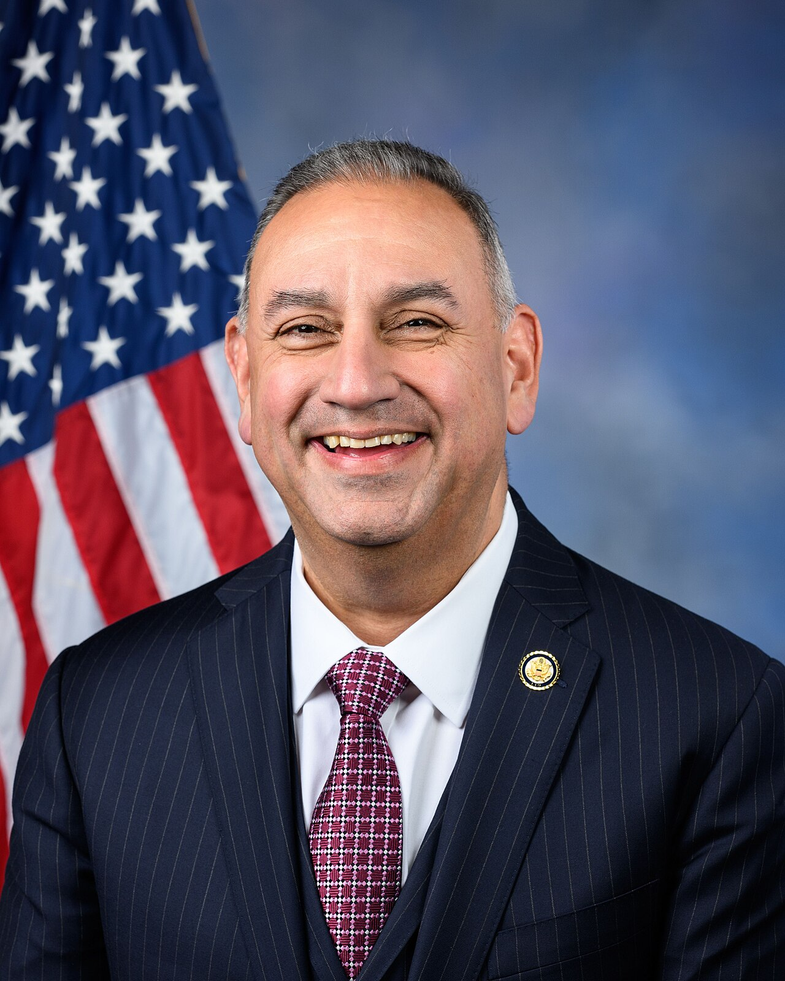
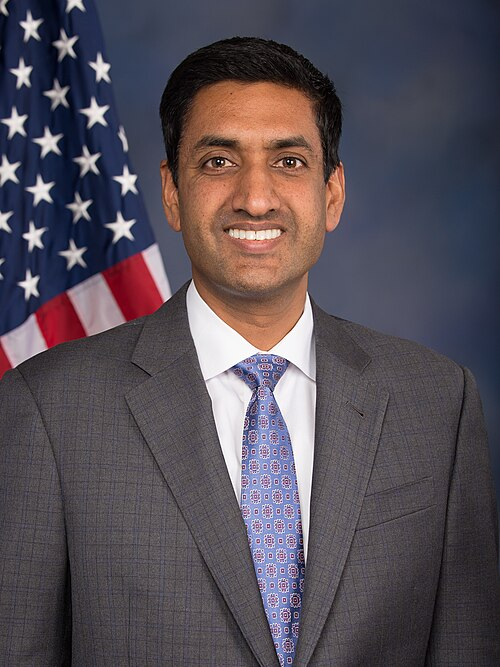
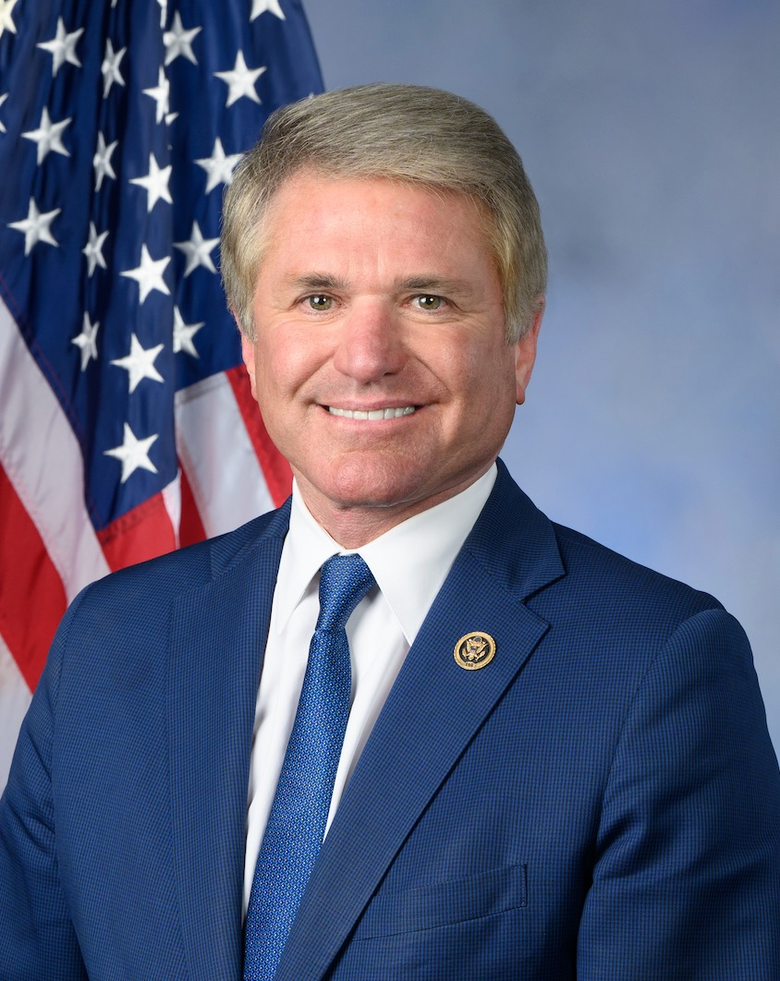
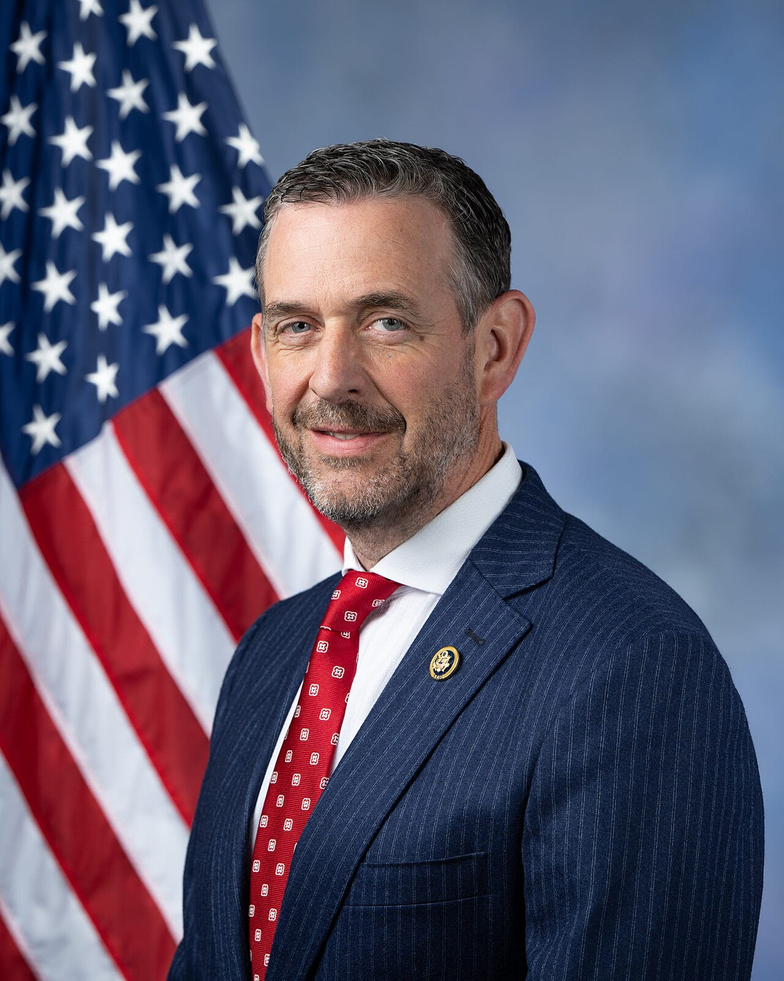
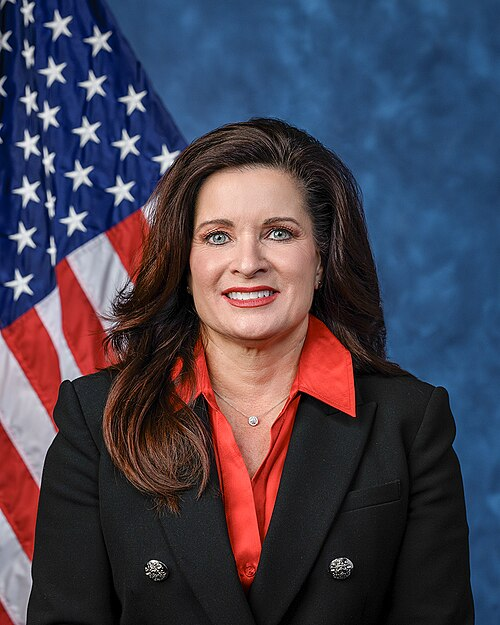
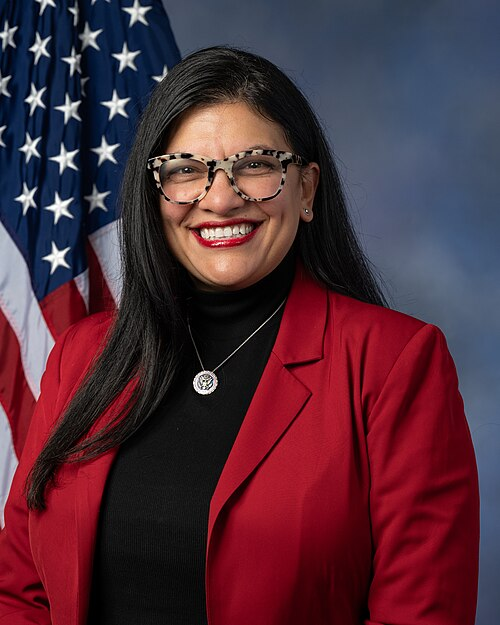
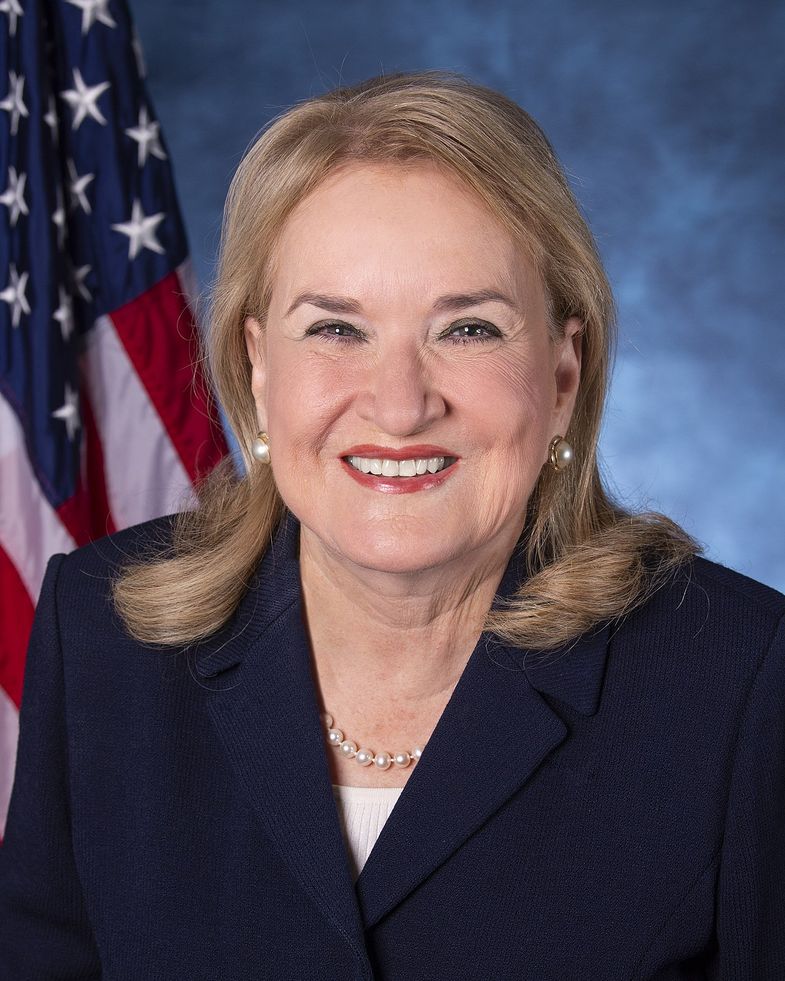
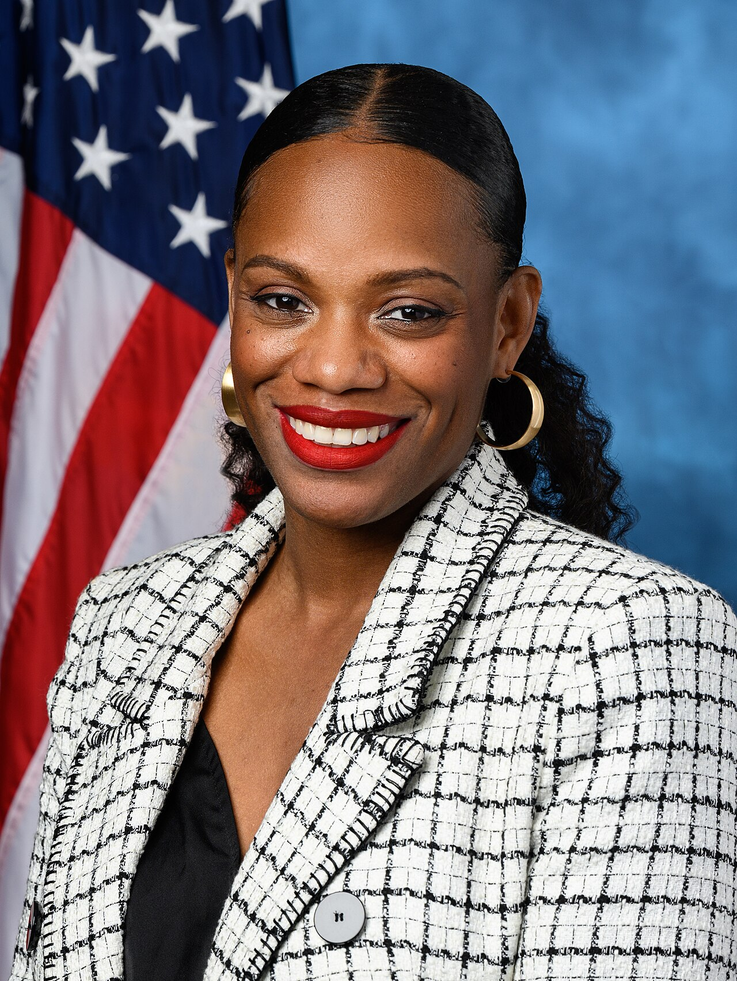
7 bill sponsors



Actions
2 actions
| Date | Action |
|---|---|
| Oct. 13, 2026 | Introduced in House |
| Oct. 13, 2026 | Referred to the Committee on Oversight and Government Reform, and in addition to the Committee on the Judiciary, for a period to be subsequently determined by the Speaker, in each case for consideration of such provisions as fall within the jurisdiction of the committee concerned. |
Corporate Lobbying
0 companies lobbying
None found.
* Note that there can be significant delays in lobbying disclosures, and our data may be incomplete.