
H.R. 8464: Stopping Fraudulent Payments Act
The "Stopping Fraudulent Payments Act" aims to enhance the oversight of federal payments to reduce instances of fraud and improper payments. Here’s a breakdown of what the bill proposes:
Authority to Pause and Segment Payments
The bill grants heads of federal agencies the authority to temporarily delay or segment payments in specific circumstances. This can be done when:
- The agency identifies payments that are at high risk for fraud based on established fraud-risk indicators.
- The agency responds to a notification from the Secretary of the Treasury concerning a payment that may present fraud risks.
Corrective Action Protocols
If a payment is flagged, the agency must verify the validity of the payment or the eligibility of the payee before processing it. The Secretary of the Treasury also has the power to demand the return of certified payment vouchers if they determine a payment poses an elevated risk of fraud or if the payee is flagged in the Do Not Pay system.
Documentation and Time-Limited Actions
The actions taken by agencies must be:
- Documented based on objective fraud-risk indicators.
- Narrowly focused on portions of payments that seem high-risk.
- Time-limited to the shortest duration necessary for verification efforts.
Notification Requirements
Agencies are required to notify payees promptly when payments are delayed, including information such as:
- The nature of the fraud-risk that triggered the delay.
- Details of how the payee can contest or clarify their payment status.
- A timeline for issuing the payment once issues are resolved, typically no later than 45 days after determination.
Segmentation of Payments
Federal agencies are encouraged to process parts of payments that are considered low-risk while holding back portions deemed suspicious. This allows for ongoing payments to those who are not involved in fraud while potential issues are investigated.
Law Enforcement Exemptions
In cases where the agency is notified by law enforcement that a payment action could hinder an active investigation, they may waive compliance with the provisions of this bill on a case-by-case basis.
Liability Protection
Officials and employees of the federal government who follow these protocols in good faith will not face personal liability for actions taken under this bill. It also clarifies that these actions do not constitute a final judgment on the payee's eligibility or conduct.
Implementation and Regulations
The Secretary of the Treasury is directed to create regulations and procedures to enforce these provisions within 180 days of the bill's enactment. Annual updates are also required to ensure ongoing compliance and effectiveness.
Definitions
- Routine, historically consistent payment amount: This refers to payment amounts typical for a payee based on past behavior and established patterns.
- Fraud-risk indicator: This is defined as any objective signal that may suggest fraudulent behavior, such as unusual transaction patterns or mismatched data.
Relevant Companies
None found.This is an AI-generated summary of the bill text. There may be mistakes.
Sponsors
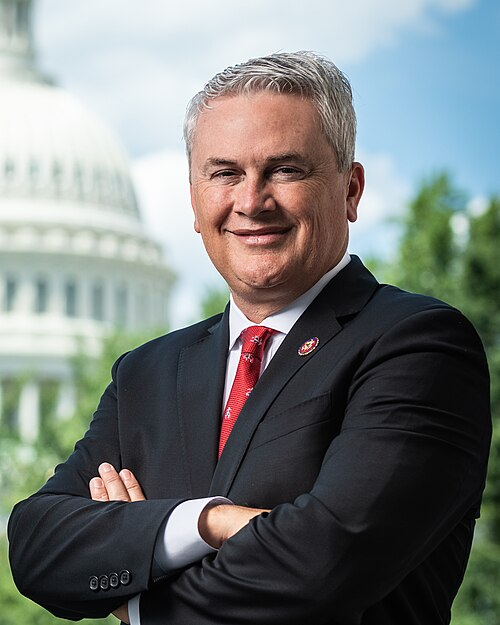
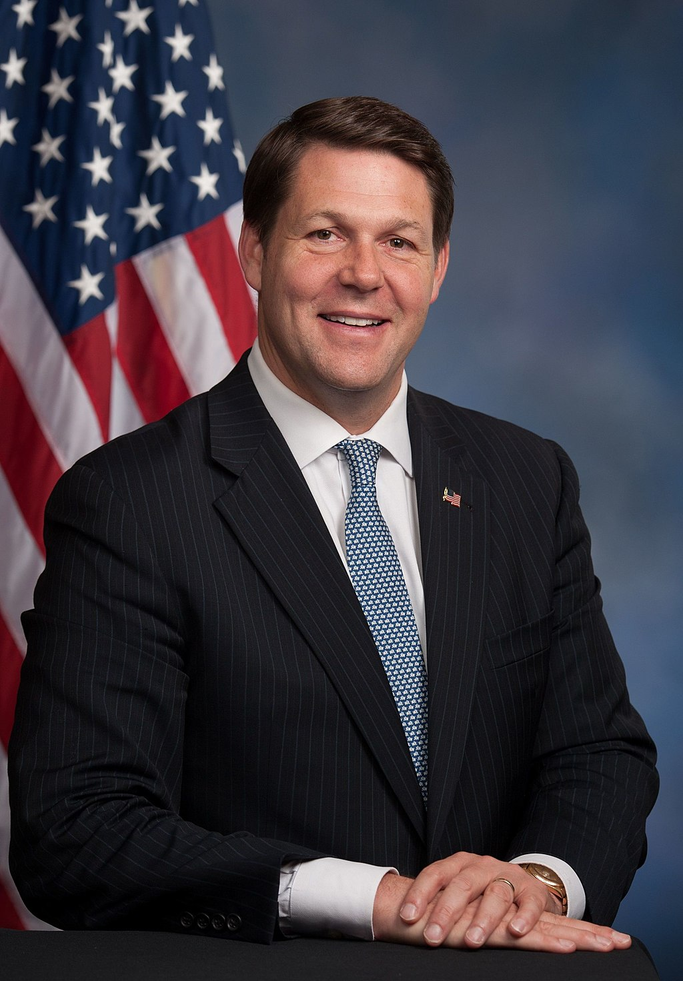
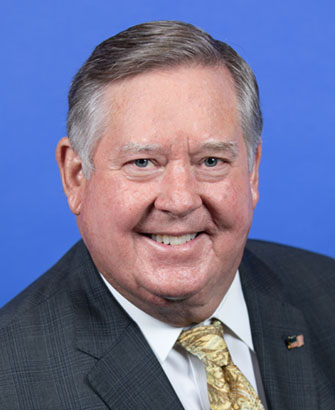
3 bill sponsors
Actions
20 actions
| Date | Action |
|---|---|
| Jun. 11, 2026 | Received in the Senate. |
| Jun. 10, 2026 | Considered as unfinished business. (consideration: CR H4078-4079) |
| Jun. 10, 2026 | Considered under the provisions of rule H. Res. 1345. (consideration: CR H4071-4075) |
| Jun. 10, 2026 | DEBATE - The House proceeded with one hour of debate on H.R. 8464. |
| Jun. 10, 2026 | Motion to reconsider laid on the table Agreed to without objection. |
| Jun. 10, 2026 | Mr. McGarvey moved to recommit to the Committee on Oversight and Government Reform. (text: CR H4075) |
| Jun. 10, 2026 | On motion to recommit Failed by the Yeas and Nays: 209 - 213 (Roll no. 219). |
| Jun. 10, 2026 | On passage Passed by the Yeas and Nays: 218 - 200 (Roll no. 220). (text of amendment in the nature of a substitute: CR H4071-4073) |
| Jun. 10, 2026 | Passed/agreed to in House: On passage Passed by the Yeas and Nays: 218 - 200 (Roll no. 220). (text of amendment in the nature of a substitute: CR H4071-4073) |
| Jun. 10, 2026 | POSTPONED PROCEEDINGS - At the conclusion of debate on H.R. 8464, the Chair put the question on motion to recommit and by voice vote, announced the ayes had prevailed. Mr. Comer demanded the yeas and nays and the Chair postponed further proceedings until a time to be announced. |
| Jun. 10, 2026 | Rule provides for consideration of H.R. 8312, H.R. 8464, H. Res. 1335 and S. 2. The resolution provides for consideration of H.R. 8312, H.R. 8464, H. Res. 1335, and S. 2 under a closed rule with one hour of general debate on each measure. The resolution provides for a motion to recommit H.R. 8312 and H.R. 8464 and a motion to commit S. 2. |
| Jun. 10, 2026 | The previous question on the motion to recommit was ordered pursuant to clause 2(b) of rule XIX. |
| Jun. 10, 2026 | The previous question was ordered pursuant to the rule. |
| Jun. 08, 2026 | Rules Committee Resolution H. Res. 1345 Reported to House. Rule provides for consideration of H.R. 8312, H.R. 8464, H. Res. 1335 and S. 2. The resolution provides for consideration of H.R. 8312, H.R. 8464, H. Res. 1335, and S. 2 under a closed rule with one hour of general debate on each measure. The resolution provides for a motion to recommit H.R. 8312 and H.R. 8464 and a motion to commit S. 2. |
| Jun. 03, 2026 | Placed on the Union Calendar, Calendar No. 597. |
| Jun. 03, 2026 | Reported (Amended) by the Committee on Oversight and Government Reform. H. Rept. 119-684. |
| Apr. 29, 2026 | Committee Consideration and Mark-up Session Held |
| Apr. 29, 2026 | Ordered to be Reported (Amended) by the Yeas and Nays: 23 - 17. |
| Apr. 23, 2026 | Introduced in House |
| Apr. 23, 2026 | Referred to the House Committee on Oversight and Government Reform. |
Corporate Lobbying
0 companies lobbying
None found.
* Note that there can be significant delays in lobbying disclosures, and our data may be incomplete.
Potentially Relevant Congressional Stock Trades
No relevant congressional stock trades found.