
H.R. 8846: Tornado Preparedness Act
This bill, known as the Tornado Preparedness Act, aims to enhance the safety and preparedness of communities in the United States against tornadoes and severe storms, particularly focusing on improving detection, forecasting, warning systems, and overall community resilience. Below are the key components of the bill:
Findings
The bill recognizes several important findings related to the threat of tornadoes, including:
- Tornadoes pose a persistent threat to many communities, especially in high-risk areas like the Midwest and Southeast.
- A tornado in May 2025 in St. Louis highlighted critical failures in local emergency warning systems.
- Reports indicated breakdowns in emergency management coordination and insufficient warning systems.
- Recent tornadoes have caused loss of life, significant property damage, and economic disruption.
- While technology has improved tornado forecasting and detection, there are still gaps in providing timely and actionable alerts.
- Many communities, particularly low-income and underserved areas, lack essential storm safety infrastructure.
- Improving coordination among federal, state, and local agencies is essential for effective tornado preparedness.
National Tornado Detection and Warning Improvement Plan
The bill mandates the National Oceanic and Atmospheric Administration (NOAA), in conjunction with the Federal Emergency Management Agency (FEMA), to establish a program aimed at:
- Investing in advanced radar and sensor technology.
- Developing improved forecasting models, utilizing artificial intelligence and machine learning.
- Expanding localized warning systems that are based on the specific impacts of tornadoes.
- Enhancing existing warning systems.
- Integrating federal forecasting capabilities with state and local emergency management operations.
Community Tornado Resilience Grant Program
The bill establishes a grant program administered by FEMA that allocates funding to boost tornado preparedness and community resilience in high-risk areas. The grants can be utilized for:
- Building or retrofitting community storm shelters, especially in schools and high-risk residential areas.
- Upgrading and modernizing warning systems.
- Installing backup power for warning systems to ensure they remain operational during outages.
- Creating local emergency preparedness plans and public awareness campaigns.
- Other initiatives deemed appropriate to enhance tornado resilience.
Priority for these grants will be given to:
- Communities with a high risk of tornadoes.
- Underserved and low-income communities.
- Communities lacking adequate shelter and warning systems.
Interagency Coordination
NOAA and FEMA are required to work with various levels of government—including state, local, tribal, and territorial entities—to improve tornado preparedness through:
- Data sharing and integration of forecasting tools.
- Collaborative emergency response planning.
- Public education and outreach campaigns on tornado safety and preparedness.
Report to Congress
After implementing the provisions of the Act, NOAA, in coordination with FEMA, will need to report to Congress on:
- Improvements in tornado detection and forecasting.
- Status updates on upgrades to warning systems.
- A summary of grants awarded and their impact on preparedness.
- Remaining gaps in tornado preparedness efforts.
- Recommendations for future actions to enhance tornado safety.
Definitions
The bill includes specific definitions for terms such as:
- "Appropriate congressional committees" meaning relevant committees overseeing transportation, science, and appropriations.
- "FEMA" refers to the Federal Emergency Management Agency.
- "High-risk area" is defined as regions identified as having a frequent or elevated risk of tornado activity.
- "NOAA" refers to the National Oceanic and Atmospheric Administration.
Relevant Companies
None found
This is an AI-generated summary of the bill text. There may be mistakes.
Sponsors
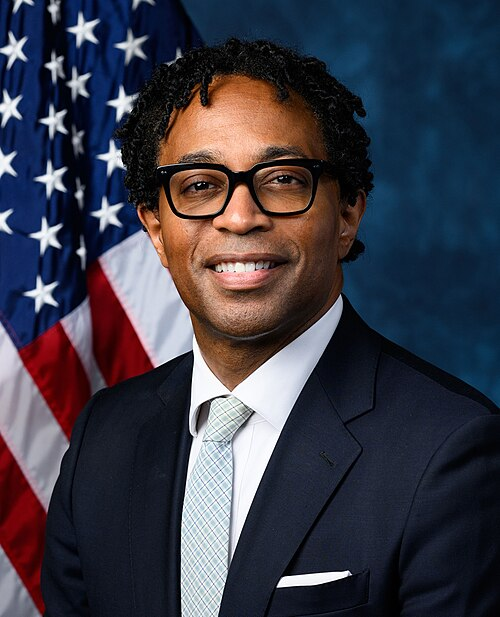
1 sponsor
Actions
2 actions
| Date | Action |
|---|---|
| May. 15, 2026 | Introduced in House |
| May. 15, 2026 | Referred to the Committee on Science, Space, and Technology, and in addition to the Committee on Transportation and Infrastructure, for a period to be subsequently determined by the Speaker, in each case for consideration of such provisions as fall within the jurisdiction of the committee concerned. |
Corporate Lobbying
0 companies lobbying
None found.
* Note that there can be significant delays in lobbying disclosures, and our data may be incomplete.
Potentially Relevant Congressional Stock Trades
No relevant congressional stock trades found.