H.R. 9490: Bank Failure Accountability Act
This bill would require large financial institutions and certain related businesses to hold back part of the pay of some of their highest-paid employees, instead of paying it all out right away.
Who would be covered
The bill applies to financial institutions with more than $1 billion in consolidated assets. That includes:
- Banks and bank holding companies
- Broker-dealers
- Credit unions
- Investment advisers
- Fannie Mae and Freddie Mac
It also applies to the subsidiaries of these institutions.
How the pay holdback would work
Each covered institution would have to create a deferment fund. Each year, it would have to defer at least 50% of the portion of a senior employee’s total compensation that is above seven times the institution’s median employee pay.
In plain terms, if a senior employee is paid far more than the typical worker, part of that extra pay would be set aside instead of being paid immediately.
The bill defines “compensation” broadly. It includes:
- Salary
- Bonuses and incentives
- Benefits
- Severance and deferred pay
- Golden parachute payments
- Profits from selling company stock
Who counts as a senior employee
The bill would cover senior executives and other highly paid employees. Depending on the size of the institution, this can include people who:
- Are senior executive officers
- Earn more than $1 million per year
- Are among the top 2% or top 5% of earners at very large institutions
- Can expose a significant portion of the institution’s capital to risk
When deferred pay would be released
The deferred compensation would be held for a period that depends on the size of the institution:
- 2 years for institutions with $10 billion to under $50 billion in assets
- 6 years for institutions with $50 billion to under $250 billion in assets
- 8 years for institutions with $250 billion or more in assets
- For institutions under $10 billion, regulators could set a period if they think it is needed
If money is still left in the fund after that period, the employee would get the deferred amount paid out.
How the fund would be used
If the institution or a subsidiary is fined for civil or criminal wrongdoing, it would have to use the deferment fund first to pay that fine.
If the institution is a bank or credit union that fails, the fund would also be used to help make depositors whole before the Deposit Insurance Fund or the National Credit Union Share Insurance Fund is used for that purpose.
What happens if the fund is not enough
If the deferment fund does not have enough money to repay deferred compensation after the waiting period, the unpaid deferred compensation would be canceled.
Former employees
The bill also includes a rule for people who no longer work at the institution. If deferred compensation is tied to a former employee and the institution later has to pay a fine for misconduct that happened after that person left, the institution must keep that person’s deferred money separate. That money could only be used to pay that person later, or to pay a fine for misconduct that happened while that person was still employed there.
Regulatory authority
Several federal regulators would be allowed to issue rules to carry out the law, including the Federal Reserve, OCC, FDIC, FHFA, NCUA, and SEC.
Relevant Companies
- JPM — JPMorgan Chase, as a large bank that would likely be subject to the compensation deferral rules.
- BAC — Bank of America, as a large bank that would likely be subject to the compensation deferral rules.
- WFC — Wells Fargo, as a large bank that would likely be subject to the compensation deferral rules.
- C — Citigroup, as a large bank that would likely be subject to the compensation deferral rules.
- GS — Goldman Sachs, as a major broker-dealer and financial institution covered by the bill.
- MS — Morgan Stanley, as a major broker-dealer and financial institution covered by the bill.
- BLK — BlackRock, as a large investment adviser that could be covered if it meets the asset threshold.
- UBS — UBS, as a large financial institution with U.S. operations that could be affected if covered under the law’s definitions.
- FNMA — Fannie Mae, which is specifically included in the bill’s definition of covered financial institution.
- FMCC — Freddie Mac, which is specifically included in the bill’s definition of covered financial institution.
This is an AI-generated summary of the bill text. There may be mistakes.
Sponsors
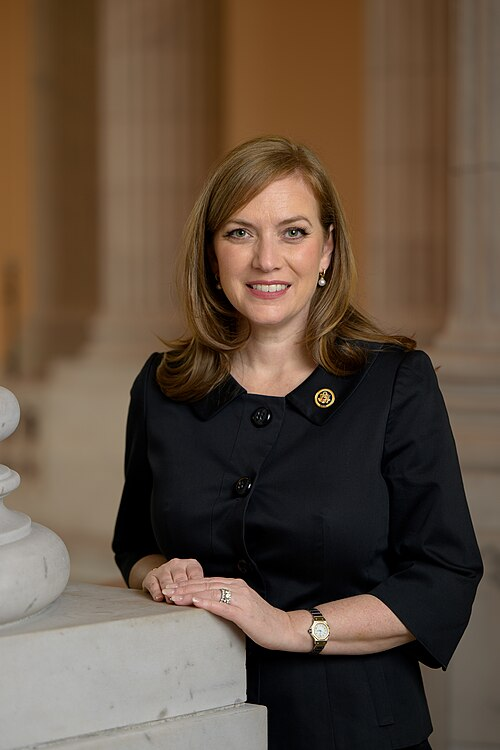
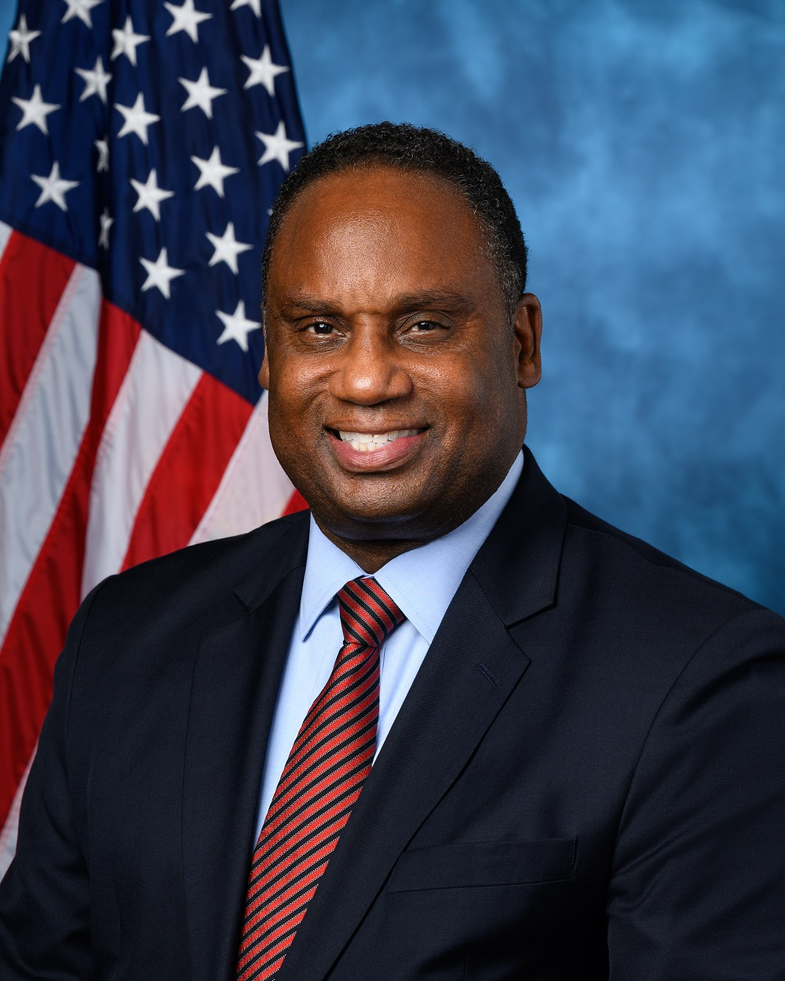
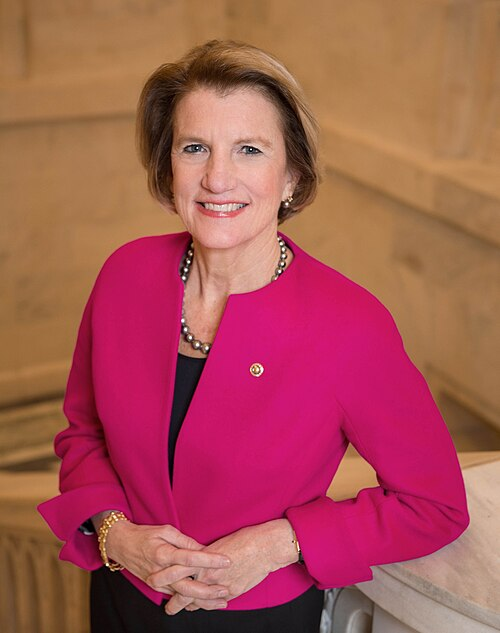
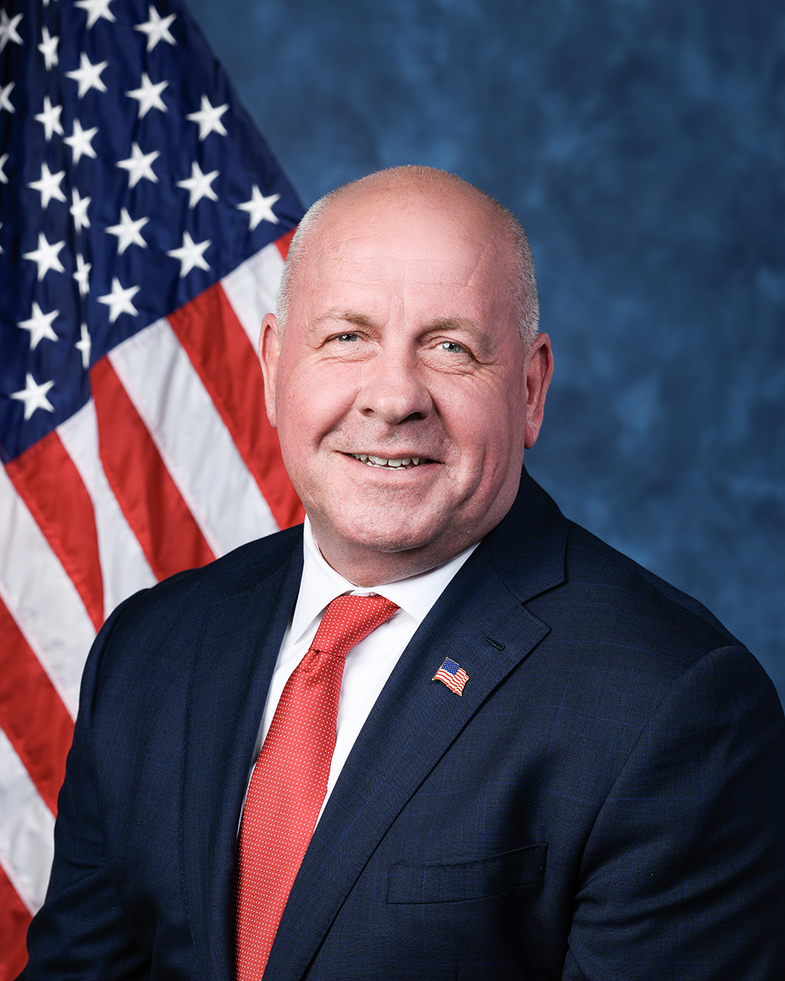
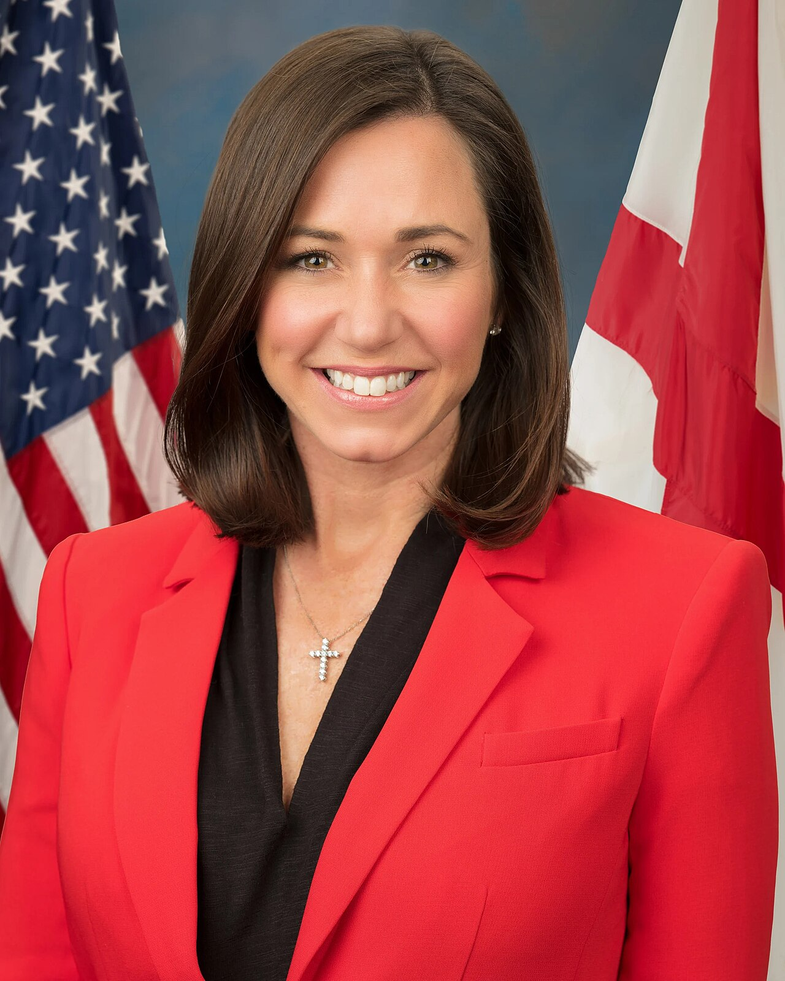
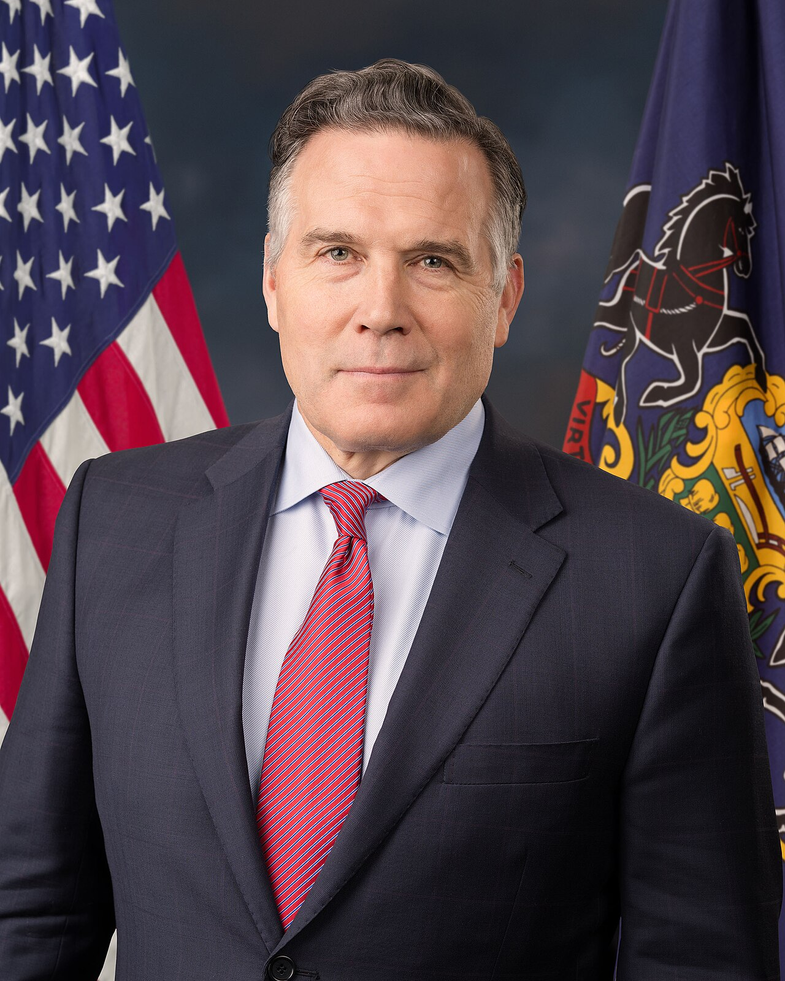
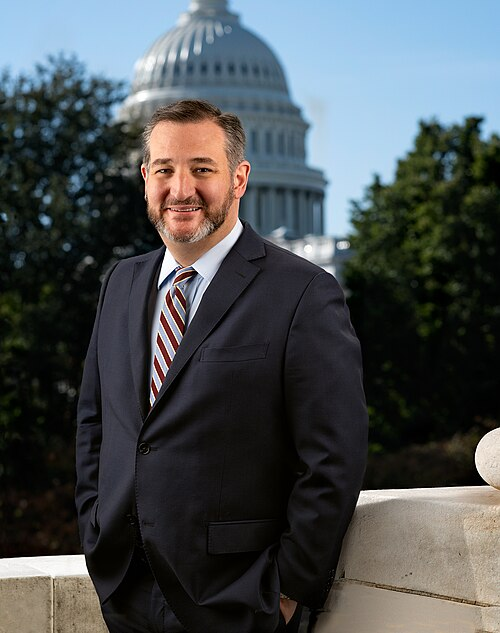
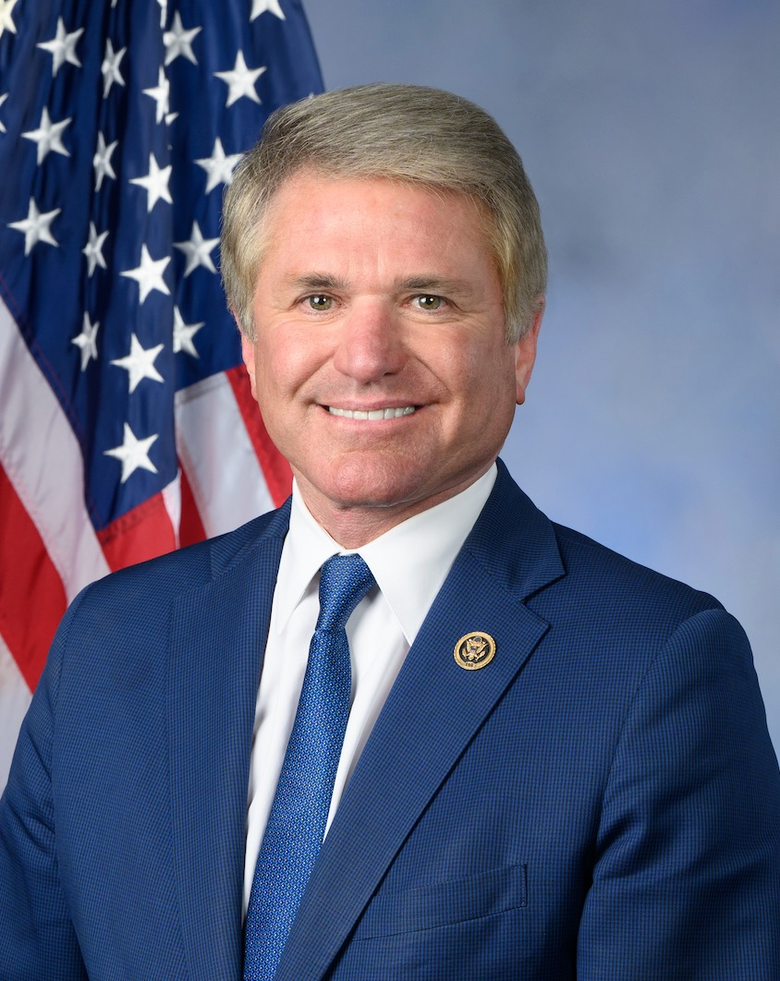
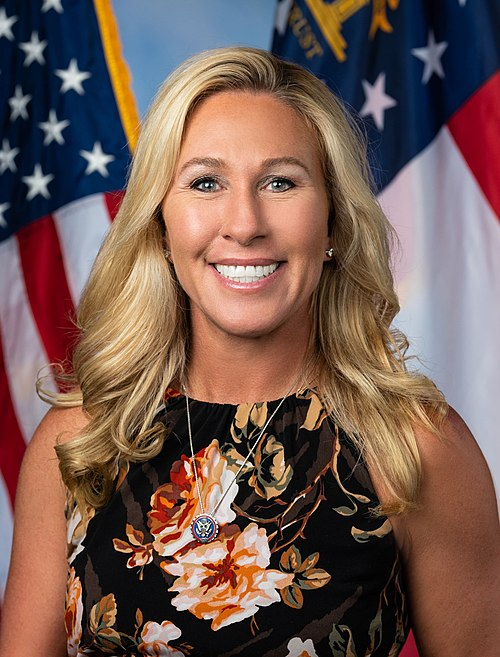
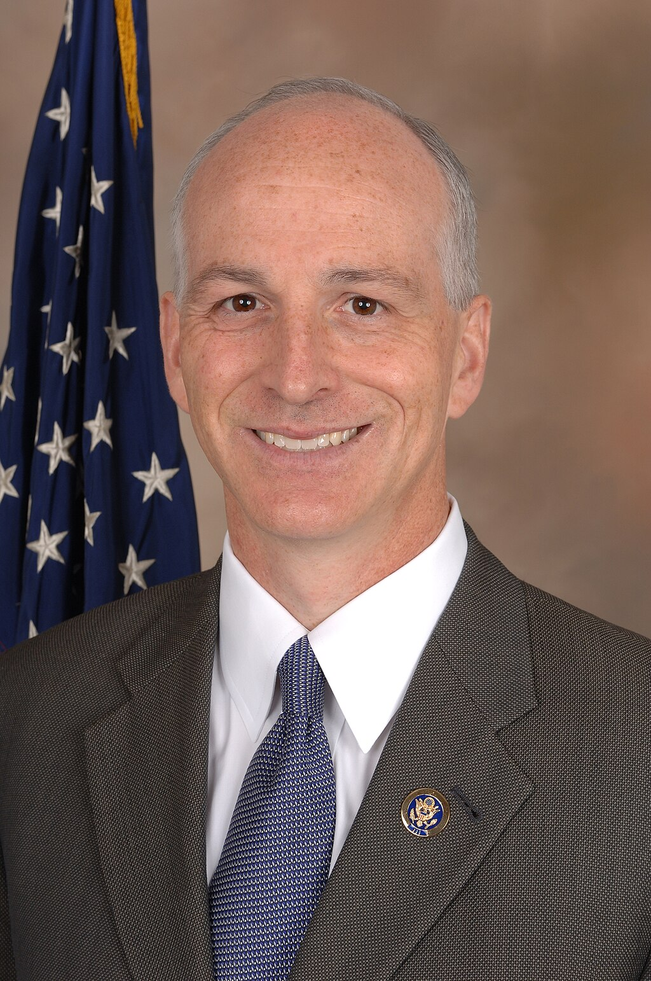
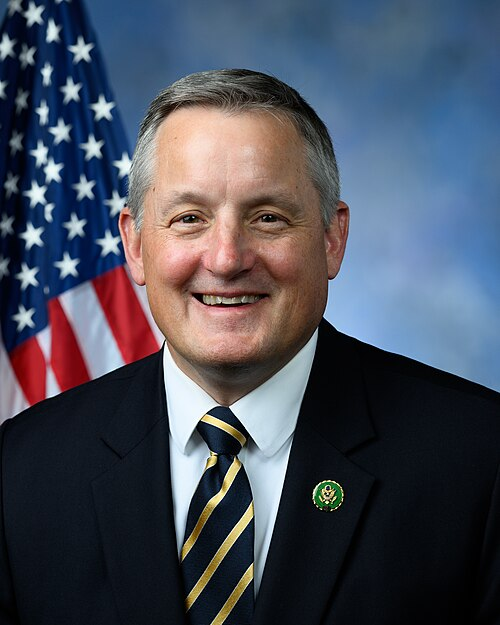
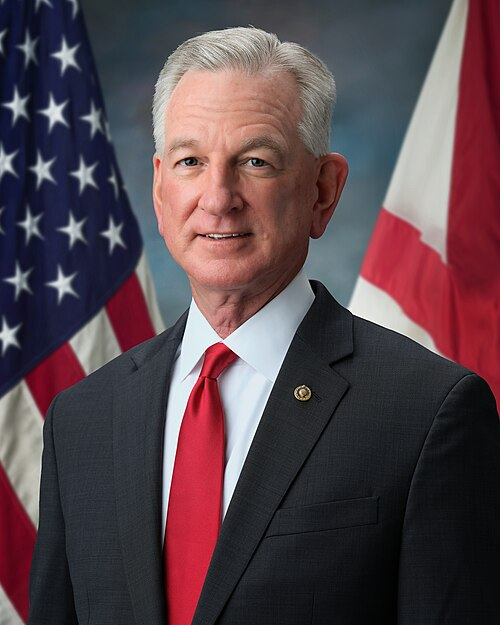
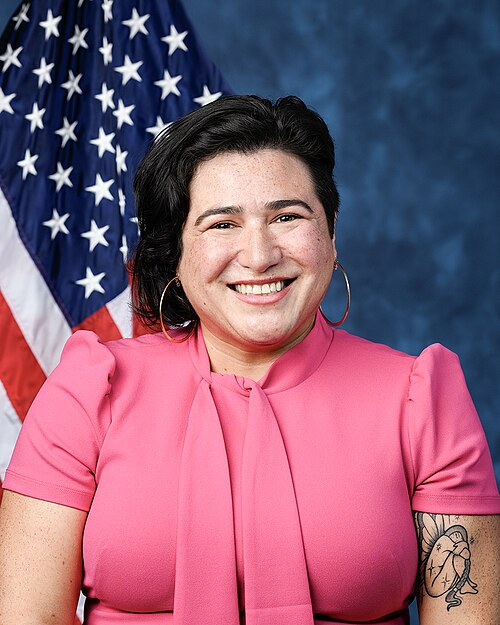
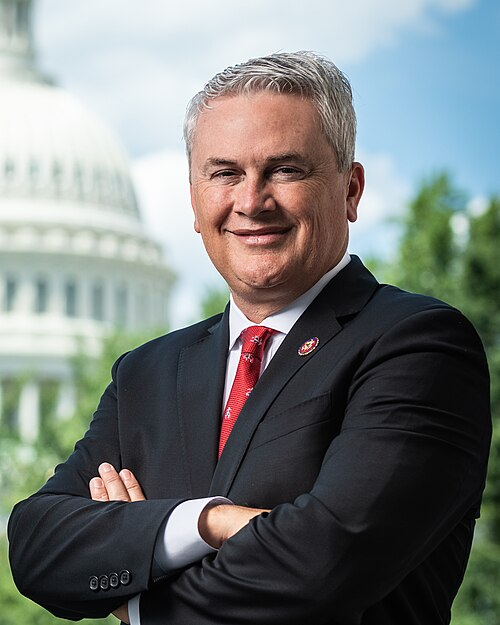
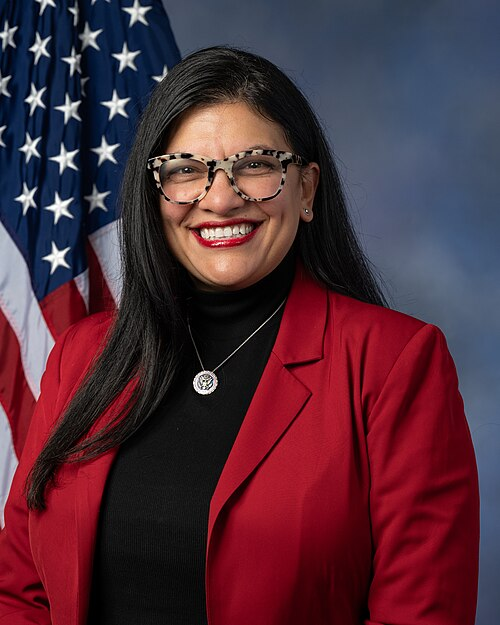
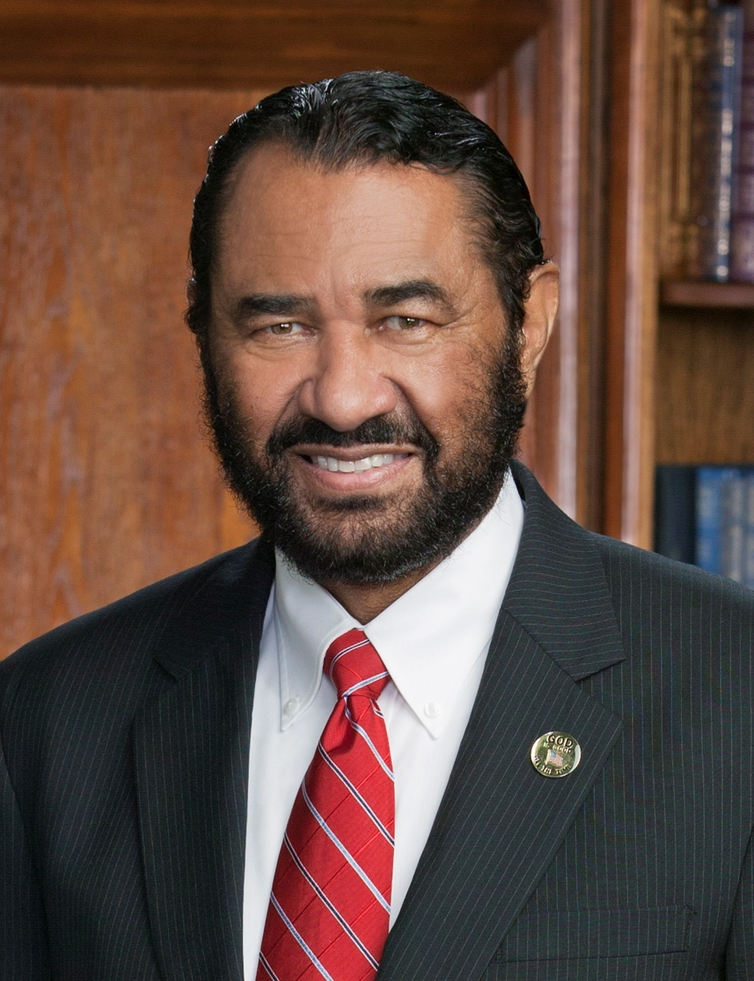
4 bill sponsors

Actions
3 actions
| Date | Action |
|---|---|
| Jun. 25, 2026 | Introduced in House |
| Jun. 25, 2026 | Referred to the House Committee on Financial Services. |
| Jun. 25, 2026 | Sponsor introductory remarks on measure. (CR H4251) |
Corporate Lobbying
0 companies lobbying
None found.
* Note that there can be significant delays in lobbying disclosures, and our data may be incomplete.