S. 3976: Connect the Grid Act of 2026
This bill, known as the "Connect the Grid Act of 2026," aims to enhance the electrical grid's integration and reliability in Texas, specifically focusing on the Electric Reliability Council of Texas (ERCOT) and its connection to neighboring power markets. Here's a breakdown of its key provisions:
1. Purpose of the Bill
The primary goal is to interconnect ERCOT with adjacent electrical systems, which would enable better energy sharing and improve overall grid reliability. This interconnection aims to facilitate access to various energy resources and increase the transfer capacity between ERCOT and other areas.
2. Federal Power Act Amendments
The bill proposes several amendments to the Federal Power Act, including:
- Jurisdiction Over ERCOT: It seeks to modify the regulatory jurisdiction of ERCOT by applying additional federal oversight.
- Repeal of Exemptions: The bill removes certain exemptions currently afforded to ERCOT, allowing for greater federal regulatory authority.
3. Electric Reliability Standards
The bill mandates the establishment of new reliability standards that will require:
- Minimum transfer capacity levels between ERCOT and neighboring power regions, such as the Southwest Power Pool (SPP) and Midcontinent Independent System Operator (MISO).
- A detailed plan for achieving these capacities, including the selection of entities responsible for constructing or modifying transmission facilities.
- Prioritization of the use of technologies that enhance the efficiency of the grid, as well as utilizing existing infrastructure where possible.
4. Environmental and Community Considerations
Projects initiated under this bill must comply with the National Environmental Policy Act and the Endangered Species Act, ensuring environmental protections are in place. Additionally, the bill emphasizes:
- Input from environmental justice communities and Tribal communities during planning and construction phases.
- Using lands that are already degraded or abandoned to site new transmission facilities.
5. Increased Funding for Transmission Projects
The bill increases the borrowing authority under the Transmission Facilitation Program from $2.5 billion to $13.5 billion, aiming to facilitate more significant investments in electrical transmission infrastructure.
6. Study on Interconnection with Mexico
Within a year of enactment, the Secretary of Energy is directed to conduct a study that examines the benefits of connecting electrical systems between the United States and Mexico. The focus will be on reliability, climate impact, and cost efficiencies from such interconnections.
7. Registered Apprenticeship and Workforce Development
The bill encourages the use of registered apprenticeship programs to support workforce development in the energy sector, thereby ensuring that local communities benefit from job opportunities in the renewable energy and transmission areas.
Relevant Companies
- NEE (NextEra Energy): As a major player in renewable energy and electricity generation, NextEra may see changes in its operational landscape due to new interconnection requirements and opportunities for collaboration on energy sharing with ERCOT.
- AEP (American Electric Power): AEP, which operates in various interconnected power markets, might be impacted by regulatory changes and infrastructure expansions driven by the bill.
- DTE (DTE Energy): As an energy supplier, DTE could face new regulatory challenges or opportunities as ERCOT integrates with neighboring markets.
This is an AI-generated summary of the bill text. There may be mistakes.
Sponsors
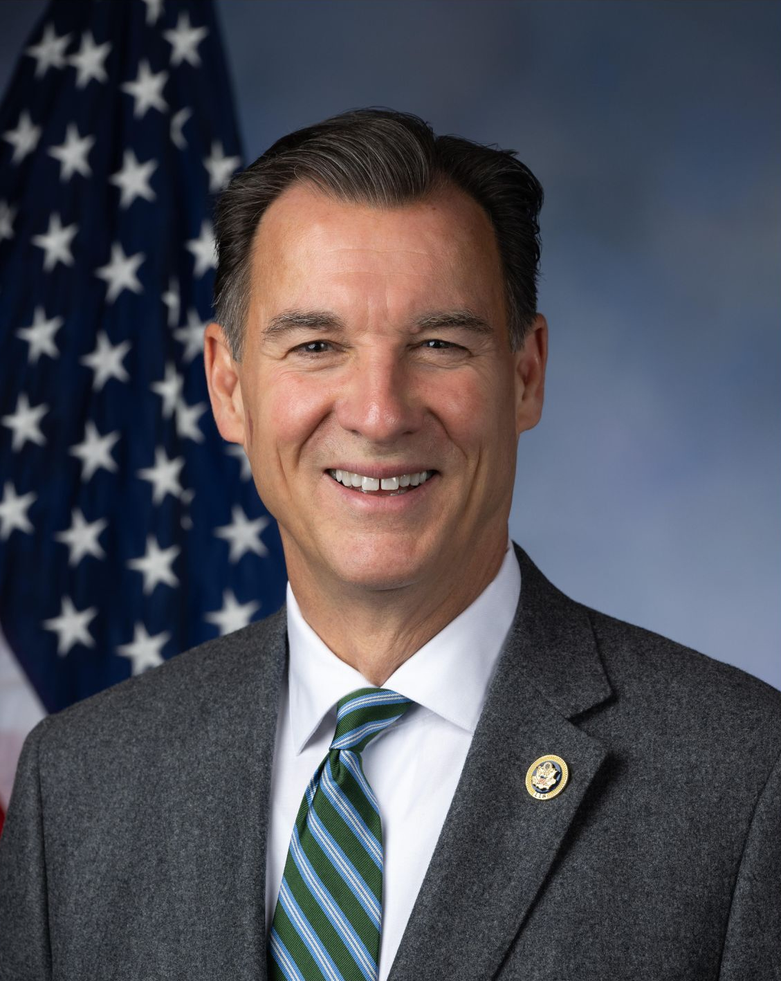
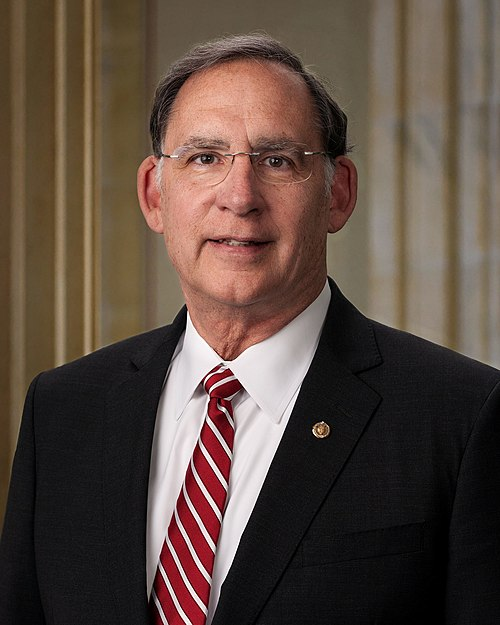
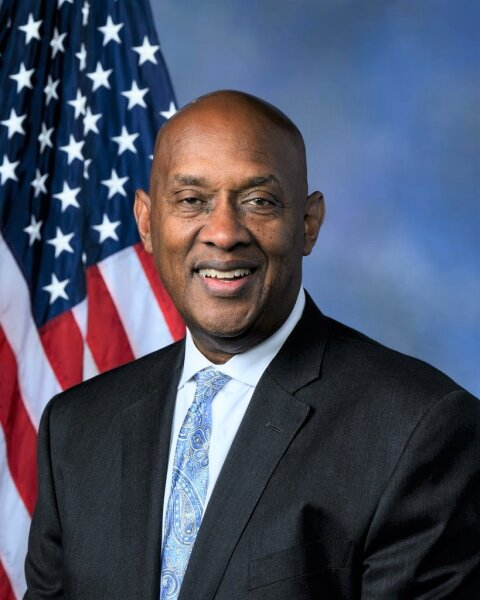
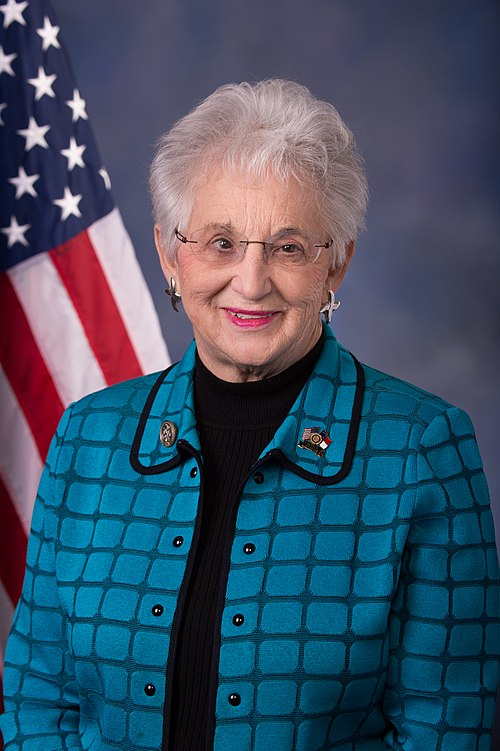
2 bill sponsors

Actions
2 actions
| Date | Action |
|---|---|
| Mar. 03, 2026 | Introduced in Senate |
| Mar. 03, 2026 | Read twice and referred to the Committee on Energy and Natural Resources. |
Corporate Lobbying
0 companies lobbying
None found.
* Note that there can be significant delays in lobbying disclosures, and our data may be incomplete.