S. 3871: Preventing Roadside and Work Zone Deaths Act of 2026
This bill, known as the Preventing Roadside and Work Zone Deaths Act of 2026, primarily aims to enhance safety on highways and in work zones. It proposes several amendments and the establishment of working groups to address issues related to roadside accidents and work zone safety.
Key Amendments and Provisions
- Highway Safety Improvement Program: The bill expands the definition of individuals at risk in the event of vehicle crashes. It specifies that not only pedestrians but also occupants and pedestrians associated with disabled vehicles are included in safety considerations.
- Injury Health Data: The bill requires that conversations about fatalities in the Infrastructure Investment and Jobs Act include specific mention of roadside and work zone deaths. This aims to improve the tracking of these incidents.
- Move Over or Slow Down Law Awareness: There will be efforts to increase public awareness regarding the need to slow down or move over for not just emergency vehicles but also vehicles and workers present in work zones.
Working Groups
The bill establishes two working groups focused on improving safety:
- Disabled Vehicle Crash Working Group: This group will be led by the Secretary of Transportation alongside the Occupational Safety and Health Administration and will include representatives from various sectors, including high-risk communities, traffic responders, and automobile manufacturers. The group’s responsibilities include:
- Collecting and analyzing data on disabled roadside vehicle crashes.
- Developing strategic plans to address both fatal and non-fatal crashes.
- Enhancing data sharing with the National Highway Traffic Safety Administration.
- Work Zone Crash Working Group: Also coordinated by the Secretary of Transportation, this group will work with various stakeholders, such as construction industry representatives and safety professionals. Their duties include:
- Collecting and analyzing data on work zone crashes.
- Creating strategies to enhance safety in work zones, including the use of contingency funds for safety improvements.
Reporting Requirements
The bill mandates that the Federal Highway Administration must submit an annual report to Congress. This report will detail:
- The usage of work zone safety contingency funds by different states.
- How much funding has been allocated to these funds by each state.
- Additional relevant information and recommendations for improving the use of safety funds across the nation.
Overall Objective
The overarching goal of the Preventing Roadside and Work Zone Deaths Act of 2026 is to reduce fatalities and improve safety for all individuals in and around highway work zones and for those driving near disabled vehicles on the road. By integrating data analysis, public awareness efforts, and strategic planning through working groups, the bill aims to create a safer driving environment.
Relevant Companies
- TSLA (Tesla, Inc.): As a leading automobile manufacturer, Tesla may be impacted by any regulatory changes related to vehicle safety standards and data sharing requirements for accident reporting.
- F (Ford Motor Company): Ford could be affected by modifications to safety standards that may require technological upgrades for vehicles related to roadside assistance and crash avoidance systems.
- GNTX (Gentex Corporation): This company, which manufactures automotive safety systems, could be subject to increased demand for their products as safety regulations evolve from this bill.
This is an AI-generated summary of the bill text. There may be mistakes.
Sponsors
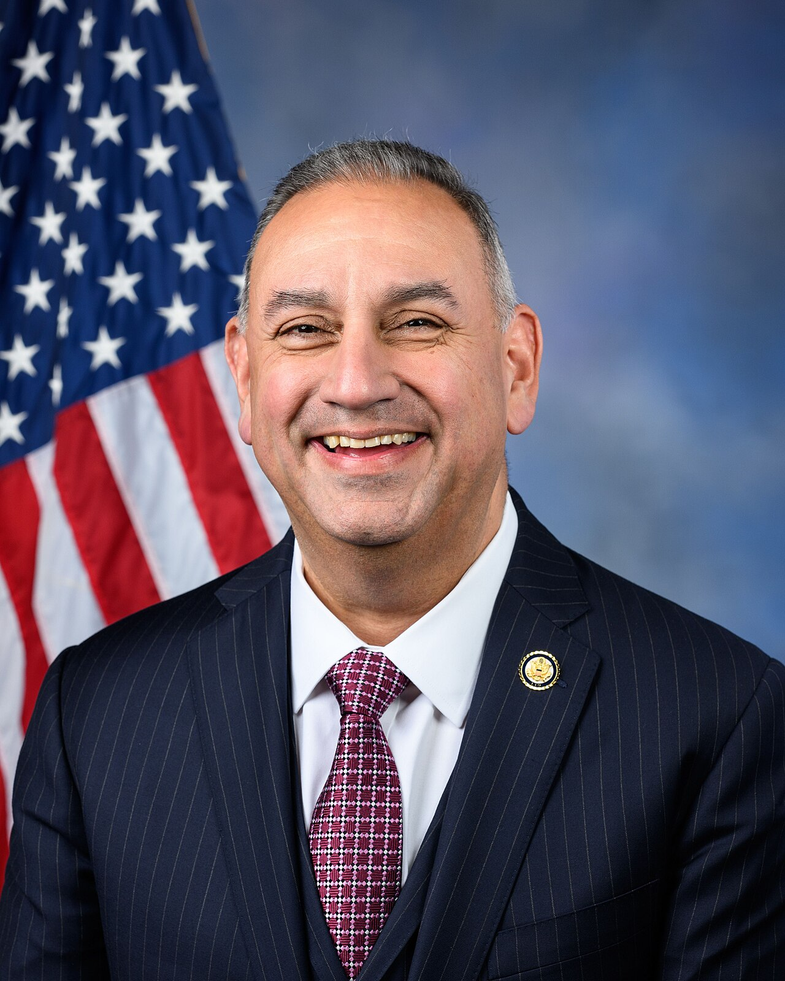
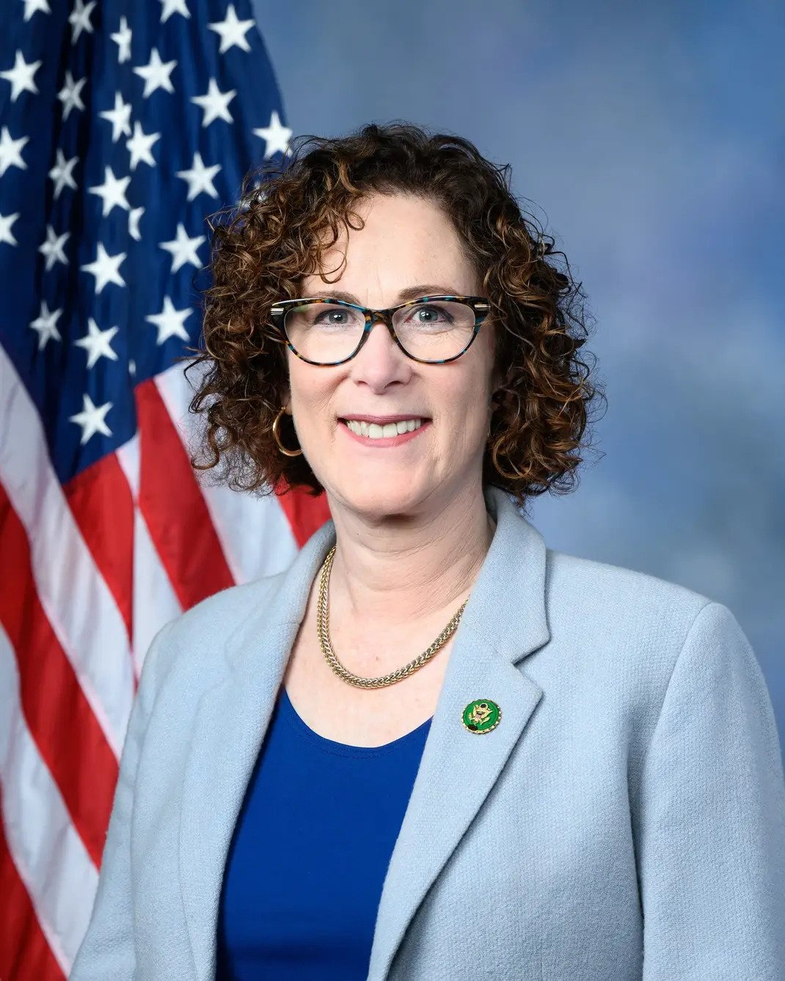
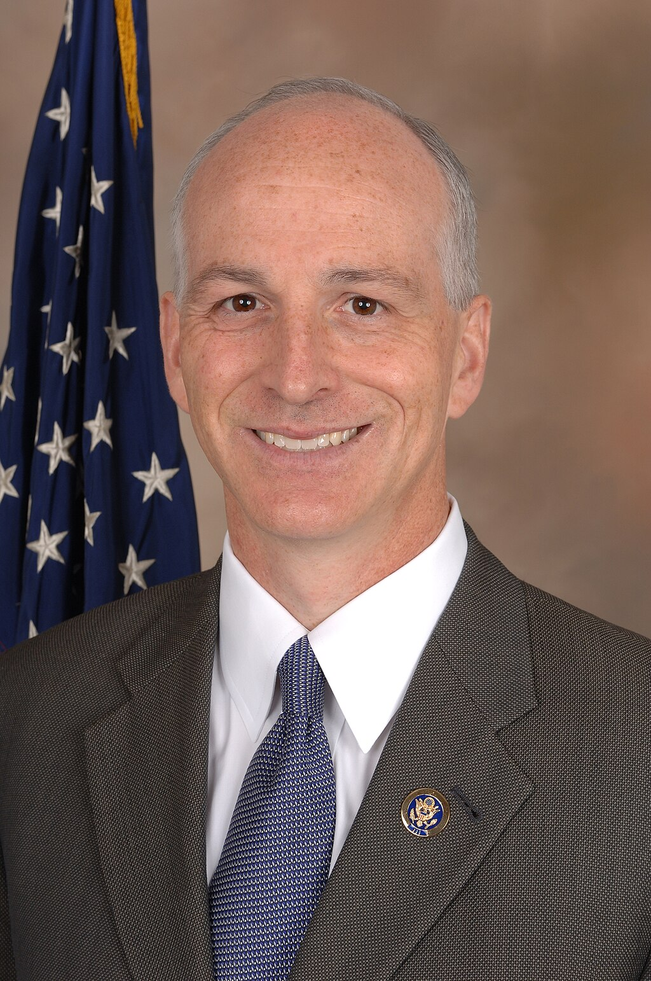
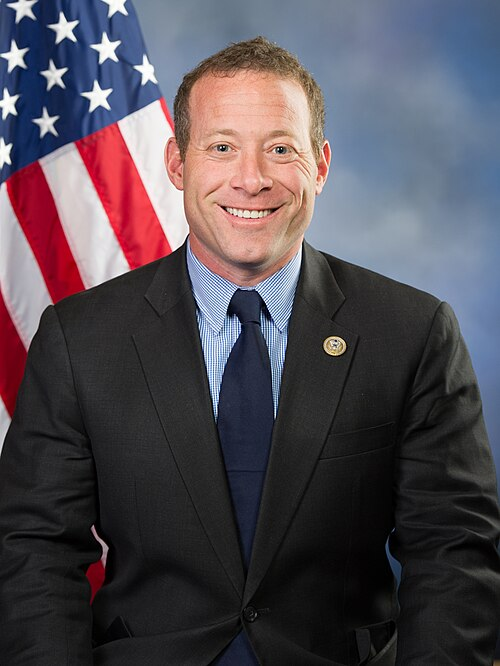
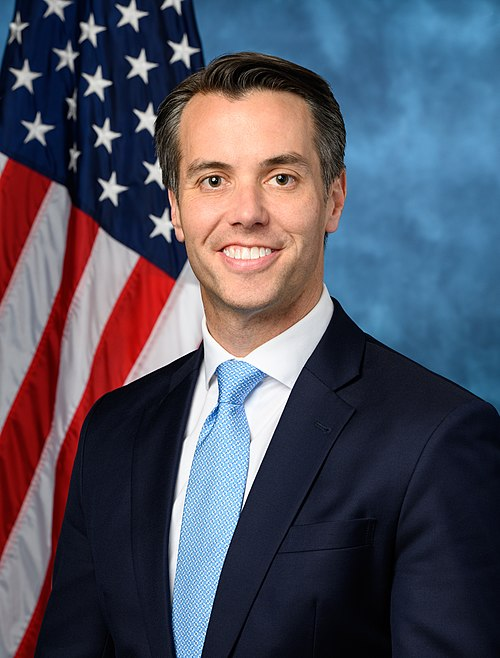
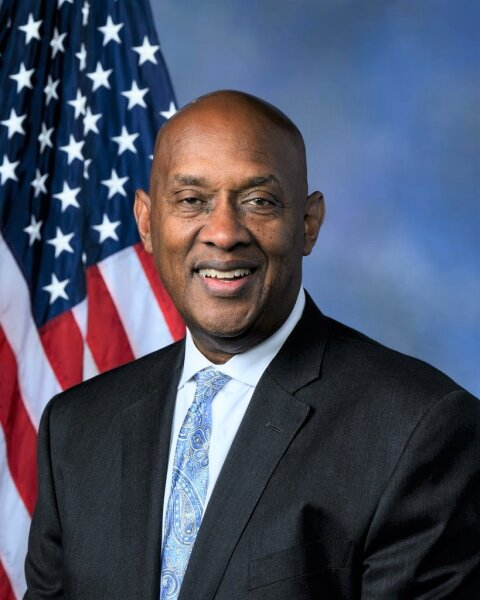
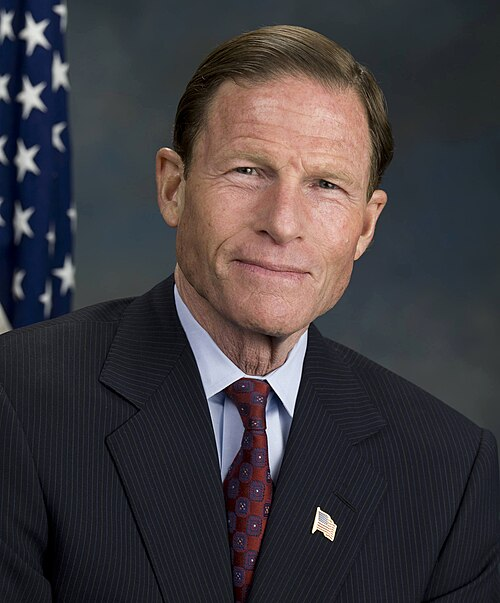
2 bill sponsors

Actions
2 actions
| Date | Action |
|---|---|
| Feb. 12, 2026 | Introduced in Senate |
| Feb. 12, 2026 | Read twice and referred to the Committee on Commerce, Science, and Transportation. |
Corporate Lobbying
0 companies lobbying
None found.
* Note that there can be significant delays in lobbying disclosures, and our data may be incomplete.