H.R. 5706: Mental Health Emergency Responder Act
This bill, known as the Mental Health Emergency Responder Act, aims to establish a grant program to support the development and expansion of behavioral health crisis response programs that do not primarily rely on law enforcement. The following outlines the key components of the bill:
Establishment of the Grant Program
The Secretary of Health and Human Services will set up a competitive grant program to assist eligible entities in creating or enhancing behavioral health crisis response services that minimize the involvement of law enforcement.
Eligible Entities
The bill specifies that the following entities are eligible for grants:
- Local or Tribal governments.
- Regional emergency medical services agencies or fire departments.
- Certified community behavioral health clinics.
- Nonprofit organizations partnering with local governments or health authorities.
Use of Grant Funds
Grants received can be used for various purposes, including:
- Recruiting, training, and equipping behavioral health professionals and paramedics for crisis response.
- Integrating co-response teams into emergency call systems like 911 or 988.
- Providing community education about alternatives to police-led crisis interventions.
- Developing protocols for emergency medical services to safely transport individuals to mental health facilities.
- Establishing emergency medical services or clinician-led mobile crisis teams as primary responders to behavioral health emergencies.
Limitations
The bill clarifies that it does not mandate any changes to state or local emergency detention laws and does not authorize any entity to exceed legal boundaries regarding emergency detention or involuntary transport.
Reporting Requirements
Grant recipients must submit annual reports on their response outcomes, diversion rates, and community feedback to the Secretary of Health and Human Services.
Priority Consideration
In awarding grants, preference will be given to entities located in areas that currently lack a non-law enforcement behavioral health crisis response program or where existing programs are limited in capacity or scope.
Definition of Co-Response Team
A co-response team is defined as a group that includes at least one behavioral health professional (such as a licensed clinician or social worker) and at least one emergency medical services provider, firefighter, or peace officer who respond together to behavioral health crisis situations in real time.
Authorization of Appropriations
The bill authorizes necessary funding to be appropriated for this program from fiscal years 2026 through 2030.
Relevant Companies
None found.
This is an AI-generated summary of the bill text. There may be mistakes.
Sponsors
11 bill sponsors
-
TrackYassamin Ansari
Sponsor
-
TrackTroy A. Carter
Co-Sponsor
-
TrackYvette D. Clarke

Co-Sponsor
-
TrackSylvia R. Garcia
Co-Sponsor
-
TrackDaniel S. Goldman
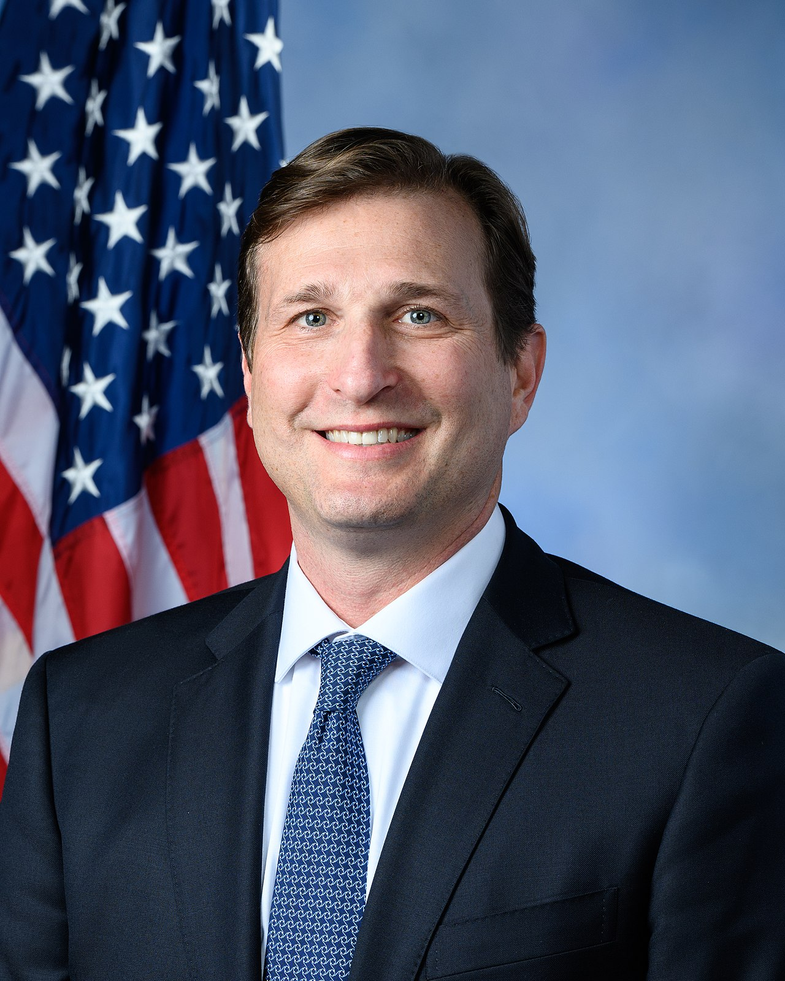
Co-Sponsor
-
TrackEleanor Holmes Norton

Co-Sponsor
-
TrackAndrea Salinas
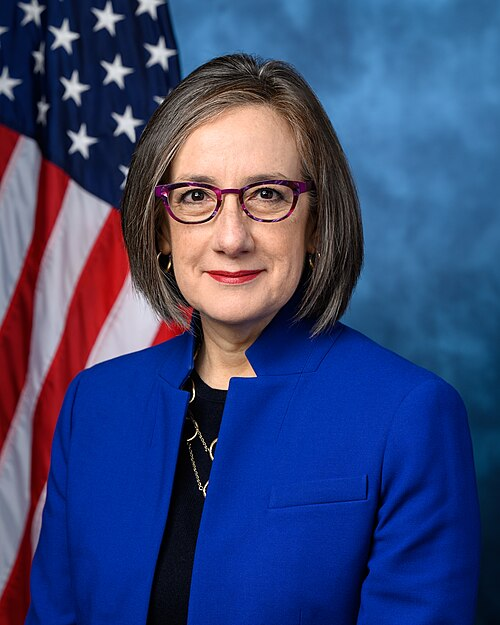
Co-Sponsor
-
TrackShri Thanedar

Co-Sponsor
-
TrackBennie G. Thompson
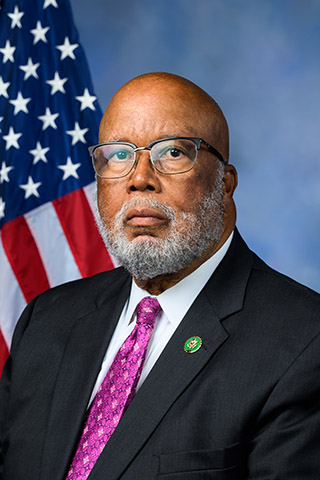
Co-Sponsor
-
TrackRashida Tlaib

Co-Sponsor
-
TrackBonnie Watson Coleman
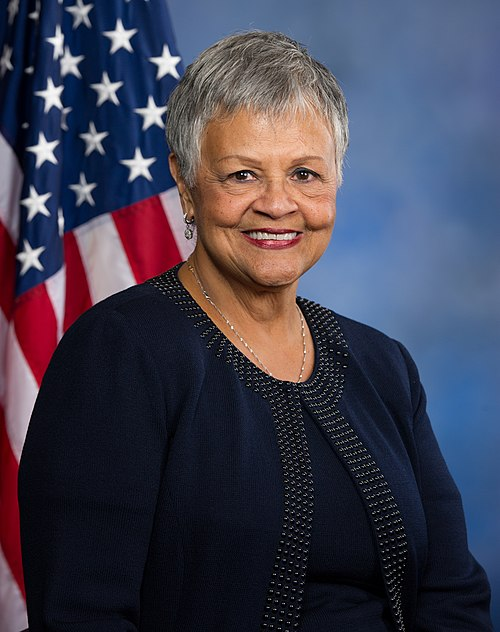
Co-Sponsor
Actions
2 actions
| Date | Action |
|---|---|
| Oct. 08, 2025 | Introduced in House |
| Oct. 08, 2025 | Referred to the House Committee on Energy and Commerce. |
Corporate Lobbying
1 company lobbying