S. 3959: Smarter Sentencing Act of 2026
The Smarter Sentencing Act of 2026 aims to modify sentencing laws related to drug offenses, with a focus on refining penalties and ensuring that limited federal resources are directed at the most serious offenders. Below are the key components of the bill:
1. Modifications to Drug Offense Sentencing
The bill proposes changes to the Controlled Substances Act and the Controlled Substances Import and Export Act that would:
- Redefine certain sentencing penalties for drug-related crimes, particularly for offenders labeled as "couriers," whose role is limited to transporting or storing drugs or money.
- Reduce the minimum sentencing terms for specific offenses. For example, the bill suggests changing the minimum sentence from 10 years to 5 years for certain offenders, and from 15 years to 10 years for others.
- Alter the provisions that currently impose minimum sentences for different types of offenders involving drug trafficking, establishing guidelines that differentiate based on the role of the individual in the crime.
2. Applicability to Pending and Past Cases
The law will apply to current and future cases, allowing courts to reduce sentences for previously convicted individuals if their offenses fall under the revised criteria. This includes:
- Applying the new sentencing guidelines to any sentence issued after the bill becomes law, regardless of when the crime was committed.
- Allowing defendants who have already been sentenced for a covered offense to seek a sentence reduction by petitioning the court.
3. Directive to the Sentencing Commission
The United States Sentencing Commission is directed to review and potentially amend its sentencing guidelines to align with the modifications introduced by this bill. Key considerations include:
- Ensuring that revised penalties are effective in managing the federal prison population.
- Addressing public safety concerns while maintaining appropriate penalties for serious offenders.
- A focus on minimizing racial disparities in sentencing.
4. Reports by the Attorney General
Within six months of enactment, the Attorney General must report on how the bill's implementation could lead to reduced expenditures on federal corrections. This includes:
- Detailing how cost savings will be used to tackle prison overcrowding, enhance law enforcement funding, and improve crime prevention measures.
- Compiling a report on federal criminal offenses to be submitted to Congress within a year, which will include an index of criminal statutory offenses and penalties over recent years.
5. Indexing Criminal Offenses
Further, the bill mandates the creation of publicly accessible indexes for all criminal statutory and regulatory offenses. These indexes aim to enhance transparency regarding federal laws and penalties.
Relevant Companies
None found
This is an AI-generated summary of the bill text. There may be mistakes.
Sponsors
11 bill sponsors
-
TrackRichard J. Durbin

Sponsor
-
TrackRichard Blumenthal
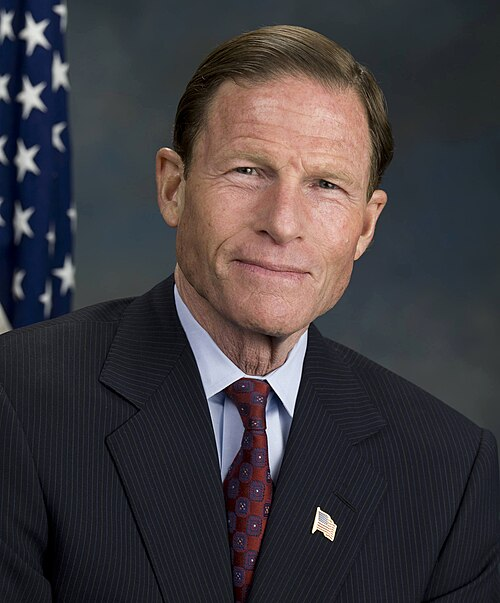
Co-Sponsor
-
TrackCory A. Booker

Co-Sponsor
-
TrackTim Kaine
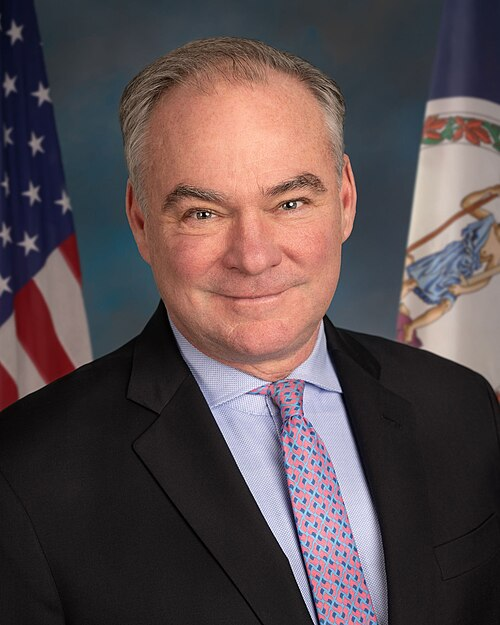
Co-Sponsor
-
TrackAngus S. King Jr.

Co-Sponsor
-
TrackMike Lee
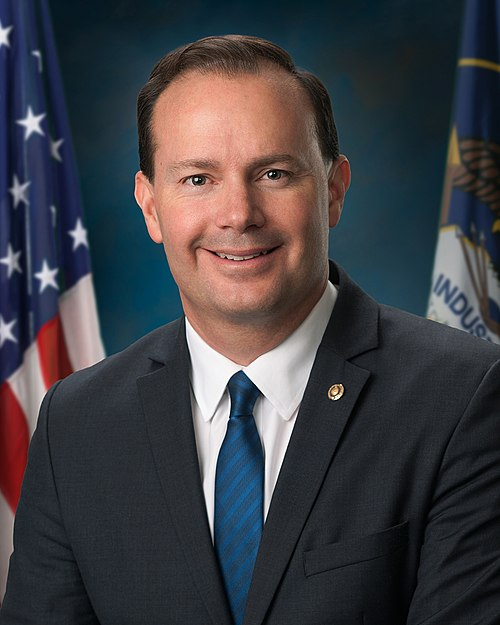
Co-Sponsor
-
TrackEdward J. Markey
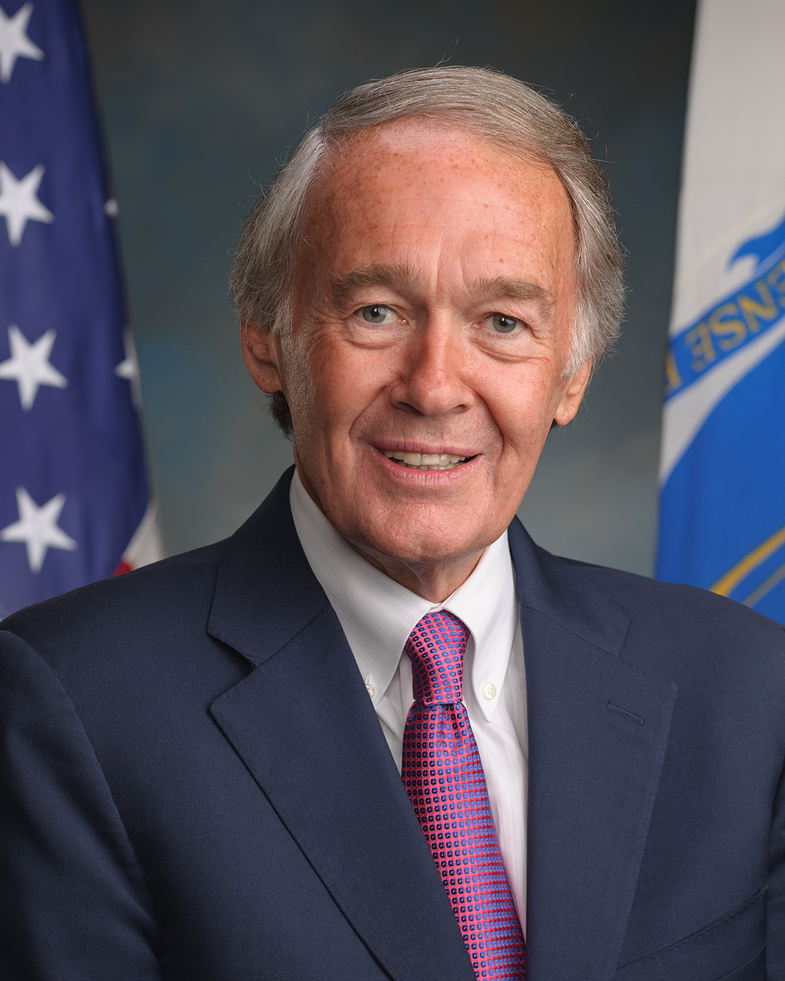
Co-Sponsor
-
TrackBernard Sanders
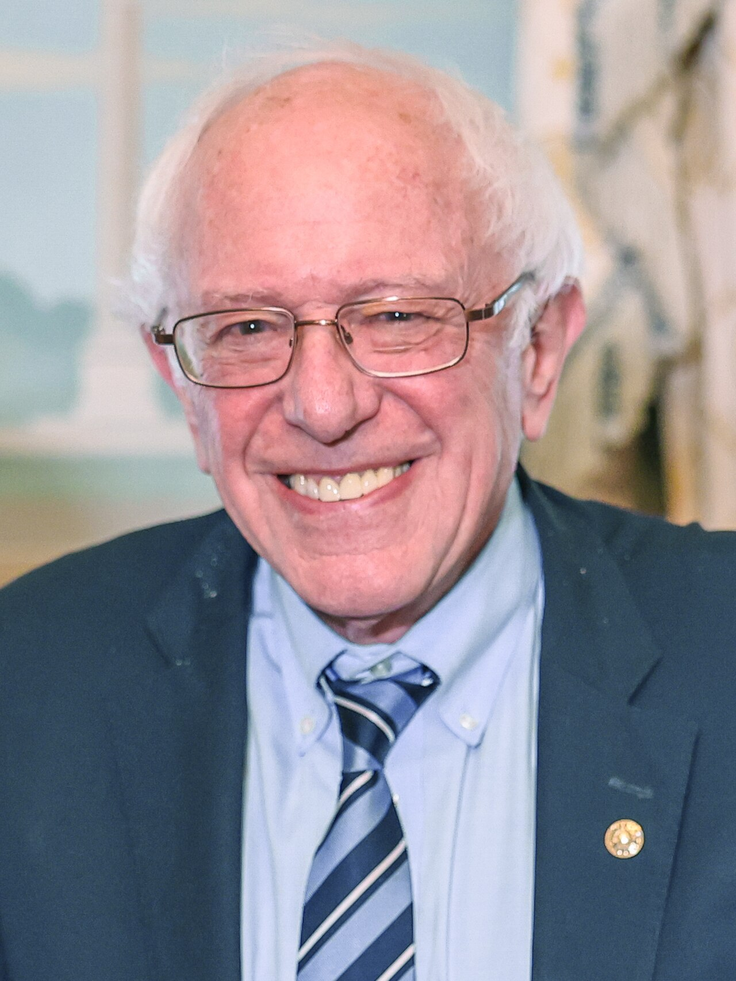
Co-Sponsor
-
TrackBrian Schatz
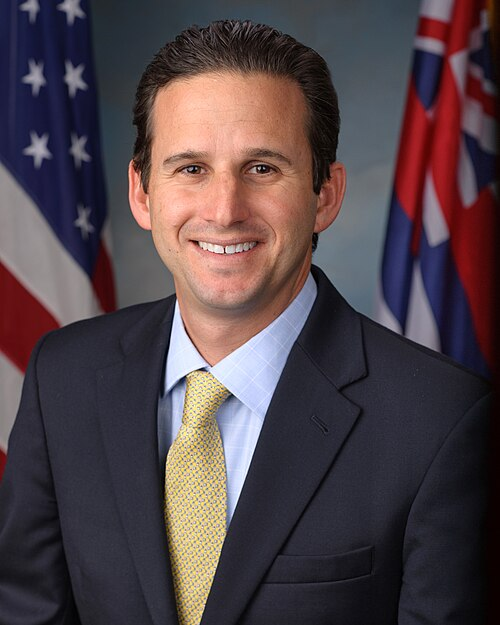
Co-Sponsor
-
TrackElizabeth Warren
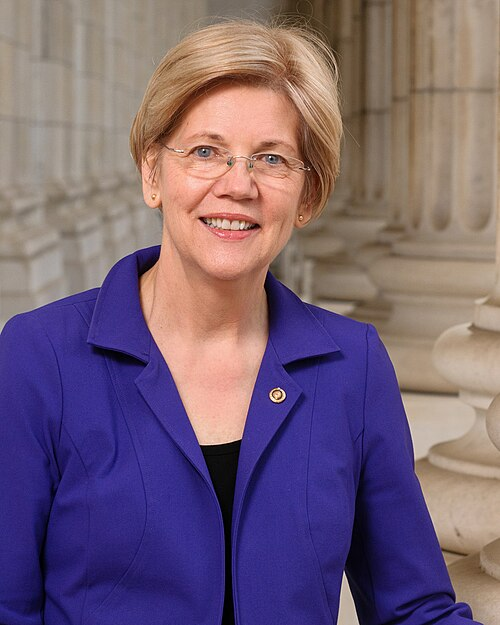
Co-Sponsor
-
TrackRoger F. Wicker
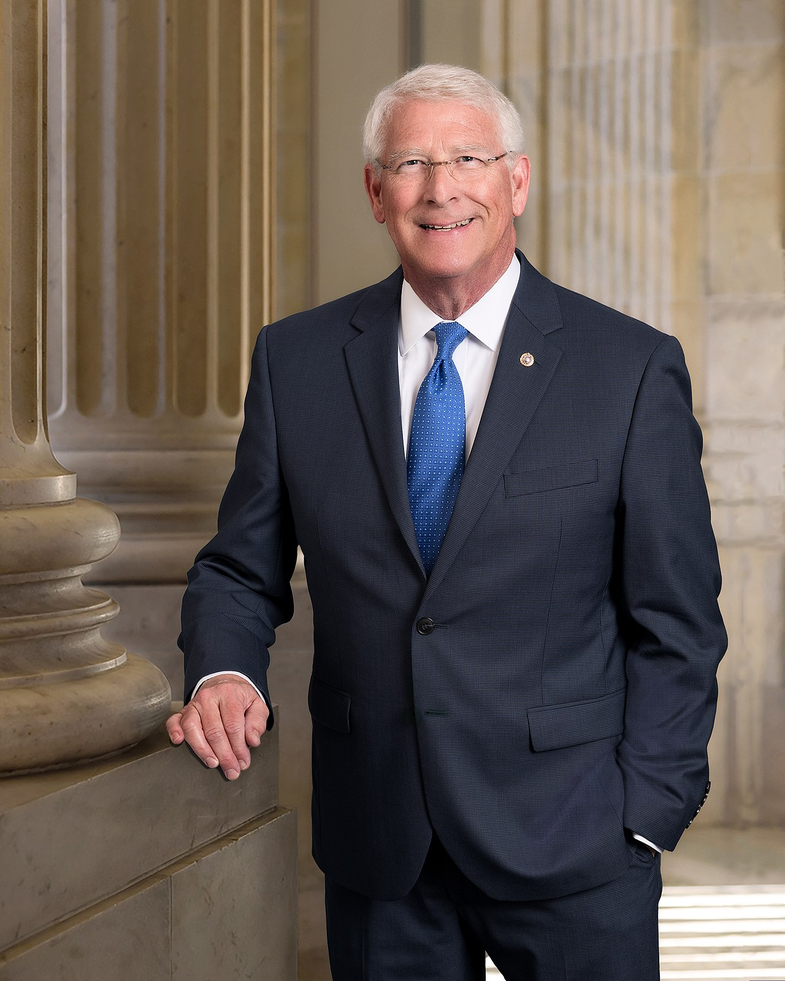
Co-Sponsor
Actions
2 actions
| Date | Action |
|---|---|
| Mar. 02, 2026 | Introduced in Senate |
| Mar. 02, 2026 | Read twice and referred to the Committee on the Judiciary. (text: CR S733-734) |
Corporate Lobbying
0 companies lobbying
None found.
* Note that there can be significant delays in lobbying disclosures, and our data may be incomplete.
Potentially Relevant Congressional Stock Trades
No relevant congressional stock trades found.