H.R. 7223: Language Access for All Act of 2026
This bill, known as the Language Access for All Act of 2026, aims to improve access to federal services for individuals with limited English proficiency (LEP). Here are the key provisions:
Improving Access to Services
The bill mandates that within one year of its enactment, federal agencies must ensure that individuals with LEP can effectively access federal programs and activities. This includes:
- Translating vital documents: Agencies must translate important documents into languages commonly spoken in the U.S., based on Census data.
- Multilingual functionality: Agencies must enhance their digital systems to track language needs and provide content in various languages.
- Language assistance services: Agencies must offer oral interpretation and translation services for individuals with LEP.
- Bilingual staff: Agencies can utilize qualified bilingual staff as an alternative to professional interpreters.
- Public notifications: The public must be informed about available language assistance services through multilingual signage and documentation.
- Employee training: Staff who interact with the public must be trained on the agency’s language access policies.
Complaint and Tracking System
The bill requires the establishment of a public system for individuals to submit complaints regarding language access barriers. The Attorney General will maintain this system and ensure agencies respond to complaints within 60 days. Furthermore, an annual report summarizing complaint data will be published to increase transparency.
Language Access Plan
Each federal agency must create a language access plan within one year to implement the provisions of the bill. The plan must be effective, practical, and responsive to the agency’s specific needs. Agencies are also required to:
- Identify populations with LEP likely to seek services.
- Describe how multilingual communications will be provided.
- Outline procedures for monitoring and improving language access performance.
Plans must be shared for public comment before final publication and submitted to the Attorney General and Congress.
Language Access Technical Standards
The bill also calls for the development of Language Access Technical Standards by each agency within one year. These standards will:
- Ensure meaningful access to services.
- Facilitate effective evaluation of language access effectiveness.
It emphasizes the need for user-friendly interfaces, culturally relevant services, and language options.
Use of AI and Automated Services
While agencies may use AI and machine translation services for language assistance, they are prohibited from fully replacing qualified human translators or interpreters. Qualified personnel must verify any AI-generated translations to ensure accuracy and appropriateness. Agencies must also monitor these services for compliance and effectiveness.
Interagency Coordination
The bill establishes an Interagency Language Access Standards Council to promote best practices and stay updated on technology and methodologies for language assistance. A Language Access Working Group is also created to provide support and engage communities in the implementation process.
Language Access Coordinator
Each agency is required to appoint a Language Access Coordinator to oversee compliance with the language access plan, ensure training, identify additional access needs, and evaluate the effectiveness of their language assistance services.
Enforcement and Compliance
Noncompliance with the bill's requirements can be treated as discrimination under civil rights laws, allowing the Department of Justice to seek enforcement and remedies. The provisions of the bill will promote accountability and ensure that individuals with LEP have meaningful access to federal services.
Definitions
Key terms are defined in the bill, such as:
- Individual with LEP: A person who does not speak English as their primary language and has limited ability to communicate in English.
- Language assistance services: Services that provide individuals with LEP access to federal programs and activities.
- Meaningful access: Access that allows for accurate and effective communication without cost to the individual.
Relevant Companies
- GOOGL: Google may be affected due to its involvement in AI and language processing technologies, as it could provide automated solutions for translation services in federal programs.
- MSFT: Microsoft, known for its software solutions including translation tools and AI, could be involved in developing or providing language access solutions requested by federal agencies.
This is an AI-generated summary of the bill text. There may be mistakes.
Sponsors
33 bill sponsors
-
TrackGrace Meng
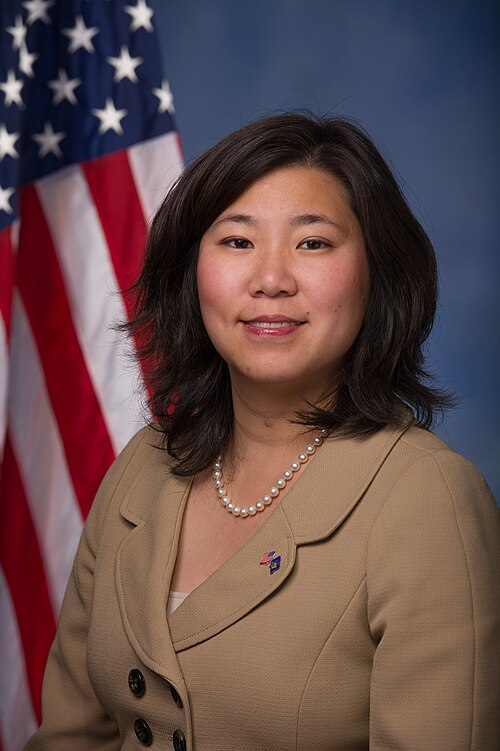
Sponsor
-
TrackNanette Diaz Barragán
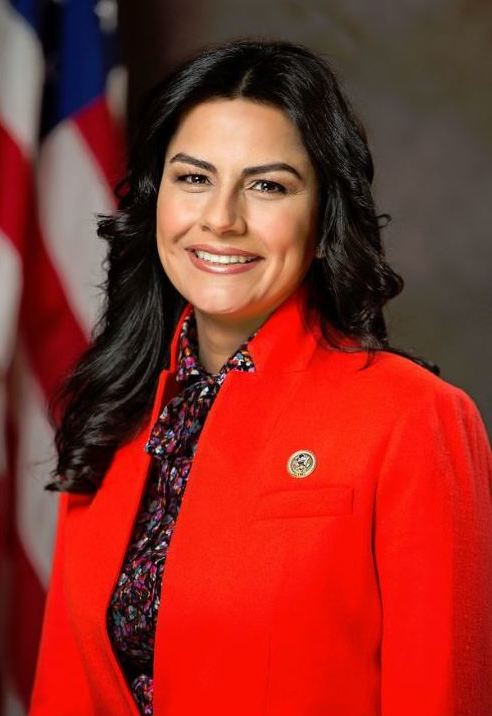
Co-Sponsor
-
TrackAmi Bera
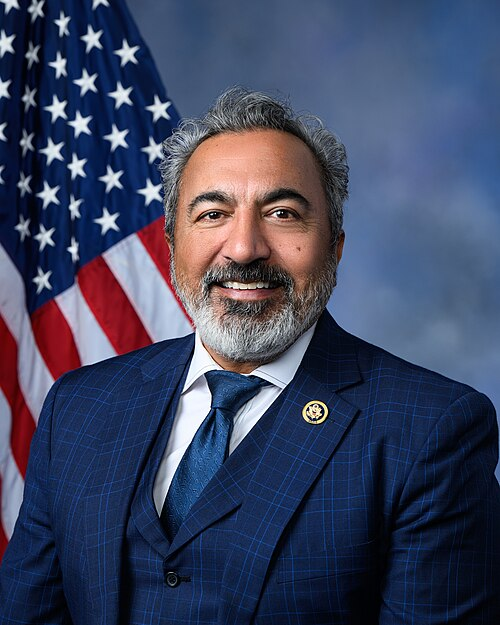
Co-Sponsor
-
TrackAndré Carson
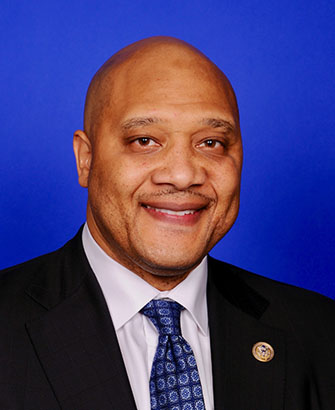
Co-Sponsor
-
TrackEd Case
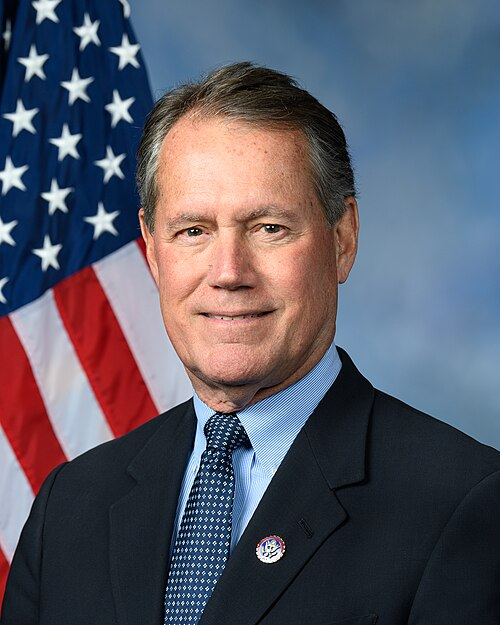
Co-Sponsor
-
TrackJudy Chu
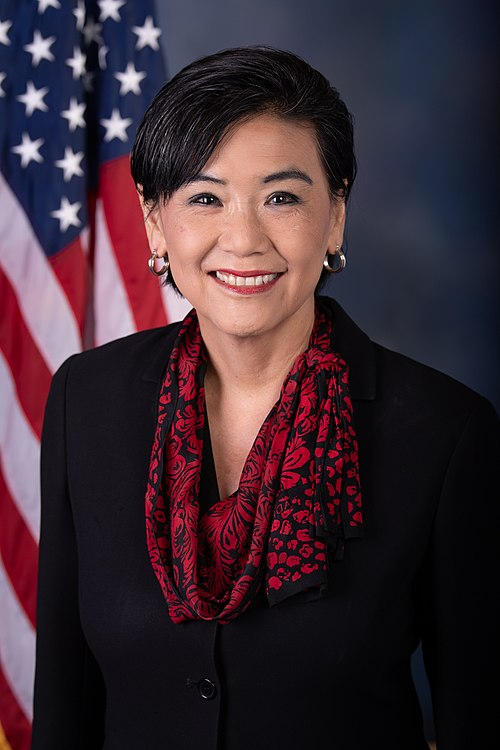
Co-Sponsor
-
TrackYvette D. Clarke
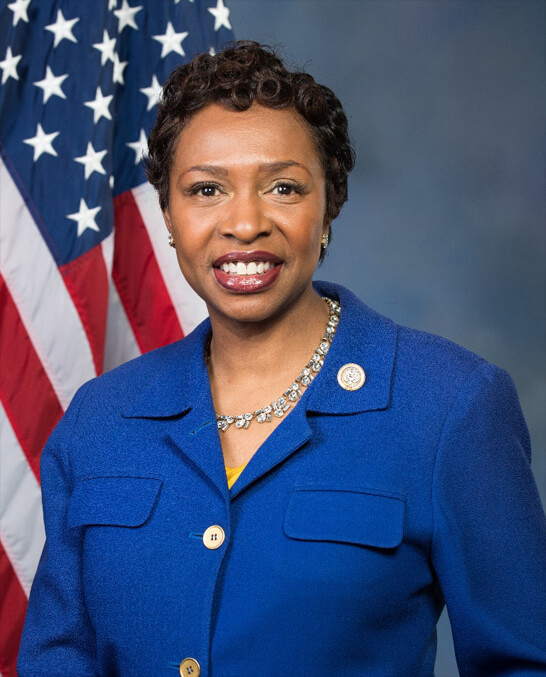
Co-Sponsor
-
TrackJ. Luis Correa
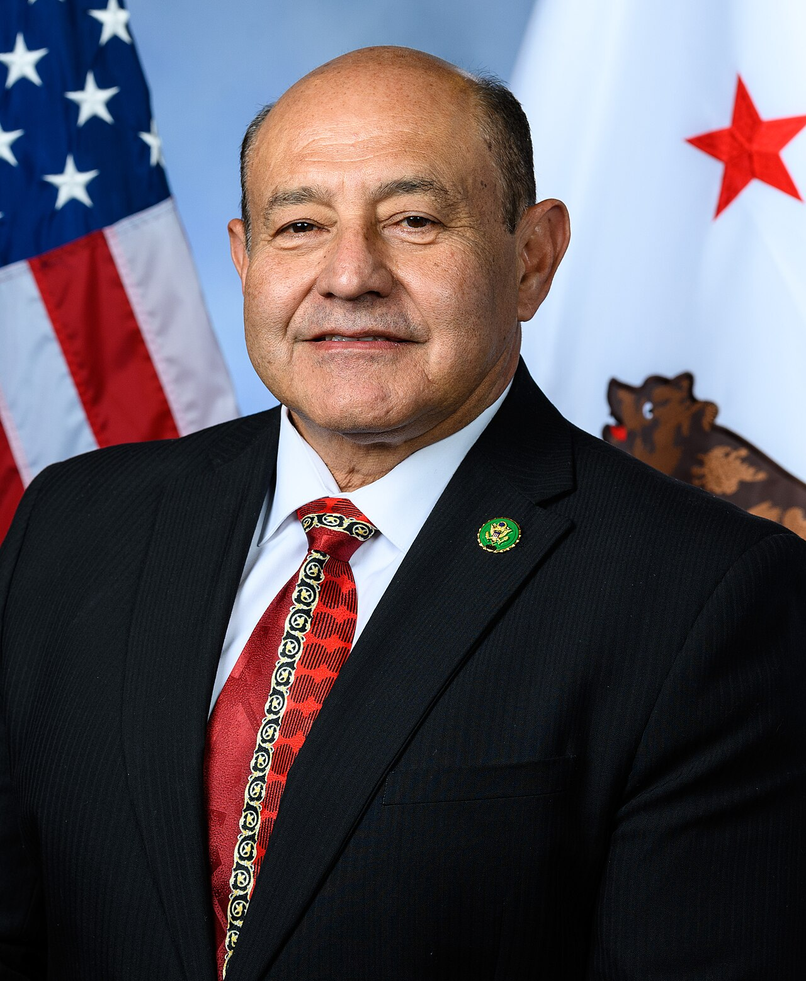
Co-Sponsor
-
TrackDanny K. Davis
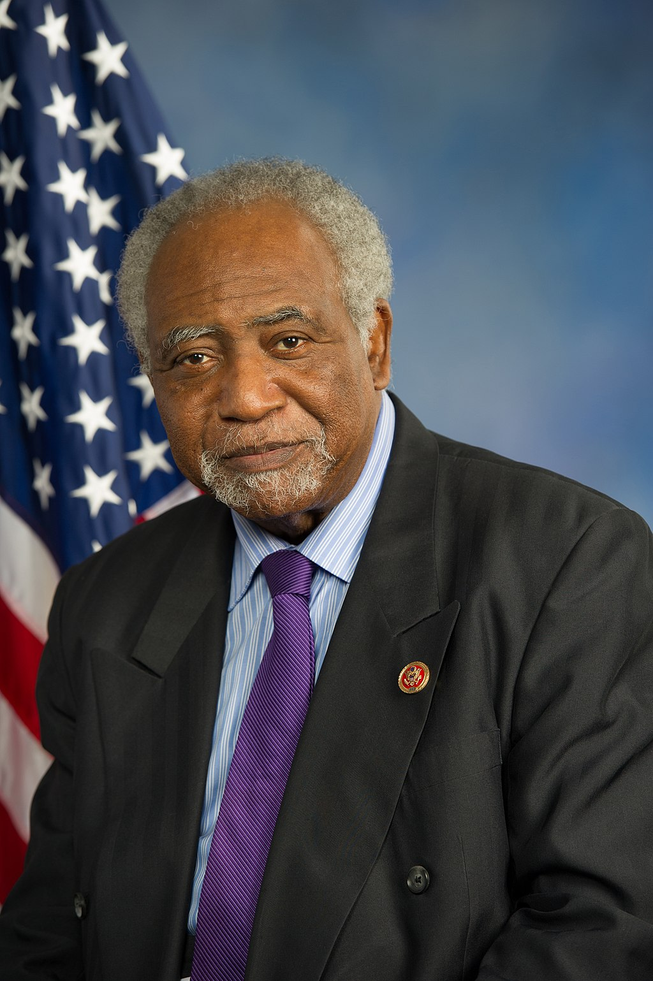
Co-Sponsor
-
TrackLloyd Doggett
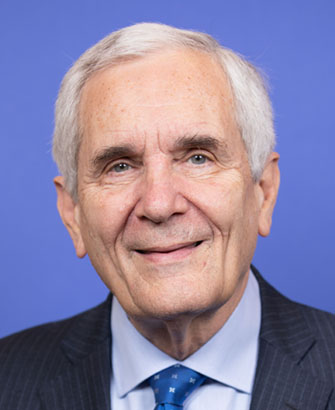
Co-Sponsor
-
TrackAdriano Espaillat
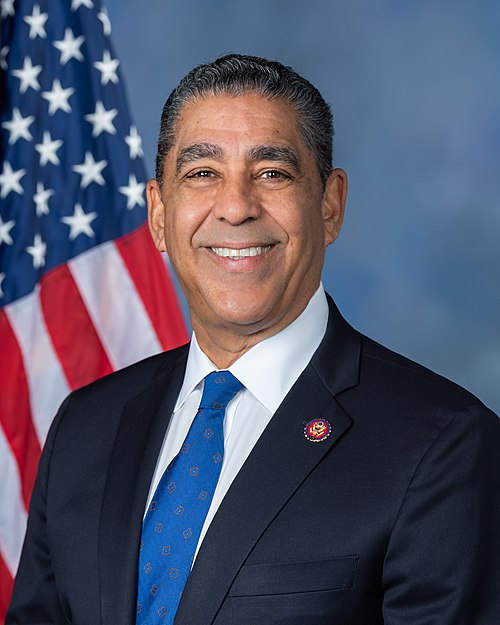
Co-Sponsor
-
TrackLizzie Fletcher
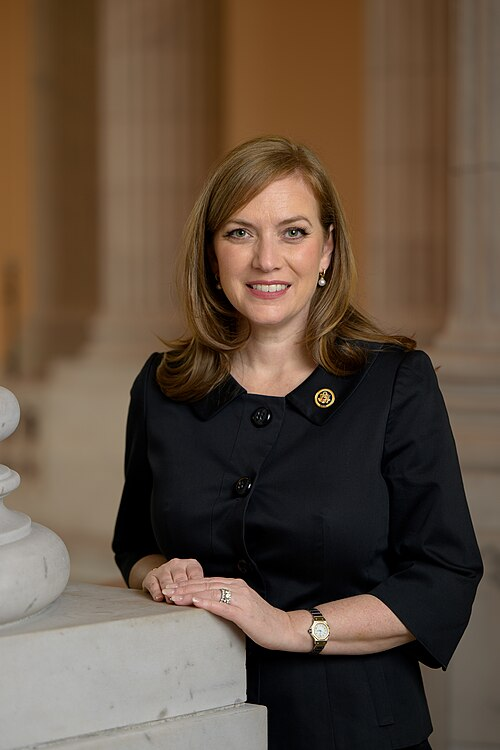
Co-Sponsor
-
TrackLois Frankel
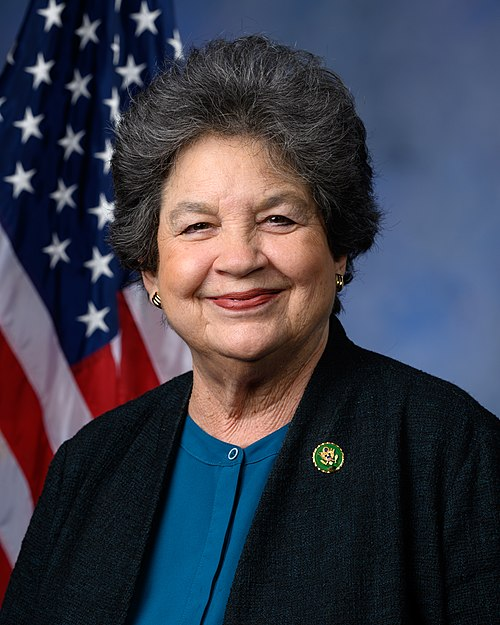
Co-Sponsor
-
TrackDaniel S. Goldman
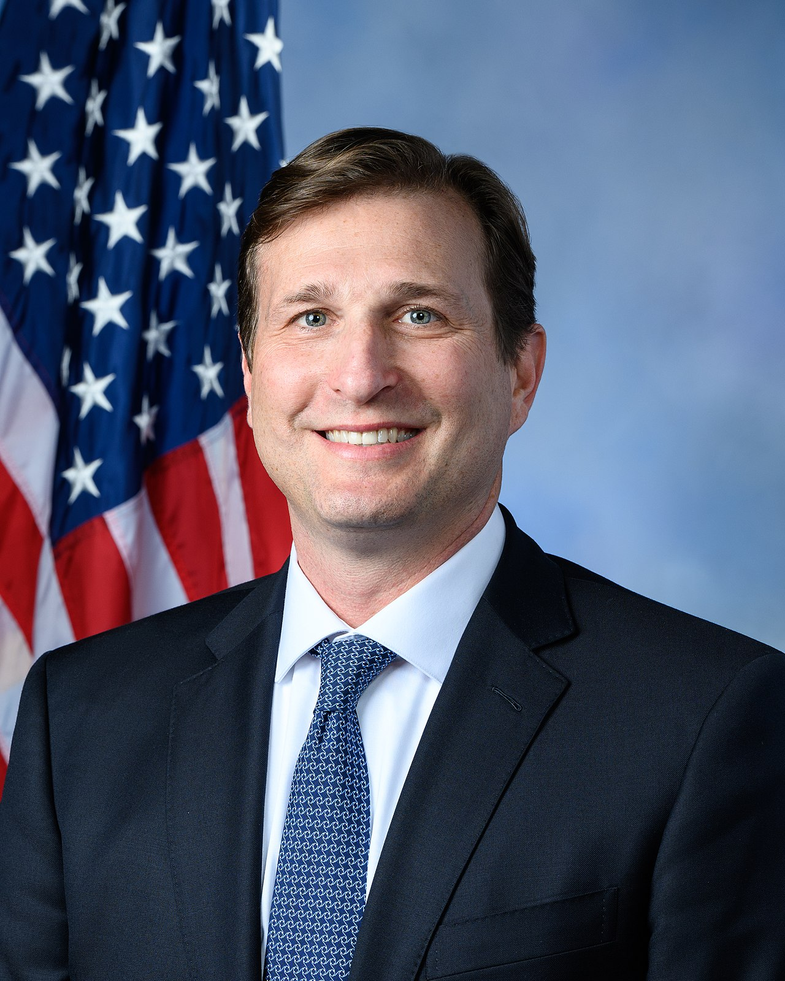
Co-Sponsor
-
TrackJimmy Gomez
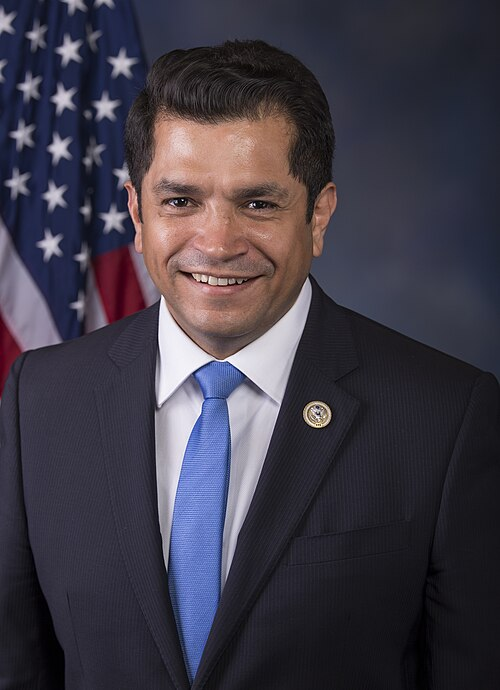
Co-Sponsor
-
TrackAl Green
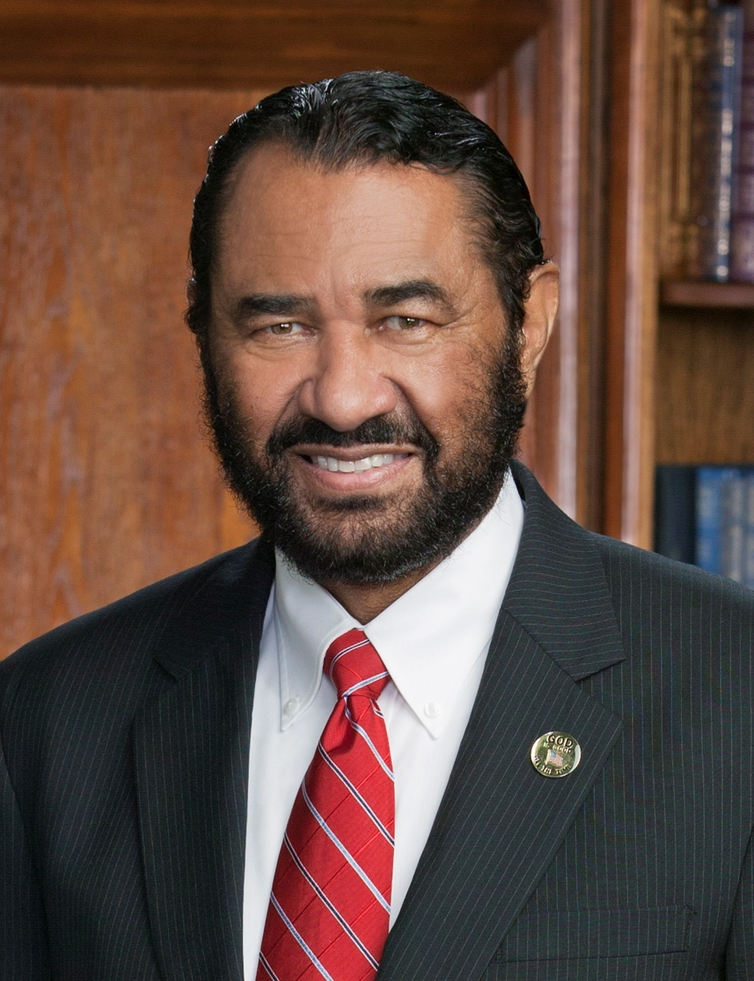
Co-Sponsor
-
TrackJahana Hayes
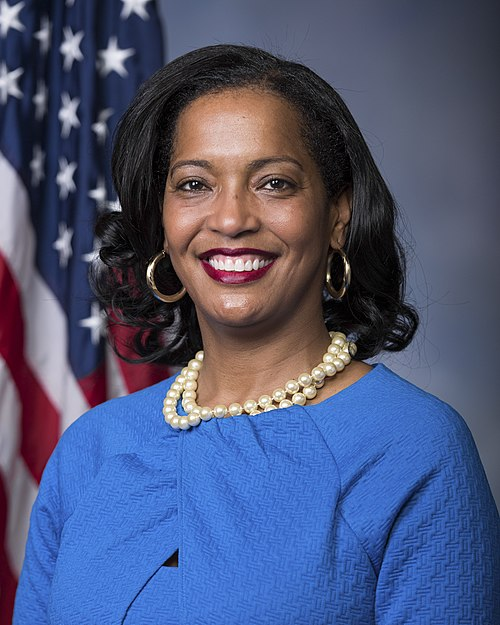
Co-Sponsor
-
TrackSydney Kamlager-Dove
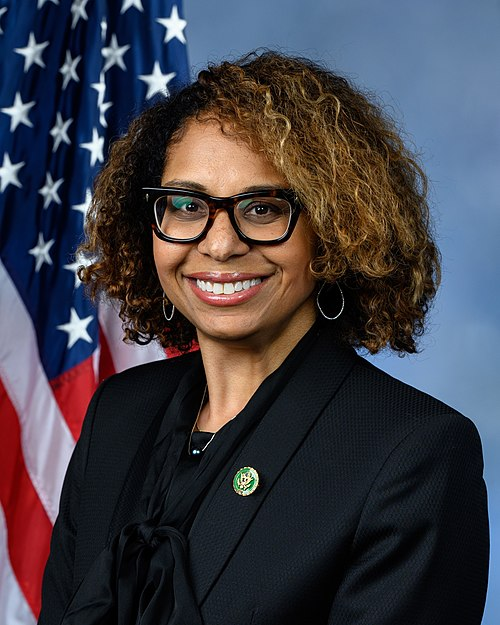
Co-Sponsor
-
TrackTimothy M. Kennedy
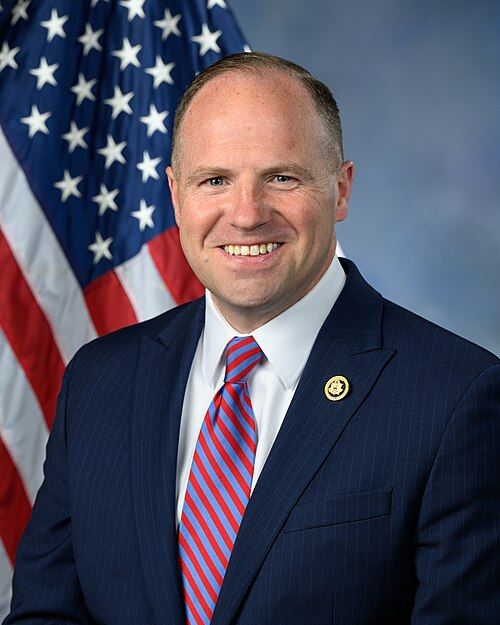
Co-Sponsor
-
TrackRo Khanna
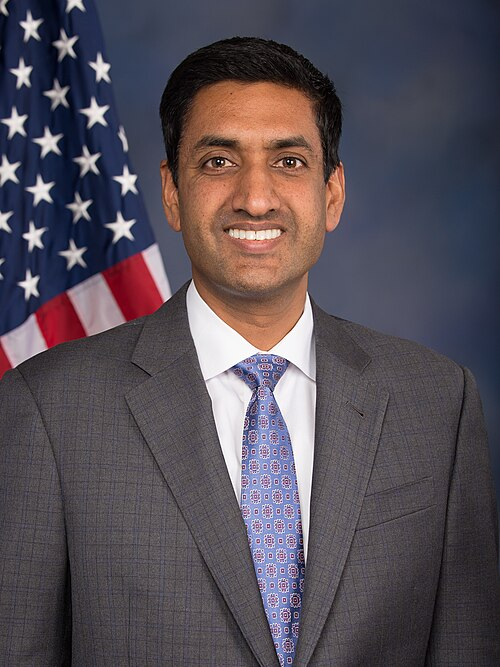
Co-Sponsor
-
TrackRaja Krishnamoorthi
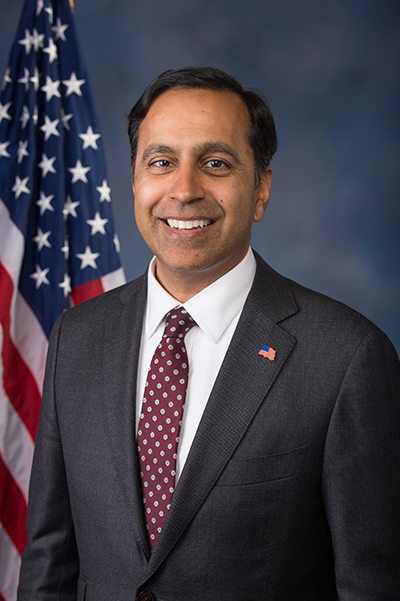
Co-Sponsor
-
TrackTed Lieu
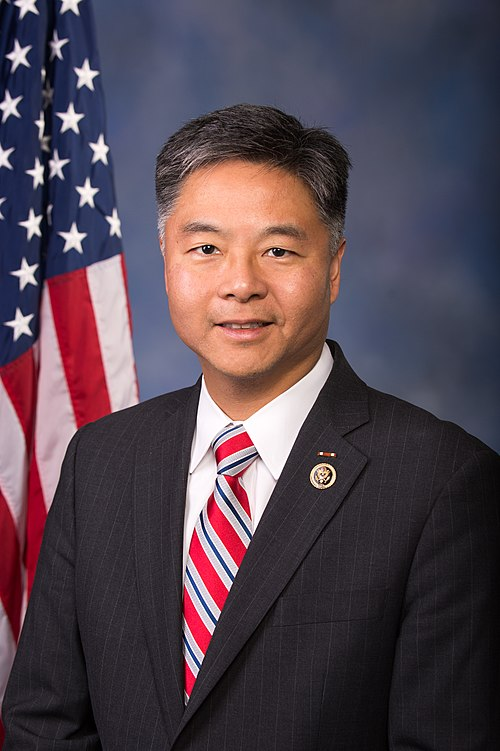
Co-Sponsor
-
TrackZoe Lofgren
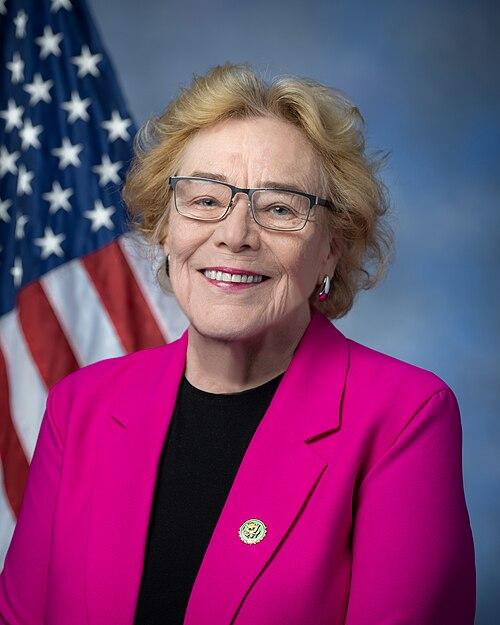
Co-Sponsor
-
TrackKevin Mullin
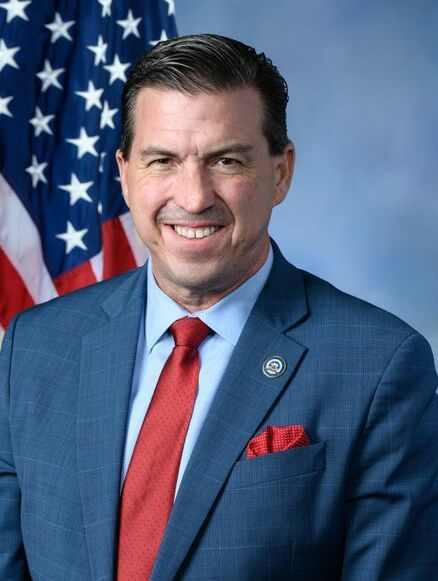
Co-Sponsor
-
TrackEleanor Holmes Norton
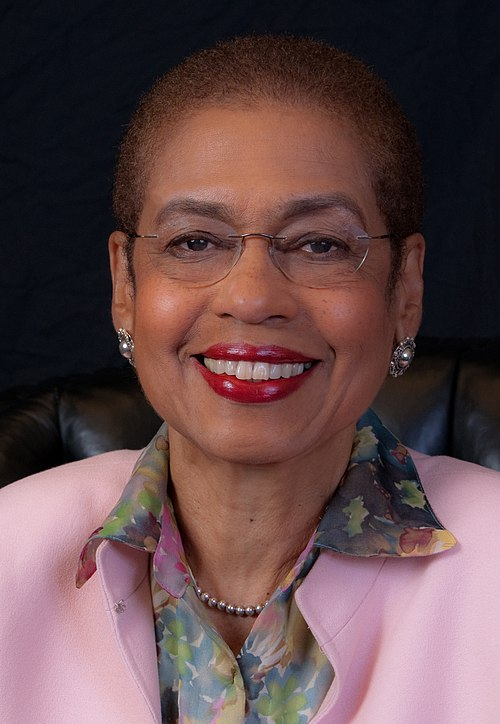
Co-Sponsor
-
TrackLateefah Simon
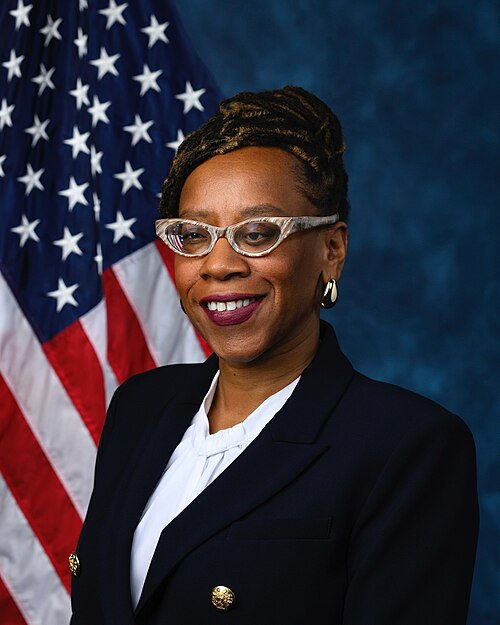
Co-Sponsor
-
TrackAdam Smith
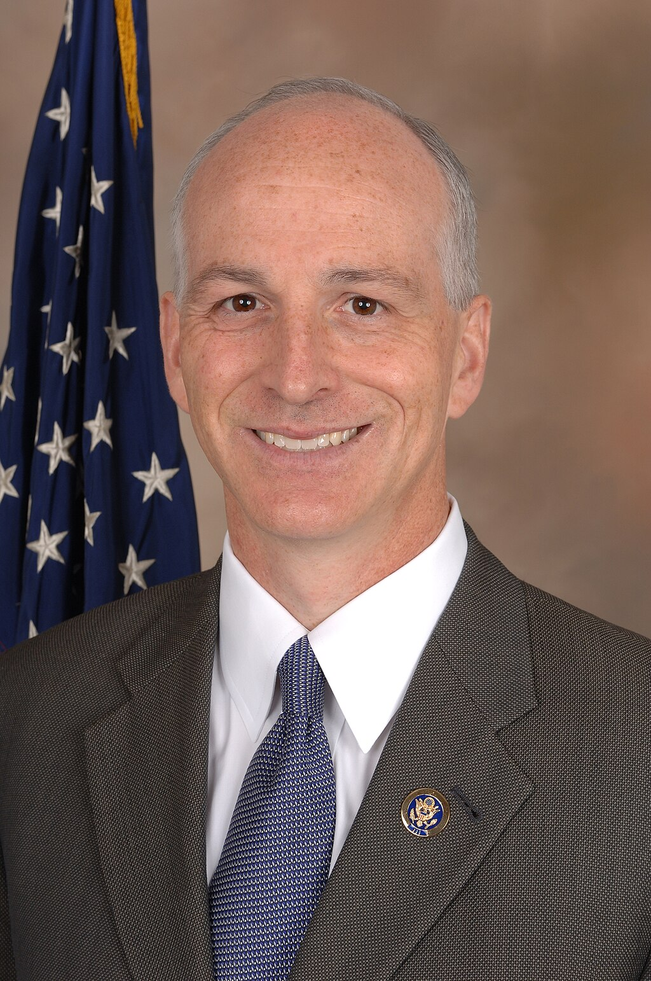
Co-Sponsor
-
TrackMarilyn Strickland
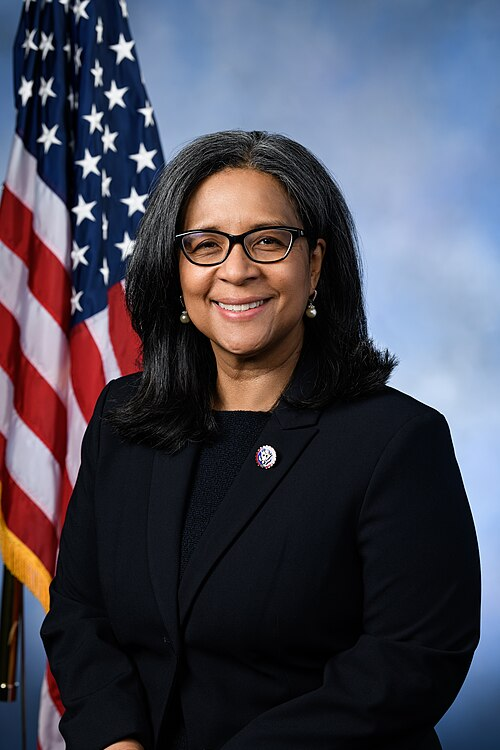
Co-Sponsor
-
TrackShri Thanedar
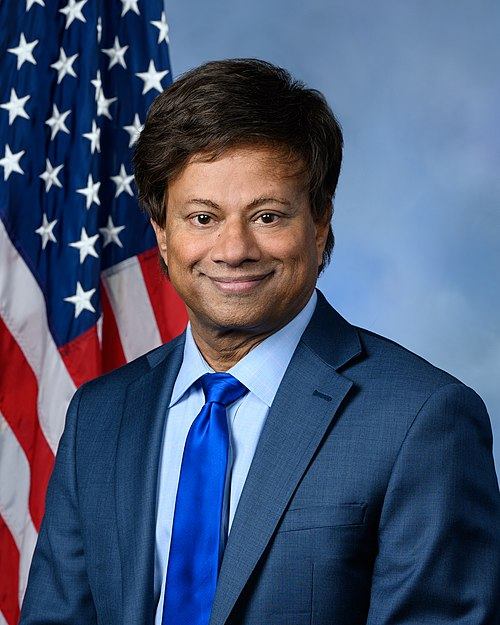
Co-Sponsor
-
TrackRashida Tlaib
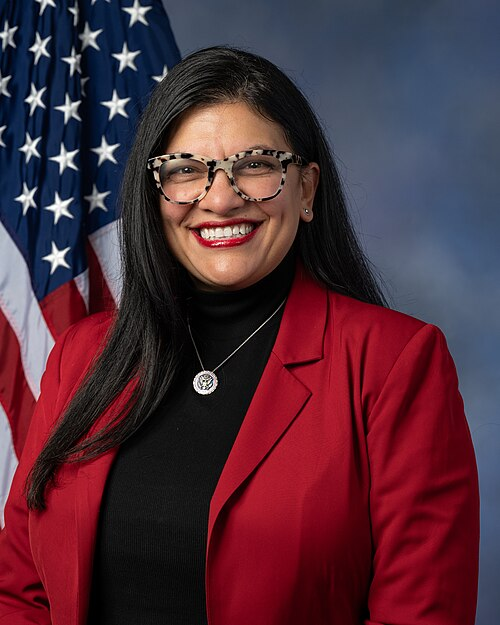
Co-Sponsor
-
TrackJill N. Tokuda
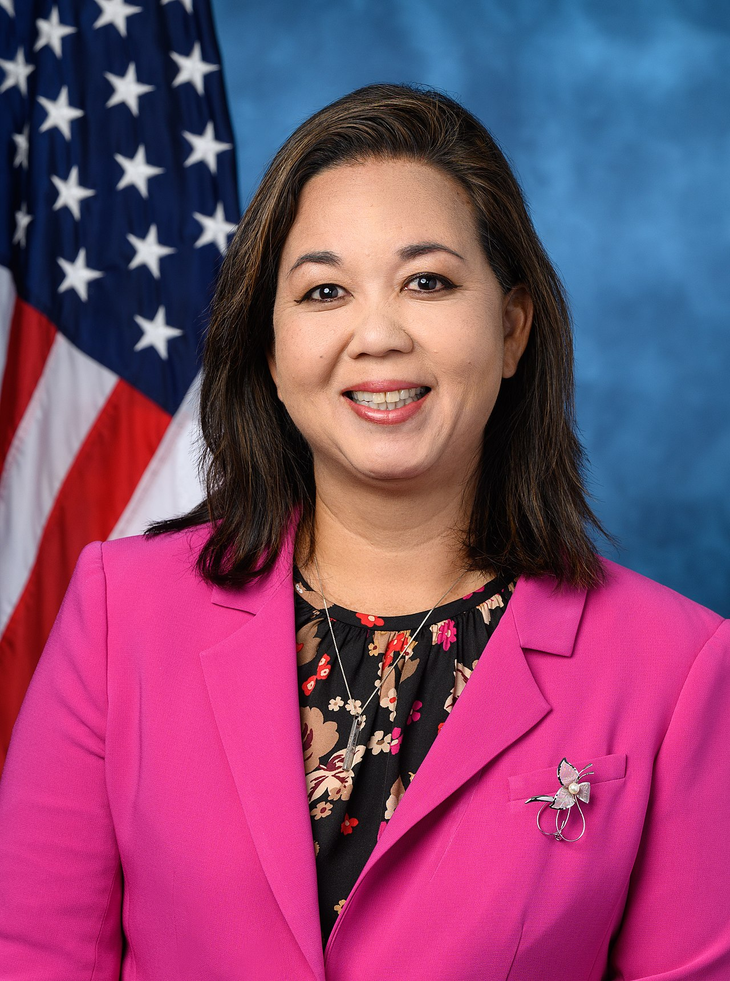
Co-Sponsor
-
TrackJuan Vargas
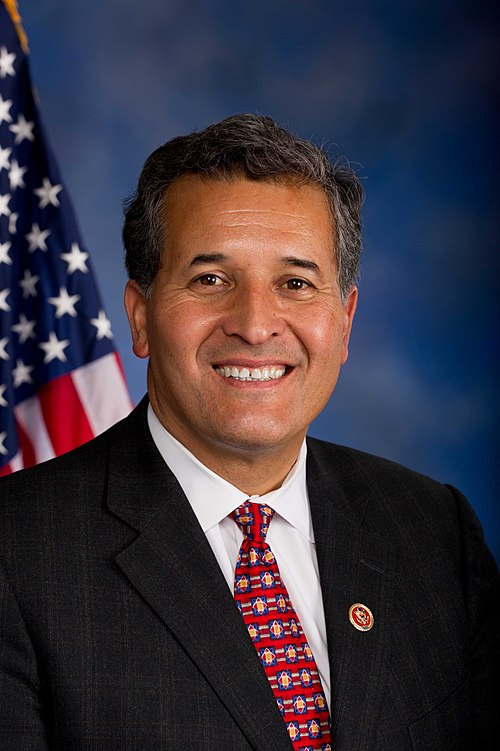
Co-Sponsor
-
TrackEugene Vindman
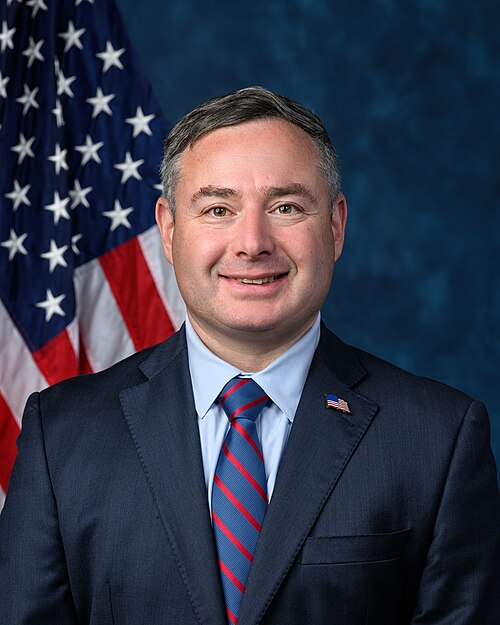
Co-Sponsor
Actions
2 actions
| Date | Action |
|---|---|
| Jan. 22, 2026 | Introduced in House |
| Jan. 22, 2026 | Referred to the House Committee on Oversight and Government Reform. |
Corporate Lobbying
0 companies lobbying
None found.
* Note that there can be significant delays in lobbying disclosures, and our data may be incomplete.