
S. 3914: Supreme Court Ethics and Investigations Act
The Supreme Court Ethics and Investigations Act aims to improve ethical standards and accountability within the Supreme Court of the United States by establishing two new offices: the Office of Ethics Counsel and the Office of Investigative Counsel. Here’s a breakdown of what the bill proposes:
Office of Ethics Counsel
- Establishment: The Chief Justice will create an Office of Ethics Counsel which will include a Chief Ethics Counsel and additional staff. This office will provide guidance to Supreme Court justices and their spouses on matters related to judicial ethics.
- Responsibilities: The Office will advise justices on issues such as:
- Financial disclosures
- Gifts acceptance
- Political activities
- Conflicts of interest and recusal
- Unauthorized disclosures of court documents
- Counsel Qualifications: The Chief Ethics Counsel must have significant legal experience and cannot be currently employed by the Court. They will serve up to two six-year terms with a minimum salary of $225,000. Other counsels must also be experienced attorneys and will have similar employment restrictions and term limits.
- Training Requirement: Justices will undergo biannual training on judicial ethics provided by the Office.
- Reporting: The Chief Ethics Counsel will report annually to Congress on how ethics guidance was utilized, including topics of advice sought and whether that advice was followed.
Office of Investigative Counsel
- Establishment: The Chief Justice will also create an Office of Investigative Counsel led by a Chief Investigative Counsel and at least two additional members. This office will focus on ethics complaints against justices and their immediate family members.
- Investigative Powers: The office will have the authority to investigate complaints, issue subpoenas to compel witnesses, and require the production of documents relevant to investigations.
- Complaint Process: Complaints can be filed by certain Congressional leaders. The Office will review submitted complaints to determine if a detailed investigation is warranted. If initiated, investigations must start within a specified timeframe.
- Reporting Findings: Investigative findings will be reported to the Chief Justice (or a designated justice in the case of complaints against the Chief). Reports can include violations of conduct and recommendations for actions like recusal. The Chief Justice has discretion over public release of these reports, while certain findings must be shared with Congress.
Severability Clause
If any part of this Act is found to be unconstitutional, the remaining provisions will still apply.
Relevant Companies
None found
This is an AI-generated summary of the bill text. There may be mistakes.
Sponsors
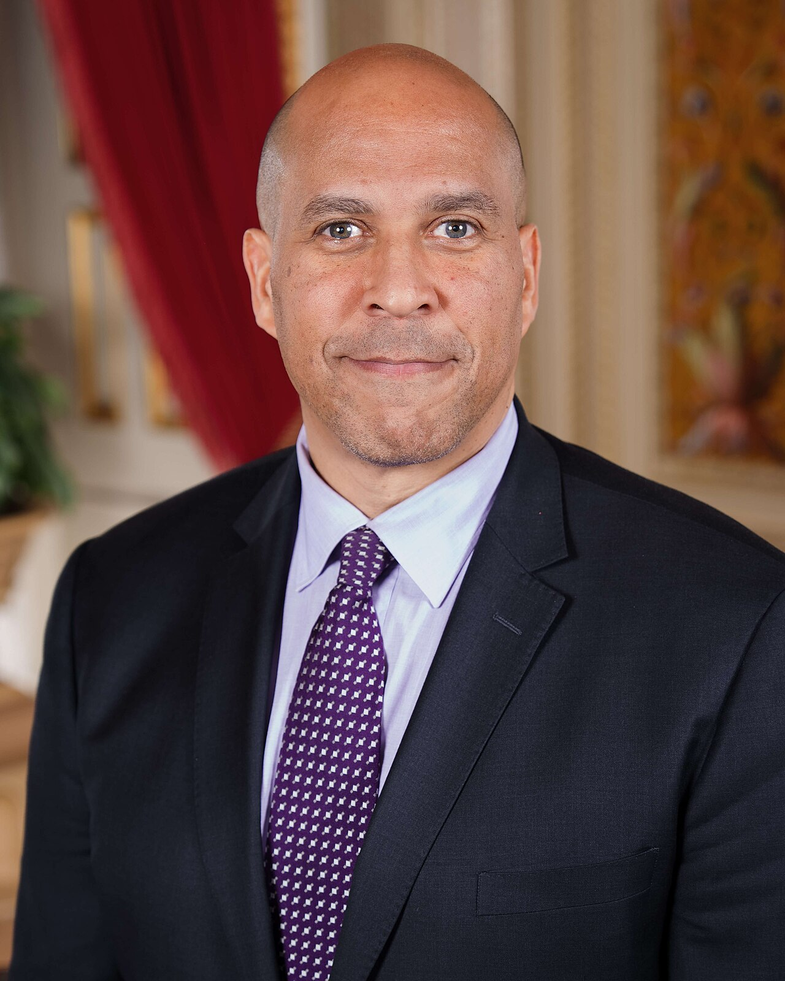
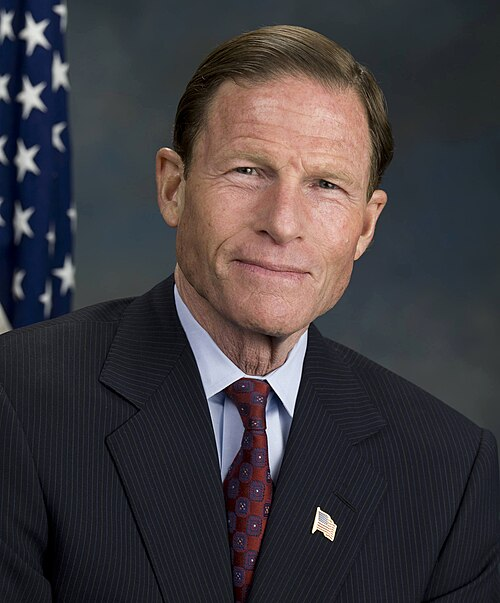
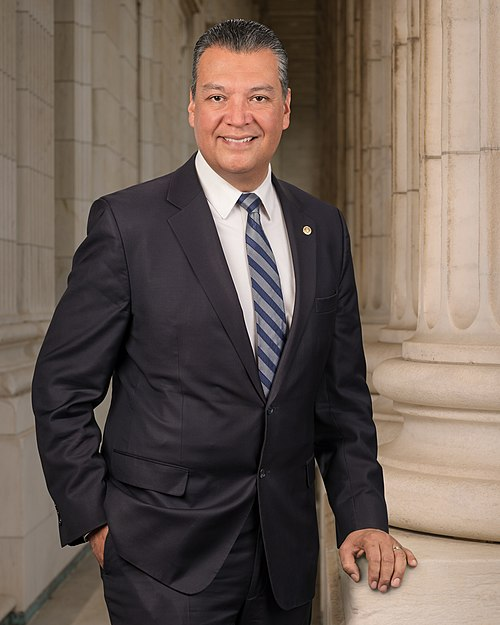
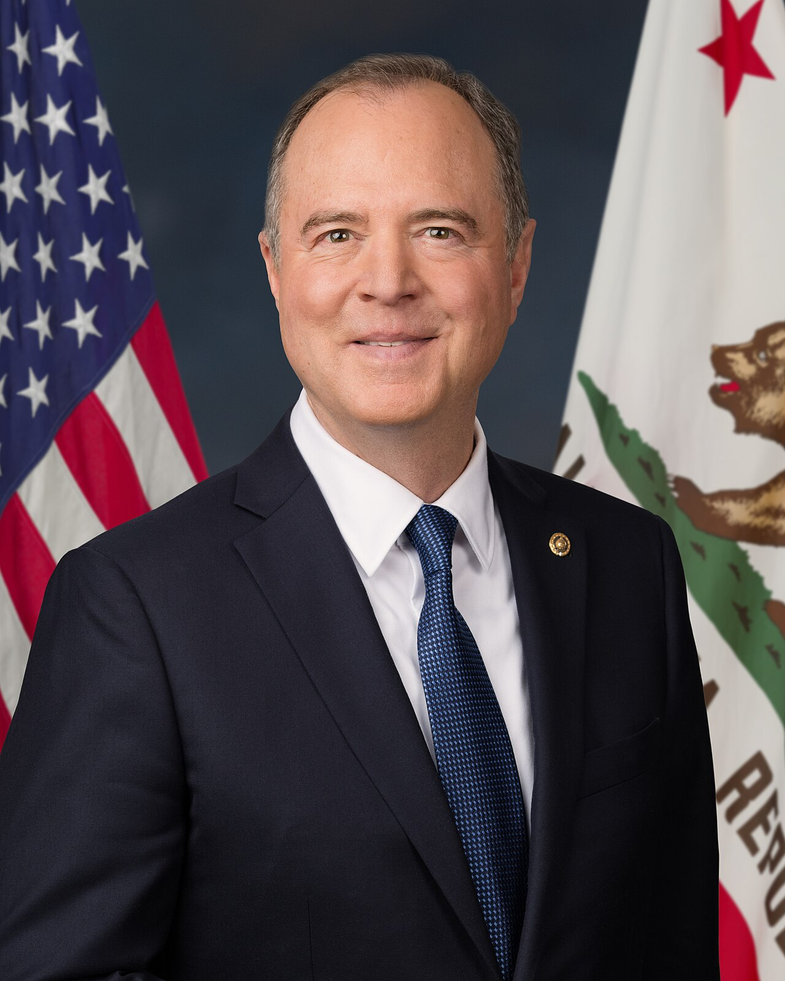
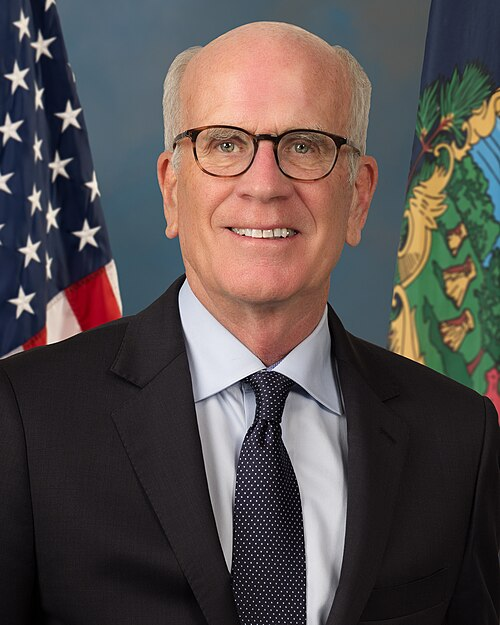
6 bill sponsors

Actions
2 actions
| Date | Action |
|---|---|
| Feb. 25, 2026 | Introduced in Senate |
| Feb. 25, 2026 | Read twice and referred to the Committee on the Judiciary. |
Corporate Lobbying
0 companies lobbying
None found.
* Note that there can be significant delays in lobbying disclosures, and our data may be incomplete.
Potentially Relevant Congressional Stock Trades
No relevant congressional stock trades found.