H.R. 6375: 21st Century STEM for Girls and Underrepresented Minorities Act
The 21st Century STEM for Girls and Underrepresented Minorities Act aims to encourage girls and underrepresented minorities to pursue education and careers in science, technology, engineering, and mathematics (STEM). The bill proposes the following key components:
Grants for Educational Programs
The Secretary of Education is authorized to provide competitive grants to local educational agencies (LEAs) to support STEM education activities targeting girls and underrepresented minorities. These grants will help cover costs associated with the programs.
Application Process
To receive a grant, LEAs must submit an application including:
- A description of the proposed educational program, including its content and design.
- Collaboration strategies among the elementary and secondary schools served by the agency.
- A comprehensive plan to enhance STEM education for the targeted groups.
- The process for student recruitment and selection for program participation.
- Details of instructional and motivational activities planned.
- Collaborative efforts with institutions experienced in increasing participation in STEM fields.
Use of Grant Funds
Grant funds can be utilized for various STEM-related activities, such as:
- Preparing girls and underrepresented minorities for STEM careers.
- Educating parents about STEM career opportunities.
- Offering tutoring and mentoring in STEM subjects.
- Creating partnerships with role models in STEM fields.
- Organizing after-school and summer programs that enhance interest and skills in STEM.
- Providing field trips to higher education institutions to expose students to STEM activities.
- Funding internships for students in STEM disciplines.
- Supporting professional development for educators regarding gender and racial bias, and fostering an inclusive classroom environment.
Grant Duration and Amount
Each grant will be awarded for a period of four years, providing $250,000 per year.
Evaluation Requirements
Grantees must submit an annual evaluation of their program, covering:
- A description of the program and activities.
- A summary of the curriculum and any partnerships developed.
- Data on student engagement in STEM activities.
- Assessment of academic progress of participating students.
- Any additional information the Secretary may require.
Funding Authorization
The bill authorizes $10 million each year from 2026 to 2029 to support the implementation of these educational programs.
Target Audience
The program specifically targets local educational agencies that serve a significant population of students eligible for free or reduced-price lunches, ensuring that the support reaches those who may benefit the most from enhanced STEM education.
Definitions
Key terms defined in the bill include STEM (science, technology, engineering, and mathematics) and qualified local educational agency, which must meet specific financial and demographic criteria to qualify for the grants.
Relevant Companies
None found.
This is an AI-generated summary of the bill text. There may be mistakes.
Sponsors
17 bill sponsors
-
TrackJoyce Beatty
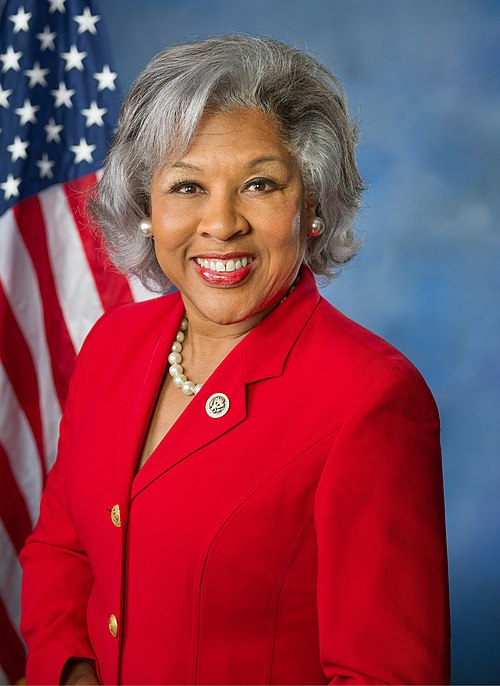
Sponsor
-
TrackWesley Bell
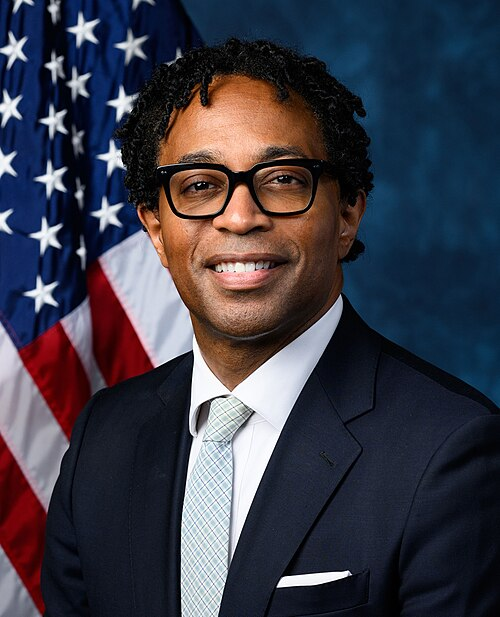
Co-Sponsor
-
TrackShontel M. Brown

Co-Sponsor
-
TrackYvette D. Clarke
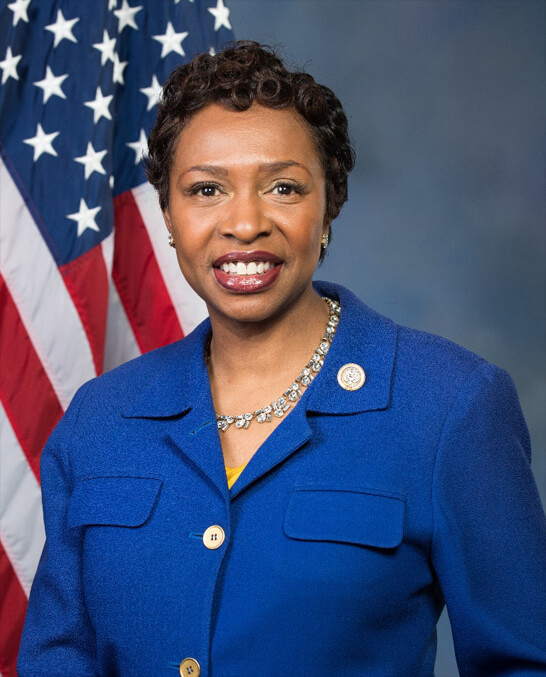
Co-Sponsor
-
TrackSharice Davids
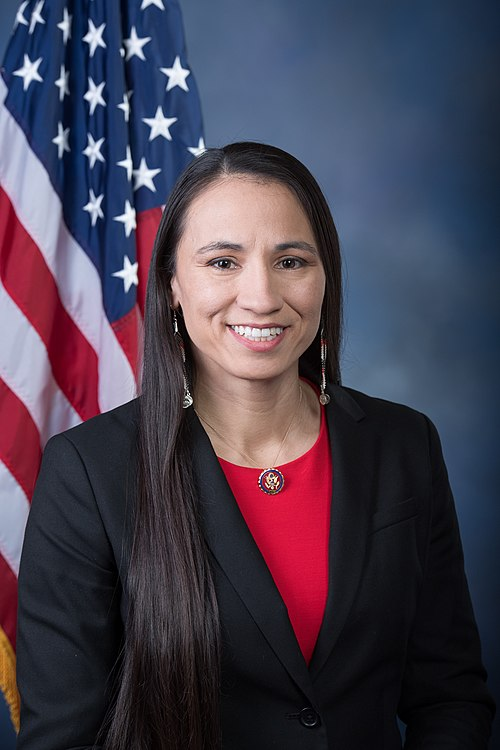
Co-Sponsor
-
TrackSuzan K. DelBene
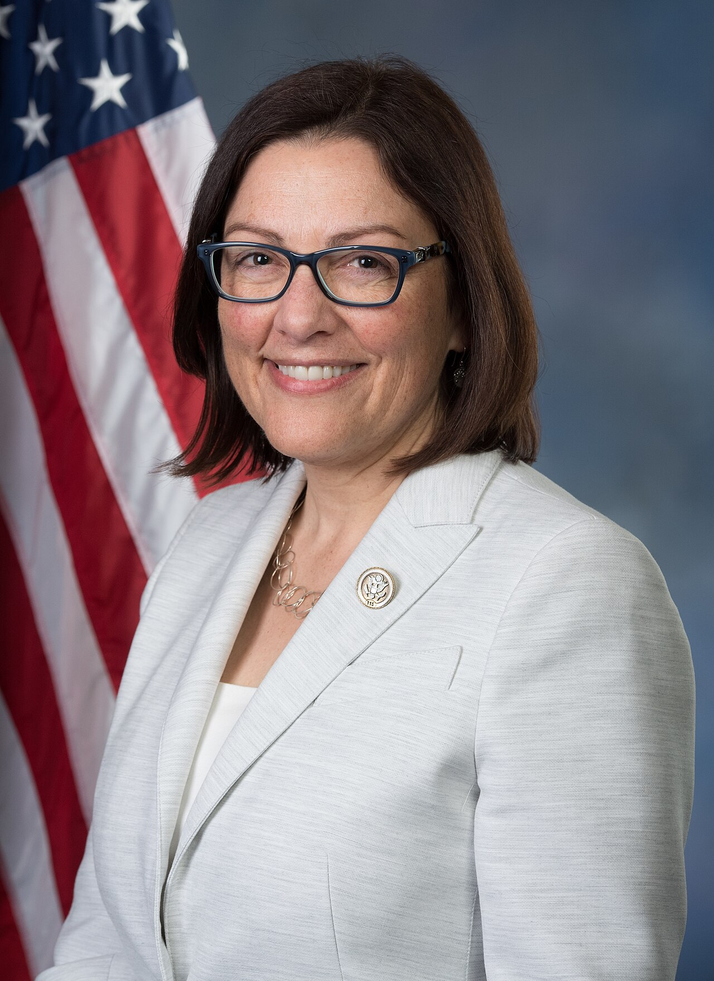
Co-Sponsor
-
TrackBill Foster

Co-Sponsor
-
TrackHenry C. "Hank" Johnson, Jr.

Co-Sponsor
-
TrackSummer L. Lee
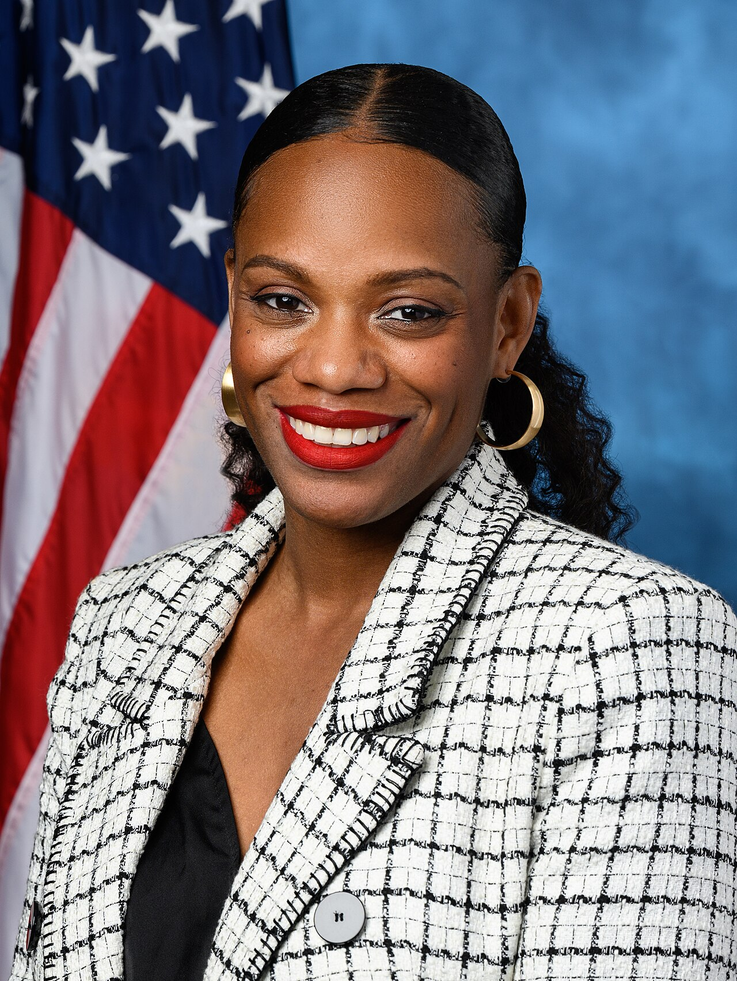
Co-Sponsor
-
TrackZoe Lofgren
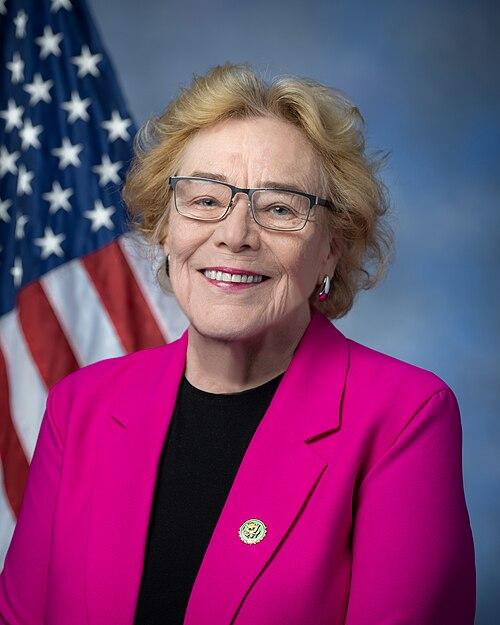
Co-Sponsor
-
TrackStephen F. Lynch

Co-Sponsor
-
TrackLaMonica McIver
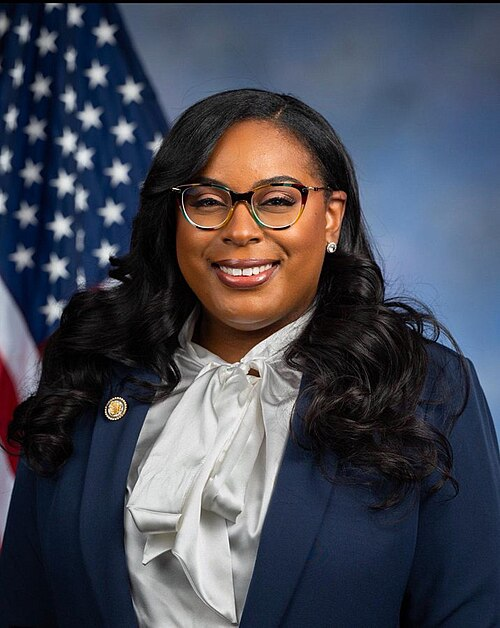
Co-Sponsor
-
TrackEleanor Holmes Norton

Co-Sponsor
-
TrackNellie Pou
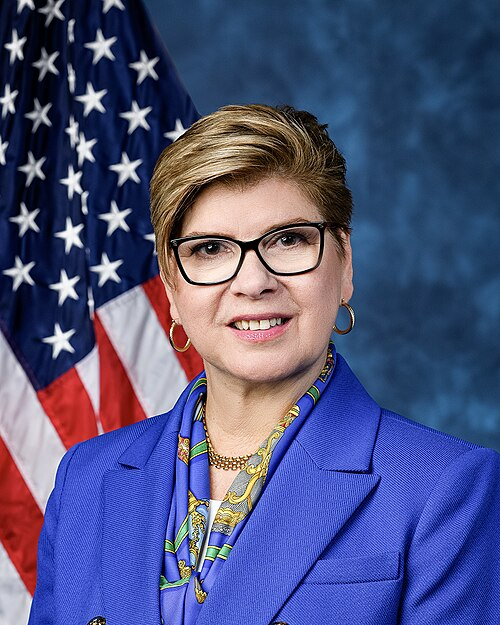
Co-Sponsor
-
TrackMelanie A. Stansbury
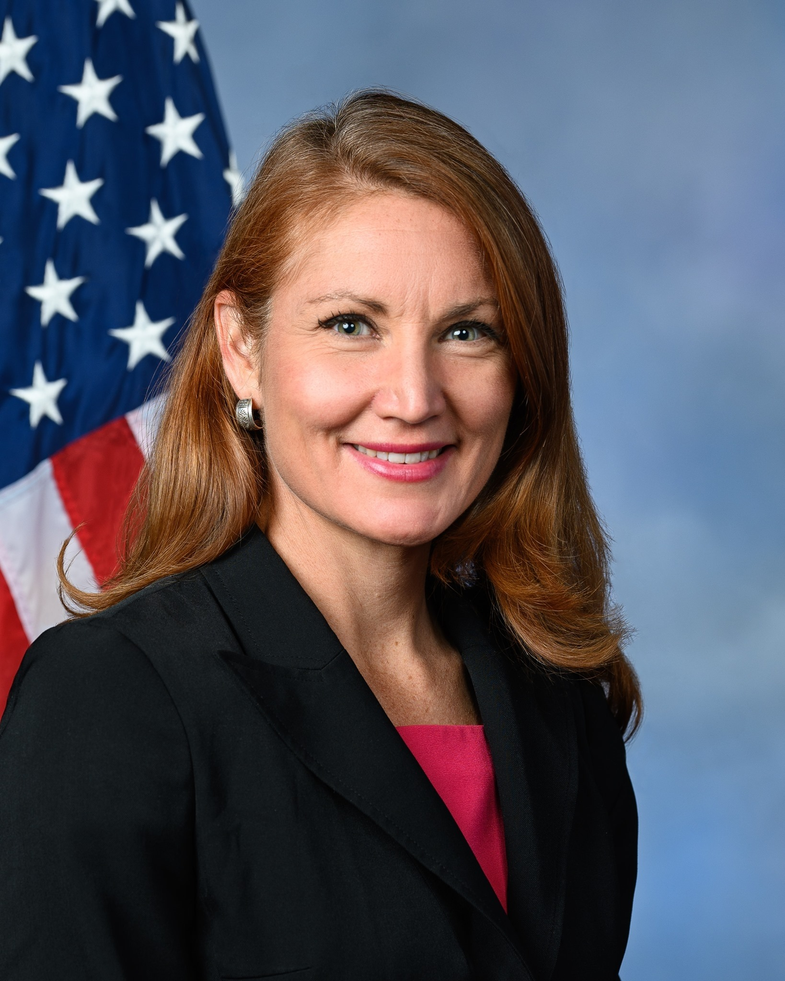
Co-Sponsor
-
TrackEric Swalwell

Co-Sponsor
-
Tracknan

Co-Sponsor
Actions
2 actions
| Date | Action |
|---|---|
| Dec. 03, 2025 | Introduced in House |
| Dec. 03, 2025 | Referred to the House Committee on Education and Workforce. |
Corporate Lobbying
0 companies lobbying
None found.
* Note that there can be significant delays in lobbying disclosures, and our data may be incomplete.
Potentially Relevant Congressional Stock Trades
No relevant congressional stock trades found.