H.R. 7064: AI in Health Care Efficiency and Study Act
This bill, known as the AI in Health Care Efficiency and Study Act, aims to enhance the efficiency of the health care system through the use of artificial intelligence (AI) technologies while ensuring the protection of patient data. Here’s a breakdown of the main components:
Purpose
The bill mandates that the Secretary of Health and Human Services conduct a study within 18 months of its enactment. This study will focus on identifying and evaluating strategies for applying AI technologies across the health care industry, which includes health care providers and health plans.
Key Findings
The bill outlines the following findings, which justify the need for the study:
- Administrative and clerical tasks significantly contribute to rising health care costs and provider burnout.
- AI has the potential to streamline these tasks, allowing healthcare providers to spend more time attending to patients.
- Maintaining the privacy and security of patient information is crucial when implementing AI technologies in health care.
Study Content
In conducting the study, the Secretary will focus on various aspects of AI application:
- Reducing the administrative burden and improving efficiency in tasks such as scheduling, claims processing, and documentation.
- Enhancing the accuracy and timeliness of patient record-keeping.
- Ensuring the security and compliance of patient data with existing regulations.
- Exploring how AI can help combat cybersecurity threats, including ransomware and data breaches.
Consultation
The Secretary is required to consult with a variety of entities during the study, including:
- Directors from governmental institutions like the National Institute of Standards and Technology and the National Institutes of Health.
- Academic institutions, AI developers, civil rights experts, and health care providers.
- Technology vendors and nonprofit research institutions, among others.
Report Requirements
After completing the study, the Secretary must submit a report within six months to certain Congressional committees. This report will include:
- Findings and conclusions from the study.
- An assessment of existing AI tools in health care and their limitations.
- Recommendations for future research and pilot programs related to AI in health care.
- Policy options for supporting the development and oversight of AI tools, while ensuring patient privacy and data security.
Intended Impact
By investigating the effective use of AI in health care, the bill aims to create a foundation for improving operational efficiency and enhancing patient care while safeguarding sensitive information.
Relevant Companies
- MDLZ (Mondelez International, Inc.) - As a major healthcare provider, Mondelez may need to adapt to AI-driven changes in administrative processes.
- UNH (UnitedHealth Group Incorporated) - As a large health plan provider, operating efficiencies may be affected by advancements in AI systems.
- CI (Cigna Corporation) - Cigna might integrate AI improvements for claims processing and patient interactions as a result of this legislation.
This is an AI-generated summary of the bill text. There may be mistakes.
Sponsors
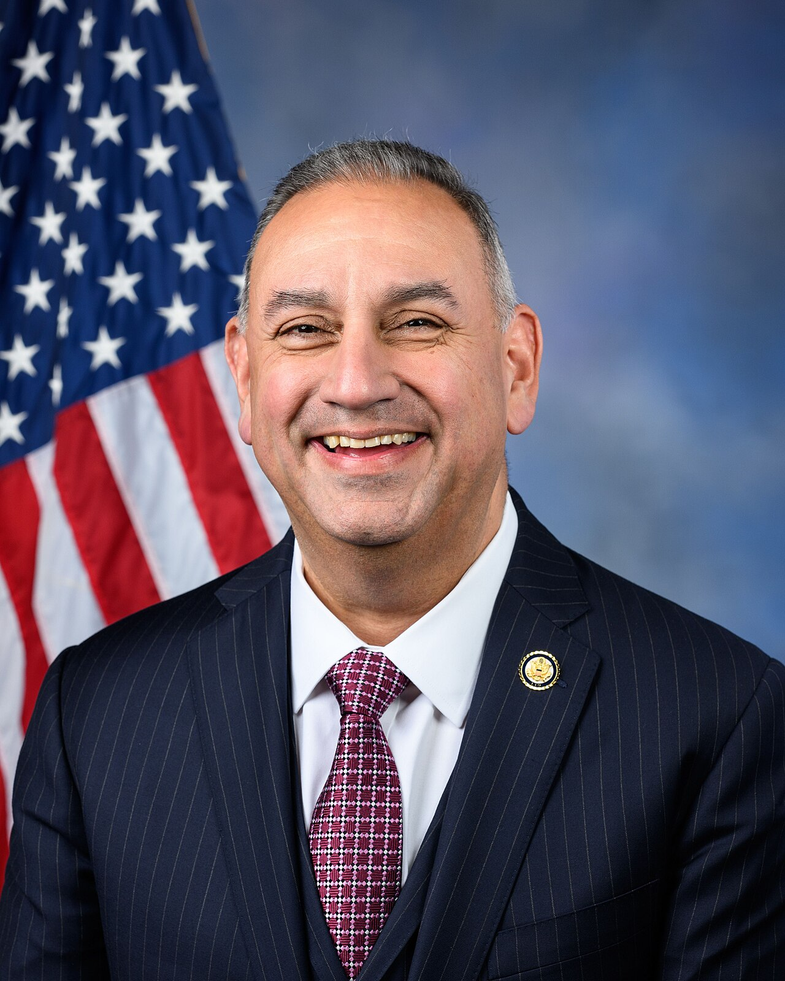
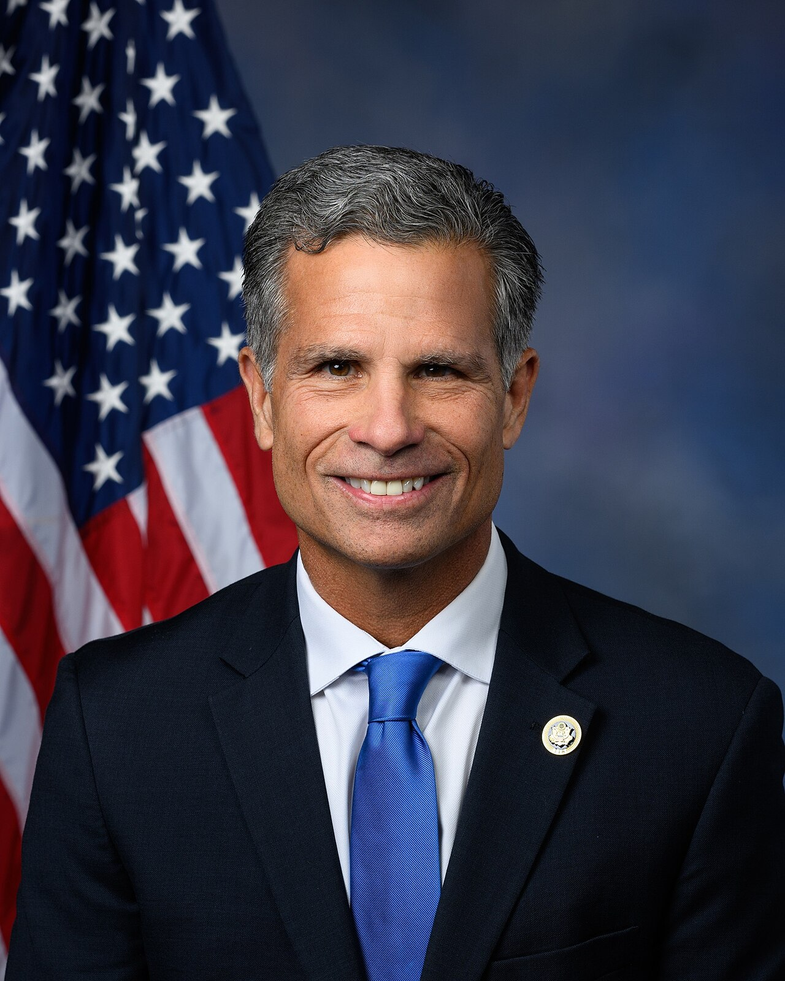
3 bill sponsors



Actions
2 actions
| Date | Action |
|---|---|
| Jan. 14, 2026 | Introduced in House |
| Jan. 14, 2026 | Referred to the House Committee on Energy and Commerce. |
Corporate Lobbying
0 companies lobbying
None found.
* Note that there can be significant delays in lobbying disclosures, and our data may be incomplete.