S. 3737: Growing Resilient Operations from Water Saving and Municipal-Agricultural Reciprocally-beneficial Transactions Act
This bill, called the "Growing Resilient Operations from Water Saving and Municipal-Agricultural Reciprocally-beneficial Transactions Act," aims to address water management issues, particularly in times of drought. Here is a breakdown of what the bill proposes:
Financial and Technical Assistance
The bill allows the Secretary of the Interior to provide financial and technical assistance to qualified applicants for innovative projects that involve:
- Voluntary water partnership agreements among different water users, including agricultural entities and municipal or community water providers.
- Implementing water-saving practices and crops to enhance resilience against drought.
- Keeping agricultural land in production and supporting rural community income and employment levels.
Innovative Approaches
Projects supported under this bill must incorporate innovative methods, which could include:
- Financial, water storage, or sharing agreements that protect agricultural users from crop failures or water shortages.
- New practices that promote water savings, such as hydroponics, agrovoltaics, or advanced irrigation techniques.
- Efforts to manage agricultural water use more efficiently without falling back on traditionally used crops or technologies.
Eligibility for Assistance
To qualify for assistance, applicants must:
- Form voluntary partnerships involving agricultural entities and water providers or other relevant organizations.
- Submit an application endorsed by at least one agricultural party and one water provider.
- Include tribal entities in these partnerships without restriction.
Application Process and Prioritization
The Secretary will prioritize applications based on several criteria:
- The project's potential to increase water supplies for local community members.
- The degree of innovation in practices or partnerships proposed.
- The expected reduction in agricultural water use compared to existing methods.
- The demonstrated capability to maintain project benefits without reliance on federal funding after the initial phase.
Financial Provisions
The federal government will cover a maximum of 75% of project costs, although this requirement may be waived for tribal entities. Additionally, the bill authorizes $5 million annually for fiscal years 2028 through 2034 for these initiatives.
Funding and Resource Allocation
The Secretary is permitted to use up to 10% of certain funds from the Omnibus Public Land Management Act of 2009 to support the provisions of this bill. The focus will be on enhancing water management and addressing the impacts of drought.
Relevant Companies
- DKNG (DraftKings) - Potentially impacted due to operational water needs in the context of water management and conservation practices.
- GOOGL (Alphabet) - Could be involved as a large data center operator focusing on sustainable water use.
- CMI (Cummins) - May be affected through initiatives that involve technology for improved irrigation and water use efficiency.
This is an AI-generated summary of the bill text. There may be mistakes.
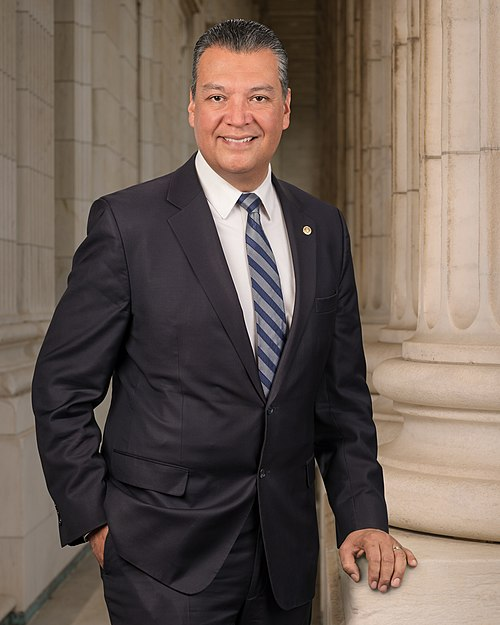
Sponsors
1 sponsor
Actions
3 actions
| Date | Action |
|---|---|
| Mar. 17, 2026 | Committee on Energy and Natural Resources Subcommittee on Water and Power. Hearings held. |
| Jan. 29, 2026 | Introduced in Senate |
| Jan. 29, 2026 | Read twice and referred to the Committee on Energy and Natural Resources. (Sponsor introductory remarks on measure: CR S380) |
Corporate Lobbying
0 companies lobbying
None found.
* Note that there can be significant delays in lobbying disclosures, and our data may be incomplete.