H.R. 6185: Targeting Environmental and Climate Recklessness Act of 2025
The "Targeting Environmental and Climate Recklessness Act of 2025" aims to address issues related to climate change and environmental degradation by introducing a framework for imposing sanctions on individuals or entities that significantly contribute to climate harm. Here’s a brief summary of what the bill proposes:
Sanctions for Climate Change Contributors
The bill authorizes the President of the United States to impose sanctions on foreign persons who engage in activities that:
- Contribute to greenhouse gas emissions that exceed established scientific limits aimed at limiting global temperature rise to 1.5 degrees Celsius.
- Involve illegal deforestation or harm important natural carbon sinks.
- Misrepresent the environmental impact of projects or investments.
- Limit or undermine efforts by individuals protecting the environment or seeking to uphold community land rights.
Mechanisms of Sanction
Sanctions could include:
- Inadmissibility for travel to the United States.
- Blocking of any transactions involving property owned by the sanctioned persons within the U.S.
- Additional sanctions options that may be deemed appropriate under U.S. law.
Imposition Criteria
The bill specifies that sanctions should be considered based on credible information gathered by congressional committees, other countries, or organizations monitoring environmental integrity and human rights.
Focus on Environmental Defenders
Special attention is given to those who protect the environment, public health, and community rights. If these individuals face threats or harm due to their actions, sanctions can be applied to those who perpetrate such actions.
Support for Climate Finance and Cooperation
Congress emphasizes that this act is one component of a broader strategy to combat climate change. It suggests the U.S. government should partner with other nations to effectively limit emissions, promote development that does not harm the environment, and increase climate finance efforts over $11 billion annually.
Relation to Existing Laws
The bill utilizes existing executive powers related to human rights abuses and corruption to enhance enforcement against those contributing to environmental destruction. Additionally, special care is to be taken regarding intelligence and law enforcement activities to ensure compliance with international obligations.
Funding for Implementation
It also provides for funding to the Office of Foreign Assets Control (OFAC) to enhance its ability to identify and impose sanctions on individuals or entities that violate climate-related provisions.
Relevant Companies
- TSLA (Tesla Inc.): If the bill leads to tighter regulations on emissions, companies like Tesla, which produce electric vehicles and are positioned to reduce greenhouse gases, may benefit from increased demand and investment, while traditional fossil fuel companies may face more scrutiny.
- XOM (Exxon Mobil Corporation): Given its involvement in fossil fuels, Exxon Mobil may face sanctions if found complicit in activities that contribute to significant emissions or environmental harm.
- CVX (Chevron Corporation): Similar to Exxon, Chevron's operations could be negatively impacted by the increased regulatory scrutiny and potential sanctions related to climate change activities.
This is an AI-generated summary of the bill text. There may be mistakes.
Sponsors
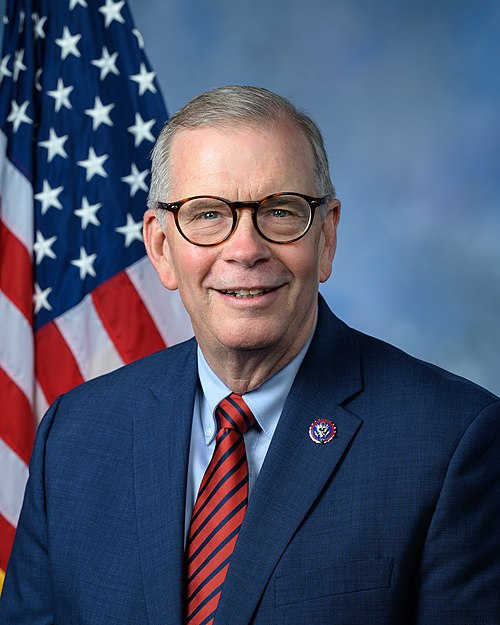
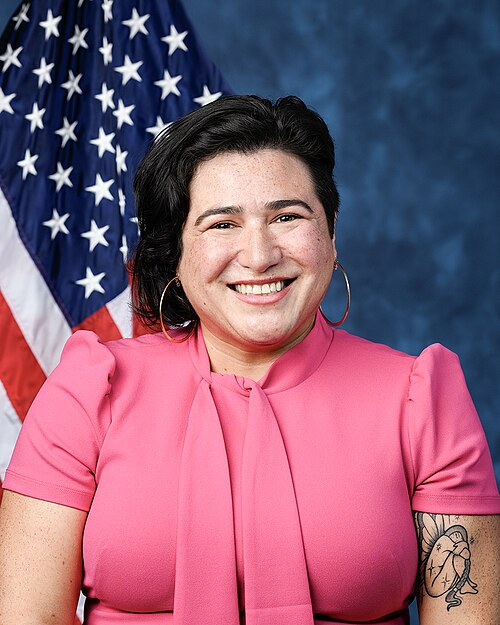
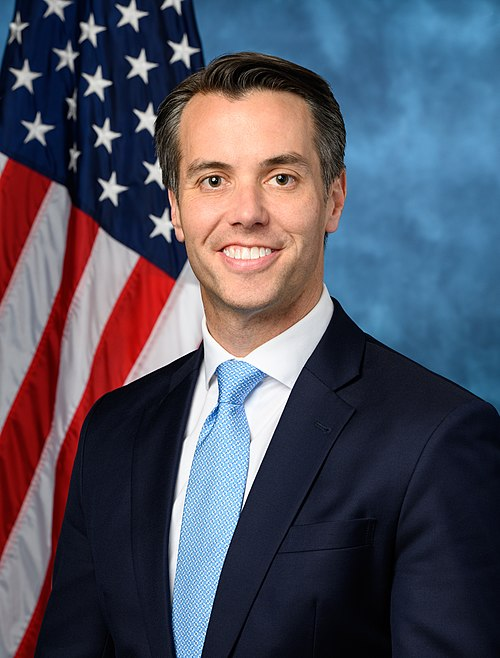
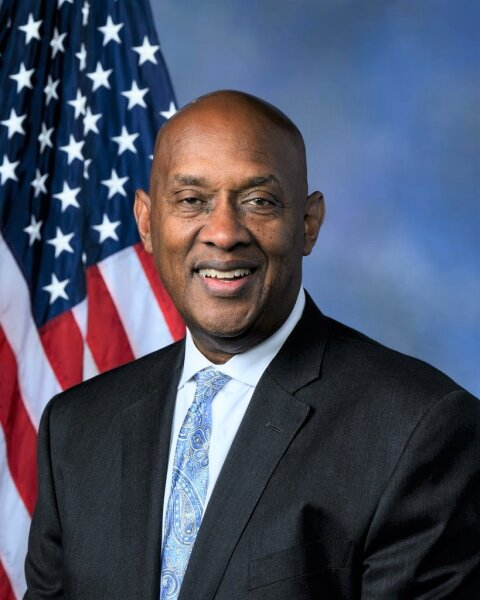
1 sponsor
Actions
2 actions
| Date | Action |
|---|---|
| Nov. 20, 2025 | Introduced in House |
| Nov. 20, 2025 | Referred to the Committee on Foreign Affairs, and in addition to the Committees on the Judiciary, Financial Services, Oversight and Government Reform, and Ways and Means, for a period to be subsequently determined by the Speaker, in each case for consideration of such provisions as fall within the jurisdiction of the committee concerned. |
Corporate Lobbying
0 companies lobbying
None found.
* Note that there can be significant delays in lobbying disclosures, and our data may be incomplete.