S. 5170: Carbon Dioxide Removal Leadership Act of 2026
This bill would direct the Secretary of Energy to set up a federal carbon dioxide removal program. In practical terms, that means the federal government would be required to pay for or carry out projects that take carbon dioxide out of the air or seawater and store it long enough to be considered durable, such as underground injection, building materials, mineralized carbon products, or other storage methods approved by the Secretary.
What counts as eligible removal
The bill defines “eligible technology” as equipment or methods put into service after January 1, 2022, that directly remove carbon dioxide from ambient air or seawater. It excludes:
- removal from naturally occurring subsurface carbon dioxide springs,
- removal using natural photosynthesis, except in limited cases added by the bill, and
- projects that use captured carbon dioxide for enhanced oil recovery.
It does allow some waste-based methods, such as gasification, pyrolysis, or sequestration of solid, nonhazardous, cellulosic waste materials, if the Secretary sets rules to verify emissions and environmental effects.
Removal targets and cost limits
The bill sets annual removal goals that rise over time, if the Secretary determines the work is economically feasible:
- 50,000 net metric tons per year for fiscal years 2026 and 2027,
- 500,000 net metric tons per year for fiscal years 2028 through 2030,
- 5,000,000 net metric tons per year for fiscal years 2031 through 2035, and
- 10,000,000 net metric tons per year for fiscal year 2036 and later.
The bill also sets price caps for what counts as economically feasible, starting at $750 per ton in 2026–2027 and falling over time to $150 per ton beginning in 2037, with possible inflation adjustments. Those cost calculations must include third-party measurement, monitoring, reporting, and verification expenses.
Project rules and oversight
The Secretary would have to use an independent third party to measure and verify how much carbon dioxide is actually removed. Within one year of enactment, the Department of Energy would have to create standards for measuring and verifying removal. Those standards would need to address whether projects are safe, additional, durable, transparent, and scientifically rigorous, and would need periodic updates as technology changes.
The bill would also prohibit counting carbon dioxide removal toward this program if it is already being used to satisfy another greenhouse gas program, including federal, state, local, foreign, or private programs. This is meant to prevent “double counting.”
How projects would be chosen
The Secretary would be required to prioritize projects that:
- minimize greenhouse gas emissions created by the project itself,
- support commercialization of newer technologies,
- expand the range of available removal methods,
- create domestic jobs and partner with labor organizations, small businesses, minority-owned businesses, and women-owned businesses when possible,
- use domestic supply chains,
- support economic development in areas affected by fossil fuel production and use,
- reduce risks to nearby communities and improve local air, water, and soil quality, and
- include public engagement and community benefits agreements.
The bill says at least 20% of the required removals from 2026 through 2035 should come from “small removal projects,” which are projects that account for no more than 5% of the annual required total.
Contracts, reporting, and funding
The Secretary could use a transparent, competitive contracting process to meet the removal targets, and contracts could last up to 15 years. If enough providers exist, no single entity could be responsible for more than 25% of the annual required removals.
Money received under these contracts would not count as federal assistance and would not affect eligibility for other federal aid or tax incentives.
The Secretary would have to report to Congress and publicly release progress reports every two years starting in 2029. These reports would cover how much carbon dioxide was removed, how much it cost, what technologies and storage methods were used, where the projects were located, how the projects affected communities and the environment, labor impacts, and how projects were prioritized.
The bill authorizes “such sums as are necessary” to carry out the program.
Additional study
Within one year, the Secretary of Energy would also have to submit a study to Congress about how a larger federal carbon dioxide removal program could be designed and financed to reach removals at a gigaton scale annually by 2050. The study would consider possible structures such as a government-sponsored enterprise, a government corporation, a DOE program office, or a contracted service provider.
Relevant Companies
- AMZN - Amazon could be indirectly affected if it purchases carbon dioxide removal credits or contracts to meet corporate climate goals, though the bill is aimed at federal procurement rather than private mandates.
- MSFT - Microsoft could be indirectly affected for similar reasons, since it has been active in carbon removal procurement markets.
- META - Meta could also be indirectly affected if federal demand and standards influence the broader carbon removal market it participates in.
- LNG - Cheniere Energy may be indirectly affected only if carbon removal market growth changes broader emissions-management demand; it is not a direct target of the bill.
- BE - Bloom Energy could be indirectly affected through demand for low- or zero-emission power used by carbon removal projects.
This is an AI-generated summary of the bill text. There may be mistakes.
Sponsors
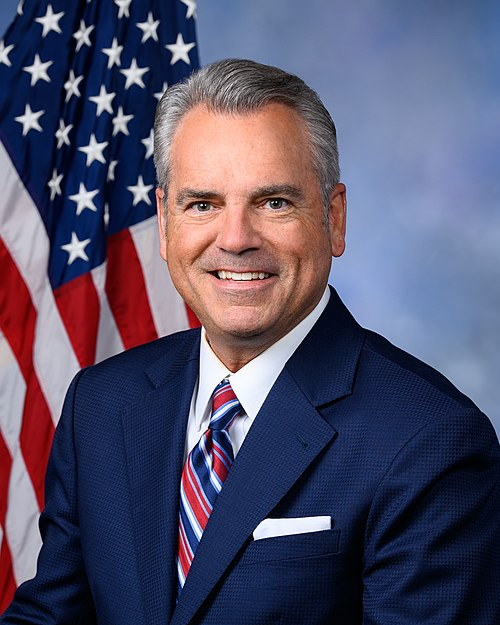
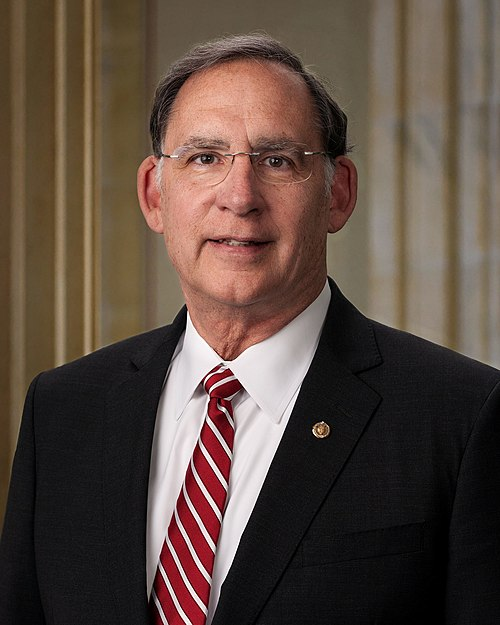
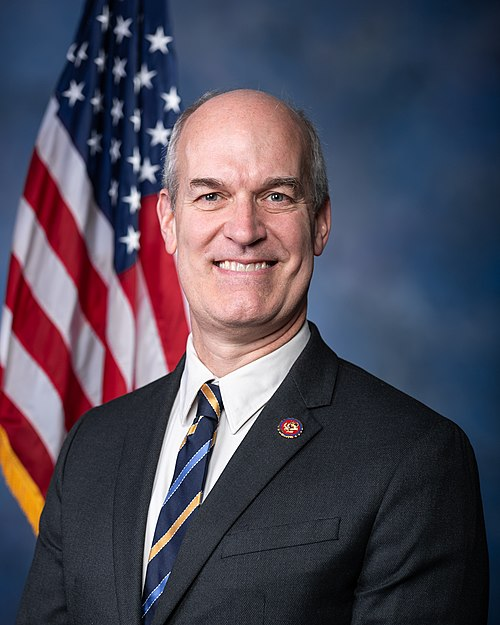
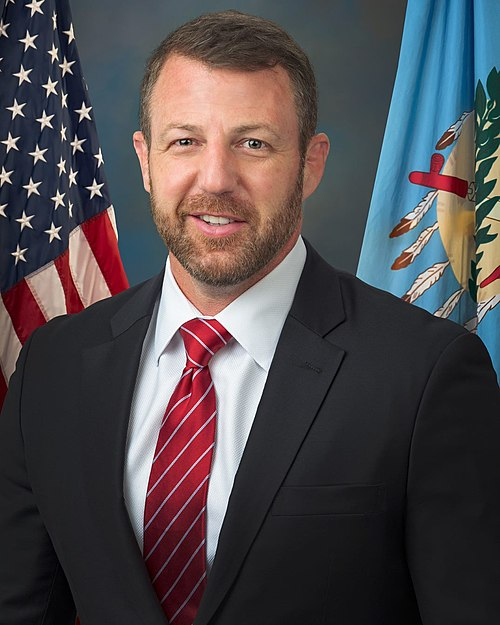
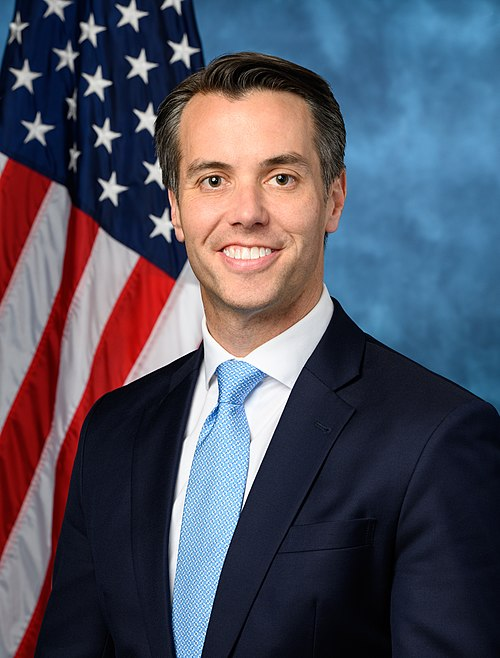
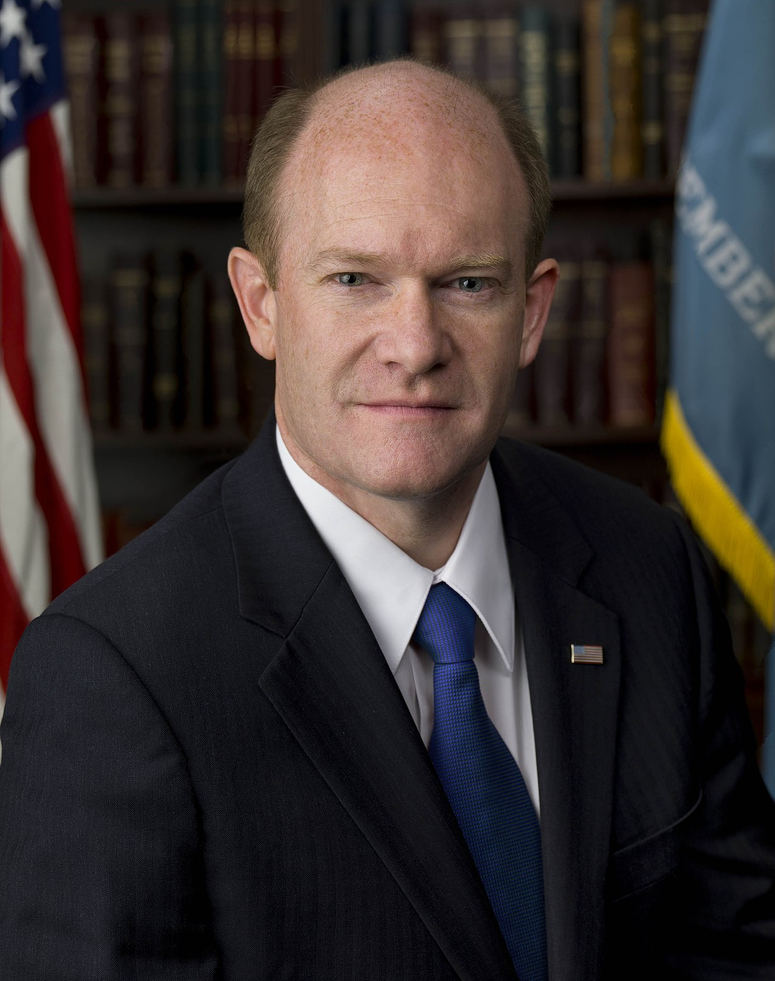
2 bill sponsors

Actions
2 actions
| Date | Action |
|---|---|
| Jul. 29, 2026 | Introduced in Senate |
| Jul. 29, 2026 | Read twice and referred to the Committee on Energy and Natural Resources. |
Corporate Lobbying
0 companies lobbying
None found.
* Note that there can be significant delays in lobbying disclosures, and our data may be incomplete.