S. 5007: Securing Enforcement of Americans' Right to Competition at Home Act of 2026
This bill would create new rules for large online search and digital advertising platforms, mainly aimed at companies that control a search engine, AI-powered search, or search ads and meet a large user threshold. It would treat those companies as “covered platforms” and place limits on how they can promote their own search tools, how they can use data, and how they can make deals with device makers, browsers, publishers, and distributors.
What companies would be covered
The bill would apply to a platform that offers general search, AI search, or search ads in the U.S., makes those services available through third-party devices, browsers, operating systems, or similar access points, and reaches a very large share of U.S. users. Smaller search providers would generally not be covered.
Restrictions on business deals and default placement
Covered platforms would be barred from paying or giving benefits to distributors, device makers, or browser developers in exchange for:
- preferential treatment of their search products over competitors,
- being set as the default search engine or AI search option,
- blocking competing search products, or
- pre-installation or prominent placement tied to default status.
The bill would also prohibit exclusive agreements with publishers or distributors that block competitor access to data, give the covered platform “most favored nation” terms, or require better terms for the covered platform than for rivals. It would also stop a covered platform from conditioning access to app stores, operating systems, or other services on distribution of its own search or ad products, and from using revenue-sharing arrangements that are tied to default status or usage incentives.
Limits on self-preferencing
The bill would prohibit a covered platform from using its control over search results, AI search, or search ads to favor its own products, services, or content. That includes preferential ranking or display, exclusive access to features or data, degrading competitors, or user interface designs that systematically steer users toward the platform’s own services. It would also bar the platform from using ownership of browsers, devices, or operating systems to preference its own search or ad products.
Data sharing and access requirements
Covered platforms would have to provide qualified competitors with non-discriminatory access to:
- search index data and ranking signals,
- user-side data, with privacy protections, and
- data used to select, rank, and place search ads.
This data would have to be provided through an API in machine-readable form, updated at least weekly, and stripped of personal identifying information. Competitors receiving the data would have to agree to anti-reidentification and limits on onward transfer. The bill would also prevent platforms from making publisher participation in search indexing depend on consent to use the publisher’s content for other services, such as ad targeting or training generative AI.
Mandatory syndication
The bill would require covered platforms to license search results and related features to qualified competitors at marginal cost. This includes local, maps, video, images, and knowledge panel content. It would also require licensing of search ad inventory to qualified competitors on a nondiscriminatory basis, in renewable one-year periods. The bill says competitors would be able to decide which results or ad components to use and how to display them, including in generative AI products, and the covered platform could not use the syndicated queries or metadata for commercial or competitive purposes.
Advertising transparency
Advertisers would get more detailed information, including query-level reports on cost-per-click, keyword triggers, and results-page position. They would be able to export campaign data in real time, use exact-match and negative keyword options, and the platform would have to report material changes to its ad auctions to the FTC each month.
User choice requirements
On devices, browsers, and other access points controlled by a covered platform, users would have to see a neutral choice screen when setting up a device, installing a browser, or creating an account, and again at least once a year. Search options on that screen would have to be presented fairly and without default favoritism. Covered platforms would be prohibited from preinstalling or requiring third parties to install their own search engine as the default on new devices.
The bill would also require an easy way for users to switch defaults, including via prompts from competing apps or websites. The FTC could also require covered platforms to contribute up to 0.05% of annual U.S. revenue to a public education fund on search choice.
Enforcement and penalties
The FTC, the Justice Department, and state attorneys general could enforce the law through civil lawsuits in federal court. Covered platforms would have to file annual compliance certifications and report user counts. Violations could bring civil penalties of up to 15% of U.S. annual revenue. The bill would also require annual in-person antitrust and compliance training for certain senior executives and legal staff, with personal penalties for employees who fail to complete it.
Antitrust remedies and timing
The bill would tell courts, when dealing with Sherman Act monopolization cases, to focus on breaking up or unwinding illegal monopoly conduct and preventing it from recurring. Most of the bill’s restrictions would start 90 days after enactment, while the data-sharing, syndication, and user-choice rules would generally begin one year later. The bill would expire after 10 years unless Congress extends it.
Relevant Companies
- GOOGL / GOOG — Alphabet’s Google search, search ads, browser, and Android-related distribution arrangements would likely be directly affected.
- MSFT — Microsoft’s Bing and AI search products could be affected through competition rules and access provisions, though the bill appears aimed more directly at the largest search platforms.
- AAPL — Apple could be affected because default search placement and search-related distribution deals on iPhones and Safari would be restricted.
- META — Meta could be affected if it expands into search, AI search, or search advertising markets covered by the bill.
This is an AI-generated summary of the bill text. There may be mistakes.
Sponsors
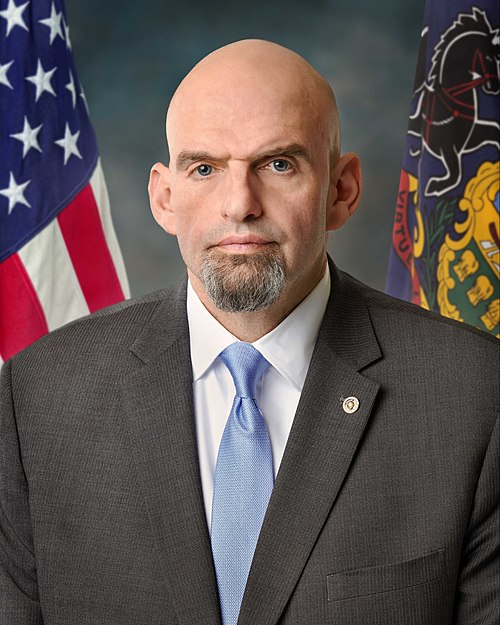
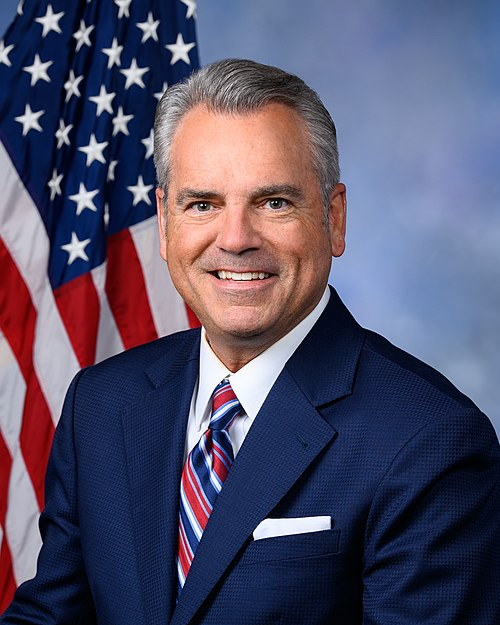
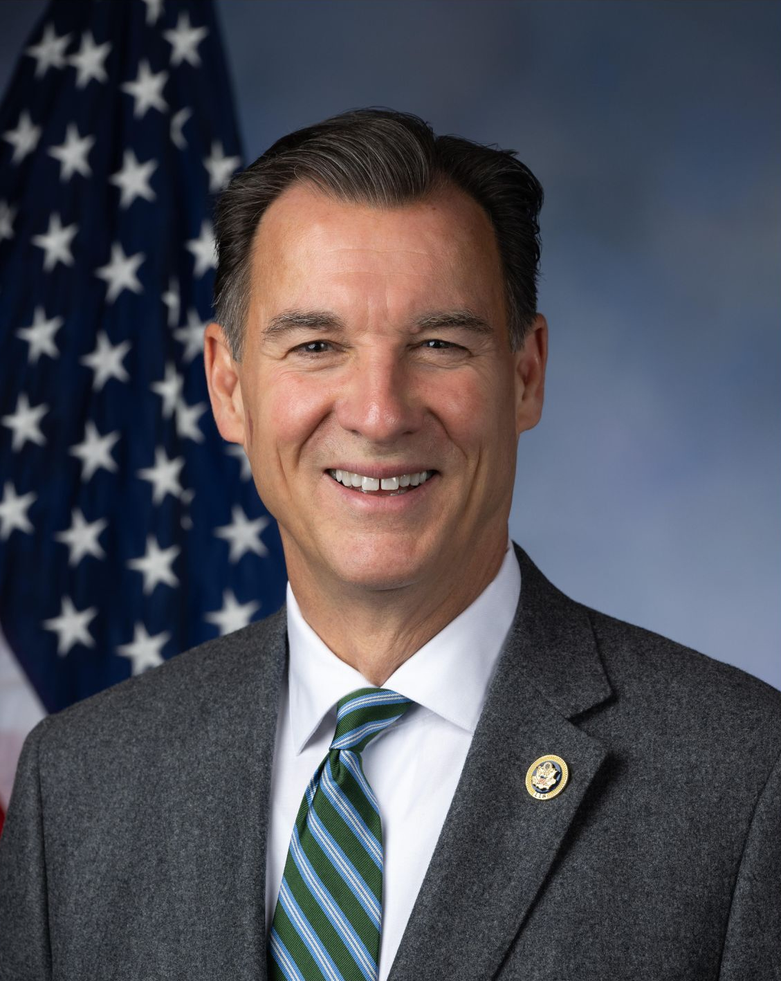
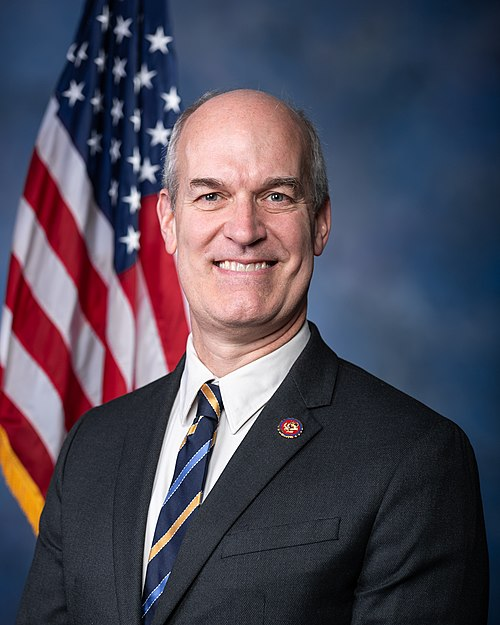
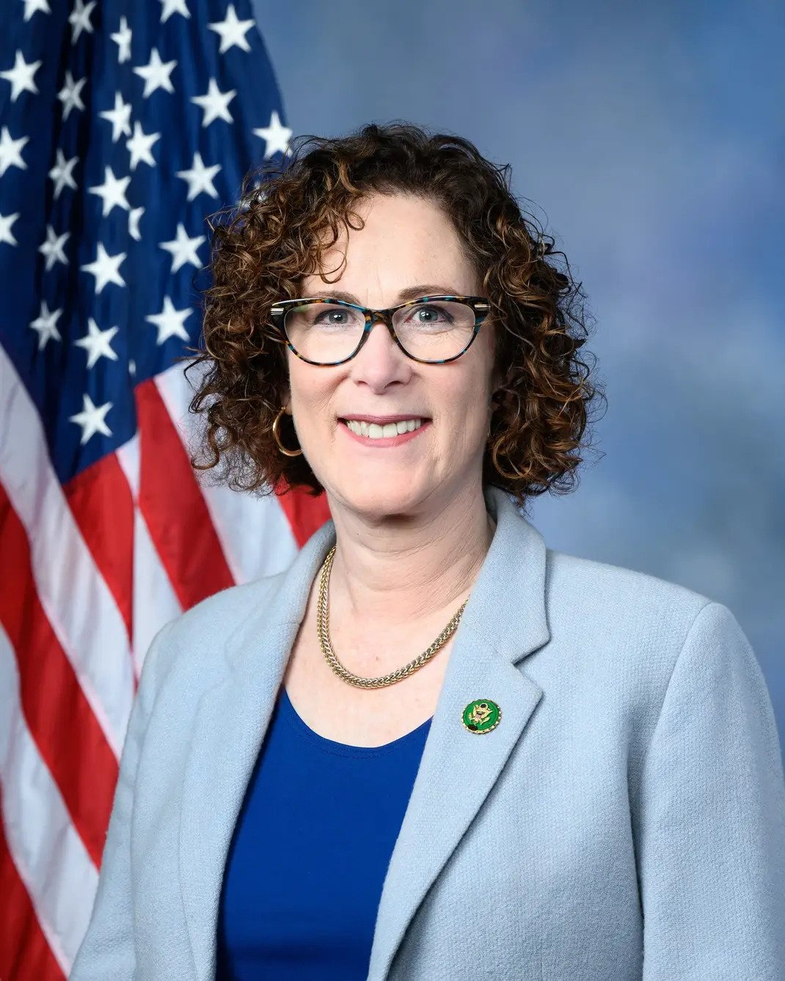
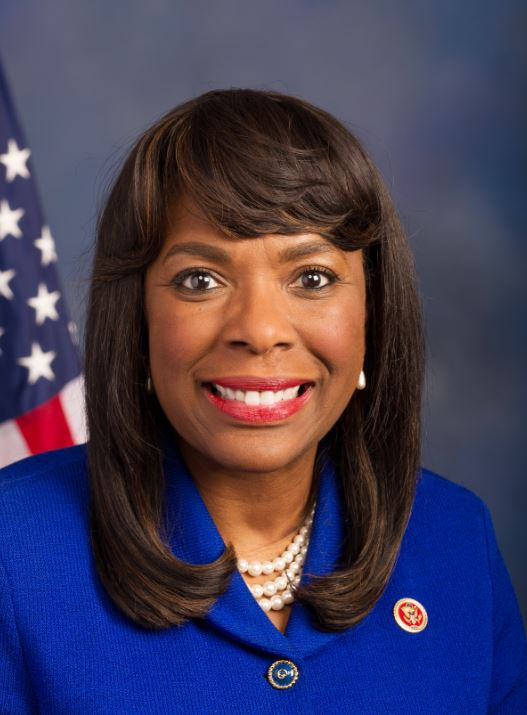
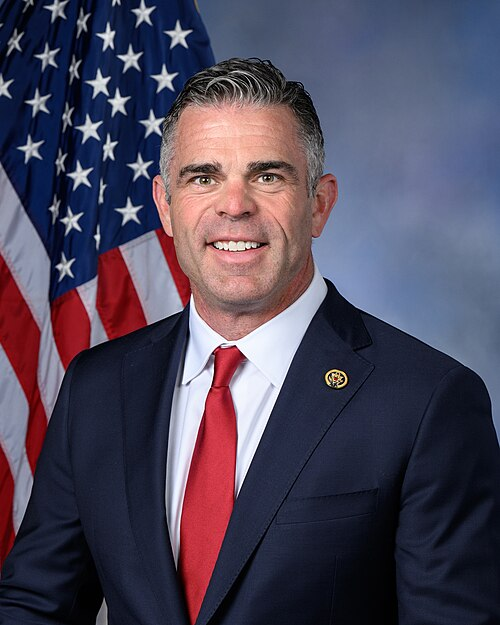
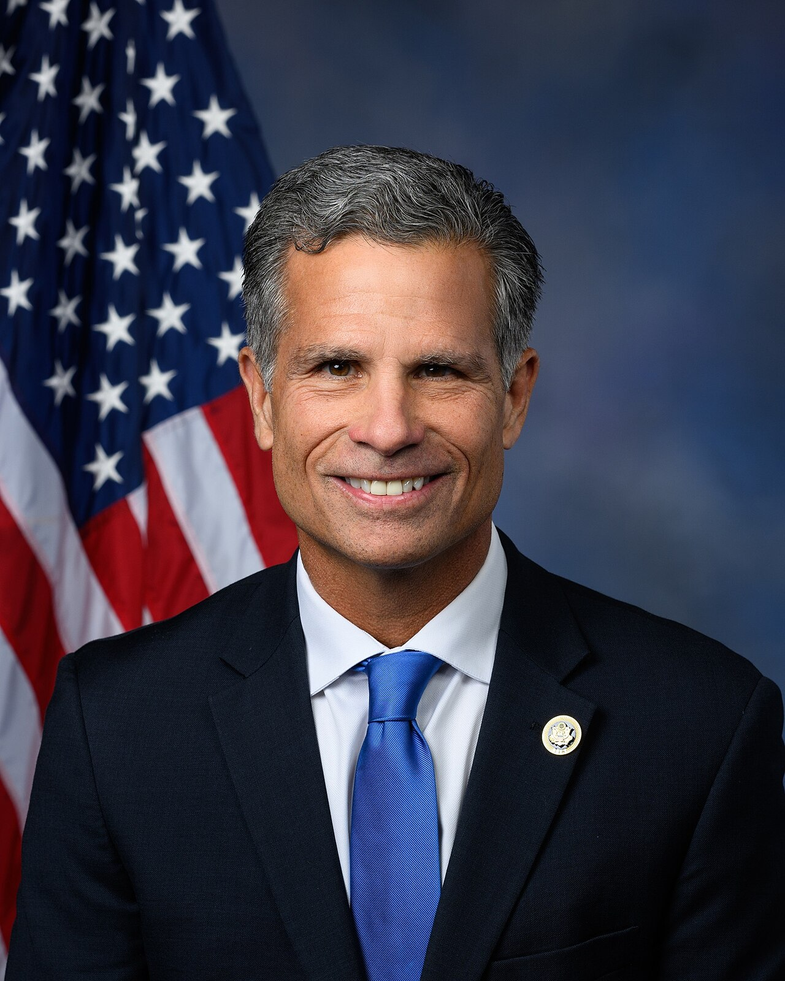
2 bill sponsors


Actions
2 actions
| Date | Action |
|---|---|
| Jul. 15, 2026 | Introduced in Senate |
| Jul. 15, 2026 | Read twice and referred to the Committee on the Judiciary. |
Corporate Lobbying
0 companies lobbying
None found.
* Note that there can be significant delays in lobbying disclosures, and our data may be incomplete.