S. 4528: Institutional Grants for New Infrastructure, Technology, and Education for HBCU Excellence Act
The Institutional Grants for New Infrastructure, Technology, and Education for HBCU Excellence Act establishes a program aimed at providing financial support to Historically Black Colleges and Universities (HBCUs) for the long-term improvement of their facilities. The bill allows the Secretary of Education to award competitive grants to eligible HBCUs for various purposes that enhance their infrastructure, safety, educational resources, and accessibility. Below are the key components of the bill:
Grants for Improvement
The bill authorizes the Secretary of Education to provide grants to eligible HBCUs to support the following:
- Modernization, renovation, or construction of campus facilities
- Improvement of instructional laboratories and research facilities
- Upgrades to safety and security systems
- Expansion of broadband and technology access
- Facility repairs and addressing deferred maintenance
Grant Application Requirements
To qualify for a grant, eligible entities must submit an application that includes:
- A description of the intended projects and their alignment with the institution's long-term goals
- Information on the facilities’ condition and age
- A preventative maintenance plan for repairs
- An explanation of how the projects will enhance the well-being of the community at the institution
Prioritization for Grant Distribution
When awarding grants, the Secretary will consider several factors to prioritize entities, which may include:
- The greatest need for improvement based on campus conditions
- The entity's capacity to raise funds for improvements
- The enrollment of students eligible for federal aid
- Efforts to seek support from public or private sources
Permitted Use of Grant Funds
Eligible entities can use the grant funds for various activities such as:
- Constructing or renovating campus buildings
- Enhancing facilities related to workforce development and education
- Repairing and maintaining infrastructure, including critical systems like HVAC and plumbing
- Improving accessibility for students and staff
- Establishing new safety and security measures
Prohibited Use of Grant Funds
The grant funds cannot be used for:
- Routine maintenance and utility bills
- Facilities primarily used for athletic events
- Purchasing communications equipment that poses a national security risk
Technical Assistance and Partnerships
The Secretary may provide technical assistance to help eligible entities prepare for and manage their grants. Additionally, the bill encourages partnerships with public and private entities to enhance infrastructure projects and funding opportunities.
Reporting Requirements
Regular reports are mandated, including an evaluation of grant usage and the effectiveness of funded projects, to ensure transparency and accountability.
Definitions and Grant Duration
The term "eligible entity" is specifically defined as a recognized HBCU, and grants can be awarded for periods deemed appropriate by the Secretary of Education based on the proposed projects.
Authorization of Appropriations
The bill authorizes necessary funds for its implementation for the fiscal years 2027 through 2032.
Relevant Companies
- EDU - Educational services providers may see increased demand for technology and facility upgrades in HBCUs.
- MSFT - Microsoft could benefit from partnerships or contracts related to technology provisioning for HBCUs.
- IBM - IBM may engage in collaborations involving educational and workforce development technologies.
This is an AI-generated summary of the bill text. There may be mistakes.
Sponsors
10 bill sponsors
-
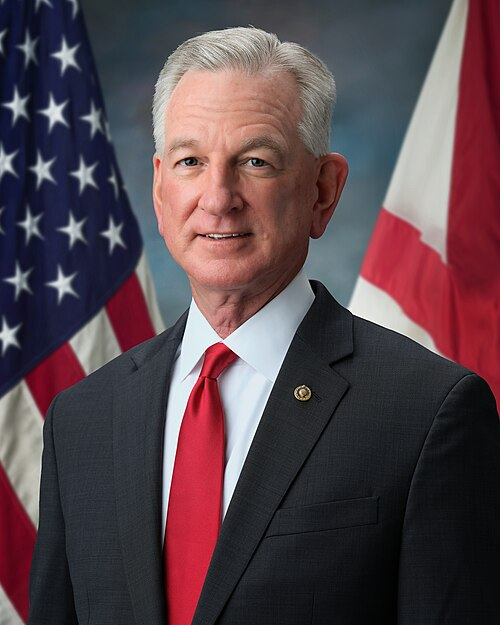
TrackTim Scott
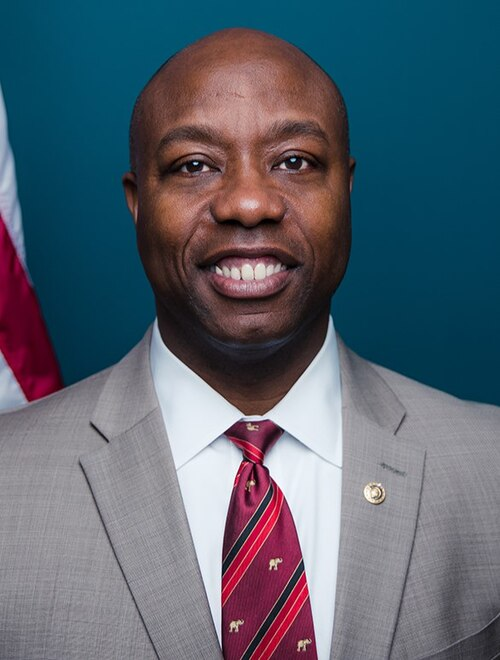
Sponsor
-
TrackAngela Alsobrooks
Co-Sponsor
-
TrackLisa Blunt Rochester
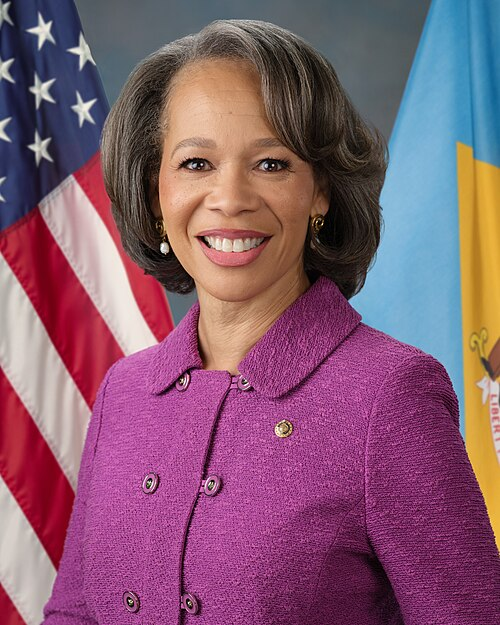
Co-Sponsor
-
TrackCory A. Booker
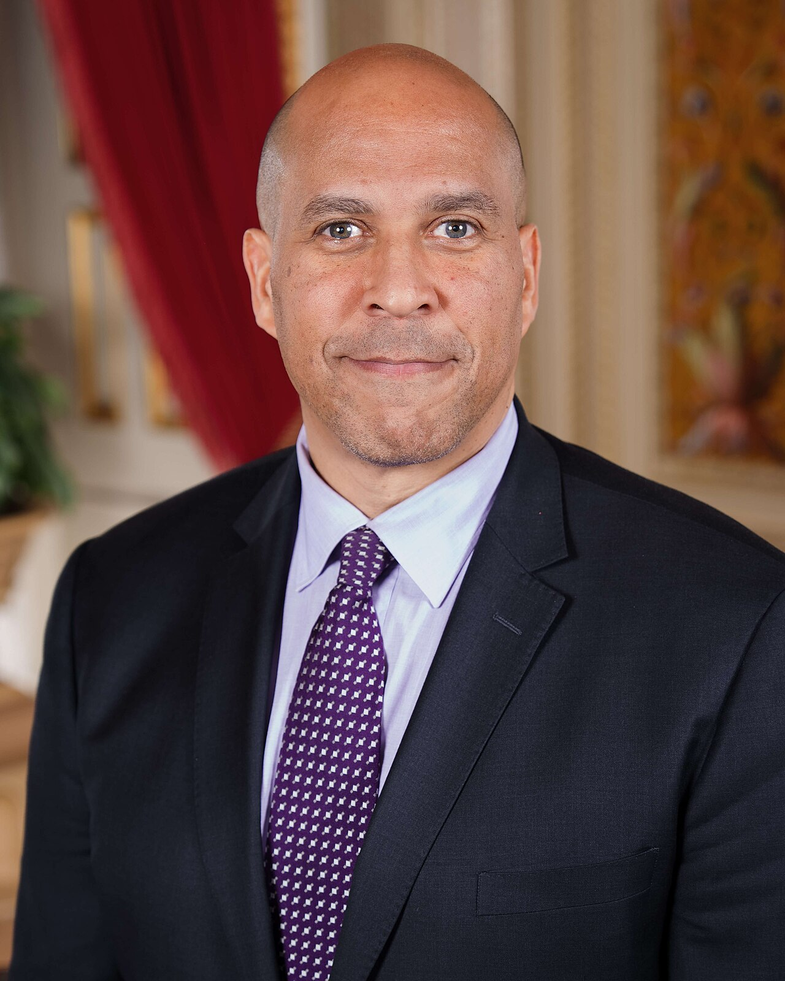
Co-Sponsor
-
TrackJohn Boozman

Co-Sponsor
-
TrackChristopher A. Coons

Co-Sponsor
-
TrackJon Ossoff

Co-Sponsor
-
TrackThom Tillis
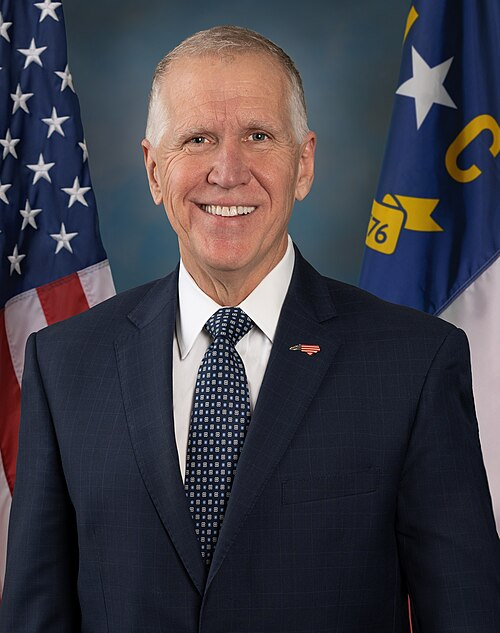
Co-Sponsor
-
TrackChris Van Hollen

Co-Sponsor
-
TrackRaphael G. Warnock
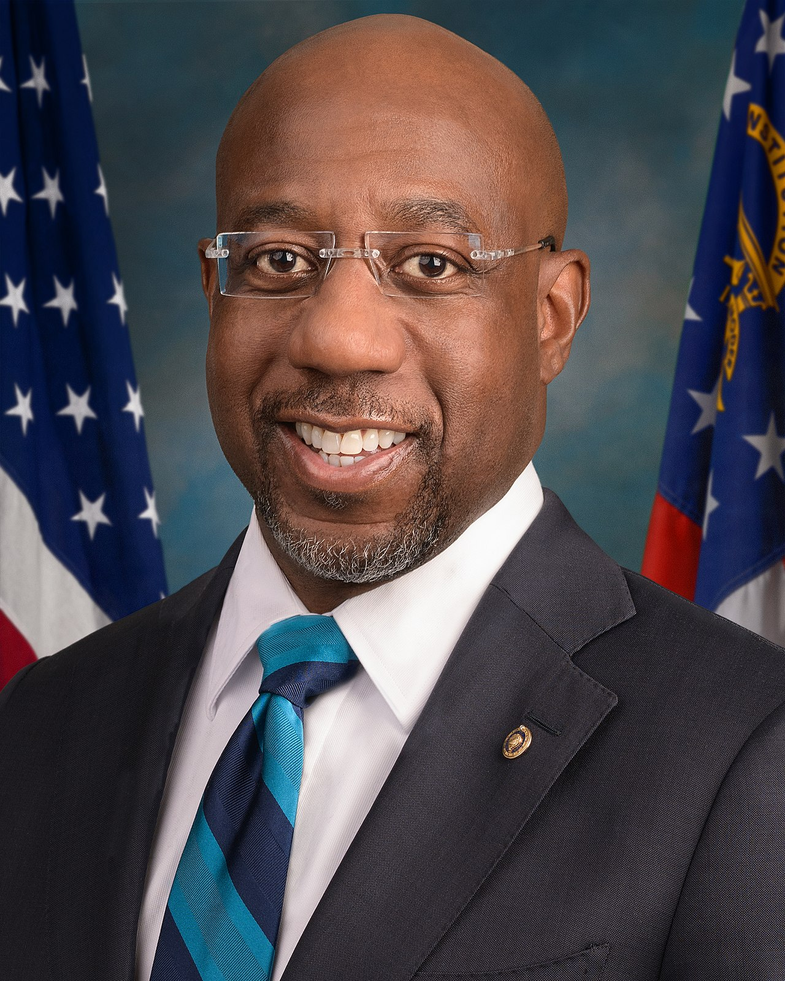
Co-Sponsor
Actions
2 actions
| Date | Action |
|---|---|
| May. 14, 2026 | Introduced in Senate |
| May. 14, 2026 | Read twice and referred to the Committee on Health, Education, Labor, and Pensions. |
Corporate Lobbying
0 companies lobbying
None found.
* Note that there can be significant delays in lobbying disclosures, and our data may be incomplete.