H.R. 9036: American High-Speed Rail Act
This bill, known as the American High-Speed Rail Act, proposes several changes to how high-speed rail projects are planned, funded, and regulated in the United States. Here are the key points of the bill:
1. Funding and Financial Assistance
The bill aims to enhance financial assistance for high-speed rail corridor planning and development. It allows a public agency or a consortium of public and private entities to receive up to 100% funding for planning activities, compared to the previous cap of 50%. Additionally, the Secretary of Transportation is required to prioritize projects where at least 20% of funding comes from specified sources.
2. High-Speed Rail Corridor Designation
The Secretary of Transportation will have the authority to designate high-speed rail corridors, expanding the framework for the development of rail systems across the country.
3. Definition of High-Speed and Higher-Speed Rail
The bill changes the threshold for what constitutes high-speed rail from over 125 miles per hour to over 186 miles per hour. It also introduces the term "higher-speed rail," defined as rail service expected to operate between 110 and 186 miles per hour.
4. Technological Improvements
Financial considerations will include funding activities that utilize innovative technologies, particularly those that enhance intermodal connections—for example, linking rail systems with other forms of public transport.
5. Safety Regulations
The bill mandates comprehensive safety regulations that are performance-based and do not inhibit interoperability within the high-speed rail network, aiming for enhanced safety without compromising operational efficiency.
6. Project Planning and Environmental Reviews
The bill allows for early acquisition of real estate needed for new rail projects even before the completion of environmental assessments, given that proper protocols are followed. It emphasizes that any such acquisitions must adhere to federal laws.
7. Labor Protections
The legislation includes provisions for labor protections, ensuring that workers involved in projects funded by the federal grants are treated as rail carriers and are thus subject to certain labor laws. It also clarifies that construction contractors are exempt from being classified as rail carriers, allowing them to use employees outside of rail labor regulations while performing specific work.
8. Authorization of Appropriations
The bill authorizes significant funding amounts over five years: $3 billion annually for planning and technology improvements, and $35 billion for development projects related to high-speed rail corridors.
9. Priority for Communities
Special consideration is required for communities impacted by rail projects, encouraging local engagement and planning efforts that include transit-oriented development initiatives.
10. Acquiring Freight Rail Right-of-Way
It allows rail carriers the ability to sell, grant, or lease property rights for high-speed rail development while receiving grants for re-acquisition of additional necessary real property along the right-of-way. Tax benefits are also included for transactions related to such properties.
Relevant Companies
- CSX - CSX Corporation may be impacted as it operates freight rail systems and may have to engage with high-speed rail projects that utilize current freight corridors.
- UNP - Union Pacific may also see impacts as similar operations could overlap with high-speed rail projects, requiring adjustments in operations or infrastructure that accommodate both freight and passenger services.
- AMTRK - Amtrak could be significantly impacted since it may take on a role in the new high-speed rail corridors and require investment in technology and infrastructure improvements.
This is an AI-generated summary of the bill text. There may be mistakes.
Sponsors
57 bill sponsors
-
TrackSeth Moulton
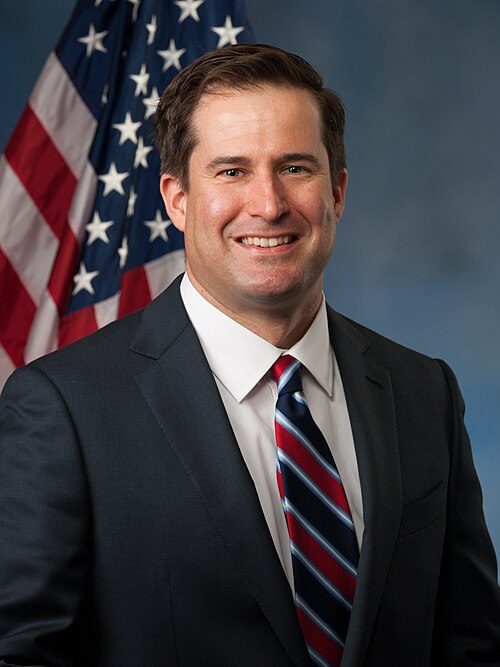
Sponsor
-
TrackJake Auchincloss
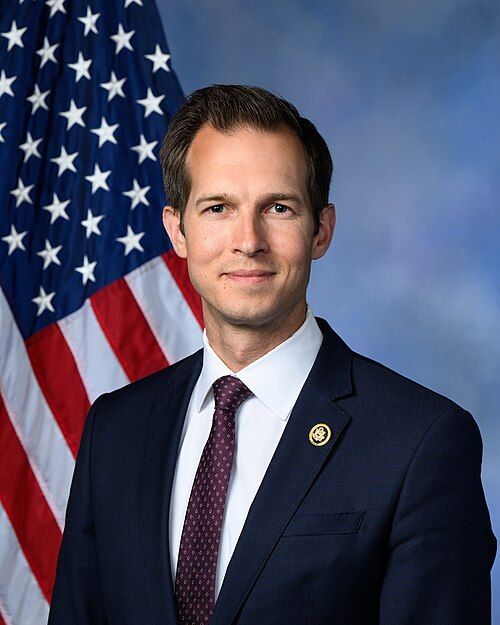
Co-Sponsor
-
TrackDonald S. Beyer, Jr.
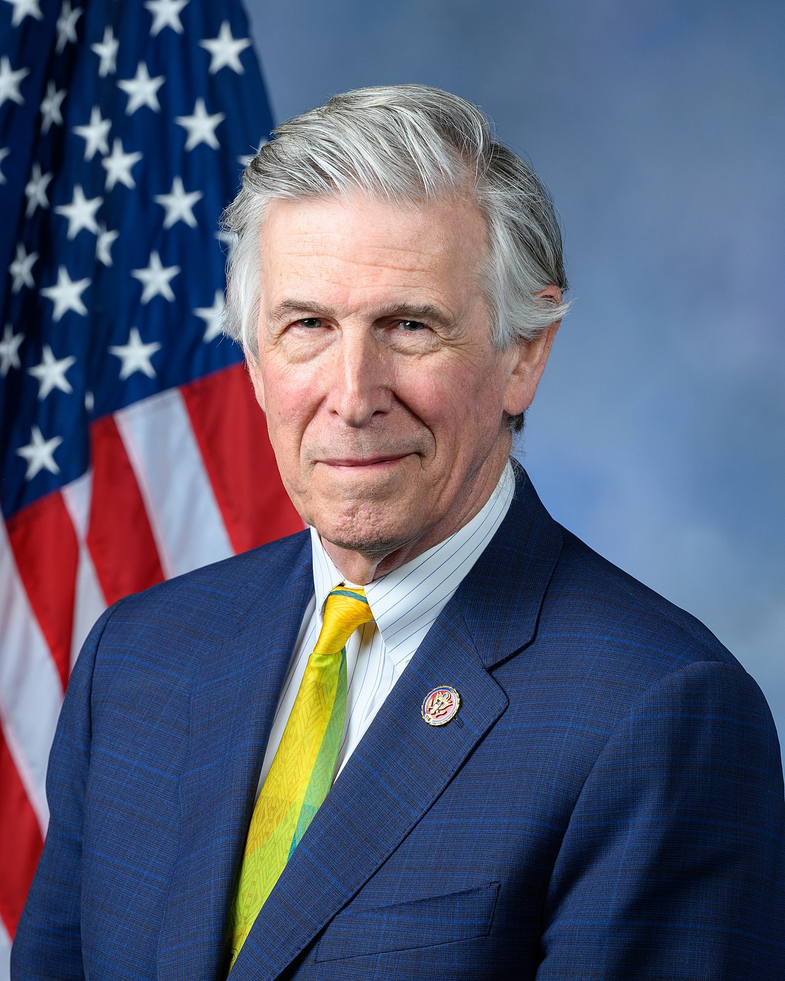
Co-Sponsor
-
TrackSuzanne Bonamici
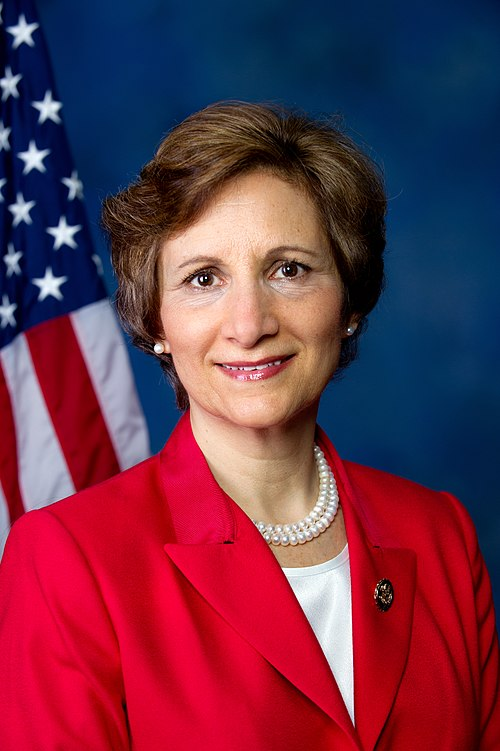
Co-Sponsor
-
TrackBrendan F. Boyle
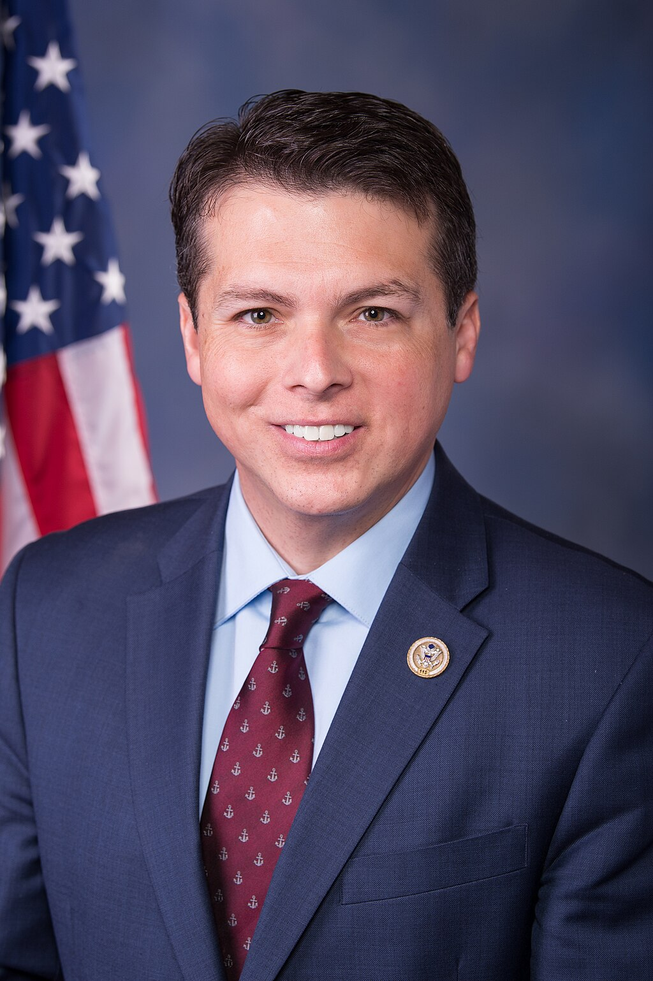
Co-Sponsor
-
TrackAndré Carson
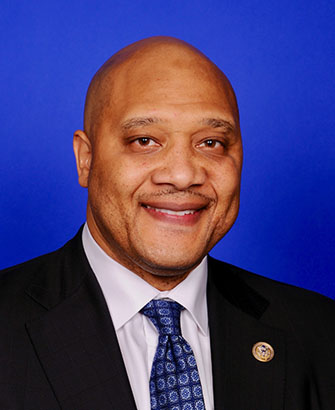
Co-Sponsor
-
TrackSean Casten
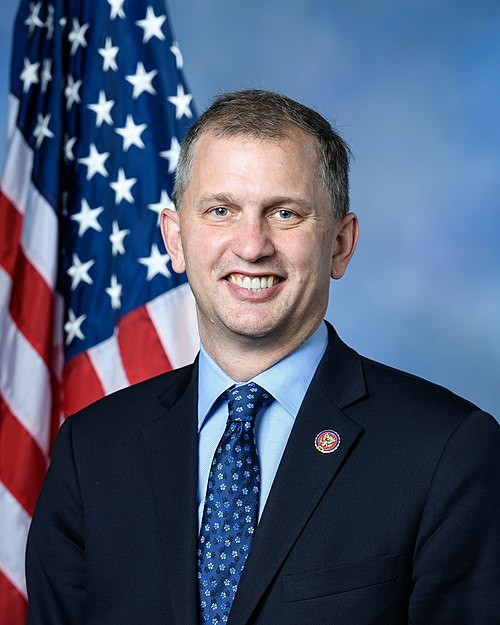
Co-Sponsor
-
TrackEmanuel Cleaver
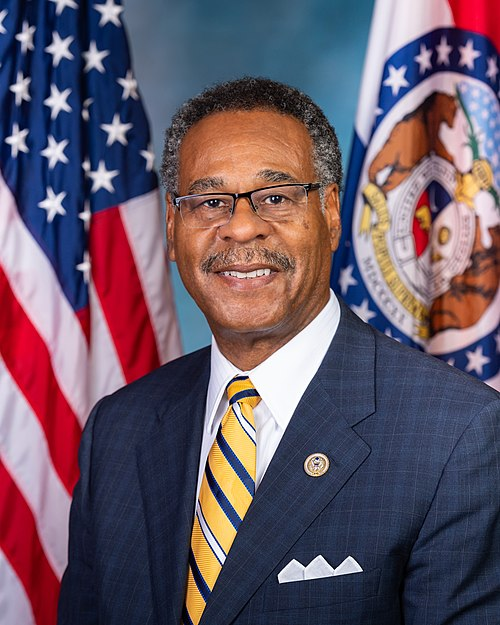
Co-Sponsor
-
TrackSteve Cohen
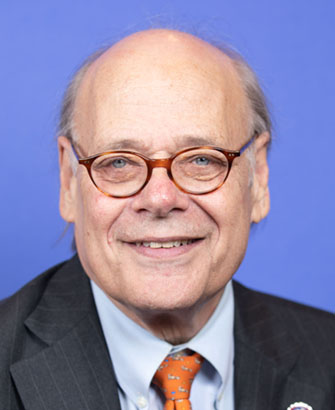
Co-Sponsor
-
TrackDanny K. Davis
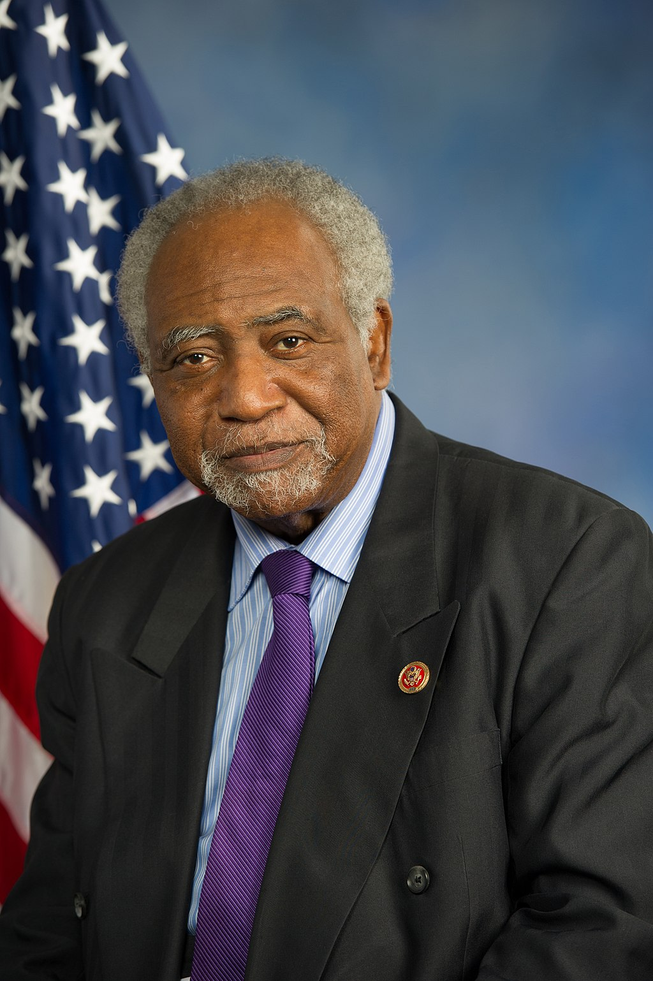
Co-Sponsor
-
TrackSuzan K. DelBene
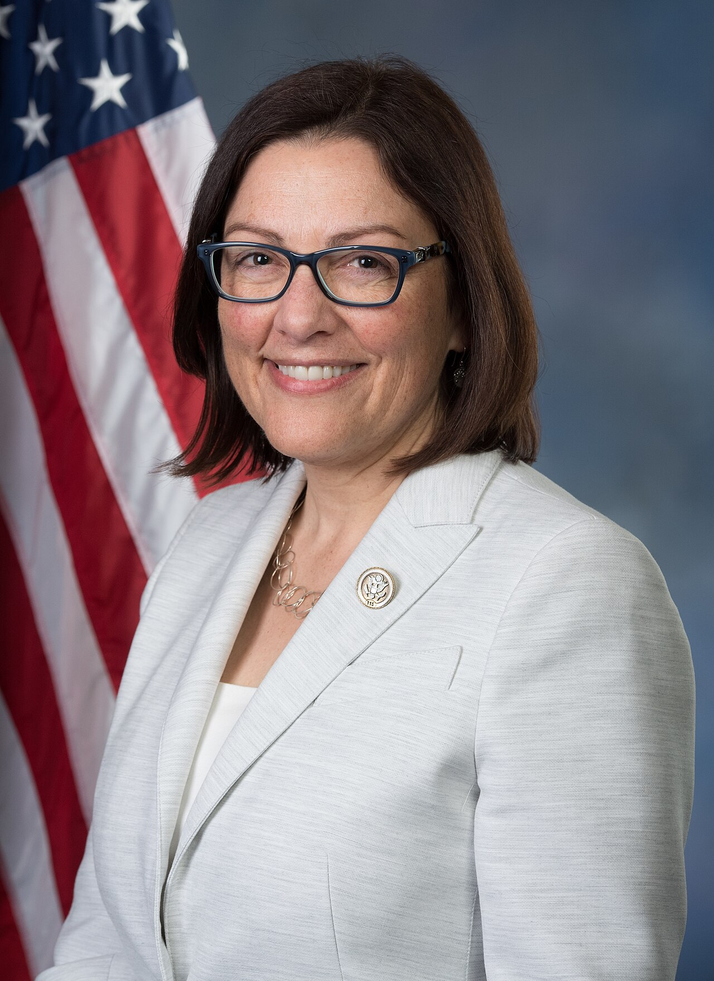
Co-Sponsor
-
TrackChristopher R. Deluzio
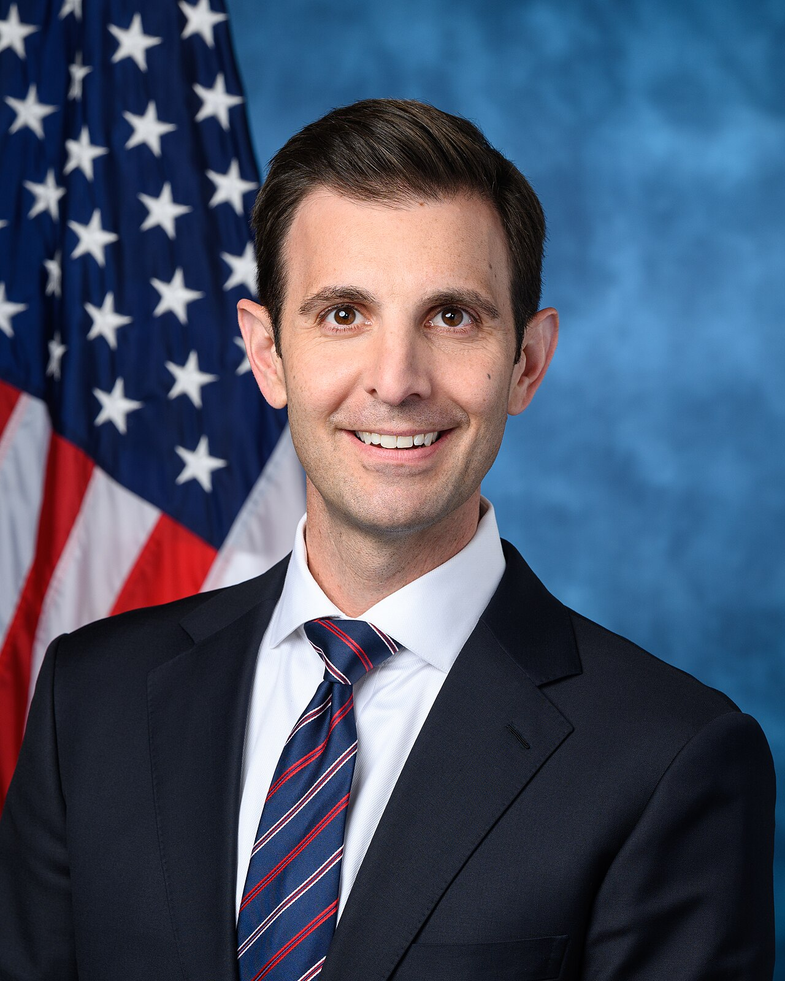
Co-Sponsor
-
TrackLloyd Doggett
Co-Sponsor
-
TrackDwight Evans
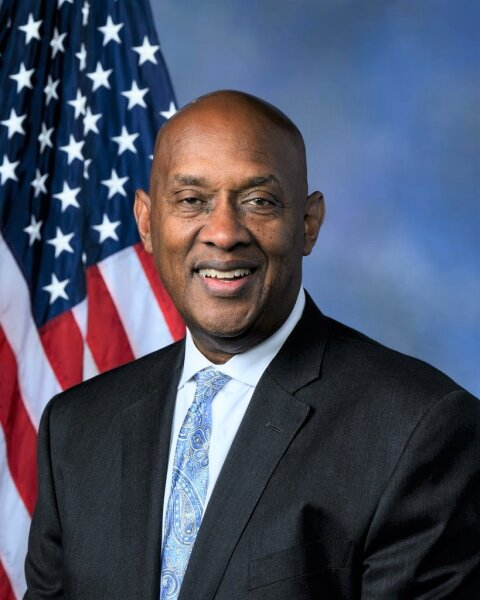
Co-Sponsor
-
TrackShomari Figures
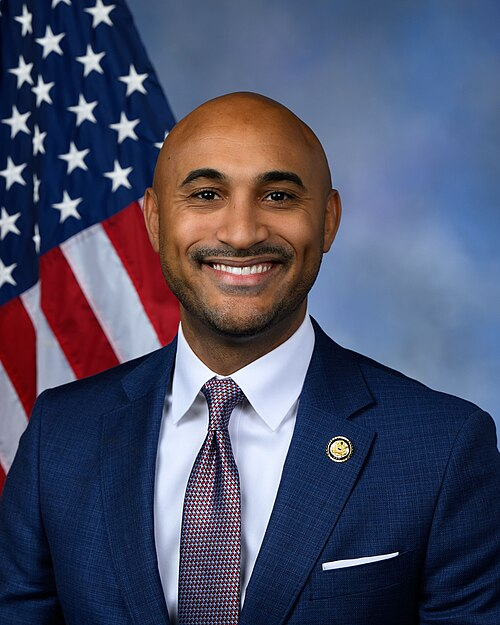
Co-Sponsor
-
TrackValerie P. Foushee
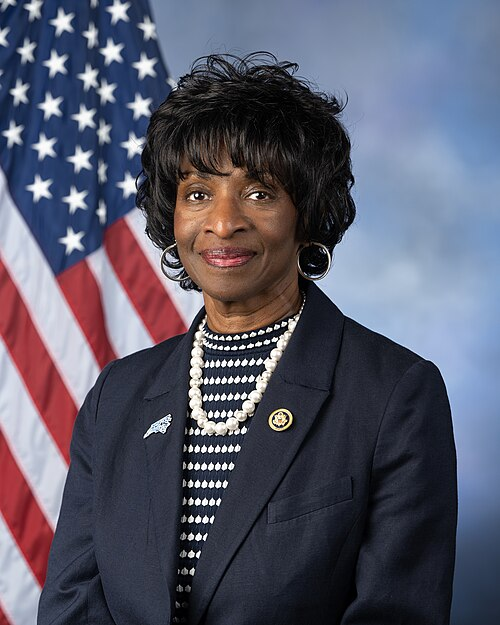
Co-Sponsor
-
TrackMaxwell Frost
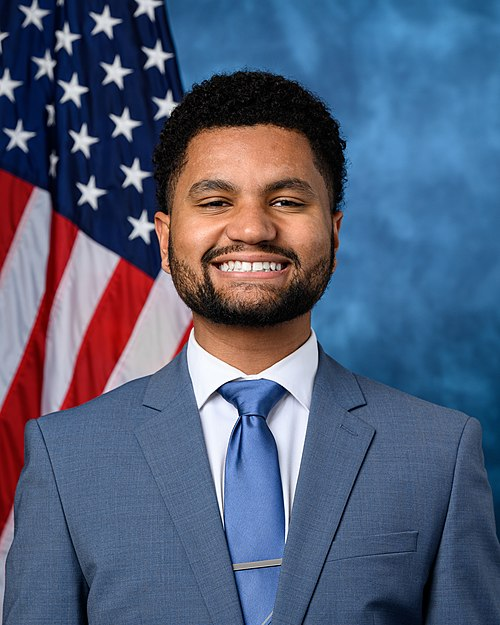
Co-Sponsor
-
TrackRobert Garcia
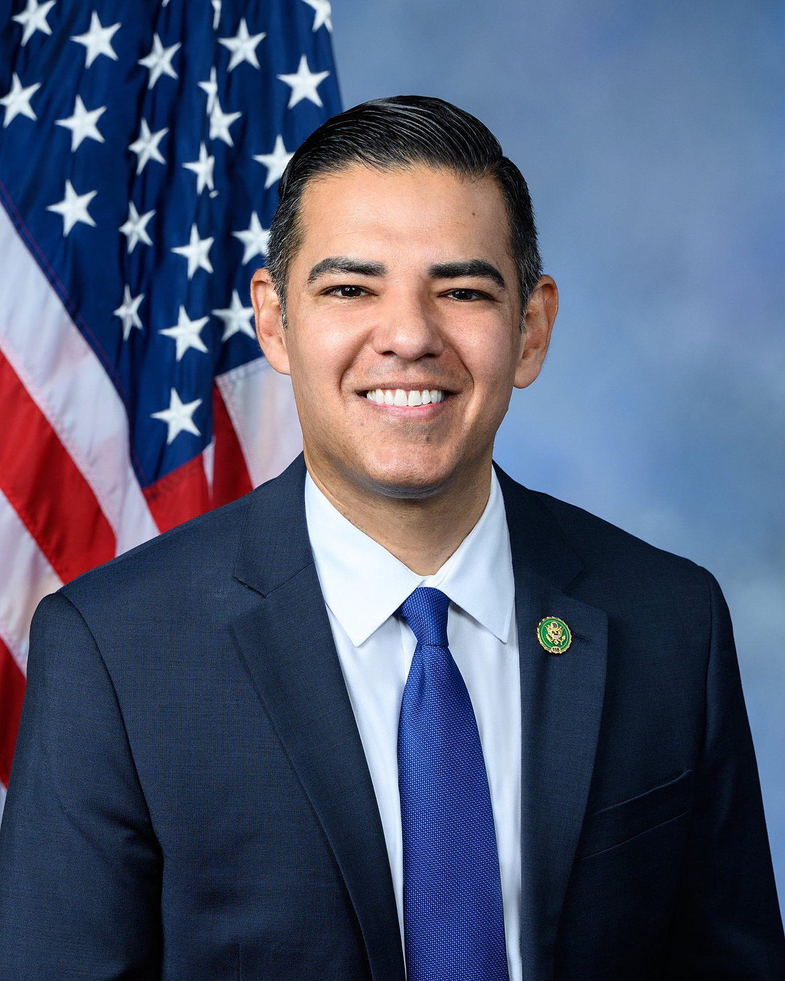
Co-Sponsor
-
TrackSylvia R. Garcia
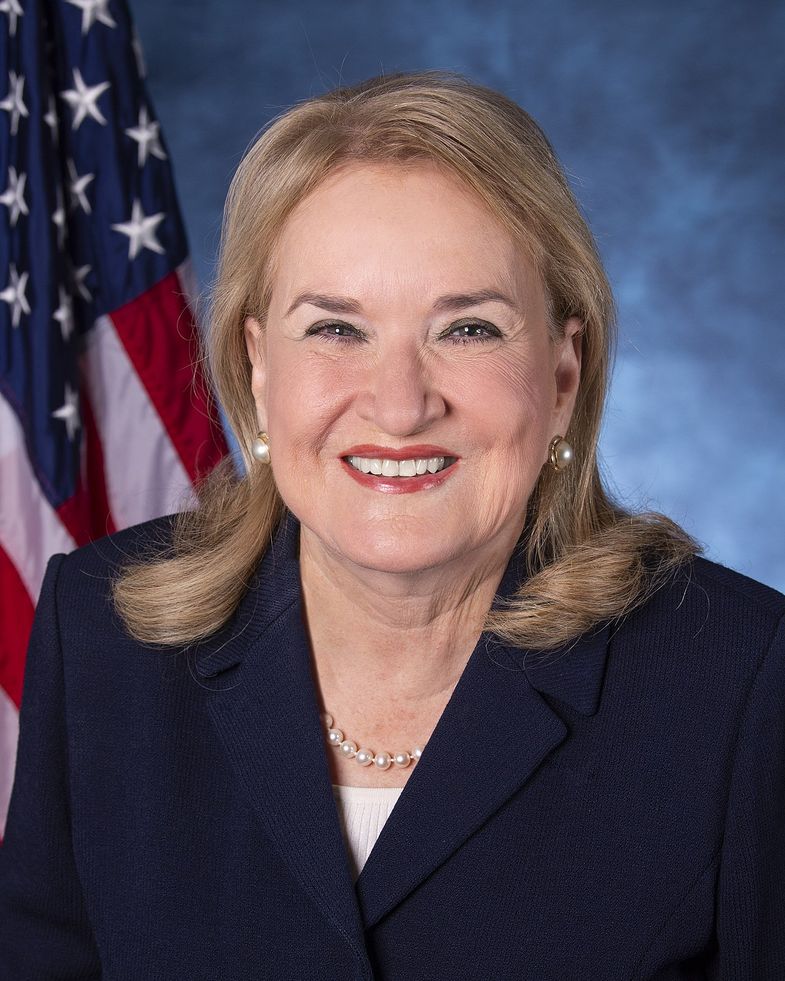
Co-Sponsor
-
TrackJesús G. "Chuy" García
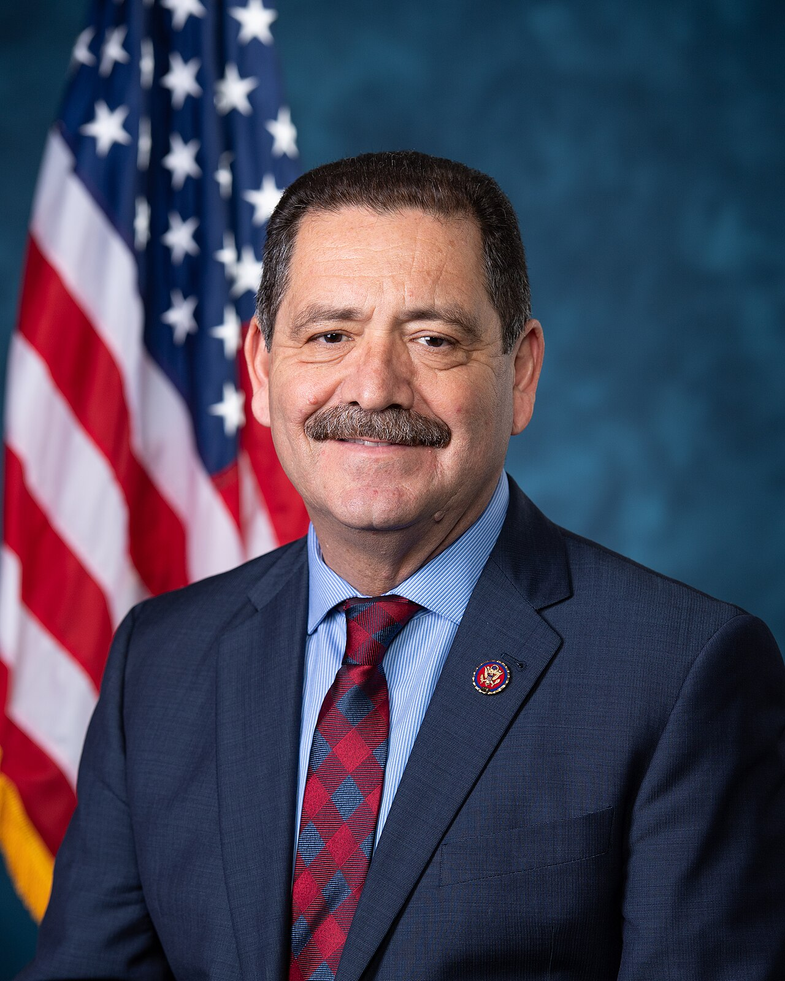
Co-Sponsor
-
TrackDaniel S. Goldman
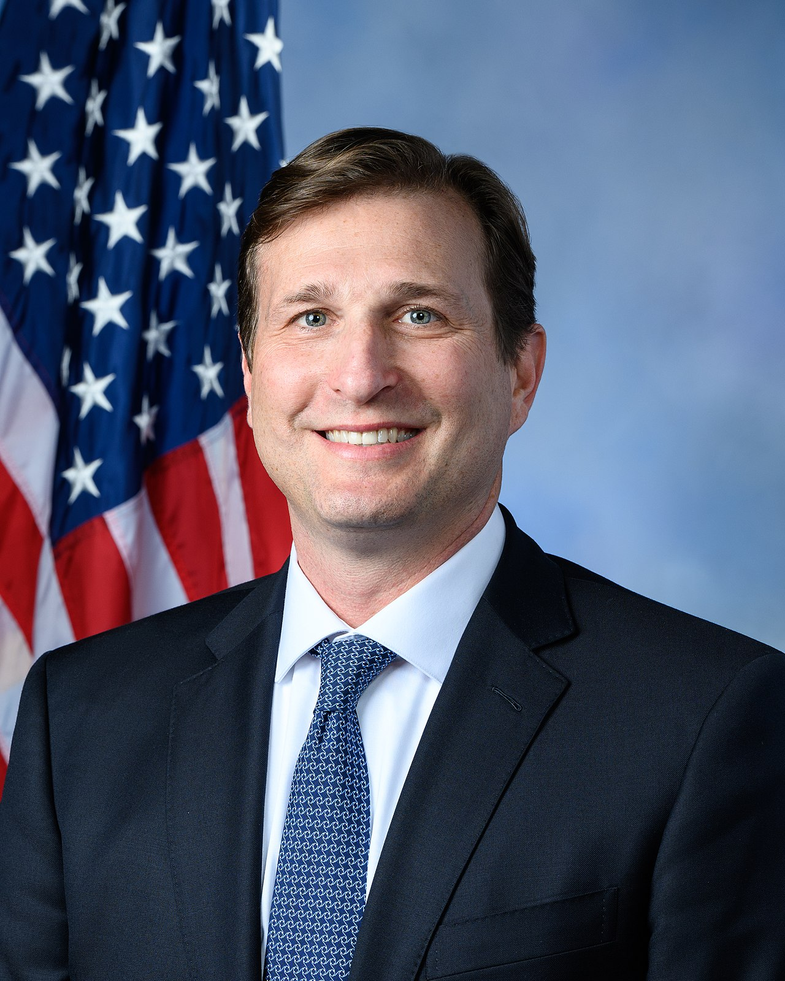
Co-Sponsor
-
TrackJosh Gottheimer

Co-Sponsor
-
TrackJonathan L. Jackson
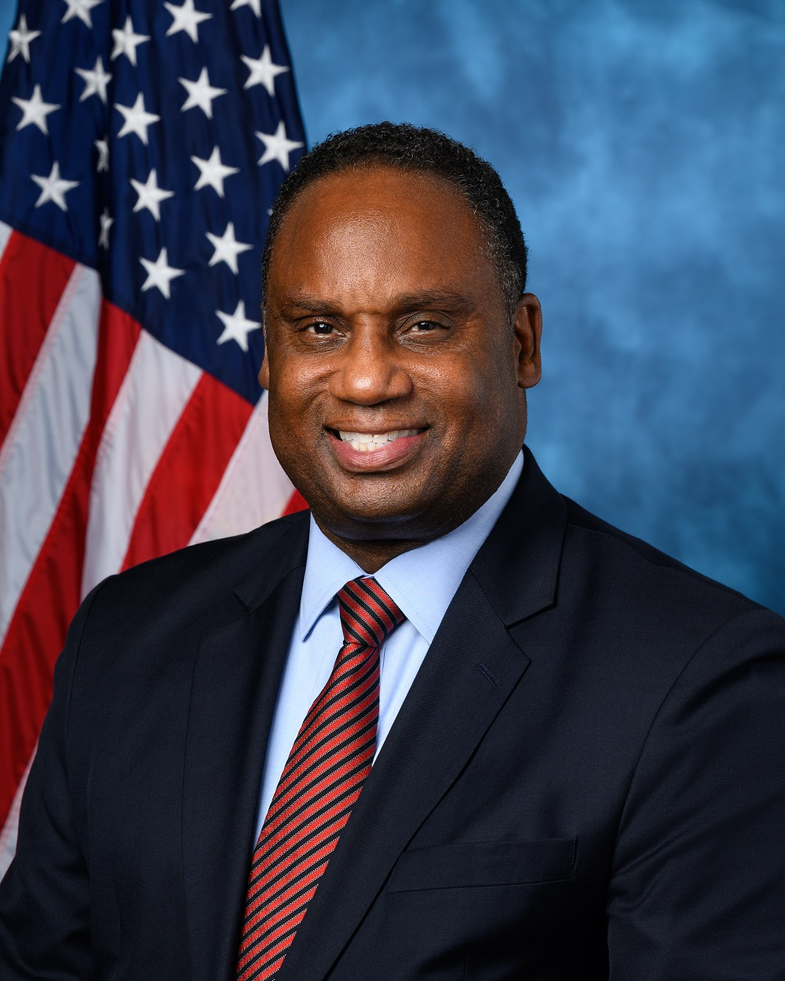
Co-Sponsor
-
TrackHenry C. "Hank" Johnson, Jr.
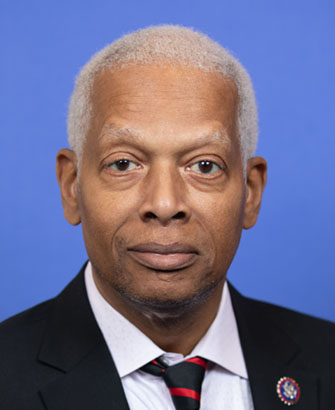
Co-Sponsor
-
TrackRobin L. Kelly
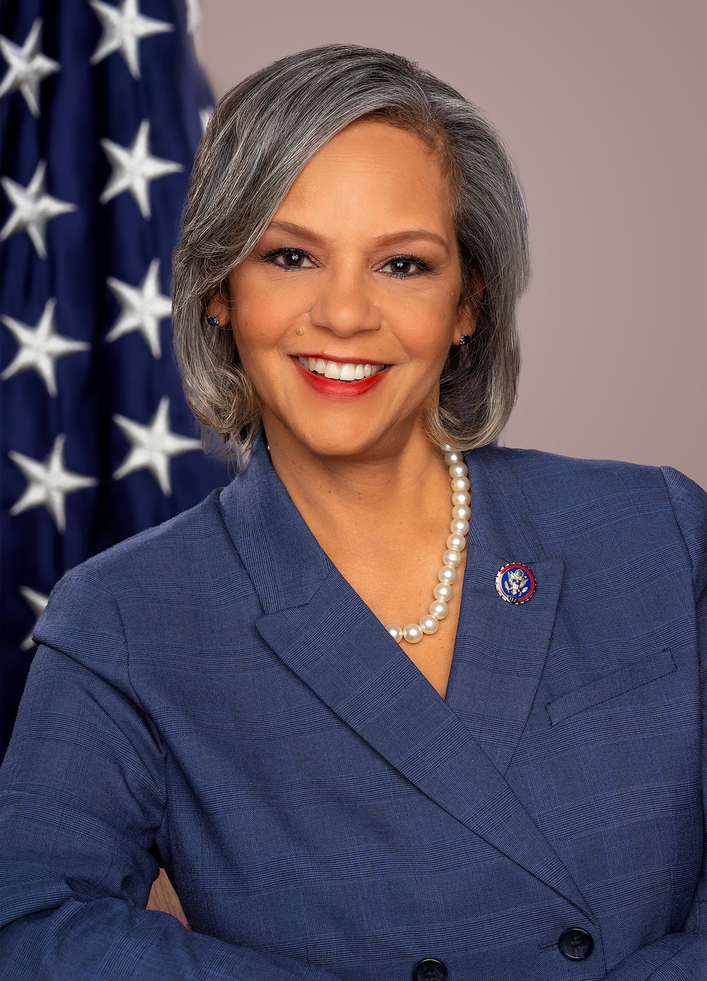
Co-Sponsor
-
TrackTimothy M. Kennedy
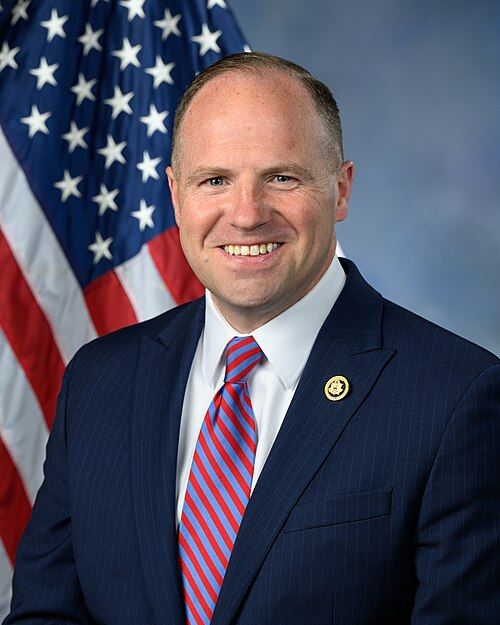
Co-Sponsor
-
TrackJohn B. Larson
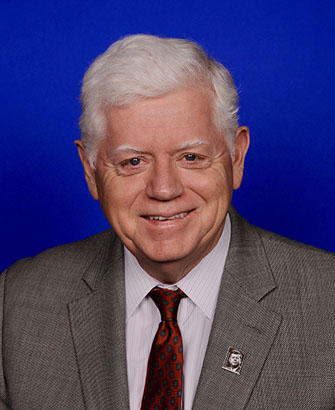
Co-Sponsor
-
TrackGeorge Latimer
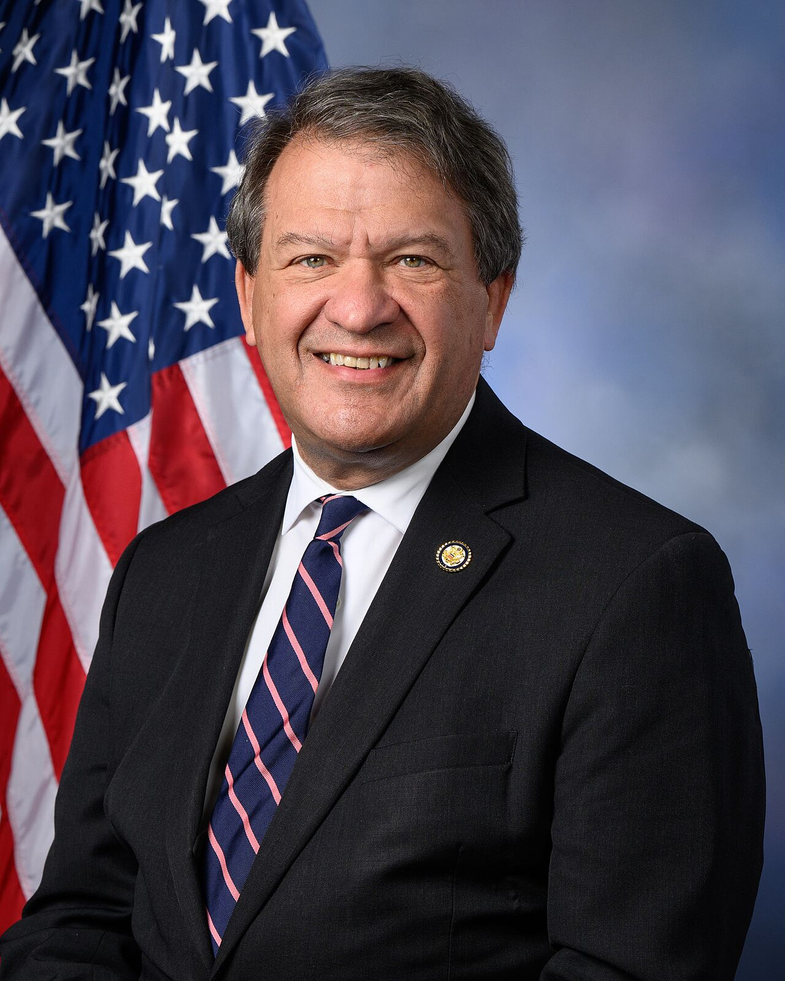
Co-Sponsor
-
TrackSummer L. Lee
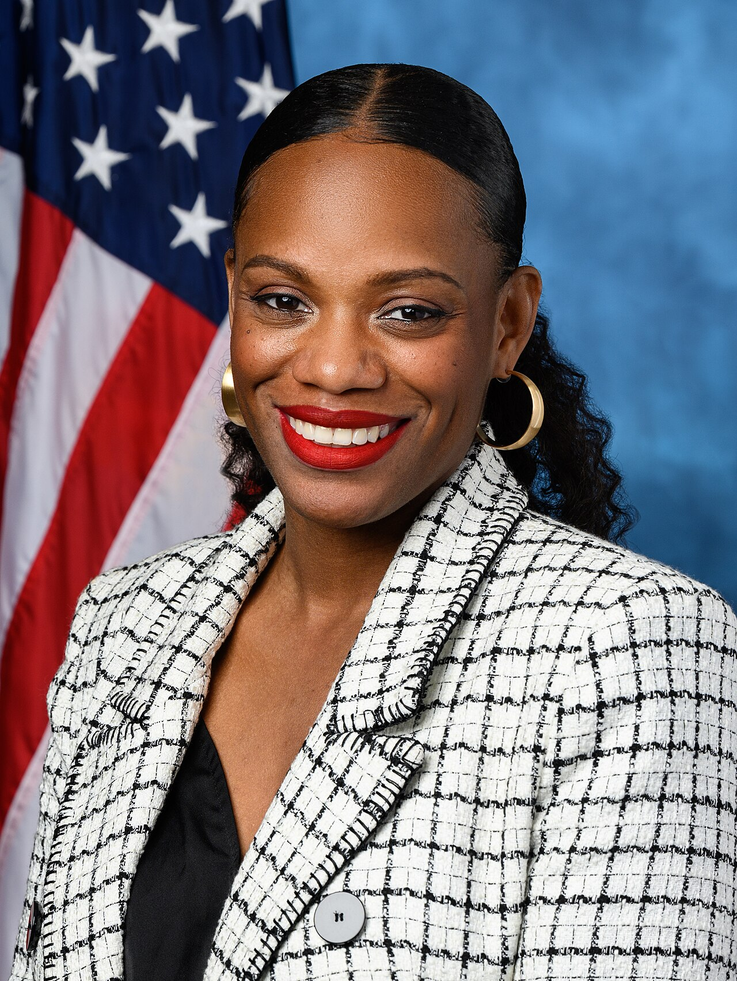
Co-Sponsor
-
TrackZoe Lofgren
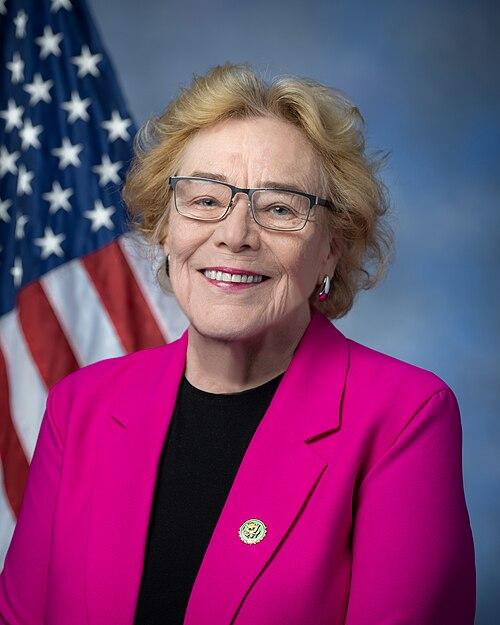
Co-Sponsor
-
TrackSarah McBride
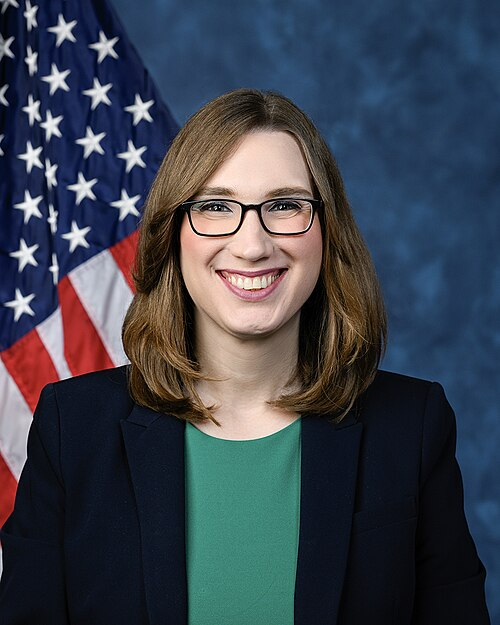
Co-Sponsor
-
TrackJennifer L. McClellan
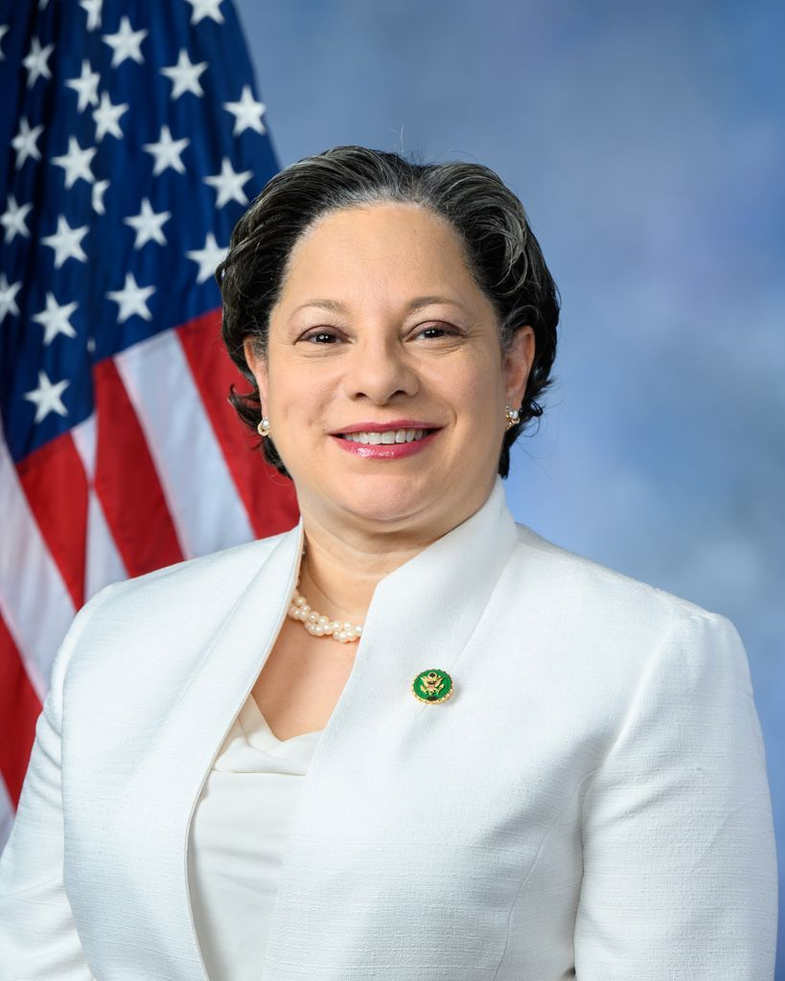
Co-Sponsor
-
TrackMorgan McGarvey
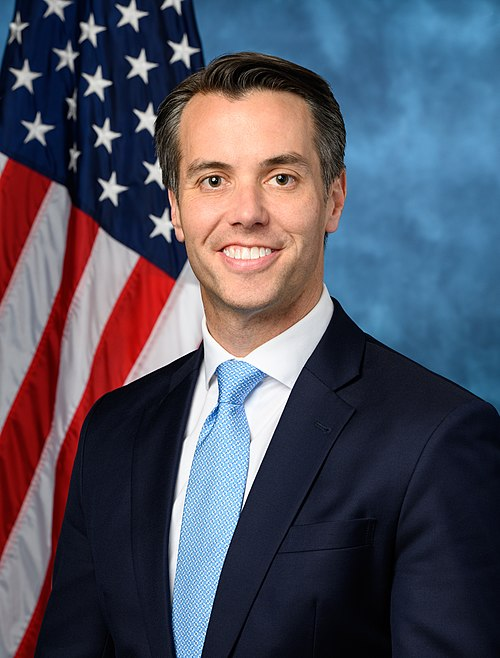
Co-Sponsor
-
TrackJames P. McGovern
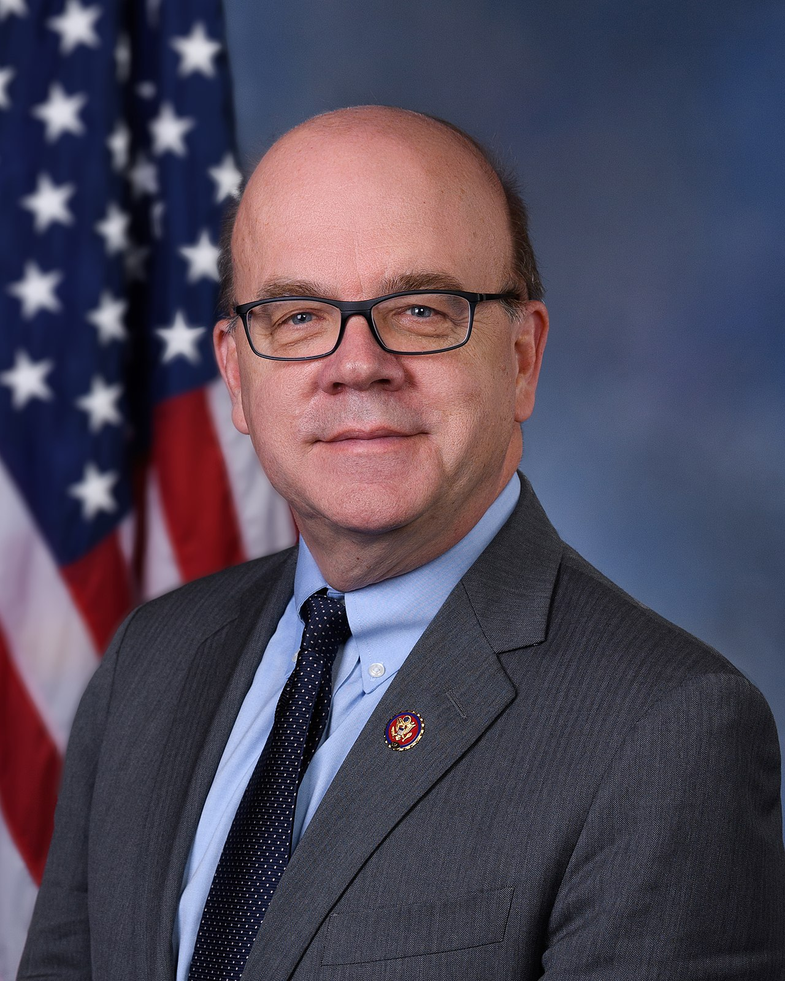
Co-Sponsor
-
TrackLaMonica McIver
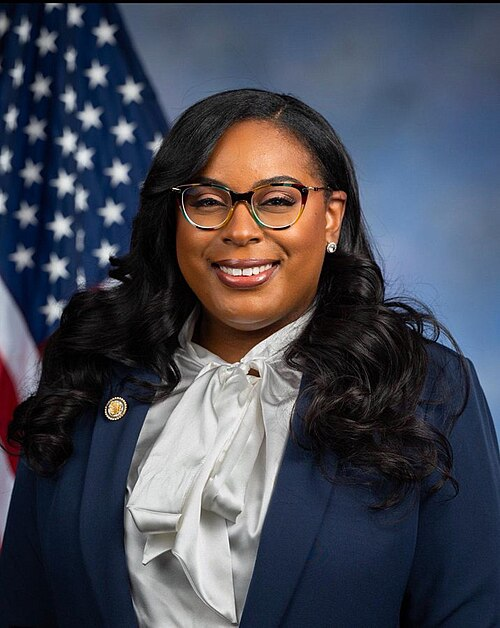
Co-Sponsor
-
TrackKevin Mullin
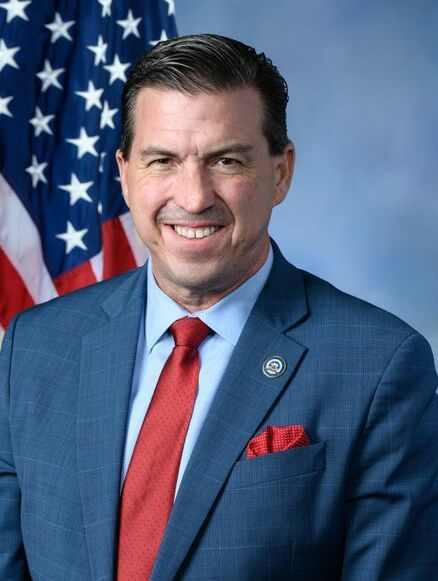
Co-Sponsor
-
TrackEleanor Holmes Norton
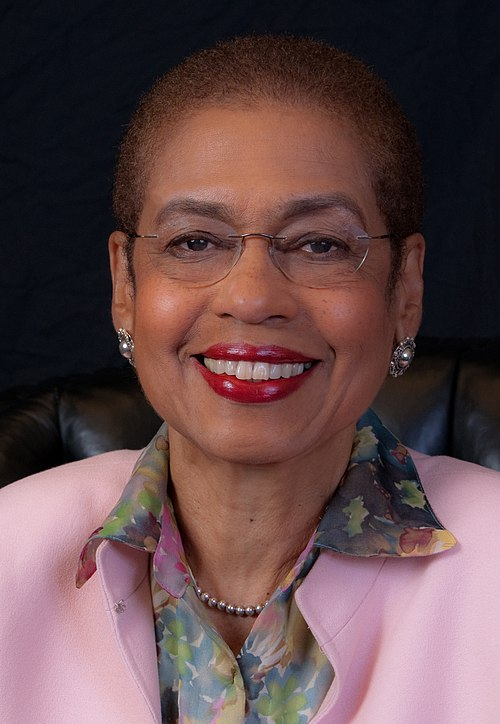
Co-Sponsor
-
TrackAlexandria Ocasio-Cortez

Co-Sponsor
-
TrackIlhan Omar

Co-Sponsor
-
TrackMark Pocan
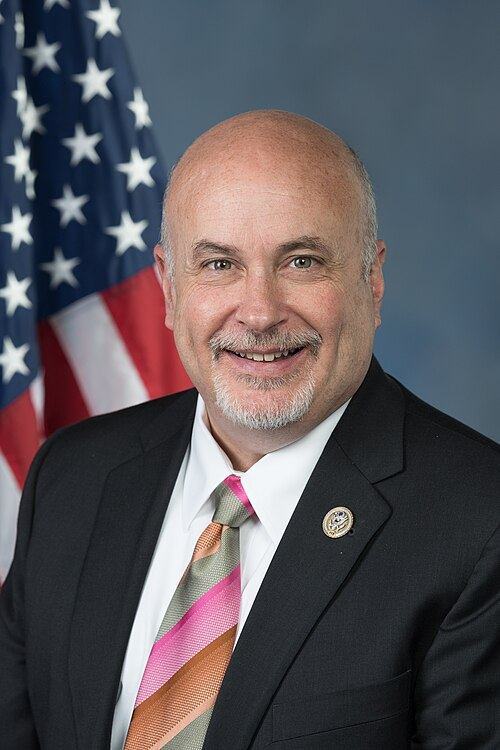
Co-Sponsor
-
TrackAyanna Pressley
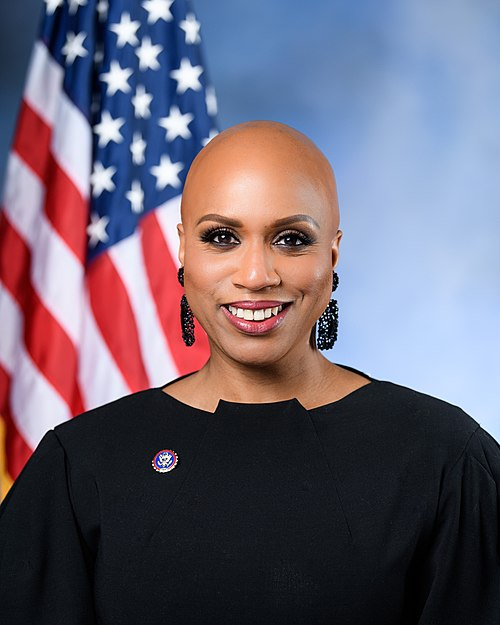
Co-Sponsor
-
TrackMike Quigley
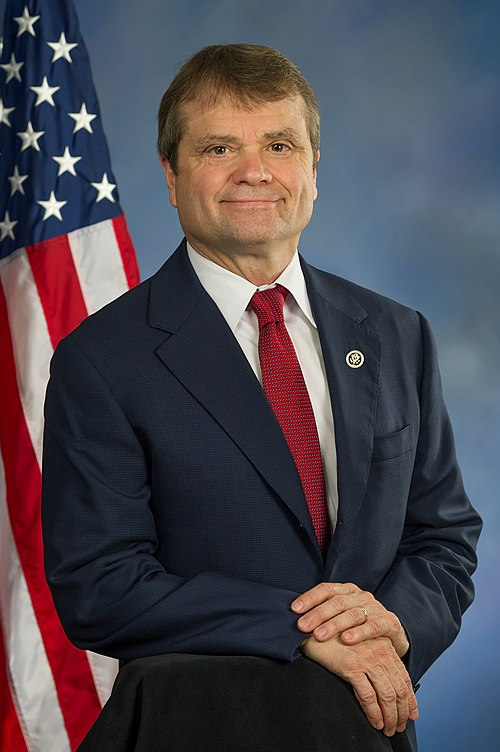
Co-Sponsor
-
TrackDelia C. Ramirez
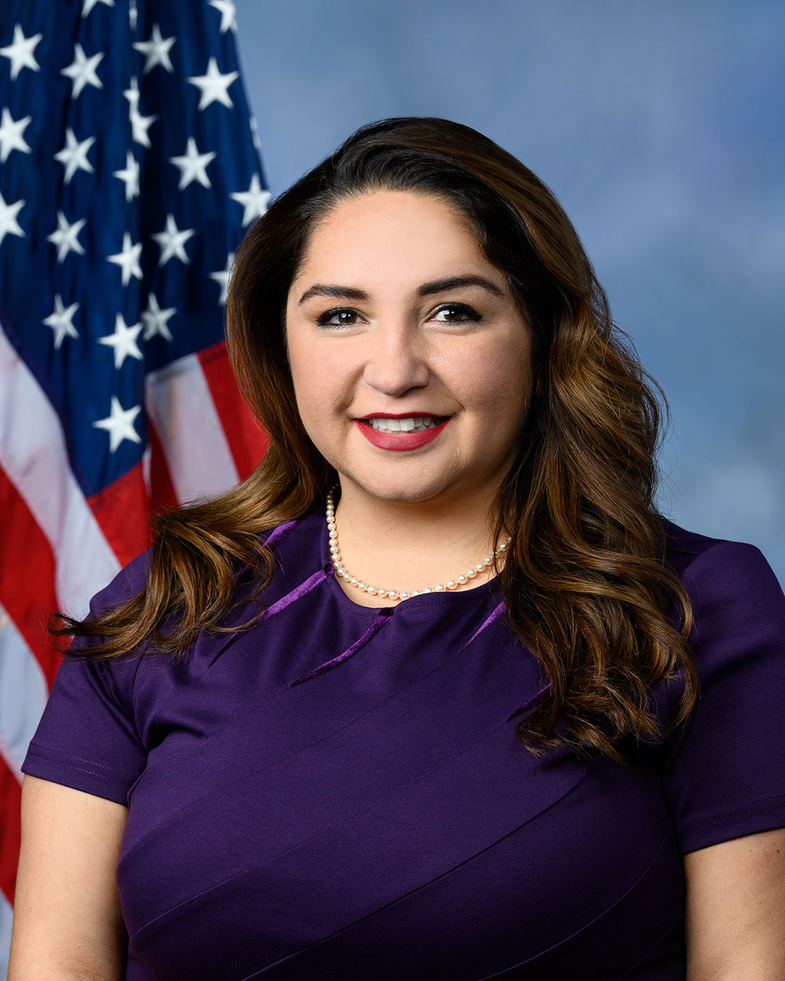
Co-Sponsor
-
TrackAndrea Salinas
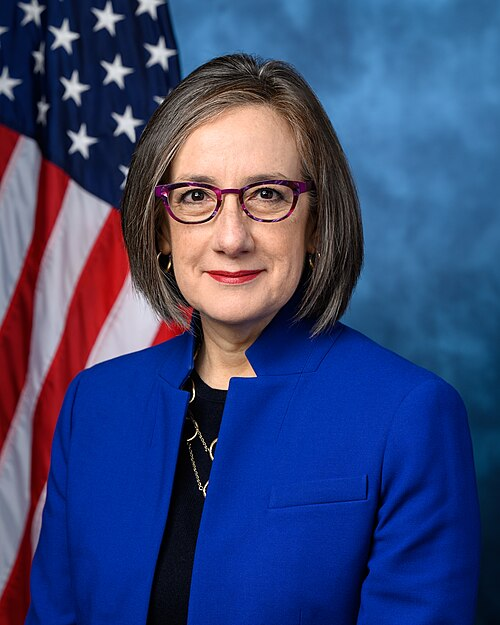
Co-Sponsor
-
TrackJanice D. Schakowsky
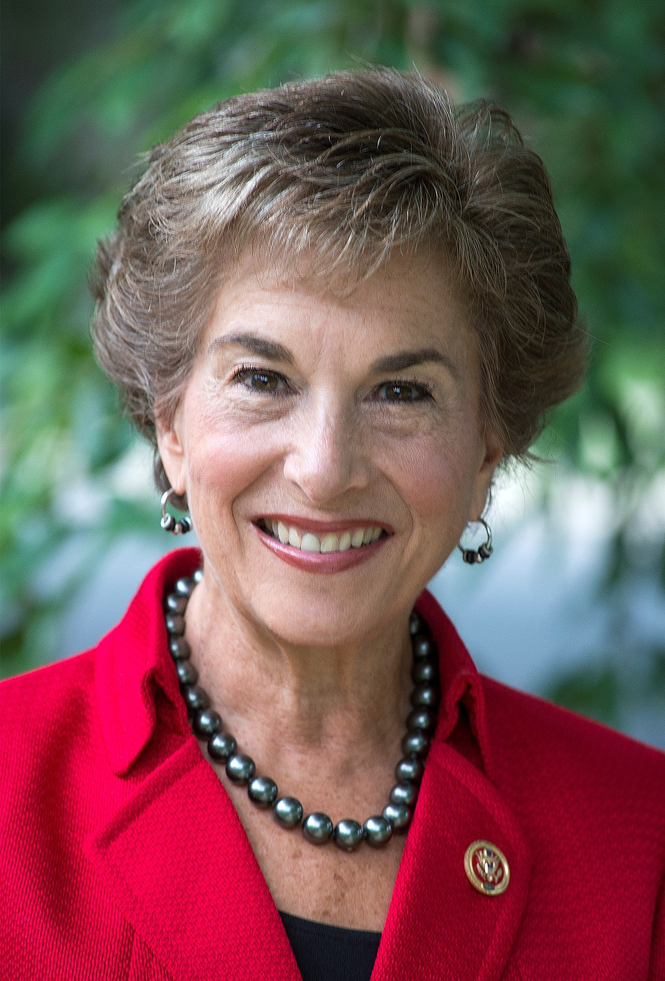
Co-Sponsor
-
TrackLateefah Simon
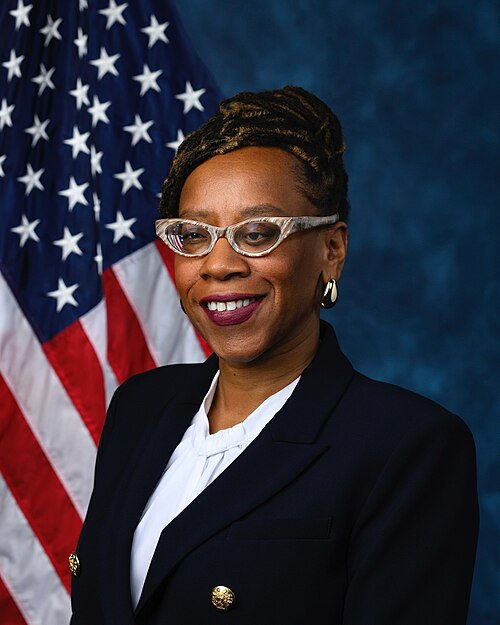
Co-Sponsor
-
TrackAdam Smith
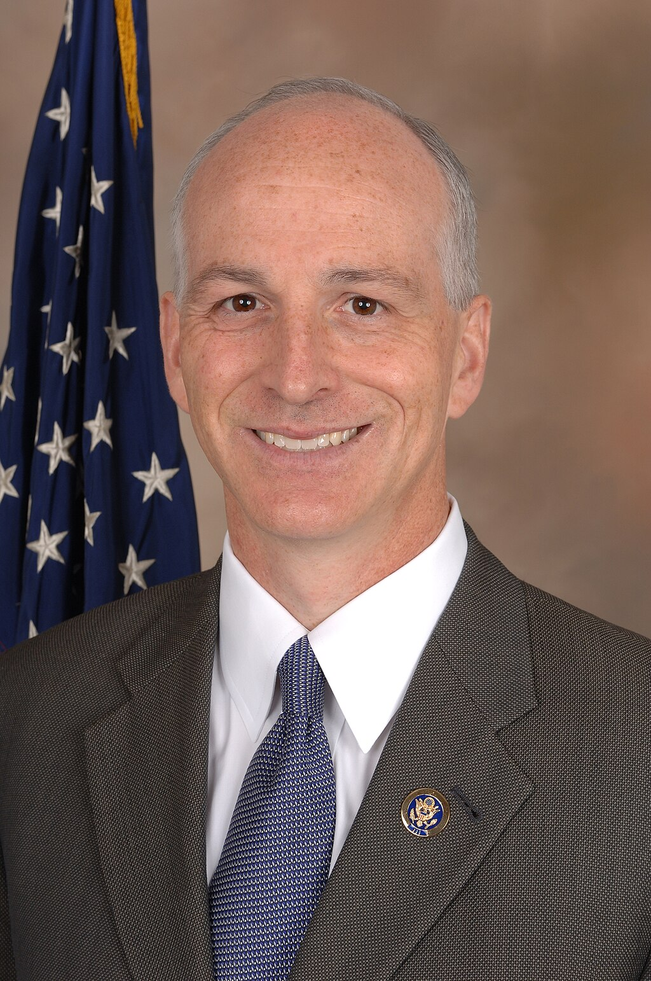
Co-Sponsor
-
TrackMarilyn Strickland
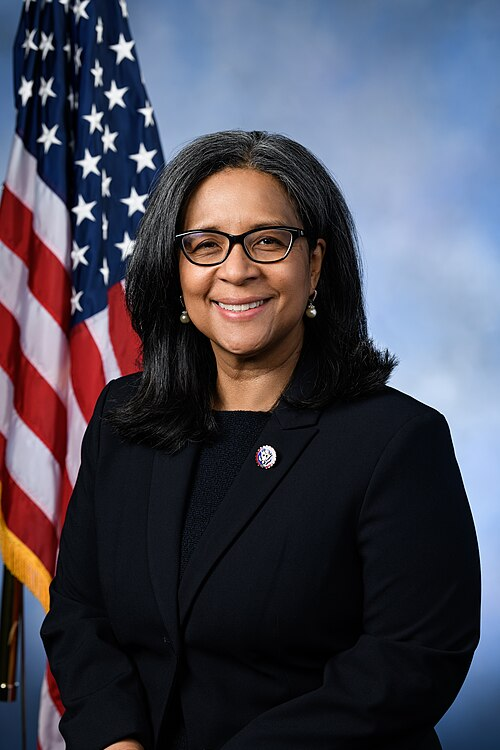
Co-Sponsor
-
TrackThomas R. Suozzi
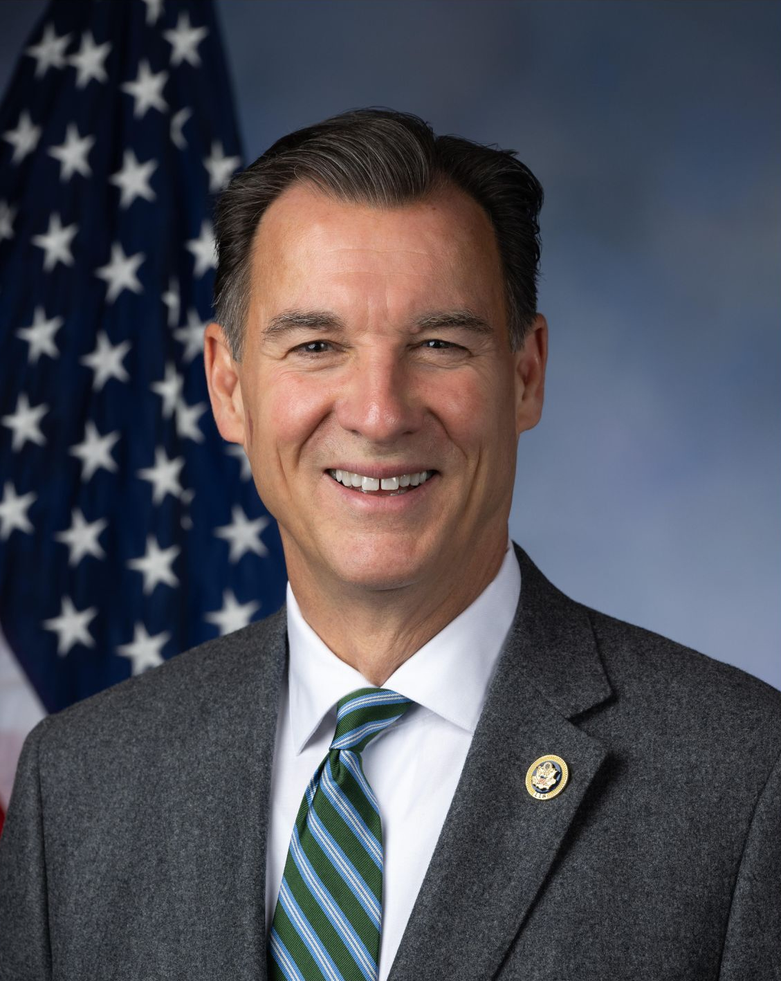
Co-Sponsor
-
TrackMark Takano
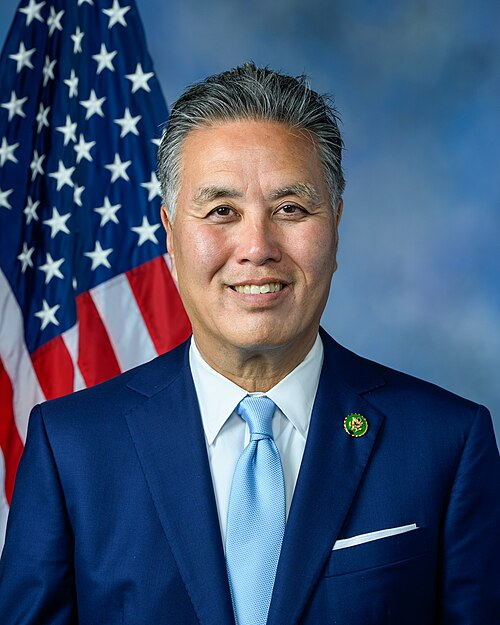
Co-Sponsor
-
TrackShri Thanedar
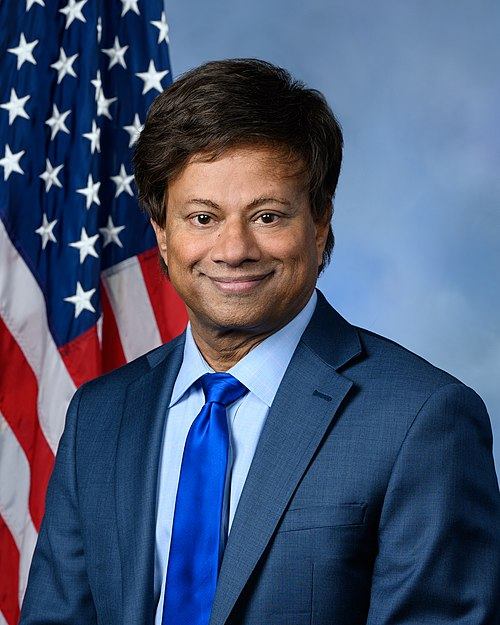
Co-Sponsor
-
TrackRashida Tlaib
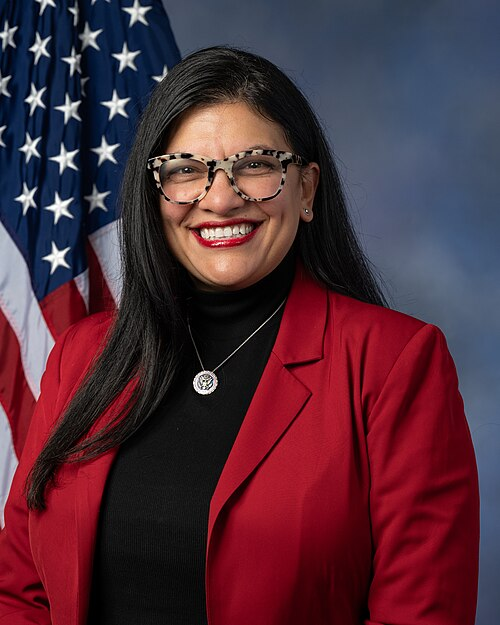
Co-Sponsor
-
TrackLori Trahan
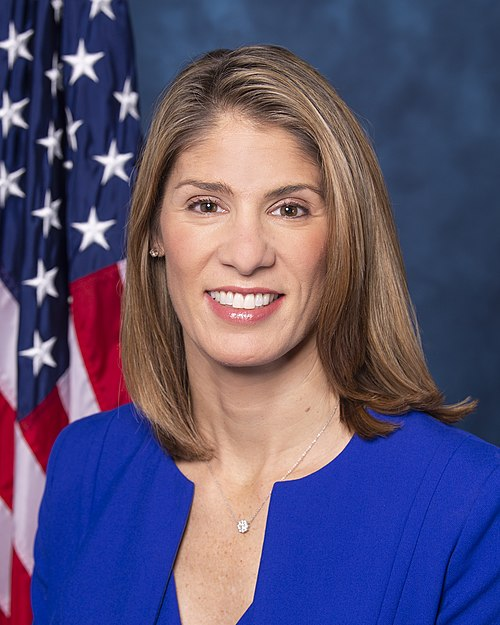
Co-Sponsor
-
TrackJuan Vargas
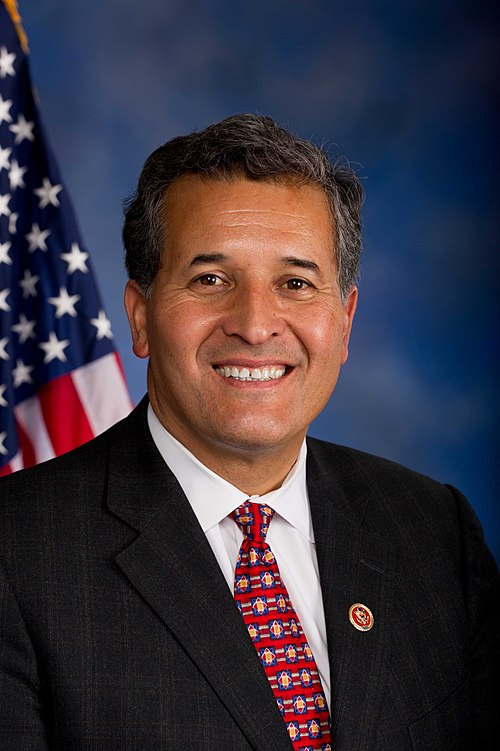
Co-Sponsor
-
TrackEugene Vindman
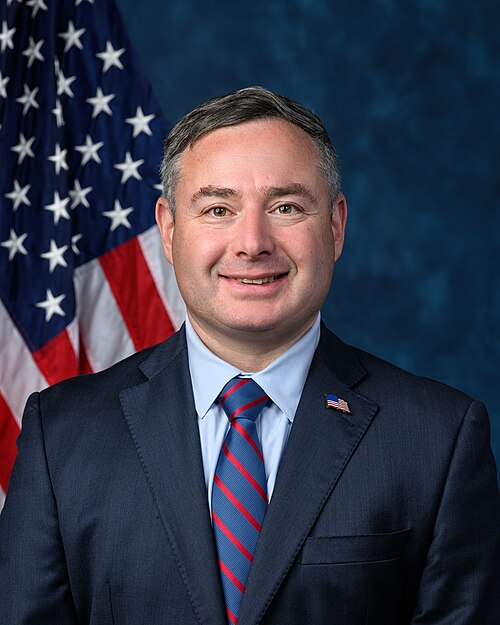
Co-Sponsor
-
TrackBonnie Watson Coleman
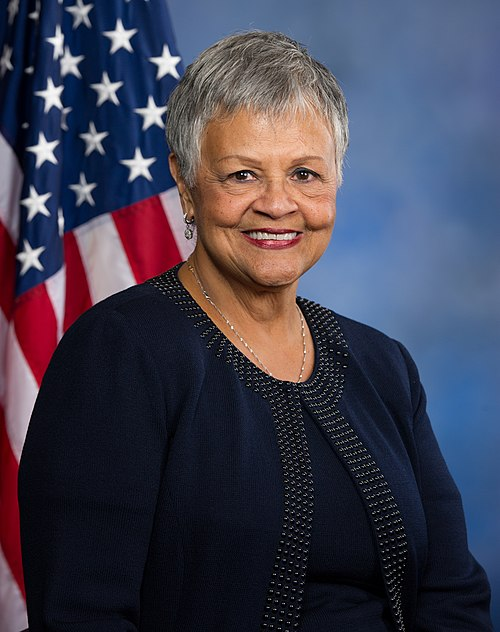
Co-Sponsor
-
Tracknan

Co-Sponsor
Actions
2 actions
| Date | Action |
|---|---|
| May. 26, 2026 | Introduced in House |
| May. 26, 2026 | Referred to the Committee on Transportation and Infrastructure, and in addition to the Committee on Ways and Means, for a period to be subsequently determined by the Speaker, in each case for consideration of such provisions as fall within the jurisdiction of the committee concerned. |
Corporate Lobbying
0 companies lobbying
None found.
* Note that there can be significant delays in lobbying disclosures, and our data may be incomplete.