H.R. 6619: Promoting Regional Opportunities for Sustainable Prosperity and Economic Resilience in the Pacific Act
The bill, titled the Promoting Regional Opportunities for Sustainable Prosperity and Economic Resilience in the Pacific Act (PROSPER in the Pacific Act), aims to create preferential trade treatment for certain imports from Pacific Islands countries. Here's a breakdown of its main components:
1. Purpose and Goals
The primary goal of the bill is to strengthen economic ties between the United States and Pacific Islands countries. It recognizes the historical and cultural connections these regions share and aims to address the economic challenges Pacific Islands face, such as:
- Geographic isolation
- Limited economic diversification
- Vulnerability to natural disasters
- Underdeveloped infrastructure and trade capacity
By promoting trade, the bill seeks to create sustainable job opportunities and improve living standards in these countries.
2. Eligibility Requirements
The bill sets out several eligibility criteria for Pacific Islands countries to qualify for preferential treatment under U.S. trade laws. The President must determine that:
- The country meets certain requirements established by existing U.S. trade laws regarding human rights and economic conditions.
- The country does not disqualify itself under various specified conditions, such as failing to uphold internationally recognized worker rights or human rights.
- The country is actively working to enforce effective environmental laws.
3. Trade Agreements
Congress expresses support for negotiating free trade agreements with Pacific Islands countries to encourage trade and investment. The President is tasked with developing a plan for these negotiations, considering various aspects including:
- Objectives for trade agreements
- Benefits for both the U.S. and the Pacific Islands
- A timeline and process for negotiations
4. Trade Facilitation and Capacity Building
The bill requires the establishment of a trade facilitation and capacity building program for the Pacific Islands. This program aims to:
- Enhance the abilities of governments in Pacific Islands to support exporters
- Provide training for financial institutions to assist in export finance
- Ensure transparency in trade regulations
- Improve access to information for importers and exporters
5. Reporting Requirements
To ensure transparency and accountability, the President must submit reports to Congress regarding the implementation of the Act, including a comprehensive report on U.S. trade and investment policy for the Pacific Islands, to be submitted annually through 2036.
6. Termination of Benefits
The preferential treatment provided under this Act will automatically cease after December 31, 2036, unless extended by Congress.
7. Definitions
The bill includes definitions for various terms, clarifying what is meant by the Pacific Islands, internationally recognized worker rights, and other key phrases used throughout the legislation.
Relevant Companies
- UNP: Union Pacific Corporation may be impacted due to trade policies affecting shipping routes and logistics involving the Pacific Islands.
- CSX: CSX Corporation could see changes in freight and transportation logistics as trade dynamics shift with Pacific Island countries.
This is an AI-generated summary of the bill text. There may be mistakes.
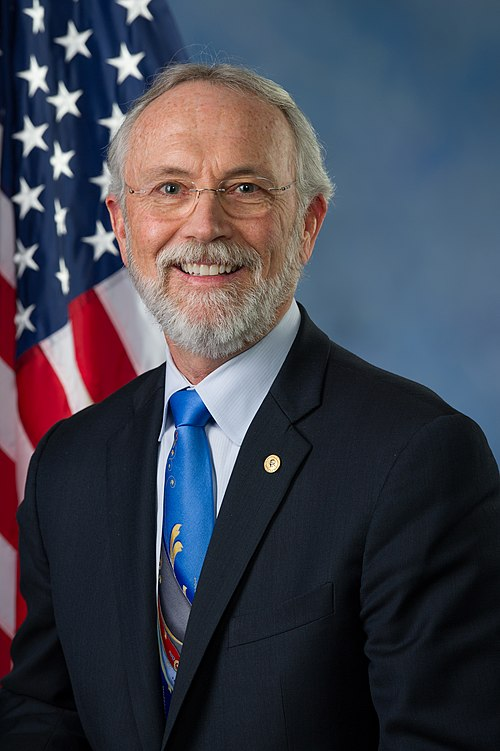
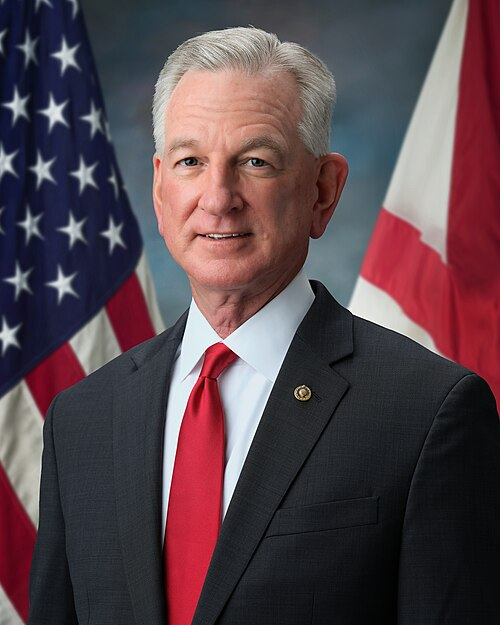
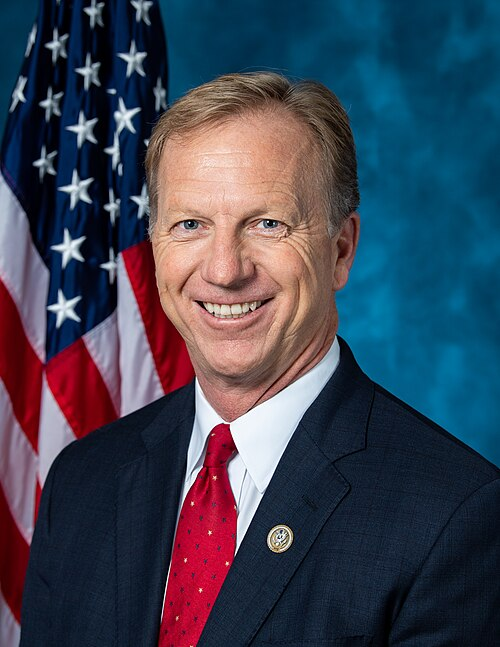
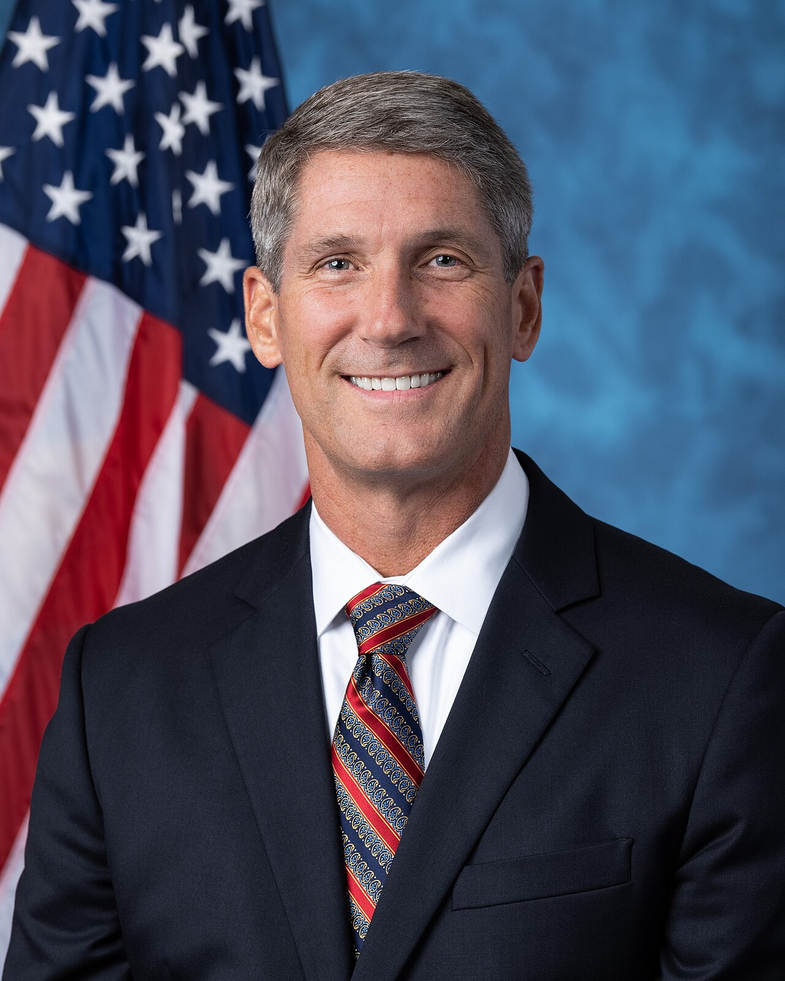
Sponsors
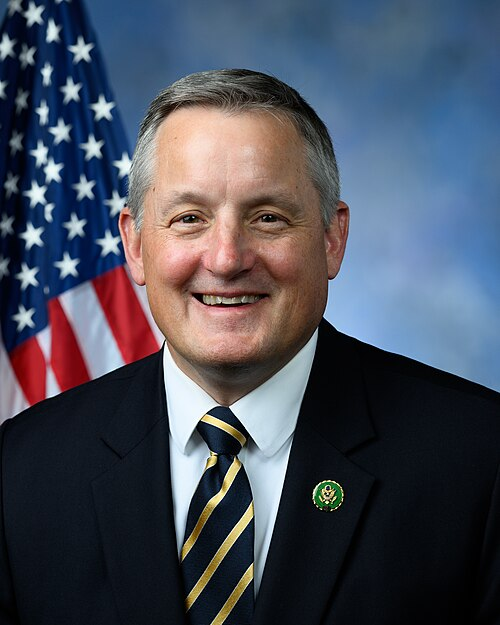
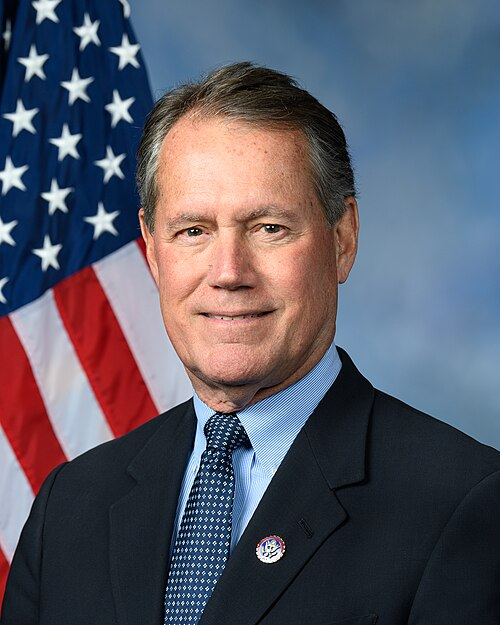
2 bill sponsors

Actions
2 actions
| Date | Action |
|---|---|
| Dec. 11, 2025 | Introduced in House |
| Dec. 11, 2025 | Referred to the House Committee on Ways and Means. |
Corporate Lobbying
0 companies lobbying
None found.
* Note that there can be significant delays in lobbying disclosures, and our data may be incomplete.