H.R. 9231: No Toxic Chemicals in Food Packaging Act of 2026
This bill would change federal food packaging rules by automatically treating a list of chemicals as unsafe when they are used as food contact substances—that is, materials that can touch food, such as some packaging, coatings, and processing materials.
What chemicals would be covered
The bill says the following substances would be considered unsafe for use in food contact materials:
- Ortho-phthalates
- PFAS
- Bisphenol A, B, S, F, or AF, and related compounds
- Acrolein
- Acrylamide
- BHA (tert-Butyl-4-hydroxyanisole)
- Chlorinated paraffins
- 1,4-Dioxane
- Asbestos
- Benzene
- Chloroform
- Methylene chloride
- Ethylene oxide
- Formaldehyde
- Styrene polymers
Because these substances would be treated as unsafe under federal law, they could not be used as food contact substances unless the law is changed again or an exception applies under another legal provision.
Effect on federal review of alternatives
If someone asks the FDA to approve a substitute chemical that is meant to replace one of the banned substances, the agency would have to take extra account of how that alternative might affect vulnerable populations. The bill defines vulnerable populations to include infants, children, pregnant women, older adults, people with preexisting medical conditions, workers exposed to chemicals, people living in areas with higher exposure, and other groups the Secretary identifies.
State and local authority
The bill says it would not limit the ability of states or local governments to pass or enforce their own, stricter rules on food additives. It also says nothing in the section should be read to affect state or local legal actions or liability. It specifically states that “food additive” includes food contact substances, so state and local rules could be broader than the federal standard.
When the changes would take effect
The new federal rule would not apply immediately. It would begin 2 years after the bill becomes law.
Relevant Companies
- DOW — Could be affected if demand changes for chemical products used in plastics, coatings, and packaging materials.
- LYB — Could be affected through packaging-related plastic and polymer markets if certain materials are restricted.
- PKG — As a packaging company, it could face changes in material choices and compliance costs if packaging inputs are restricted.
- MMM — Could be affected by restrictions on certain chemicals used in adhesives, coatings, or packaging-related products.
- PPG — Could be affected if coating or barrier-material formulations used in food packaging need to be changed.
This is an AI-generated summary of the bill text. There may be mistakes.
Sponsors
15 bill sponsors
-
TrackJanice D. Schakowsky

Sponsor
-
TrackNanette Diaz Barragán
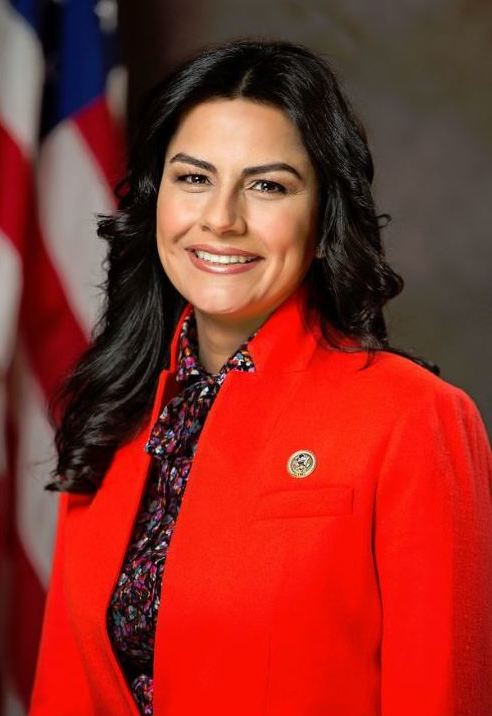
Co-Sponsor
-
TrackRosa L. DeLauro
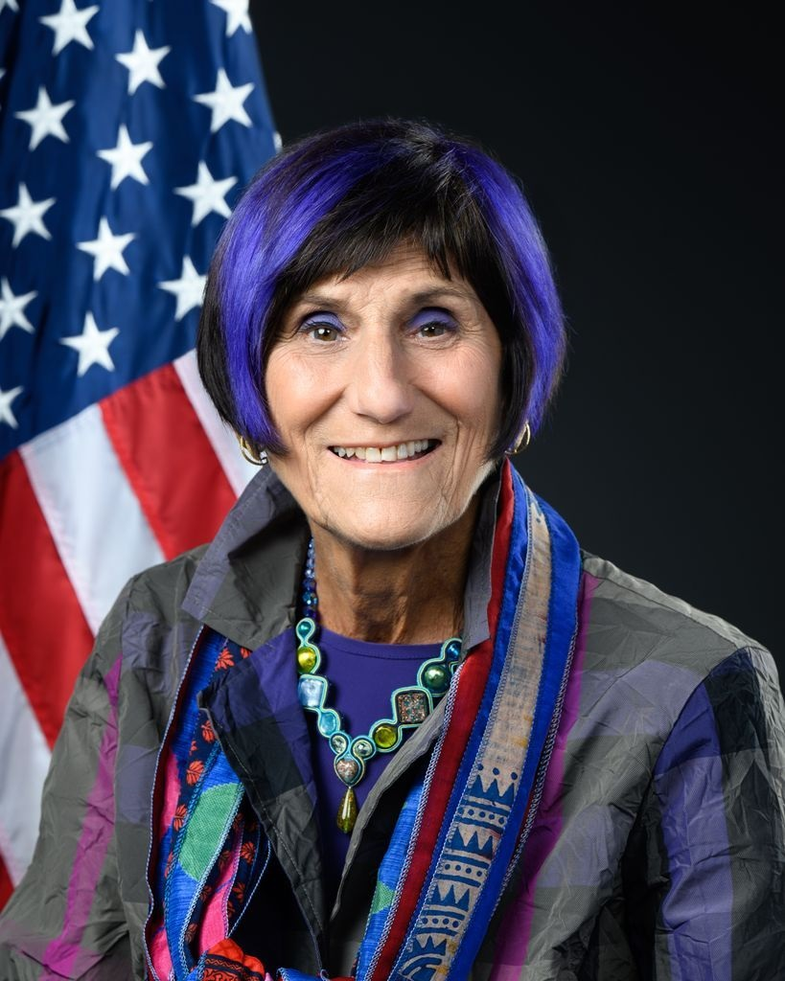
Co-Sponsor
-
TrackDebbie Dingell
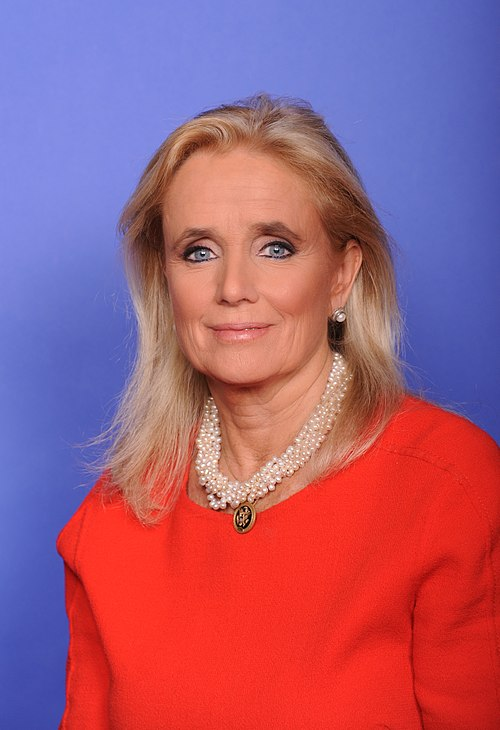
Co-Sponsor
-
TrackLaura Friedman
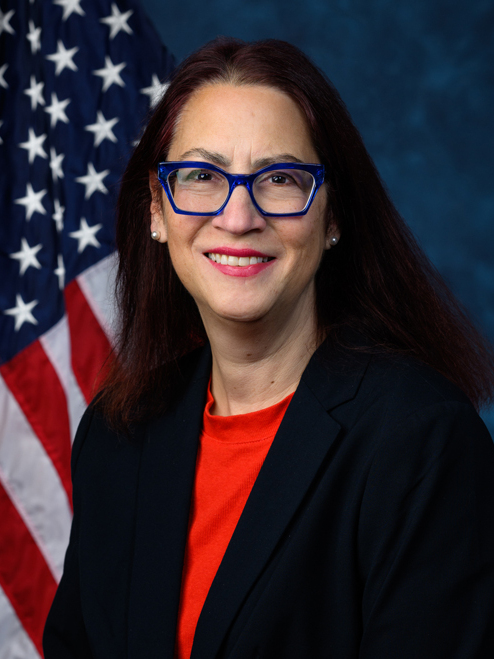
Co-Sponsor
-
TrackJesús G. "Chuy" García
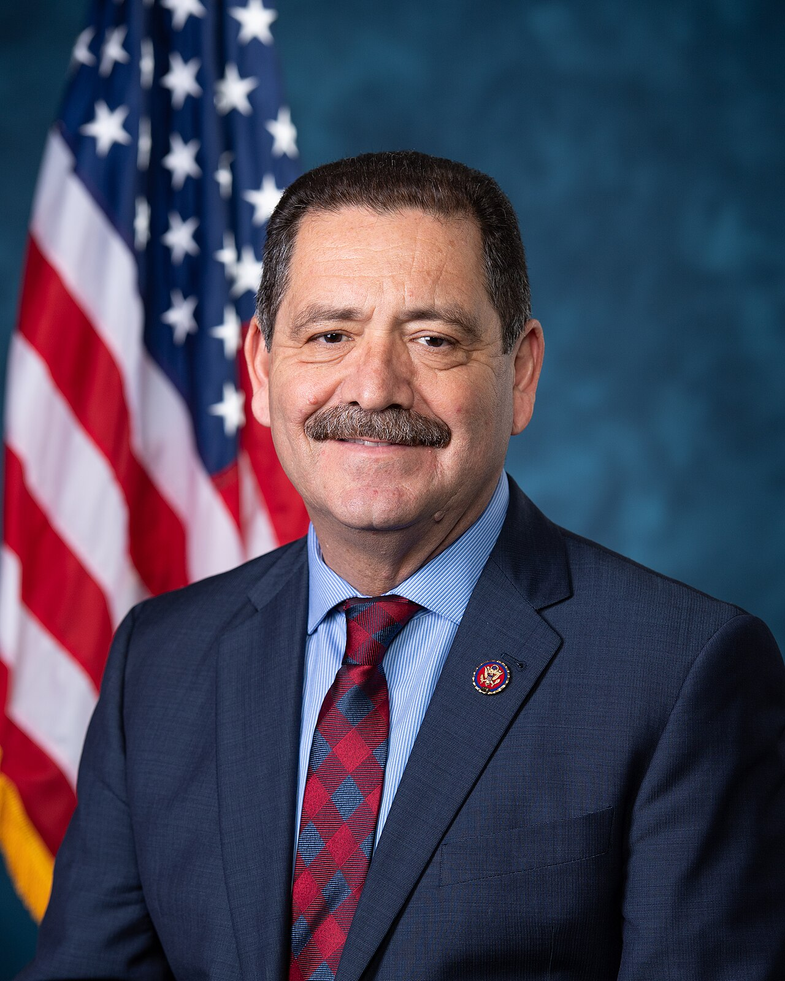
Co-Sponsor
-
TrackJonathan L. Jackson
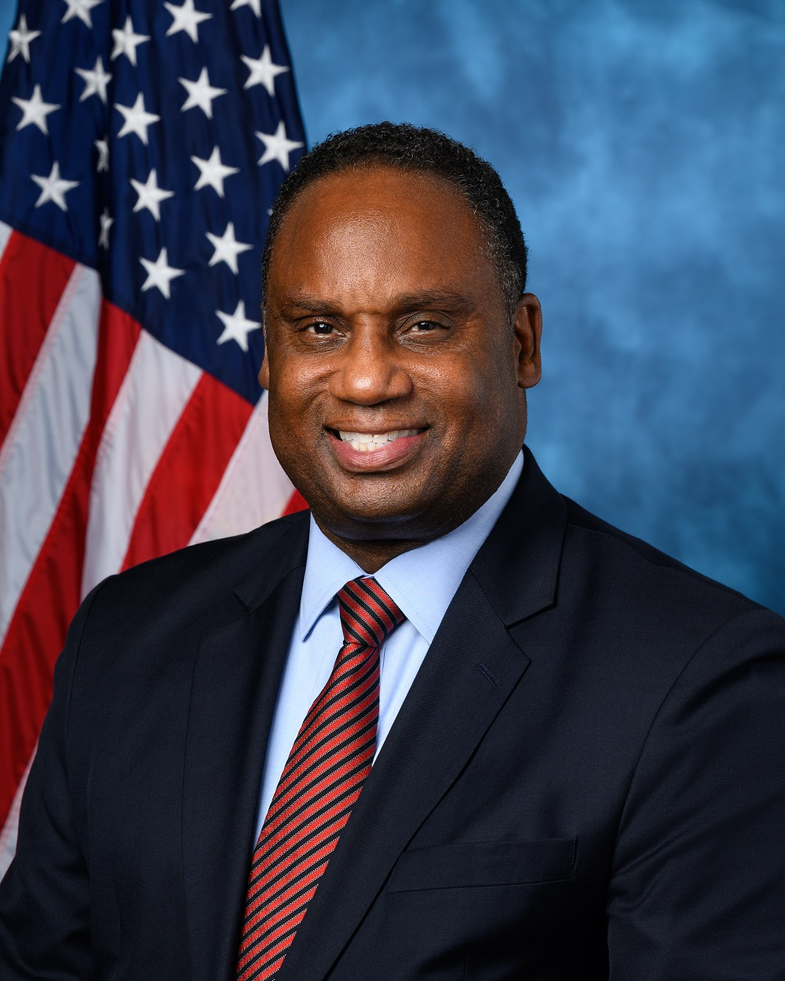
Co-Sponsor
-
TrackTed Lieu
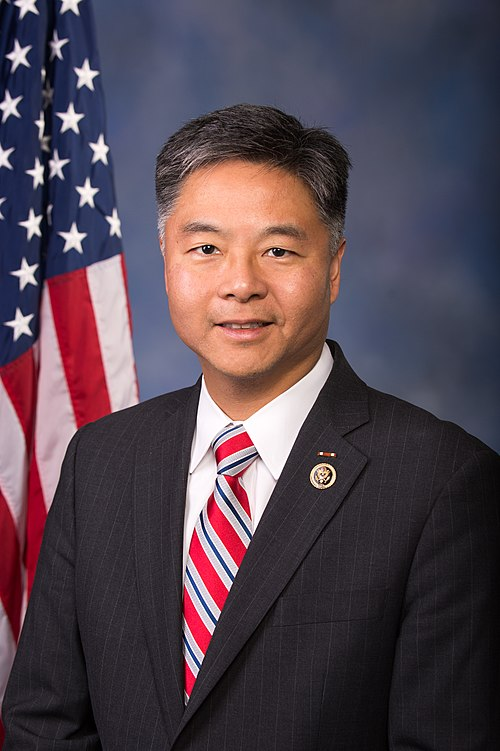
Co-Sponsor
-
TrackZoe Lofgren
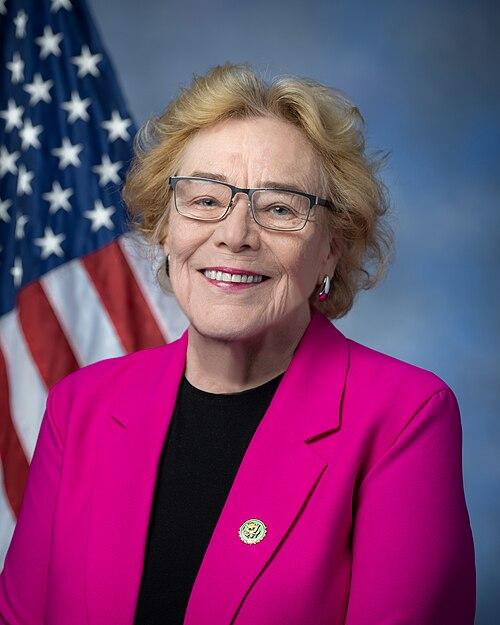
Co-Sponsor
-
TrackStephen F. Lynch
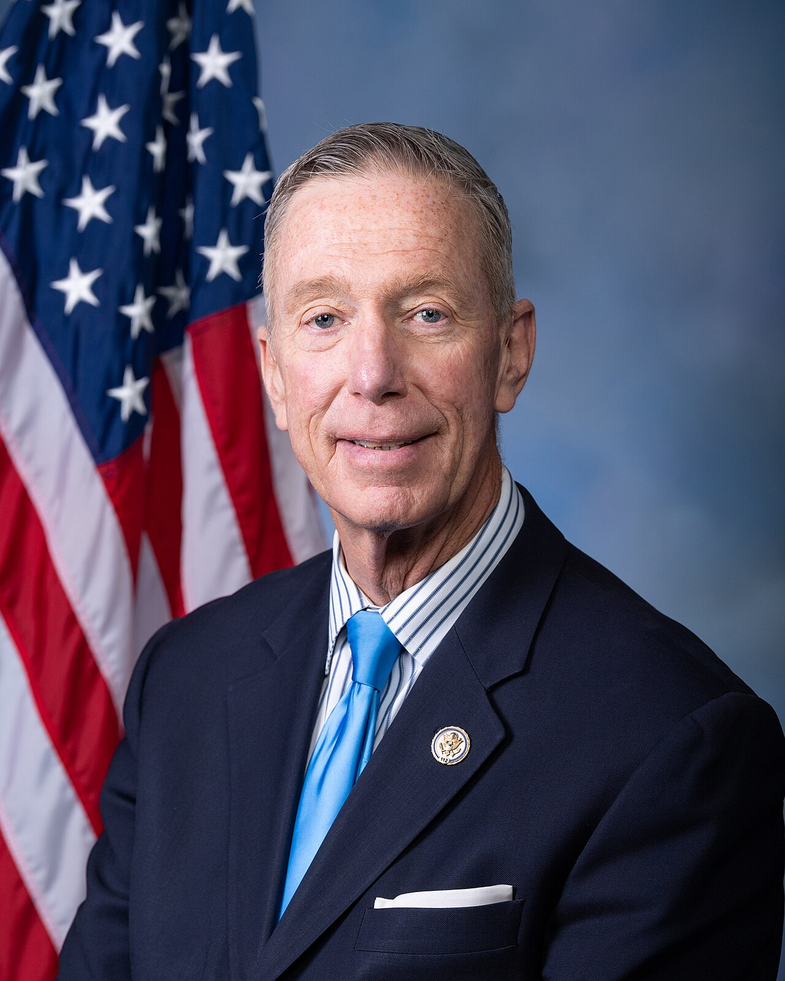
Co-Sponsor
-
TrackKevin Mullin
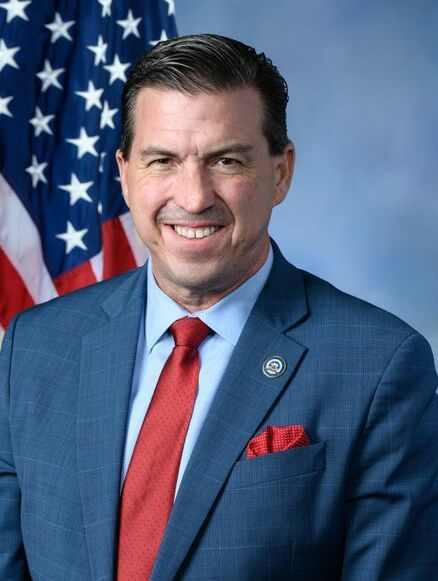
Co-Sponsor
-
TrackEleanor Holmes Norton

Co-Sponsor
-
TrackChellie Pingree
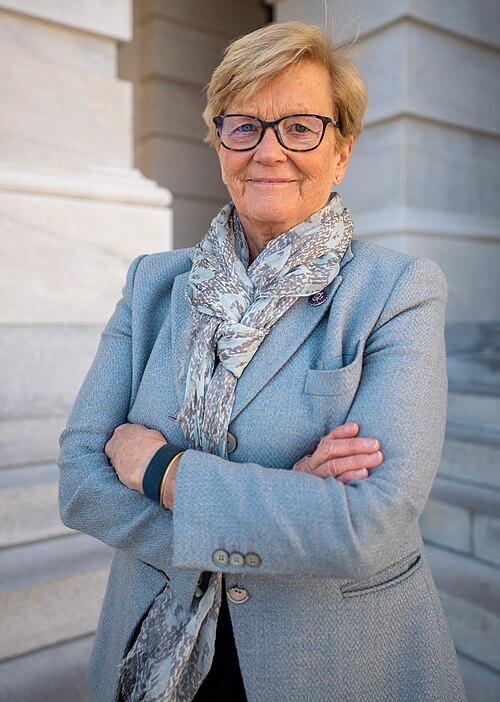
Co-Sponsor
-
TrackBonnie Watson Coleman
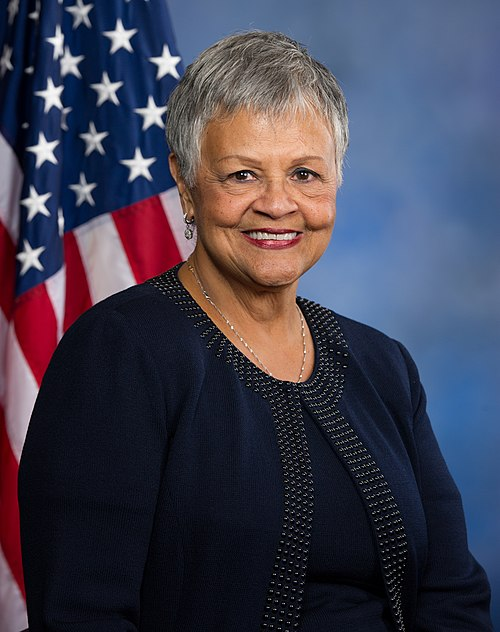
Co-Sponsor
-
Tracknan

Co-Sponsor
Actions
2 actions
| Date | Action |
|---|---|
| Jun. 09, 2026 | Introduced in House |
| Jun. 09, 2026 | Referred to the House Committee on Energy and Commerce. |
Corporate Lobbying
0 companies lobbying
None found.
* Note that there can be significant delays in lobbying disclosures, and our data may be incomplete.