H.R. 10628: Biosimilars Access and Affordability Act
This bill would change how certain biosimilar biological products are handled under Medicare’s drug price negotiation program.
What the bill changes
Under current law, some biological drugs can become eligible for Medicare price negotiations after a set period. This bill would adjust that timing for biologic drugs that have, or are expected to have, a biosimilar version on the market.
In practical terms, the bill would generally:
- Delay Medicare price negotiations for certain biological products for an additional period when a biosimilar is likely to be introduced.
- Allow a product to remain excluded from the negotiation list for up to two years in certain cases where a biosimilar is expected to be marketed soon.
- Use a new standard for deciding whether a biosimilar is likely to be marketed, based on whether there is clear and convincing evidence that it will be sold within the relevant time frame.
- Require the government to notify the biosimilar manufacturer and give it a chance to confirm or correct the information before the Secretary makes that determination.
- State that pending or expected patent litigation over the biosimilar would not, by itself, stop these rules from applying.
How the delay would work
If a biological product would otherwise become subject to Medicare negotiation, but the government determines that a biosimilar is likely to be launched soon, the bill would let the product avoid being selected for negotiation for an extra period. If the biosimilar is not actually licensed and marketed by the end of that delay, the bill would require the manufacturer of the biosimilar to pay a rebate for the years in which the biosimilar would have had to follow the negotiated price rules.
The bill also changes related rebate calculations tied to Medicare Part D and Part B drugs during this delay period.
Definition added
The bill adds a definition saying that a drug or biological product is considered “marketed” when it is introduced or delivered for introduction into interstate commerce.
When it would take effect
The changes would apply starting with initial price applicability year 2027.
Relevant Companies
- AMGN — Amgen could be affected because it markets biologic medicines and biosimilar products that may be subject to the bill’s timing rules for Medicare price negotiations.
- BIIB — Biogen could be affected through its biologic portfolio if any of its products are part of Medicare negotiation timing decisions involving biosimilars.
- REGN — Regeneron could be affected if any of its biologic products are subject to delayed negotiation eligibility due to expected biosimilar competition.
- PFE — Pfizer could be affected through its biologics and biosimilars business, depending on which products are impacted by the revised rules.
- ABBV — AbbVie could be affected if any of its biologic drugs become subject to the altered Medicare negotiation timetable.
- SNY — Sanofi could be affected through its biologic and biosimilar medicines if those products fall within the scope of the bill.
This is an AI-generated summary of the bill text. There may be mistakes.
Sponsors
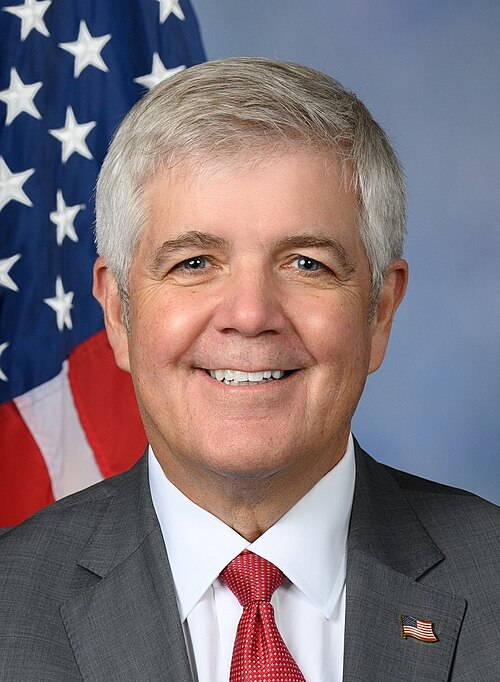
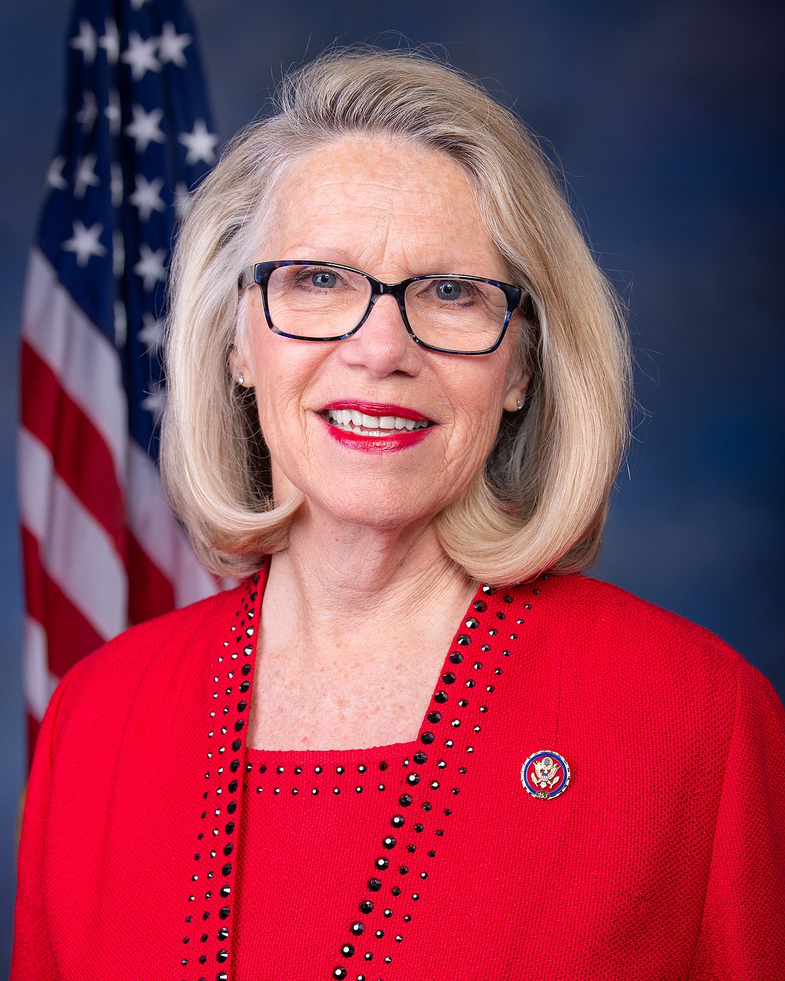
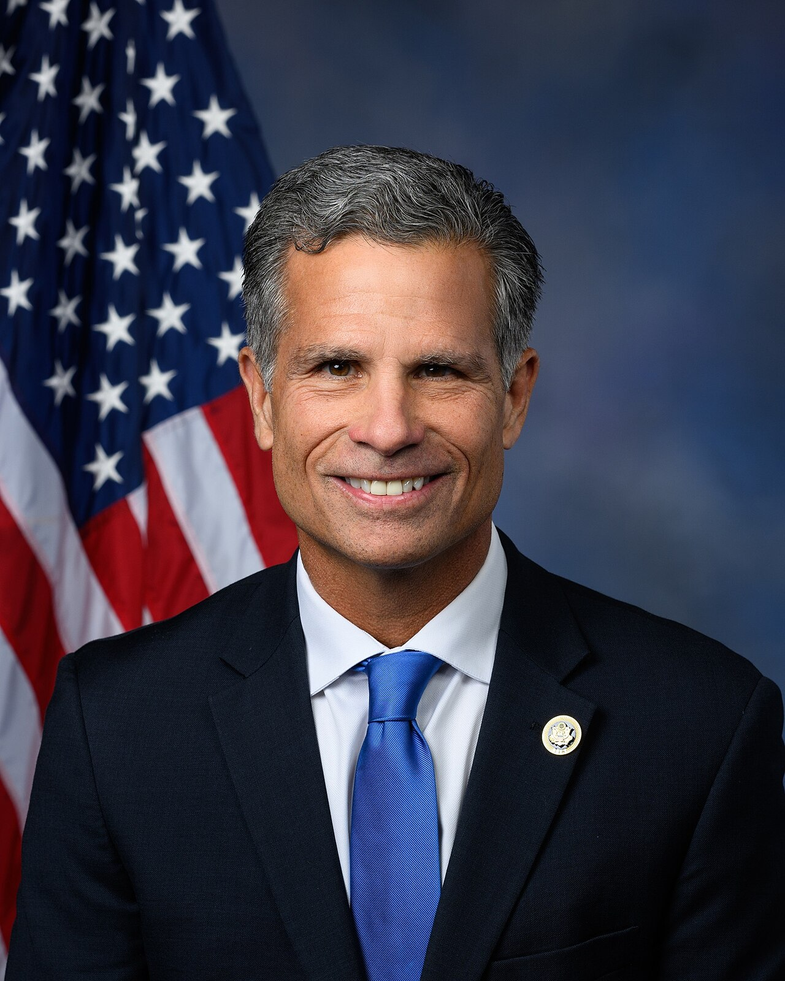
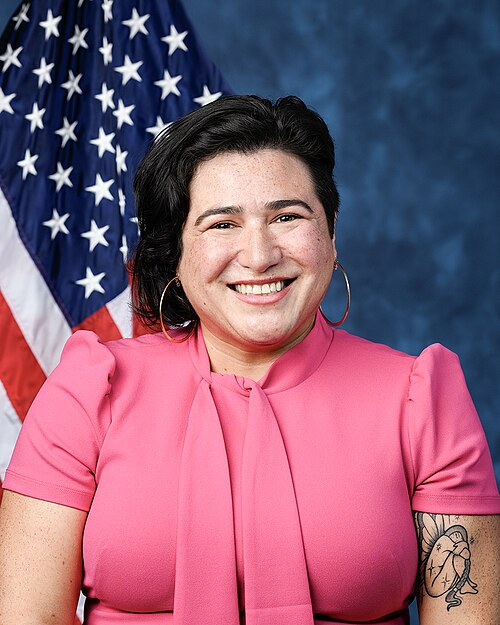
9 bill sponsors






Actions
2 actions
| Date | Action |
|---|---|
| Sep. 28, 2026 | Introduced in House |
| Sep. 28, 2026 | Referred to the Committee on Energy and Commerce, and in addition to the Committee on Ways and Means, for a period to be subsequently determined by the Speaker, in each case for consideration of such provisions as fall within the jurisdiction of the committee concerned. |
Corporate Lobbying
0 companies lobbying
None found.
* Note that there can be significant delays in lobbying disclosures, and our data may be incomplete.