
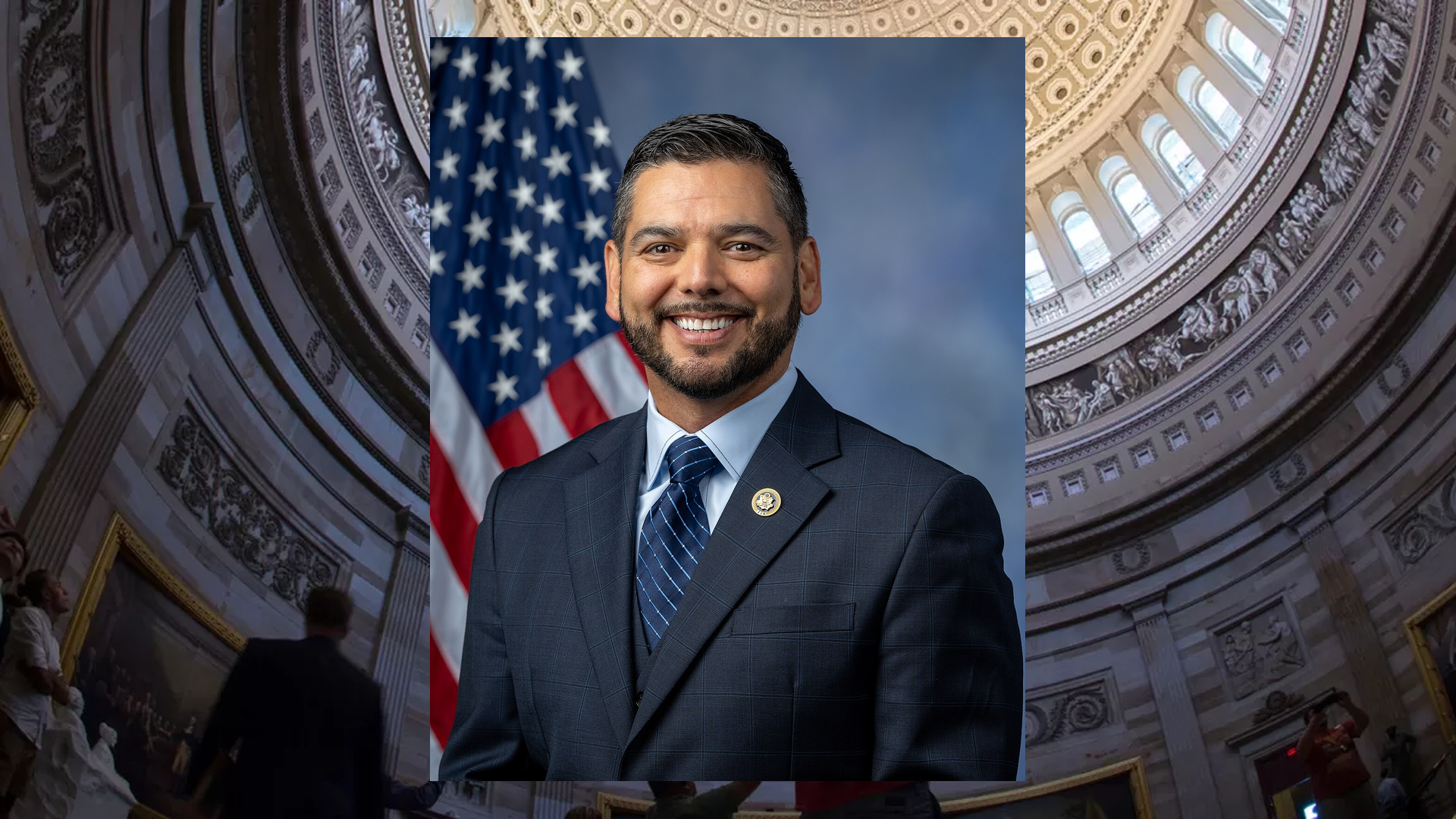
We have received text from H.R. 9877: Health Equity and Accountability Act of 2026. This bill was received on 2026-07-22, and currently has 26 cosponsors.
Here is a short summary of the bill:
This bill would make broad changes across federal health, nutrition, labor, and civil-rights programs, with the general goal of reducing health disparities and improving access to care for underserved communities.
Health data, privacy, and civil-rights enforcement
The bill would require federal health agencies and programs to collect and report more detailed data about race, ethnicity, language, disability, geography, and other factors that can affect health outcomes. It would create and expand federal data repositories and reporting systems, including efforts focused on Native Hawaiian and Pacific Islander communities, Middle Eastern and North African communities, and other undercounted groups. It also directs agencies to study health inequities linked to artificial intelligence, pandemics, environmental exposures, and social conditions.
At the same time, the bill would set privacy safeguards for protected demographic data and prohibit adverse treatment of applicants based on that information. It would strengthen anti-discrimination oversight in federally funded health programs, create new complaint and enforcement processes, and in some cases allow lawsuits or agency penalties when discrimination or language-access violations occur.
Language access and culturally appropriate care
The bill would require many federal health programs, and in some cases private insurance plans, to provide language assistance services such as interpretation and translation at no cost to patients. It would also require translated forms, multilingual systems, language-access plans, staff training, and public reporting on compliance. Similar requirements would apply more broadly across federal agencies, with noncompliance treated as a form of civil-rights violation.
It also creates grants, a federal center, and demonstration projects to improve culturally and linguistically appropriate care for people with limited English proficiency, people with disabilities, and other groups that often face barriers in the health system.
Workforce development and provider diversity
The bill would create programs to recruit, train, and retain a more diverse health workforce. These include grants, scholarships, fellowships, loan repayment, and loan cancellation programs for students and professionals from underrepresented groups, as well as support for online degree programs and training pipelines in shortage areas. It also includes efforts to support internationally educated health professionals, physician retention in underserved areas, and new or expanded medical schools in areas facing workforce shortages.
Related provisions would expand training and support for mental health, substance use, maternal health, pediatric behavioral health, community health workers, school social workers, and other health professionals.
Coverage and affordability changes
The bill would expand health coverage and reduce out-of-pocket costs in several programs. It would increase access to Medicare, Medicaid, CHIP, and ACA coverage for certain low-income people, lawful immigrants, and residents of U.S. territories. It would also create new affordability assistance in Medicare, expand drug-cost help, and reduce or eliminate some cost-sharing requirements in Medicaid and other programs.
Other provisions would expand coverage of services such as language assistance, mental health care, preventive screenings, tobacco cessation, PrEP/HIV prevention services, and certain specialty services. The bill would also simplify some enrollment rules, provide outreach funding, and limit Medicaid estate recovery in some cases.
Maternal, infant, and family health
The bill includes a large package of maternal and infant health measures. It would fund programs to reduce maternal mortality and disparities, expand postpartum and perinatal care, support doulas and midwives, improve rural obstetric services, and create demonstration programs for team-based maternity “care homes.” It would also fund studies and grants on bias, racism, domestic violence, climate-related risks, environmental exposures, and other factors affecting pregnancy and birth outcomes.
Additional provisions would extend postpartum benefits in some programs, improve breastfeeding support, expand services for incarcerated pregnant and postpartum people, and increase oversight of maternal health outcomes and hospital closures.
Behavioral health, substance use, and related supports
The bill would expand access to mental health and substance use treatment through grants, workforce support, school-based services, crisis services, telehealth, and community-based programs. It would also create or expand programs focused on youth mental health, trauma-informed care, culturally tailored outreach, and support for families and caregivers.
Disease-specific initiatives and preventive care
The bill contains targeted programs for many conditions, including diabetes, sickle cell disease, HIV/AIDS, cancer, kidney disease, sleep disorders, obesity, cardiovascular disease, tuberculosis, liver disease, COPD, osteoarthritis, Alzheimer’s disease, peripheral artery disease, and others. These provisions generally fund research, screening, prevention, outreach, registries, reporting, and care coordination, often with a focus on minority and underserved populations.
It would also expand coverage or access for some screenings and preventive services, including certain cancer, HIV, and vascular screenings.
Food, nutrition, and basic needs
The bill would make several changes to nutrition programs. It would expand SNAP access, remove the SNAP time limit, increase support for older adults and people with disabilities, and improve access for students and Puerto Rico residents. It would also establish universal free school breakfast and lunch, expand summer and child care meal programs, limit meal debt practices, and update eligibility rules to use broader economic-disadvantage measures.
Other provisions would fund diaper assistance, menstrual product access in schools and other public settings, and certain family-support grants.
Labor protections and environmental health
The bill would create a federal heat standard for workers, requiring protections such as water, shade, rest breaks, acclimatization, training, and anti-retaliation rules. It would also fund environmental justice work, health impact assessments, and research on how environmental conditions and built environments affect health.
Public health administration and oversight
Across many sections, the bill creates new commissions, advisory councils, task forces, grant programs, reports to Congress, and evaluation requirements. It also restores or protects some existing health equity offices and anti-discrimination enforcement functions, and restricts the use of certain terms in federal documents. Many provisions authorize funding through FY2031 or similar future periods.
Relevant Companies
- MCK - McKesson could be affected by changes in federal health coverage, preventive care, and prescription-related access programs that may influence pharmacy and distribution demand.
- CVS - CVS could be affected by expanded coverage for preventive services, language-access requirements, and changes affecting pharmacies and Medicaid/Medicare-related care delivery.
- WBA - Walgreens could be directly affected by pharmacy provisions related to access, contraception availability, and compliance obligations.
- HUM - Humana could be affected by Medicare policy changes, cost-sharing rules, and reporting requirements tied to coverage and equity programs.
- UNH - UnitedHealth could be affected by ACA, Medicaid, and Medicare-related coverage and reporting changes, as well as broader health equity requirements.
- CNC - Centene could be affected by Medicaid, CHIP, and ACA changes, including eligibility expansions and additional coverage requirements.
- MRK - Merck could be indirectly affected by expanded screening, preventive-care, and disease-specific public health initiatives that may influence utilization of certain therapies and tests.
- PFE - Pfizer could be indirectly affected by expanded public-health programs involving infectious disease prevention, HIV, and vaccine-related outreach.
Representative Raul Ruiz Bill Proposals
Here are some bills which have recently been proposed by Representative Raul Ruiz:
- H.R.9877: To improve the health of minority individuals, and for other purposes.
- H.R.8629: Developing the Community Health Workforce Act of 2026
- H.R.8556: Homegrown Defense Act of 2026
- H.R.8525: To amend the Specialty Crops Competitiveness Act of 2004 to provide for seasonal and perishable programs, and for other purposes.
- H.R.8391: To amend titles XVIII and XIX of the Social Security Act to require coverage of certain food and nutrition services under the Medicare and Medicaid programs.
- H.R.8390: National Food as Medicine Program Act of 2026
You can track bills proposed by Representative Raul Ruiz on Quiver Quantitative's politician page for Ruiz.
Representative Raul Ruiz Net Worth
Quiver Quantitative estimates that Representative Raul Ruiz is worth $1.4M, as of September 28th, 2026. This is the 304th highest net worth in Congress, per our live estimates.
Ruiz has approximately $634.1K invested in publicly traded assets which Quiver is able to track live.
You can track Representative Raul Ruiz's net worth on Quiver Quantitative's politician page for Ruiz.
Representative Raul Ruiz Stock Trading
We have data on up to $780.0K of trades from Representative Raul Ruiz, which we parsed from STOCK Act filings.
You can track Representative Raul Ruiz's stock trading on Quiver Quantitative's politician page for Ruiz.
2026 California's 25th Congressional District Election
There has been approximately $7,801,313 of spending in California's 25th congressional district elections over the last two years, per our estimates.
The rating for this race is currently "Solid D".
You can track this election on our matchup page for the 2026 California's 25th congressional district election.
This article is not financial advice. See Quiver Quantitative's disclaimers for more information.