H.R. 8629: Developing the Community Health Workforce Act of 2026
This bill, known as the Developing the Community Health Workforce Act of 2026, aims to enhance the recruitment, training, and retention of healthcare workers, particularly in underserved and rural communities, through several key provisions.
1. Recruitment and Retention of Healthcare Staff
The bill prioritizes Federally Qualified Health Centers (FQHCs) and rural health clinics when assigning health professional Corps members. The Secretary of Health and Human Services (HHS) will give priority to applications from these centers in areas identified as having healthcare professional shortages.
2. Loan Repayment Program
The bill establishes a program that allows HHS to provide grants to FQHCs to repay loans for healthcare professionals who work in these centers. To receive a grant, an FQHC must submit an application that includes:
- A description of its capacity to address regional workforce shortages.
- A plan for loan repayment.
- An explanation of how it uses interdisciplinary approaches to patient care.
3. Community Health Center Workforce Pipeline Program
This program grants health centers funds to:
- Recruit and hire staff qualified to serve the local patient population.
- Provide career advancement and development opportunities for existing staff.
Additionally, the Secretary of Labor must revise regulations within 180 days of the enactment to allow FQHCs to register as apprenticeship programs.
4. Health Center Career Opportunities
The bill will award grants to higher education institutions to partner with health centers for training students in health professions. This includes funding support for training activities and may cover a variety of fields related to healthcare.
5. Training for Behavioral Health Specialists
The bill also allows grants to health centers to develop training programs for behavioral health specialists, which can include stipends for personnel running the programs and support for apprenticeship initiatives.
6. Expanding Hospital and FQHC Partnerships
The bill promotes cooperation between hospitals and FQHCs for graduate medical education. This includes modifying how residency programs are structured and how many residency positions hospitals are allocated when they partner with FQHCs.
7. Expanding FQHC Services
It expands the range of services provided by FQHCs, including behavioral health services that can be billed for Medicare and Medicaid under certain conditions. This ensures that these services are recognized and reimbursed appropriately, thereby increasing access to care for vulnerable populations.
8. Study and Guidance on Medicaid Payments
The Secretary of Health and Human Services is tasked with conducting a study on state payment adjustment methods for FQHCs. The results of this study will inform guidance to state plans on best practices for payment adjustments to improve efficiency and appropriateness in reimbursement strategies.
Relevant Companies
- HCA Healthcare (HCA) - As a major provider of healthcare services, HCA may be influenced by changes in workforce dynamics and funding provisions introduced by this bill.
- LHC Group (LPNT) - This company, which provides home health services, could be affected by updates in workforce training and recruitment resources outlined in the legislation.
This is an AI-generated summary of the bill text. There may be mistakes.
Sponsors
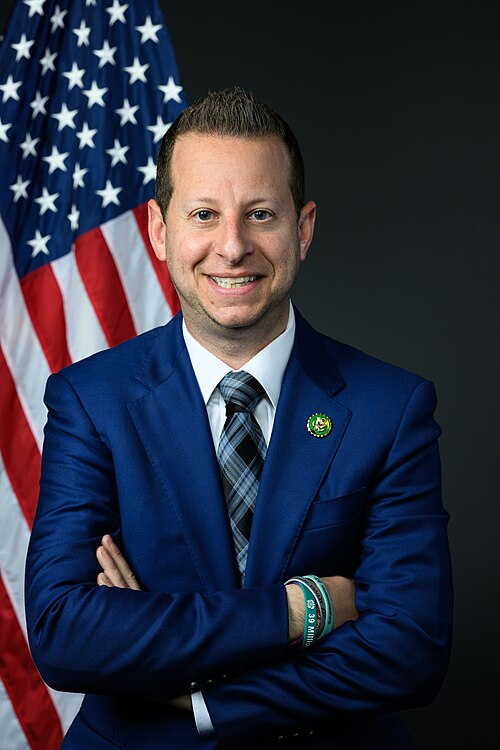
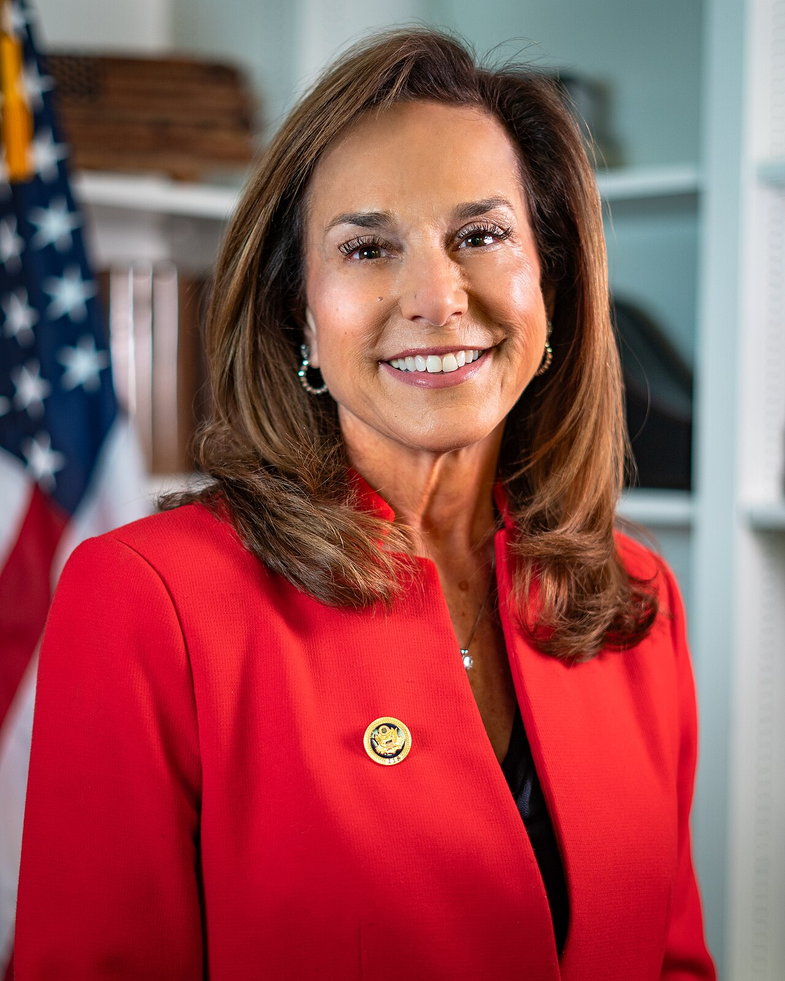
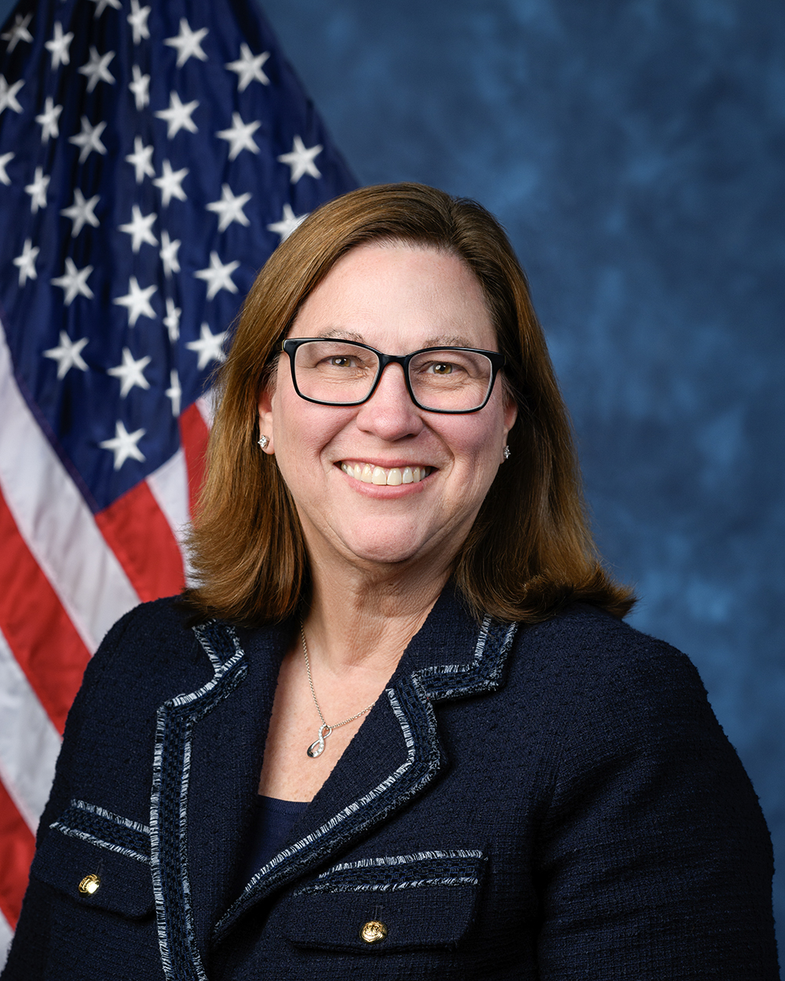
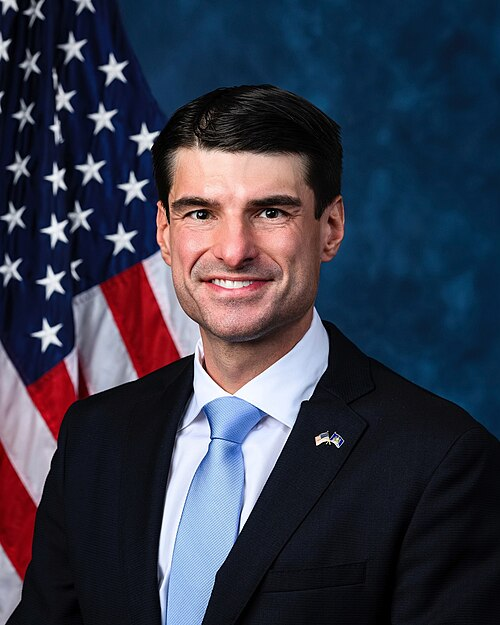
3 bill sponsors


Actions
2 actions
| Date | Action |
|---|---|
| Apr. 30, 2026 | Introduced in House |
| Apr. 30, 2026 | Referred to the Committee on Energy and Commerce, and in addition to the Committee on Ways and Means, for a period to be subsequently determined by the Speaker, in each case for consideration of such provisions as fall within the jurisdiction of the committee concerned. |
Corporate Lobbying
0 companies lobbying
None found.
* Note that there can be significant delays in lobbying disclosures, and our data may be incomplete.