S. 5265: Use Sovereignty To reduce Rx Act
This bill would create a new federal trade role focused on pharmaceutical issues and would direct the United States Trade Representative (USTR) to take a more active approach toward foreign government drug pricing policies.
What the bill is trying to address
The bill says that some high-income countries use government policies that keep prescription drug prices artificially low. In the bill’s view, those policies reduce returns for U.S.-based drug innovation and shift more of the cost of developing new medicines onto the United States.
New pharmaceutical trade negotiator
The bill would add a Chief Pharmaceutical Trade Negotiator within the USTR structure. This official would be responsible for:
- Conducting trade negotiations related to U.S. pharmaceutical products
- Enforcing trade agreements that affect U.S. drug products
- Taking action against policies or practices in high-income countries that significantly limit market access for U.S. pharmaceutical manufacturers
- Working with the Chief Intellectual Property Negotiator when appropriate
In practical terms, this would create a dedicated official focused on pharmaceutical market access and trade disputes involving drug pricing and reimbursement systems abroad.
Annual review of foreign drug policies
The bill would require USTR to make and update a list of countries classified as high income by the World Bank. For each of those countries, USTR would have to produce an annual report describing that country’s policies and practices related to pharmaceutical trade.
The report would have to assess whether those policies:
- Are fair, non-discriminatory, and transparent
- Are market-based or properly reflect the value of innovative medicines
- Deny U.S. products reciprocal market access
- Reduce incentives for innovation in ways that delay or block new medicines from reaching the U.S. market
- Violate or conflict with trade agreements
- Place an unjustified or discriminatory burden on U.S. commerce
The report would also describe any U.S. response already taken to previously identified problems, including possible actions under the Trade Act of 1974.
Required response plan for harmful foreign practices
If USTR decides that a high-income country’s drug-related policy meets one of the bill’s concern criteria, USTR would have to submit a response plan to congressional committees within 30 days. That plan could include starting a formal trade investigation under the Trade Act of 1974.
Overall effect
Overall, the bill would not directly change U.S. drug prices or create a new domestic pricing system. Instead, it would set up a stronger U.S. trade-policy process aimed at foreign drug-pricing and reimbursement rules, with the goal of pushing high-income countries to change policies that the bill says reduce returns for U.S. pharmaceutical innovation.
Relevant Companies
- PFE - Pfizer could be affected because the bill targets foreign pricing and reimbursement policies that influence global sales of branded pharmaceuticals.
- MRK - Merck could be affected through trade pressure on foreign governments over access and pricing for innovative medicines.
- LLY - Eli Lilly could be affected if foreign market-access rules change for higher-priced innovative drugs.
- BMY - Bristol Myers Squibb could be affected by changes in foreign reimbursement or market-access negotiations.
- AMGN - Amgen could be affected if the U.S. uses trade tools to challenge foreign pharmaceutical pricing controls.
- REGN - Regeneron could be affected by policy changes aimed at improving overseas access and pricing for innovative biologic medicines.
- VRTX - Vertex could be affected if foreign countries are pressured to revise reimbursement policies for innovative treatments.
This is an AI-generated summary of the bill text. There may be mistakes.
Sponsors
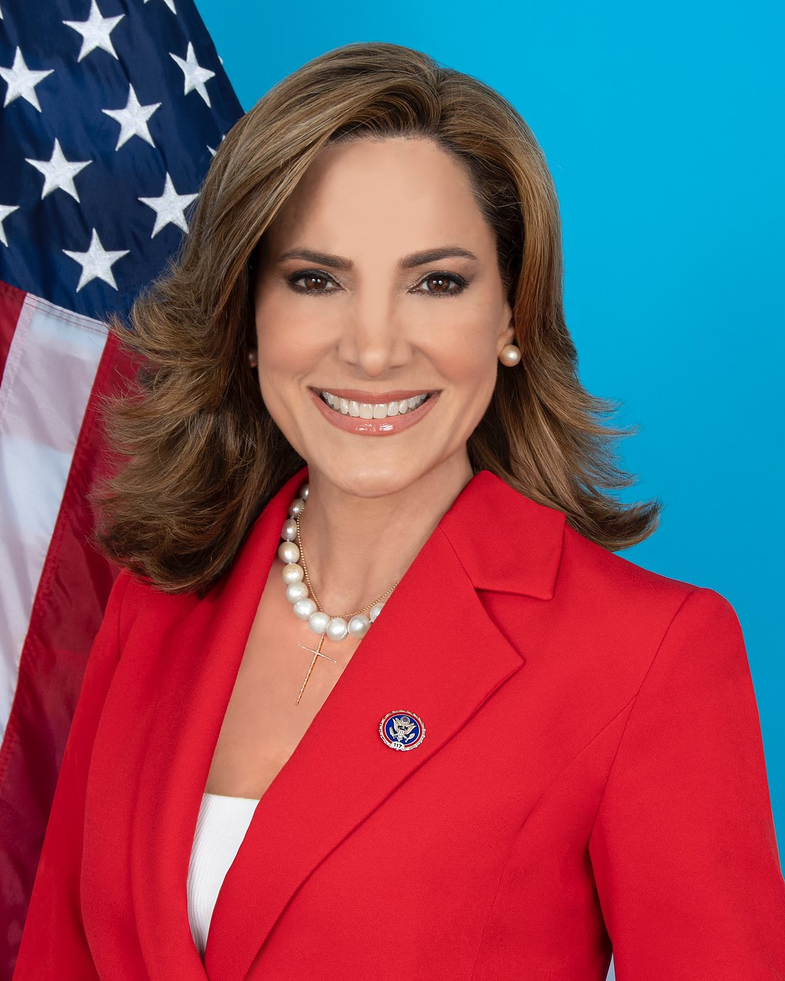
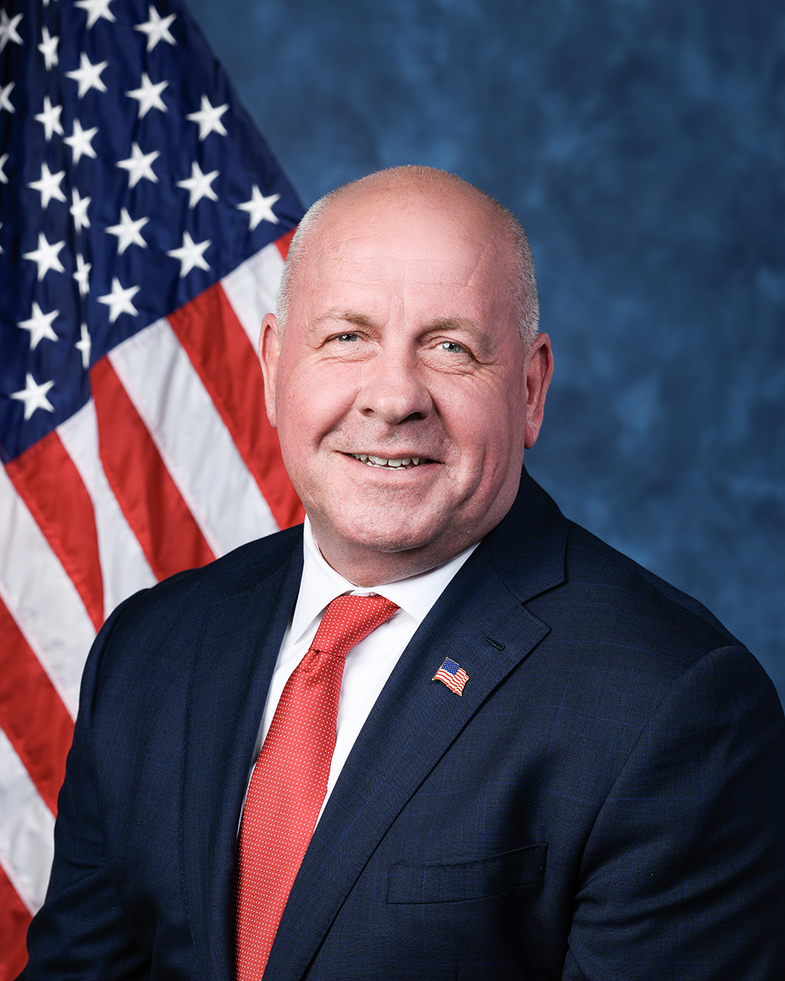
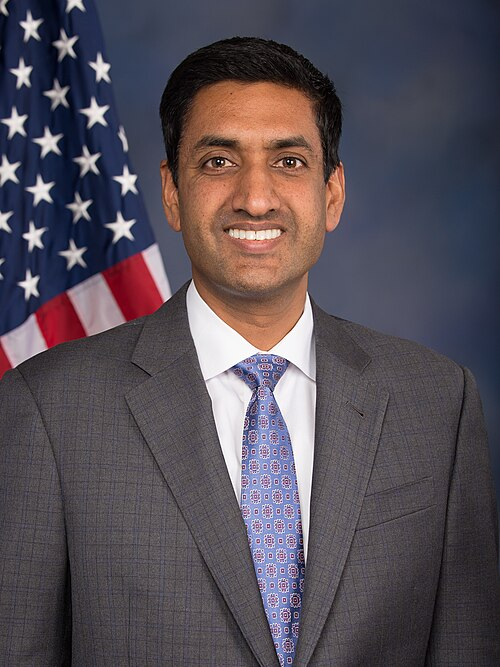
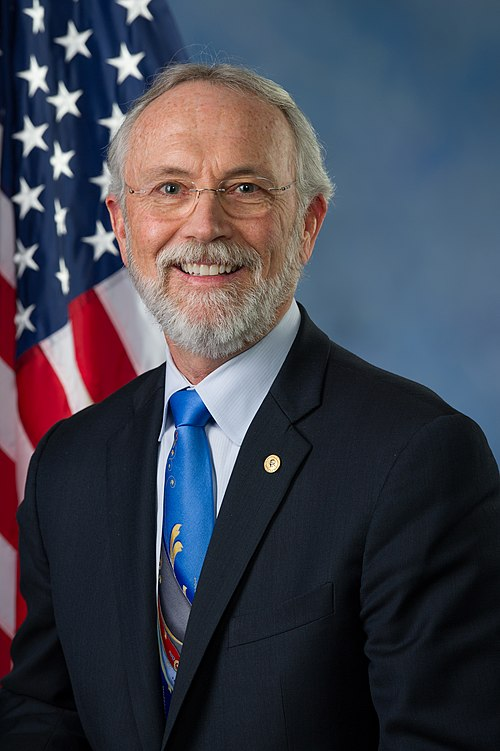
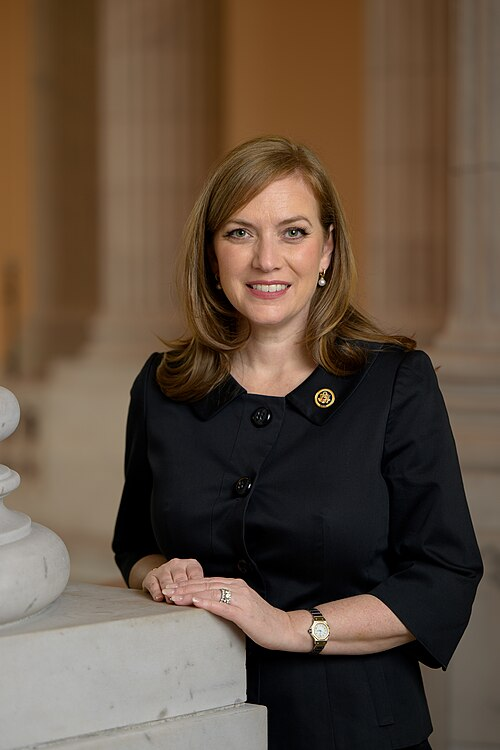
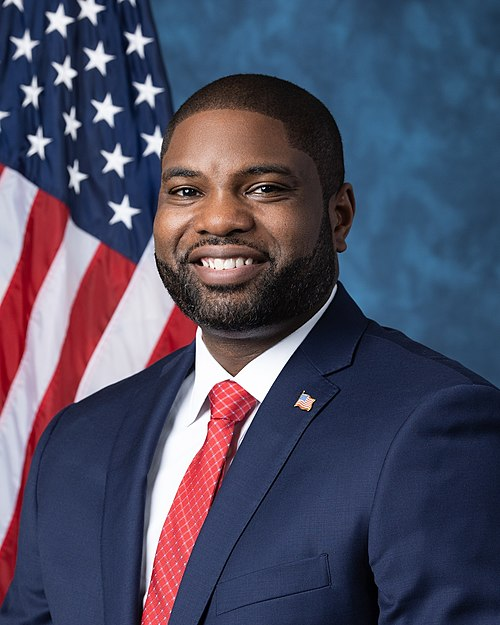
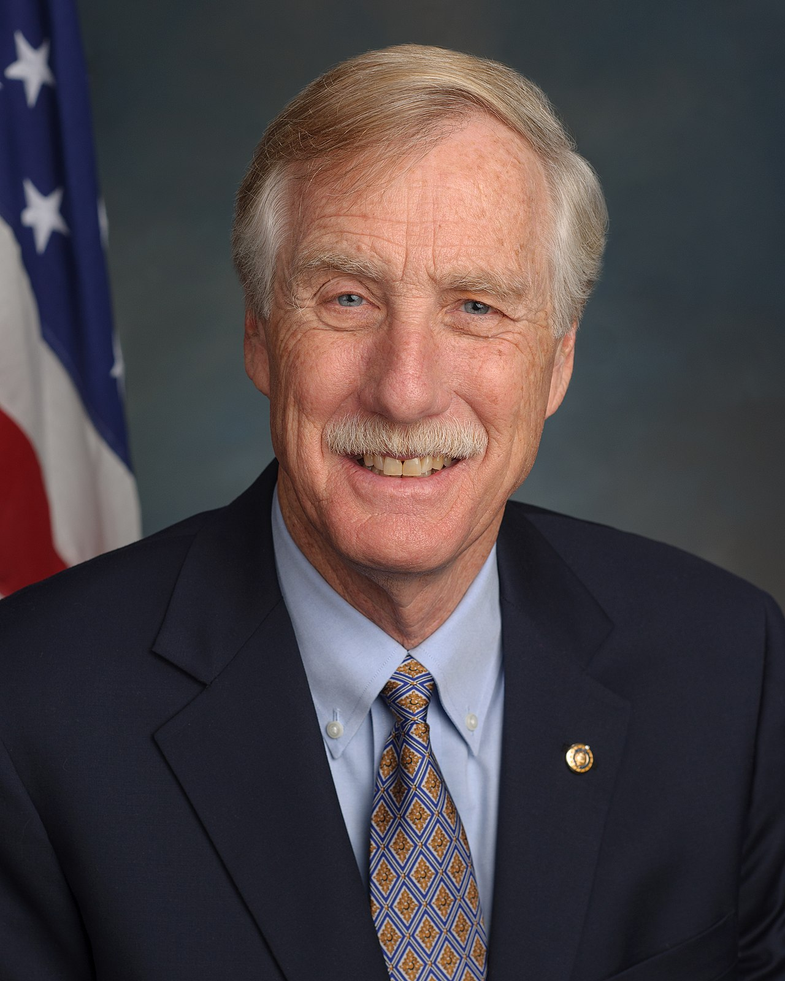
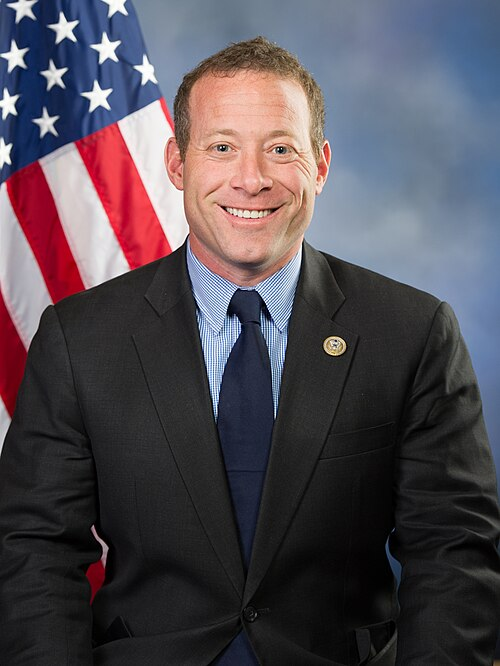
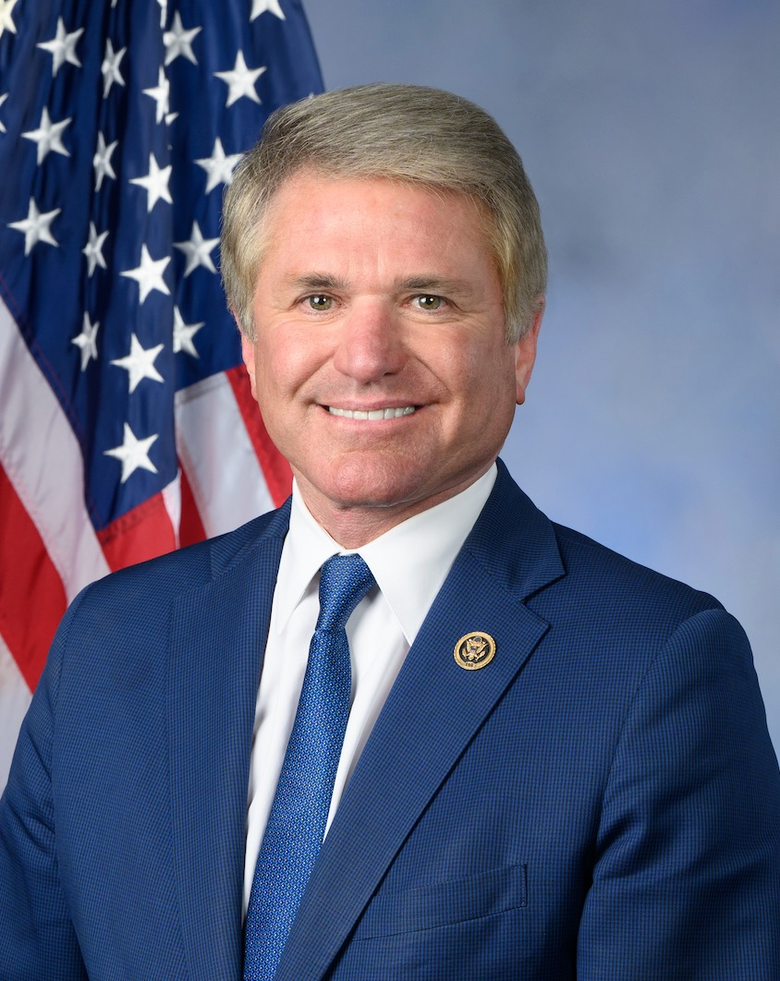
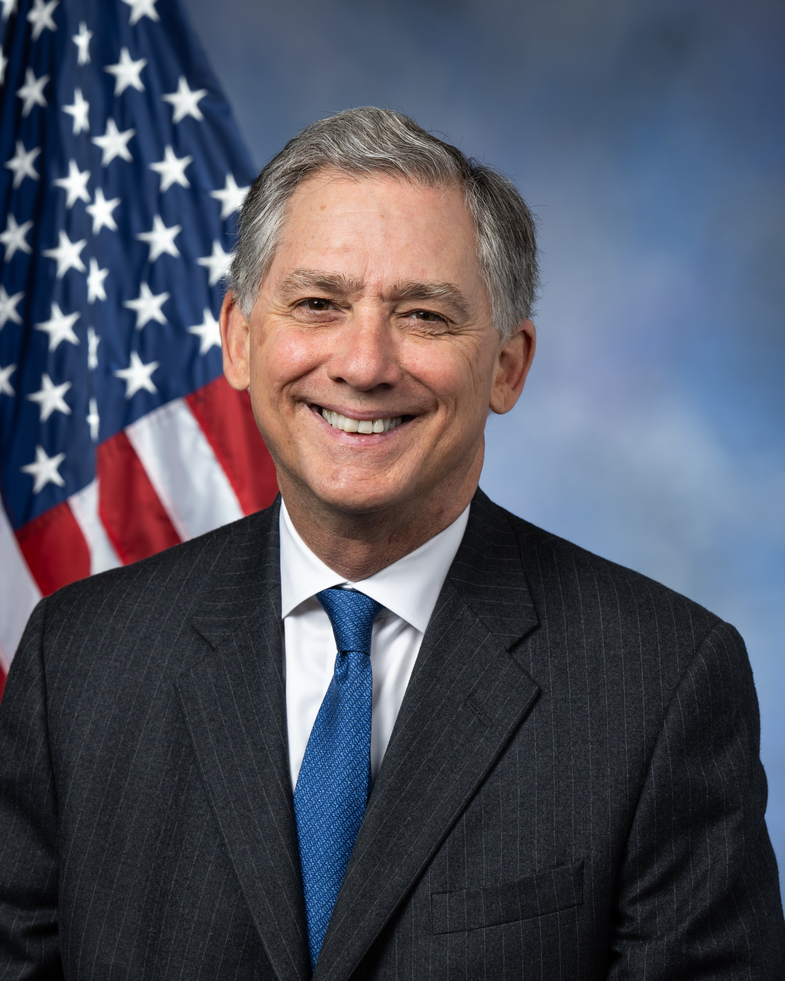
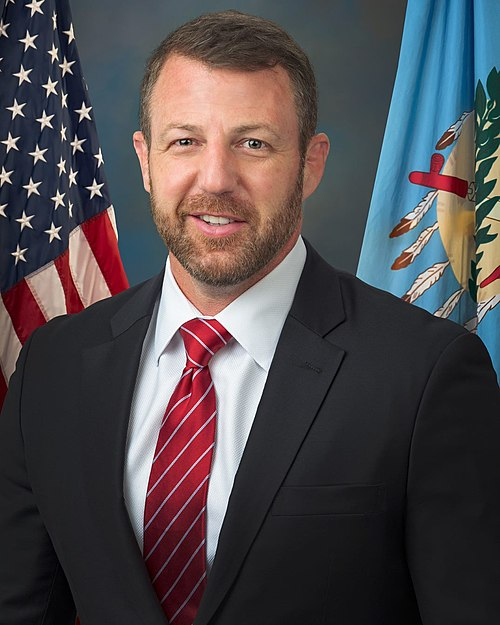
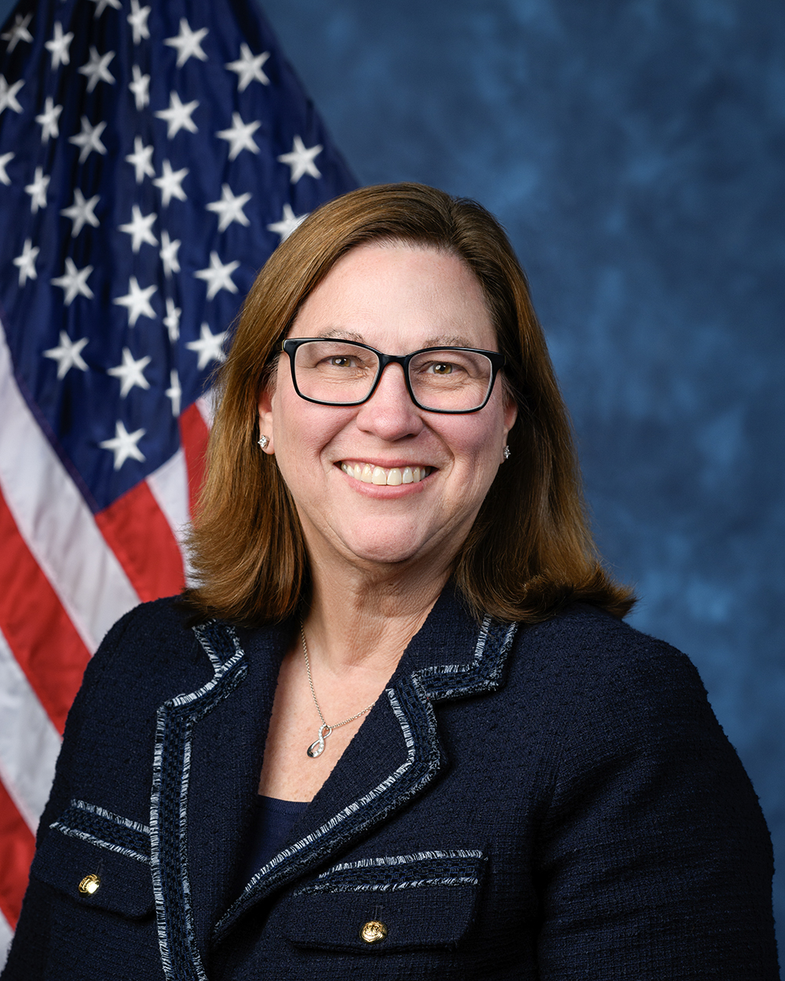
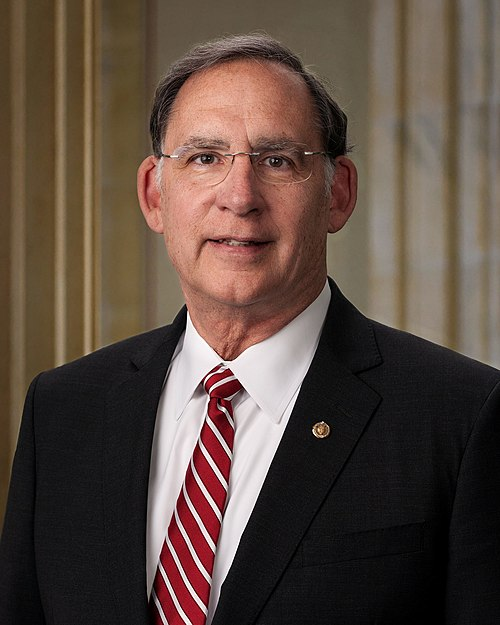
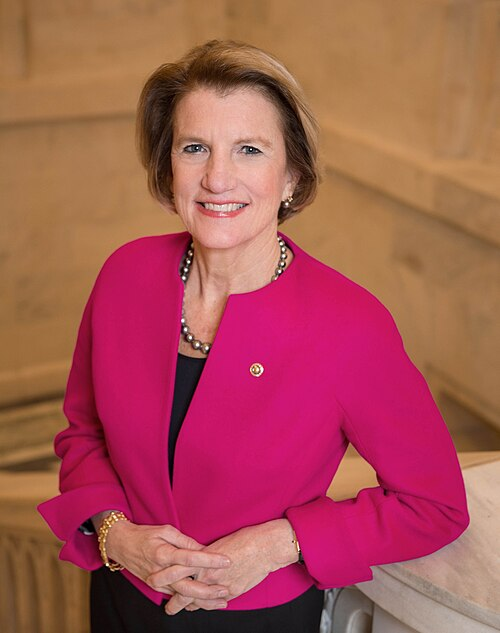
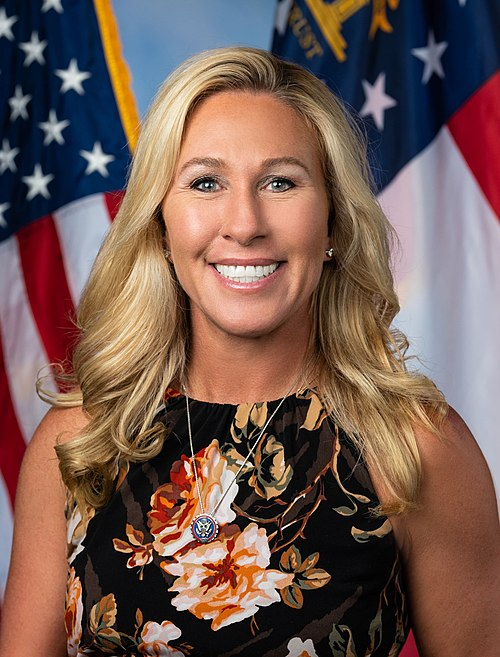
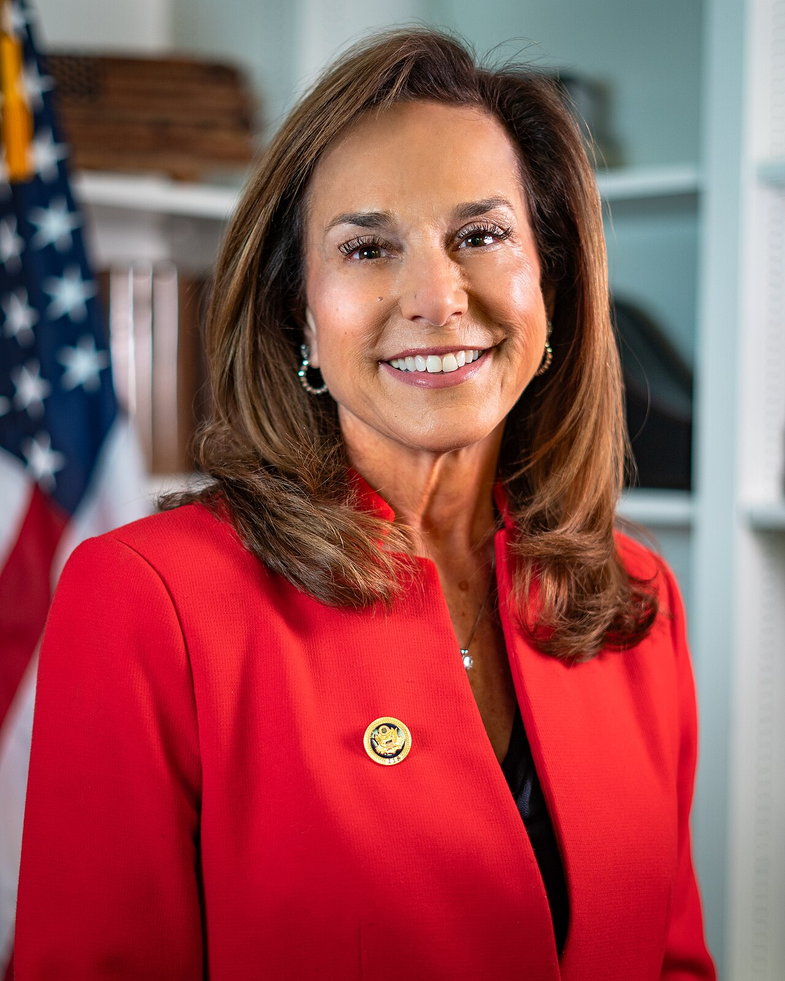
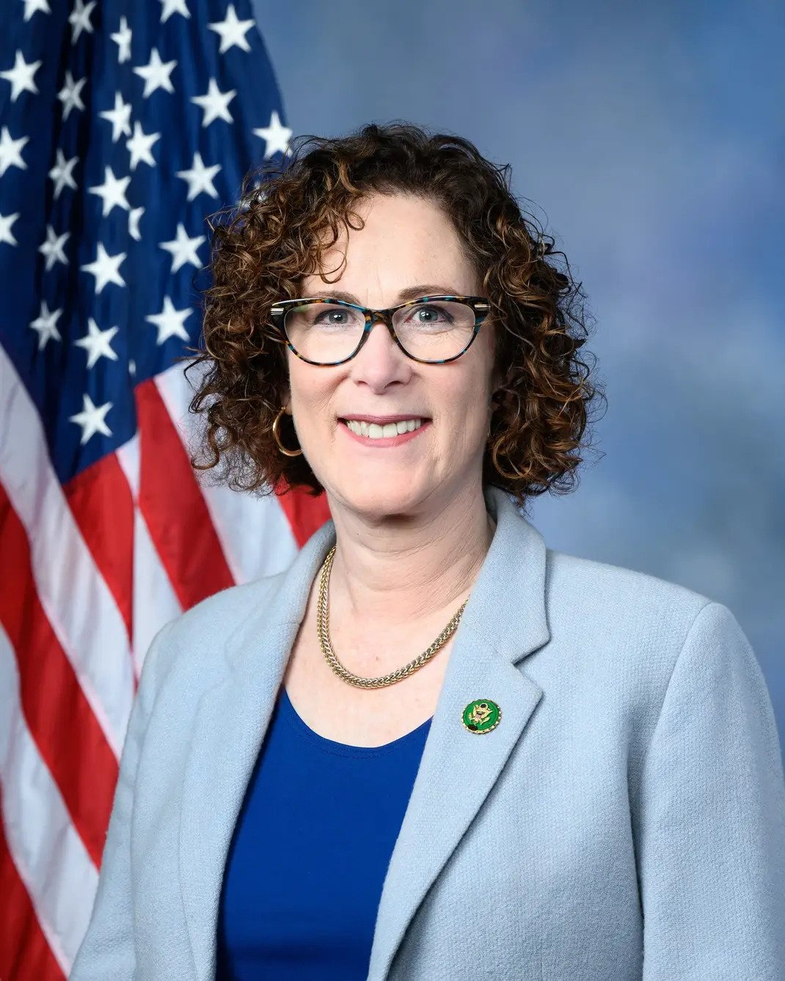
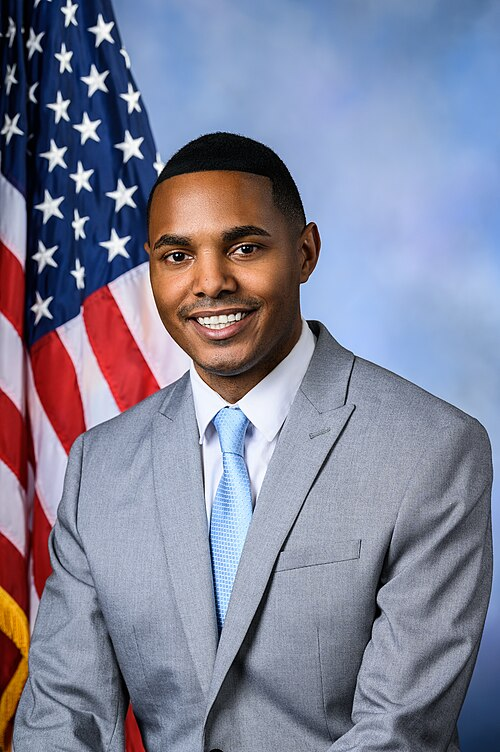
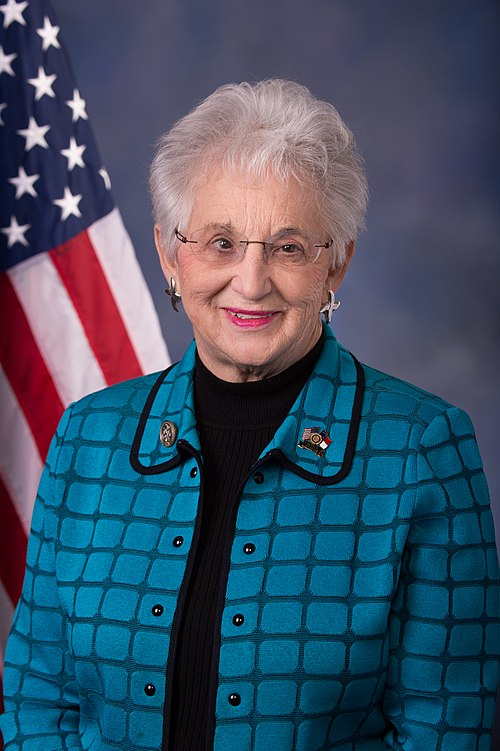
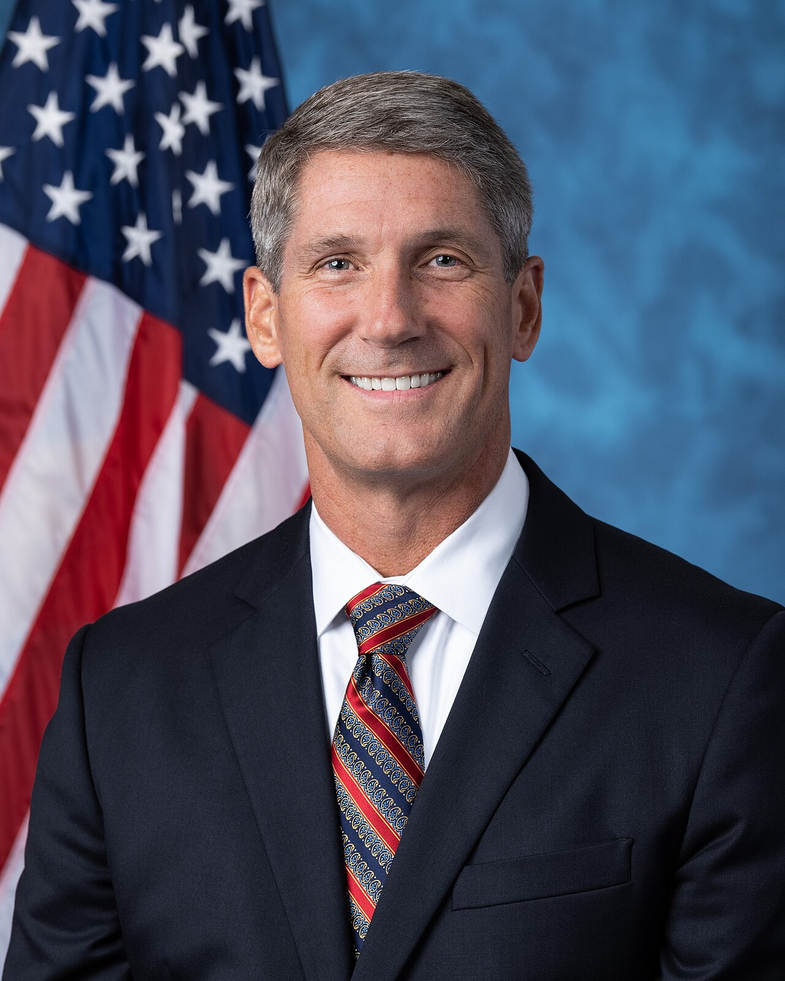
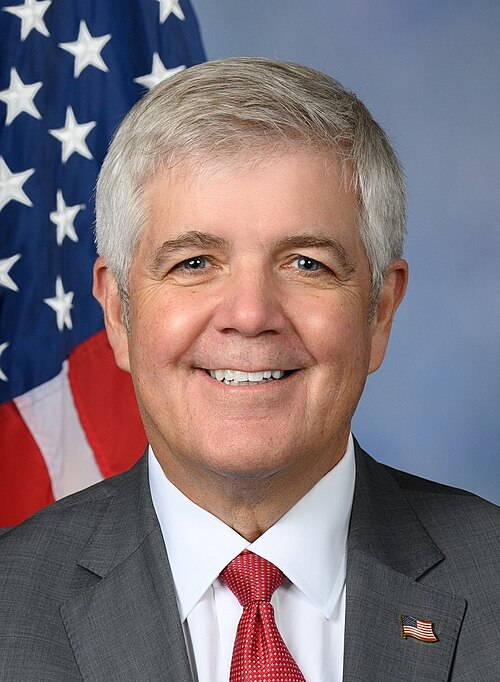
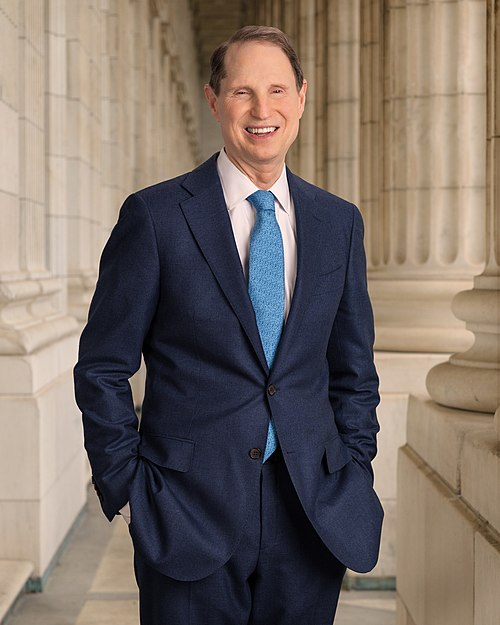
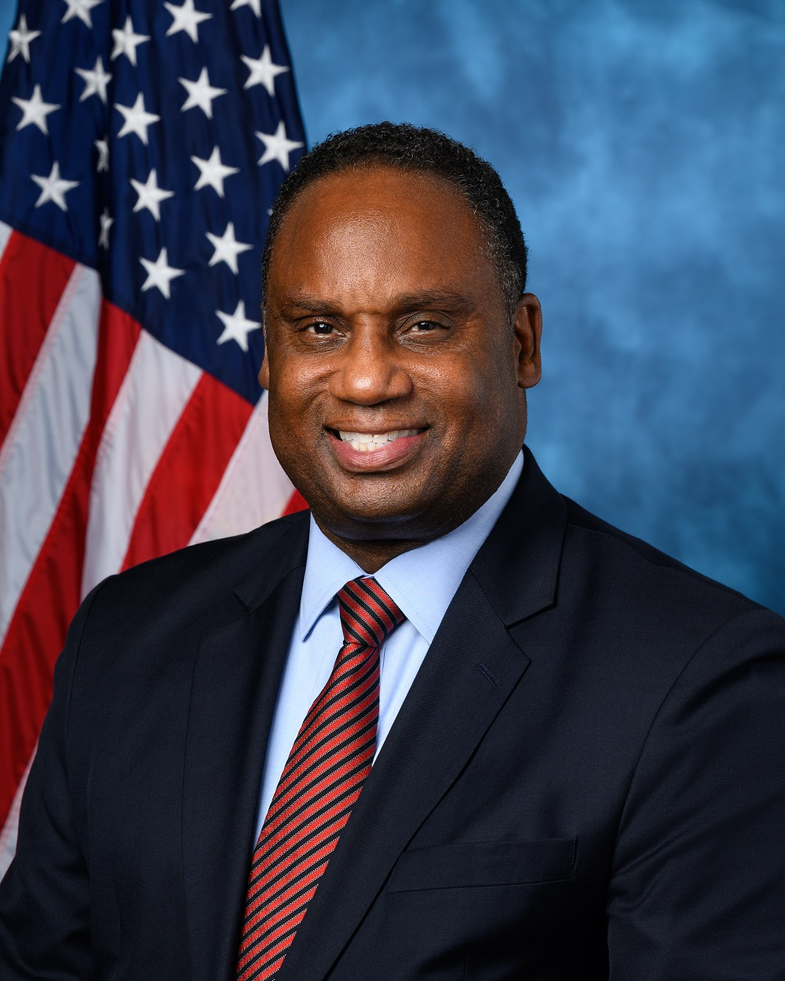
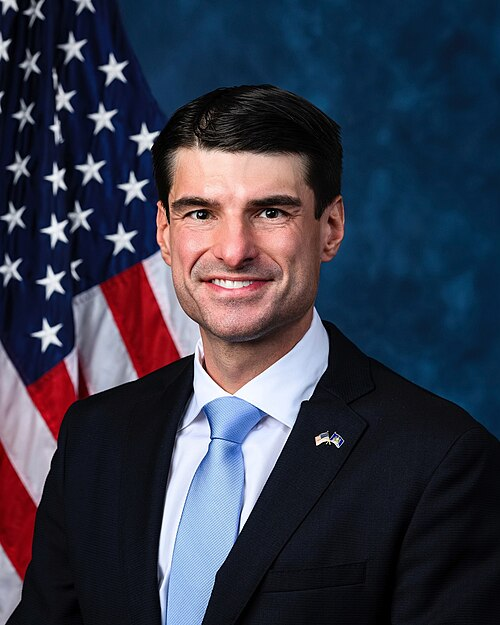
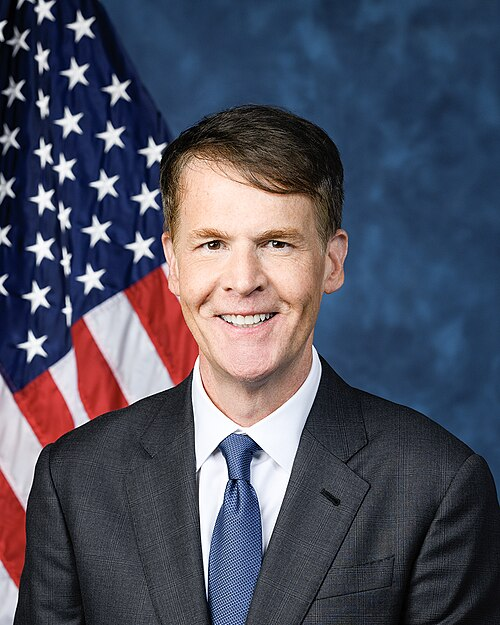
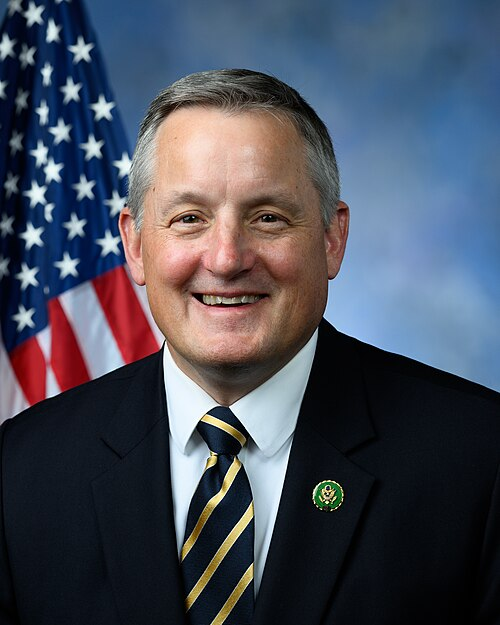
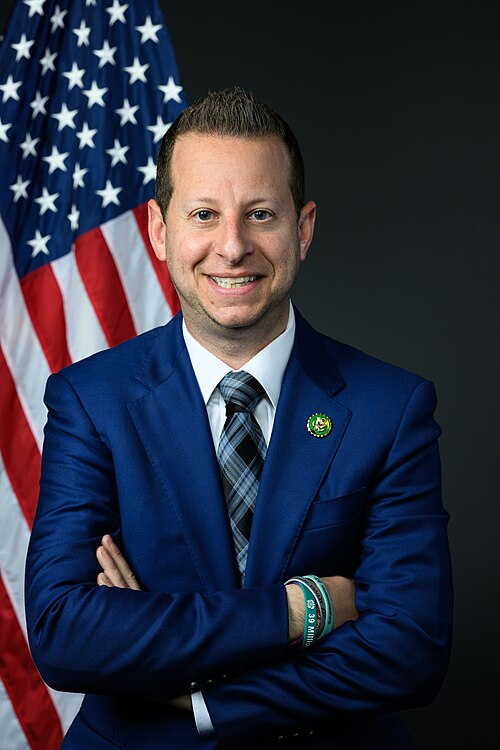
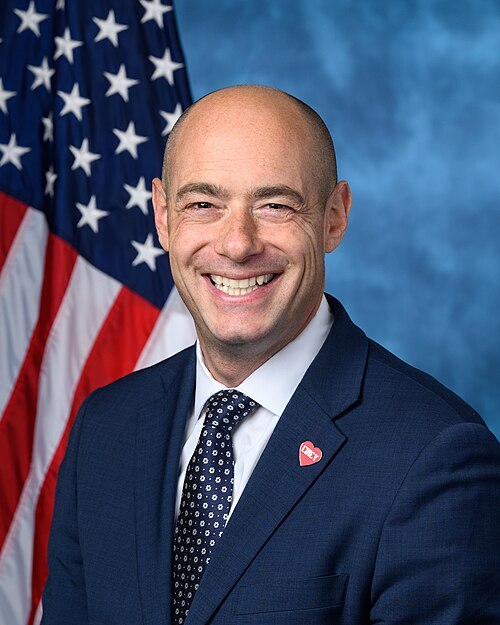
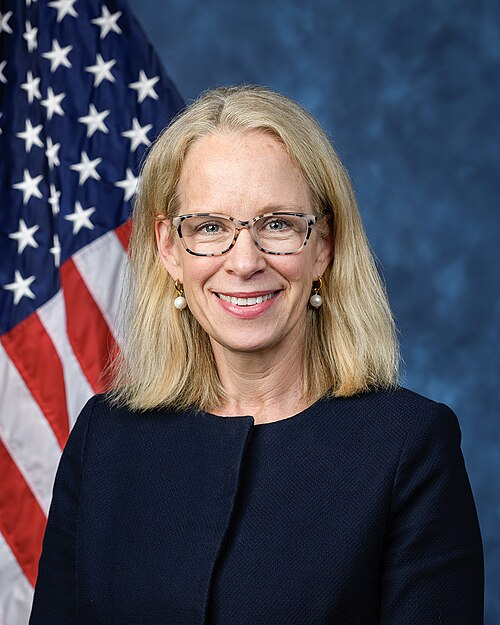
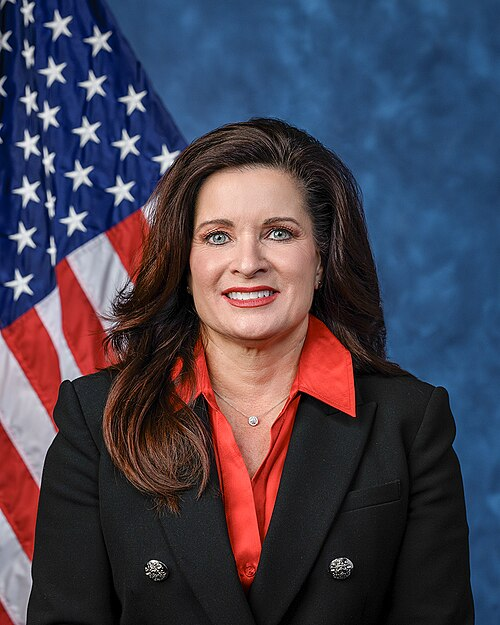
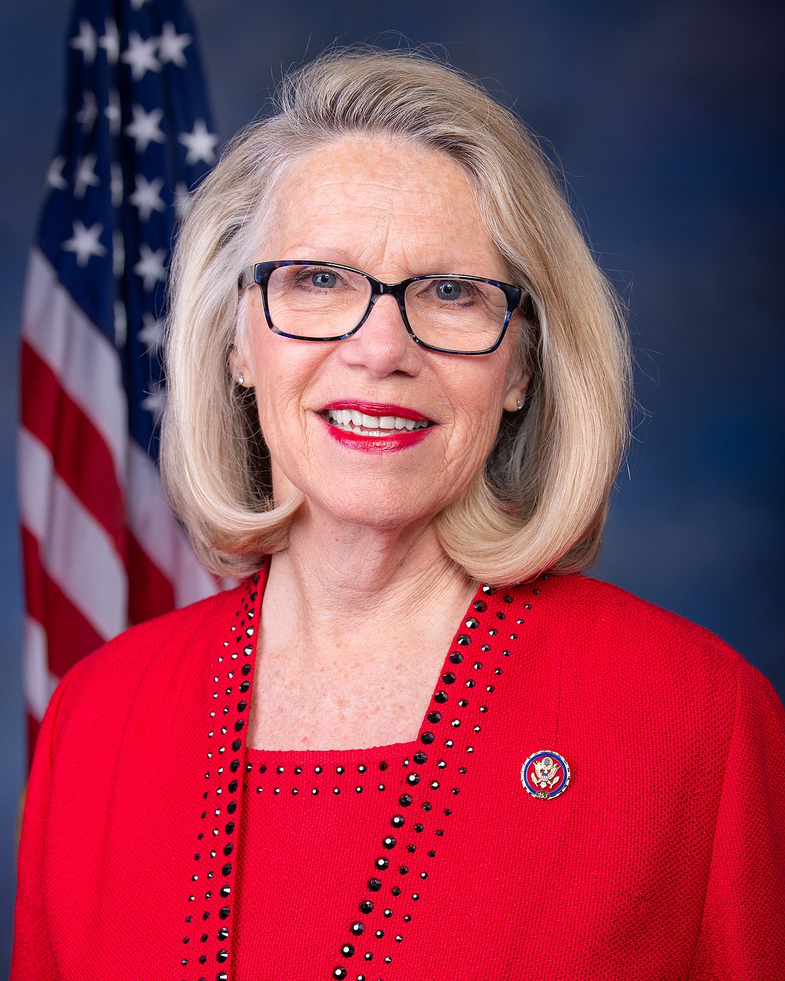
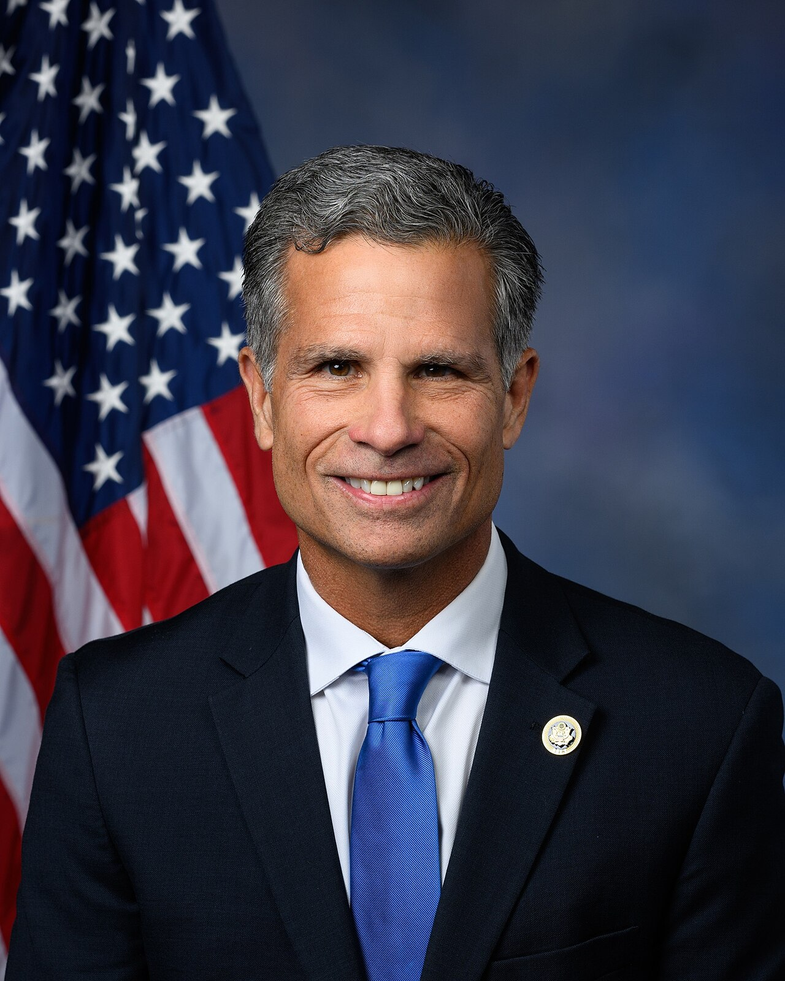
3 bill sponsors
Actions
2 actions
| Date | Action |
|---|---|
| Aug. 05, 2026 | Introduced in Senate |
| Aug. 05, 2026 | Read twice and referred to the Committee on Finance. |
Corporate Lobbying
0 companies lobbying
None found.
* Note that there can be significant delays in lobbying disclosures, and our data may be incomplete.