H.R. 10303: Flight Logistics Initiative to Gain Heightened Travel Data and Enhance Communication Knowledge Act
This bill would require the Federal Aviation Administration (FAA) to create a voluntary flight deck training program for certain FAA employees, specifically certified air traffic controllers, within one year of enactment.
What the program would do
The program would let participating air traffic controllers sit on the flight deck during flights on voluntarily participating:
- commercial passenger aircraft
- air cargo aircraft
- powered lift aircraft
- general aviation aircraft
The purpose is to help controllers better understand the kinds of demands and procedures flight crews deal with onboard.
How participation would work
- Only certified air traffic controllers would be eligible.
- Participants could ride on at least one round trip between airports in the U.S. mainland, Alaska, Hawaii, and U.S. territories.
- Participation would be subject to management approval and operational/staffing needs.
- The bill would not authorize reimbursement for expenses such as per diem or mileage.
- Time spent participating would count as on-duty work time.
FAA responsibilities
The FAA Administrator would have to issue the policies needed to run the program, and would do so in consultation with labor organizations representing airline pilots, flight crews, and air traffic controllers.
Safety and access rules
The FAA could add extra ticketing and security-clearance requirements if needed to help ensure safety for pilots, crew, and passengers. The bill also makes clear that airlines or other aircraft operators would not be required to move or replace an off-duty pilot using an available flight deck seat for work travel in order to make room for this training program.
Report to Congress
Within one year after the program is set up, the FAA would have to report to Congress on:
- how many air traffic controllers participated
- what kinds of aircraft were used
- what barriers limited participation for controllers or airlines
- recommendations for increasing participation
Relevant Companies
- UAL — United Airlines could be indirectly affected if its aircraft are used for the voluntary training rides.
- DAL — Delta Air Lines could be indirectly affected if its aircraft are used for the voluntary training rides.
- AAL — American Airlines could be indirectly affected if its aircraft are used for the voluntary training rides.
- LUV — Southwest Airlines could be indirectly affected if its aircraft are used for the voluntary training rides.
- JBLU — JetBlue Airways could be indirectly affected if its aircraft are used for the voluntary training rides.
- ALK — Alaska Air Group could be indirectly affected if its aircraft are used for the voluntary training rides.
- HA — Hawaiian Holdings could be indirectly affected if its aircraft are used for the voluntary training rides.
This is an AI-generated summary of the bill text. There may be mistakes.
Sponsors
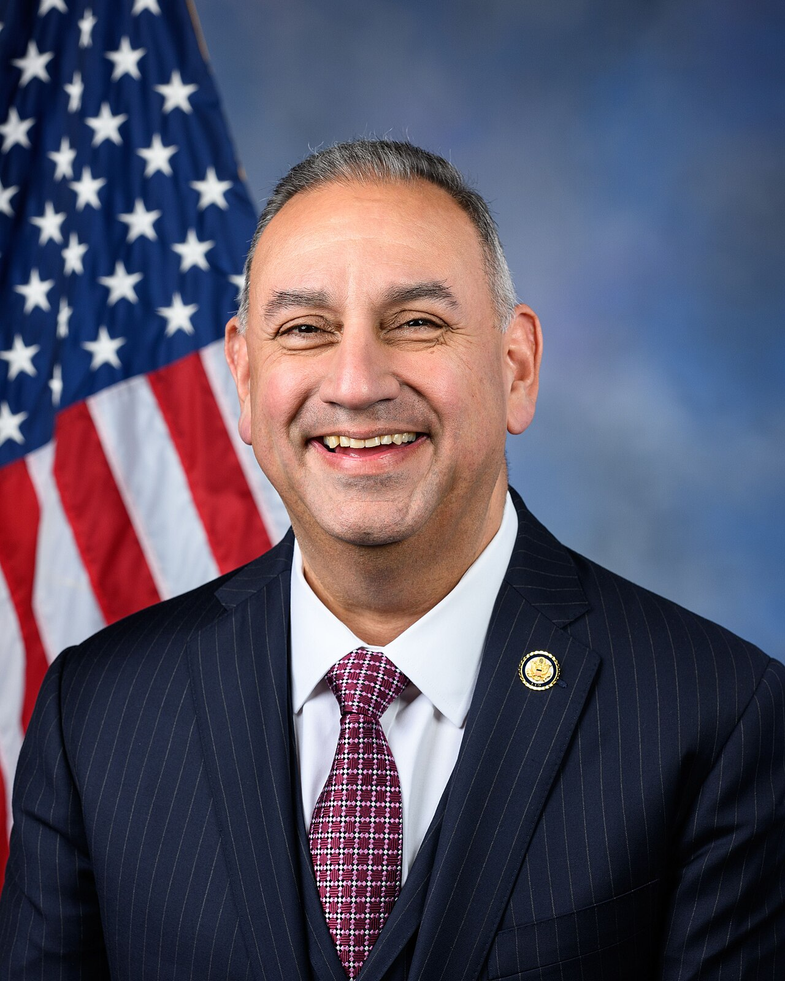
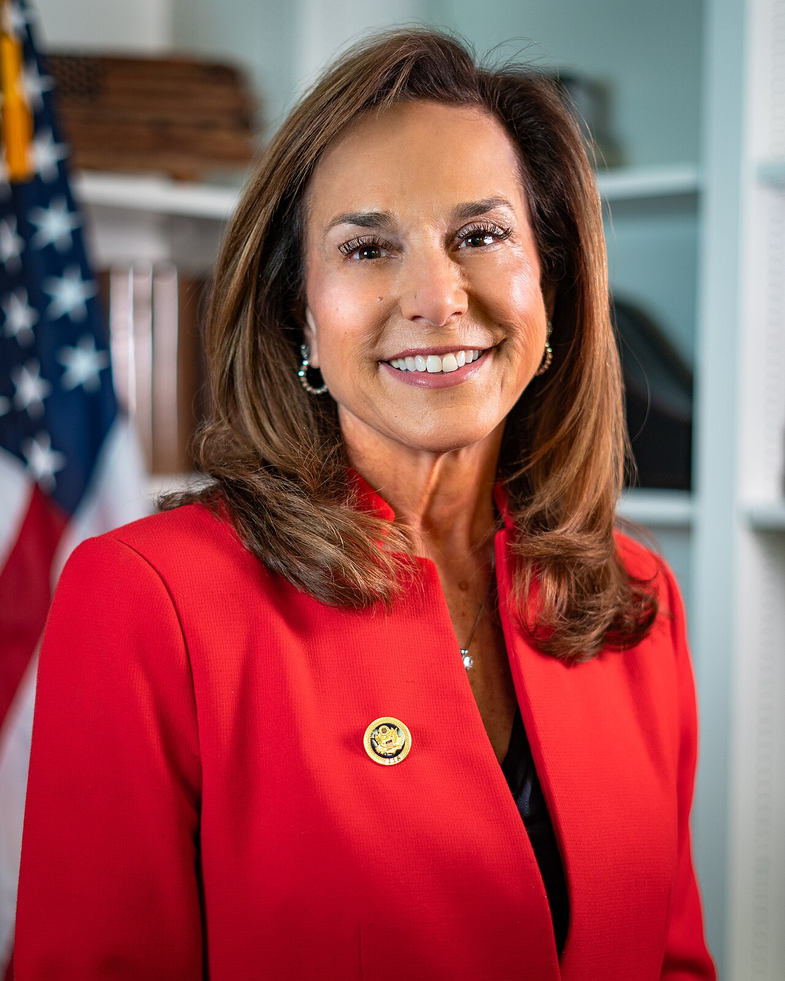
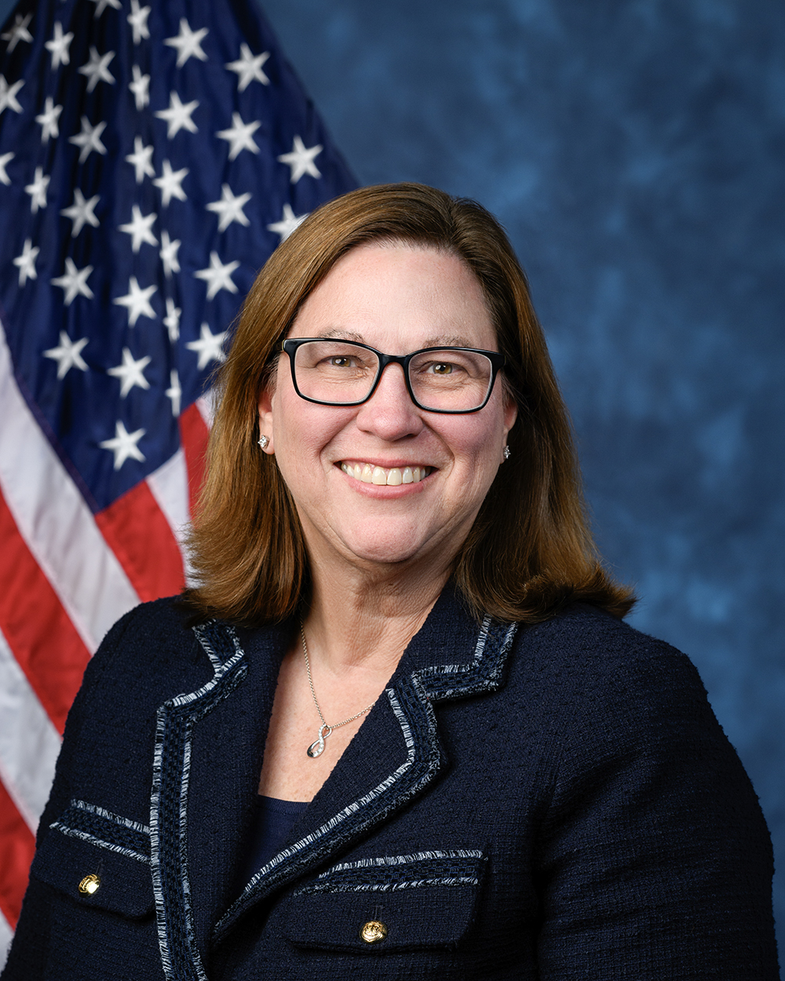
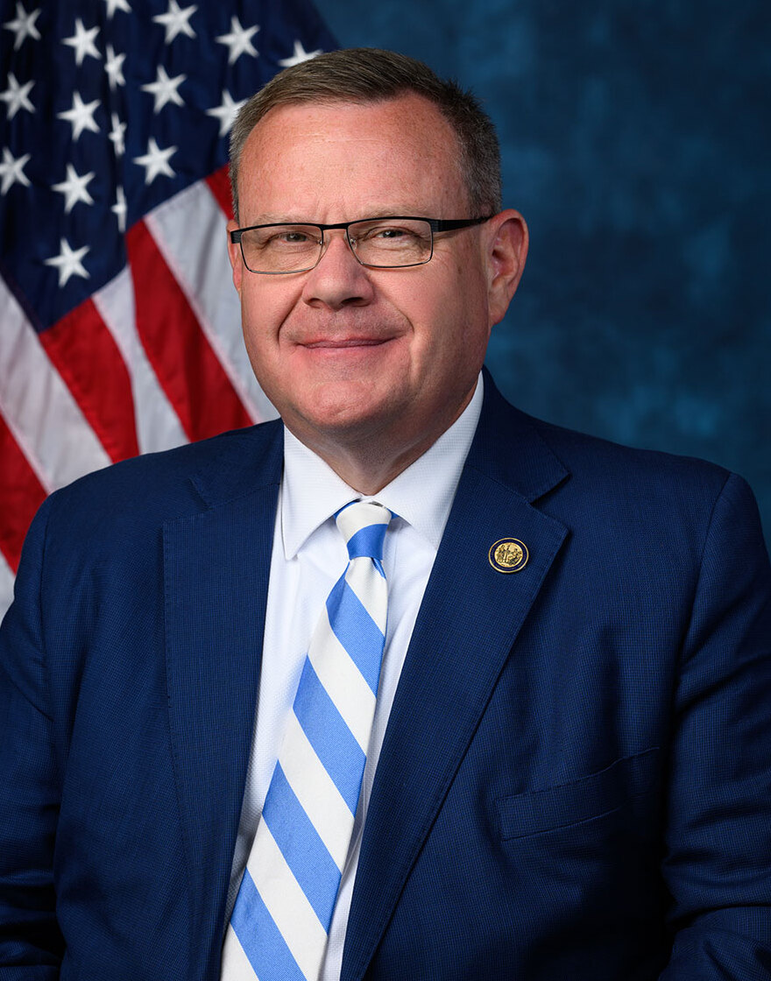
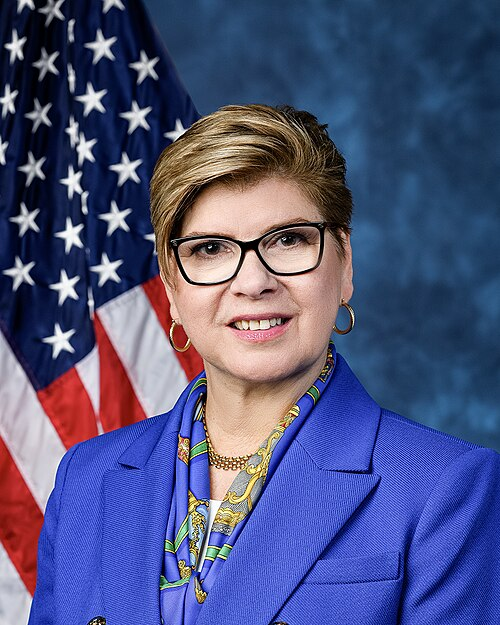
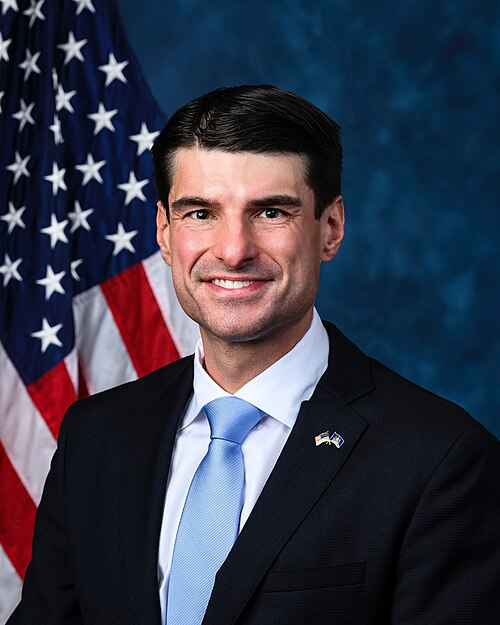
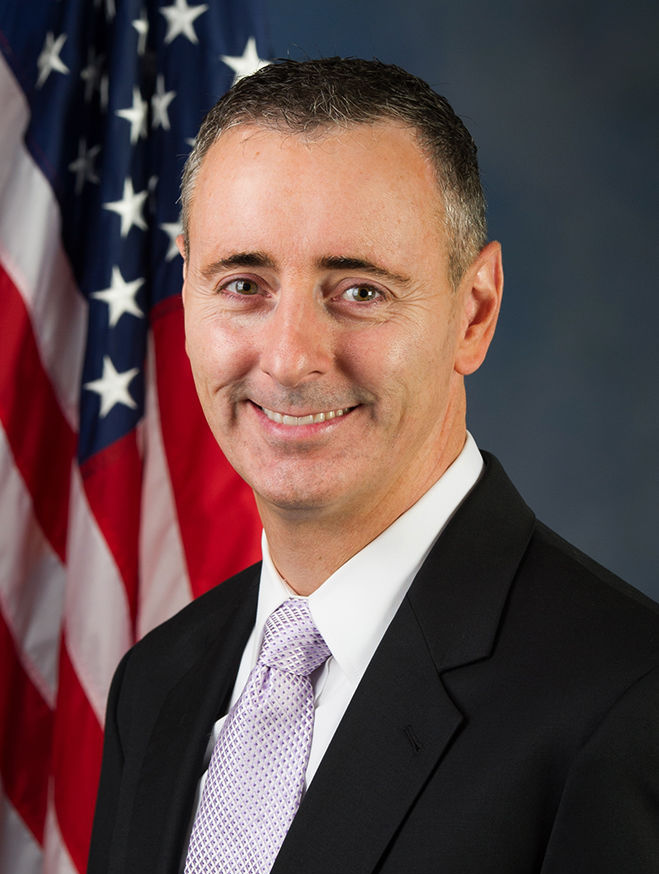
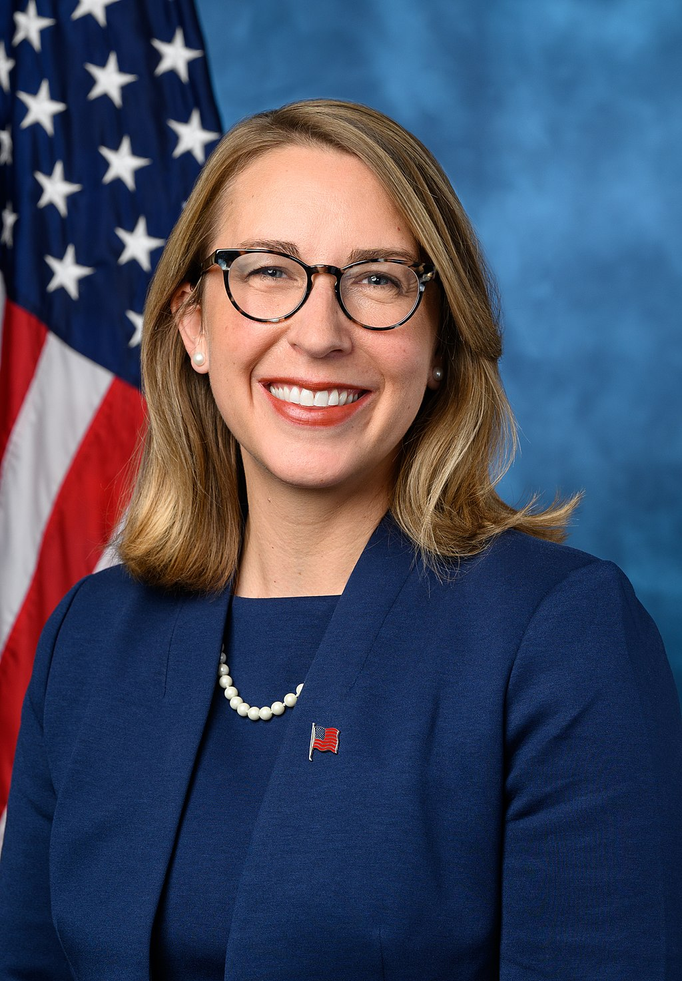
4 bill sponsors
Actions
2 actions
| Date | Action |
|---|---|
| Sep. 04, 2026 | Introduced in House |
| Sep. 04, 2026 | Referred to the House Committee on Transportation and Infrastructure. |
Corporate Lobbying
0 companies lobbying
None found.
* Note that there can be significant delays in lobbying disclosures, and our data may be incomplete.