S. 5316: Biotech Investment National Security Act of 2026
This bill would expand the federal government’s outbound investment screening rules to cover biotechnology. In practical terms, it would treat certain biotechnology-related transactions as either prohibited or notifiable when they involve foreign persons, especially those tied to China.
What changes it makes
- It amends the Defense Production Act rules that govern certain overseas investment and technology transfer transactions.
- It adds biotechnology to the list of covered areas, alongside other sensitive technologies already subject to review.
- It specifically includes:
- pharmaceutical products,
- biological products, and
- therapeutic compounds, including drug discovery platforms, clinical R&D capabilities, biologics manufacturing, and related intellectual property or know-how.
- It also treats the licensing of prohibited technology from a covered foreign person as a covered transaction.
What kinds of deals could be affected
The bill directs the Treasury Department to write rules defining the biotechnology area more precisely within one year. In doing so, Treasury would need to pay close attention to:
- licensing of intellectual property,
- drug discovery platforms,
- clinical development capabilities,
- biologics manufacturing know-how,
- joint ventures, and
- equity investments.
The bill says these categories should be considered priority areas for both the “prohibited” and “notifiable” lists.
Limits on the new definition
The bill says Treasury should not define biotechnology so broadly that it would include:
- agricultural biotechnology,
- industrial fermentation unrelated to pharmaceutical or therapeutic production, or
- basic academic research that does not have direct pharmaceutical or therapeutic application.
Other required government actions
- Within 60 days of enactment, the Secretary of Defense must report to Congress on whether U.S. capital flows into China’s biotechnology sector harm U.S. national security or military readiness.
- The report can be unclassified, but may include a classified annex.
Overall effect
In layman’s terms, the bill would make it harder for U.S. money, technology, and expertise to flow into foreign biotechnology companies in ways the government views as risky to national security, particularly when those transactions could support Chinese biotech firms. It would also give the Treasury Department authority to draw the detailed lines around what counts as biotechnology for these investment-screening rules.
Relevant Companies
- AMGN - Amgen could be affected if its partnerships, licensing arrangements, or investments involve covered biotechnology transactions with foreign persons.
- GILD - Gilead Sciences could be affected by restrictions or reporting requirements related to biotech licensing or collaboration deals.
- BIIB - Biogen could be affected if cross-border licensing or joint ventures fall within the bill’s expanded biotechnology scope.
- REGN - Regeneron could face added review for overseas biotech investments, IP licensing, or manufacturing-related transactions.
- VRTX - Vertex Pharmaceuticals could be affected if its drug discovery platforms or therapeutic IP are involved in covered foreign transactions.
- MRNA - Moderna could be affected by restrictions on biotechnology licensing, biologics know-how, or clinical development partnerships.
- BNTX - BioNTech could be affected if cross-border licensing or development agreements are treated as covered biotechnology transactions.
- ILMN - Illumina could be affected indirectly if sequencing-related biotech collaborations or technology transfers are deemed within scope, depending on Treasury rules.
This is an AI-generated summary of the bill text. There may be mistakes.
Sponsors
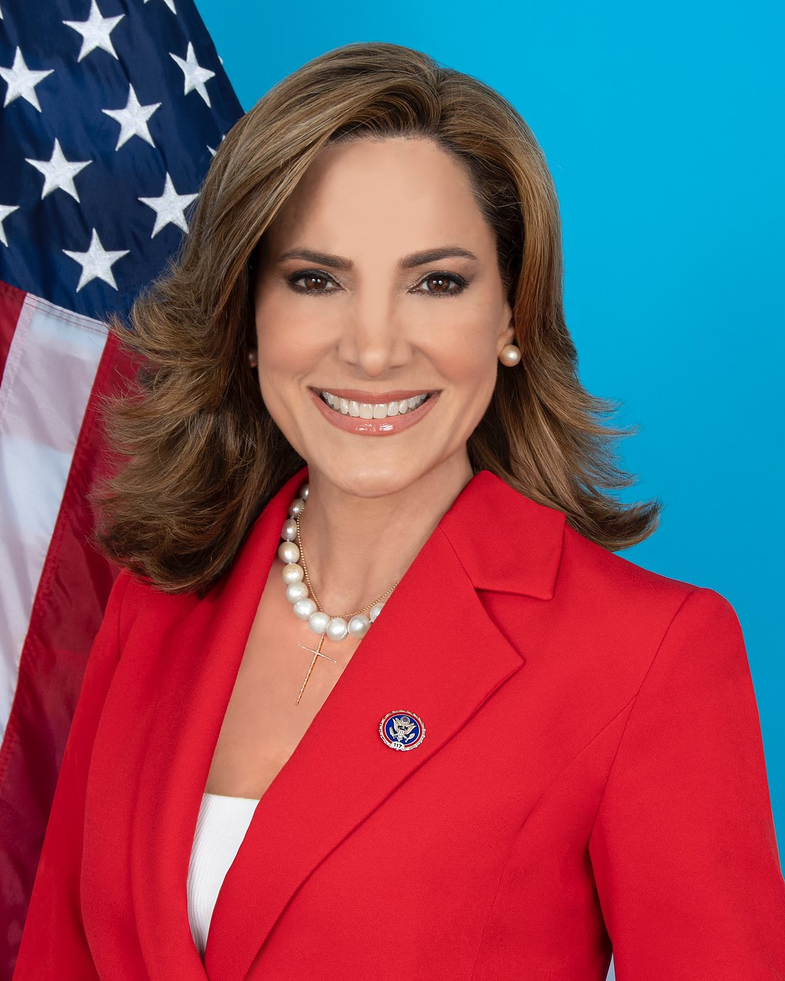
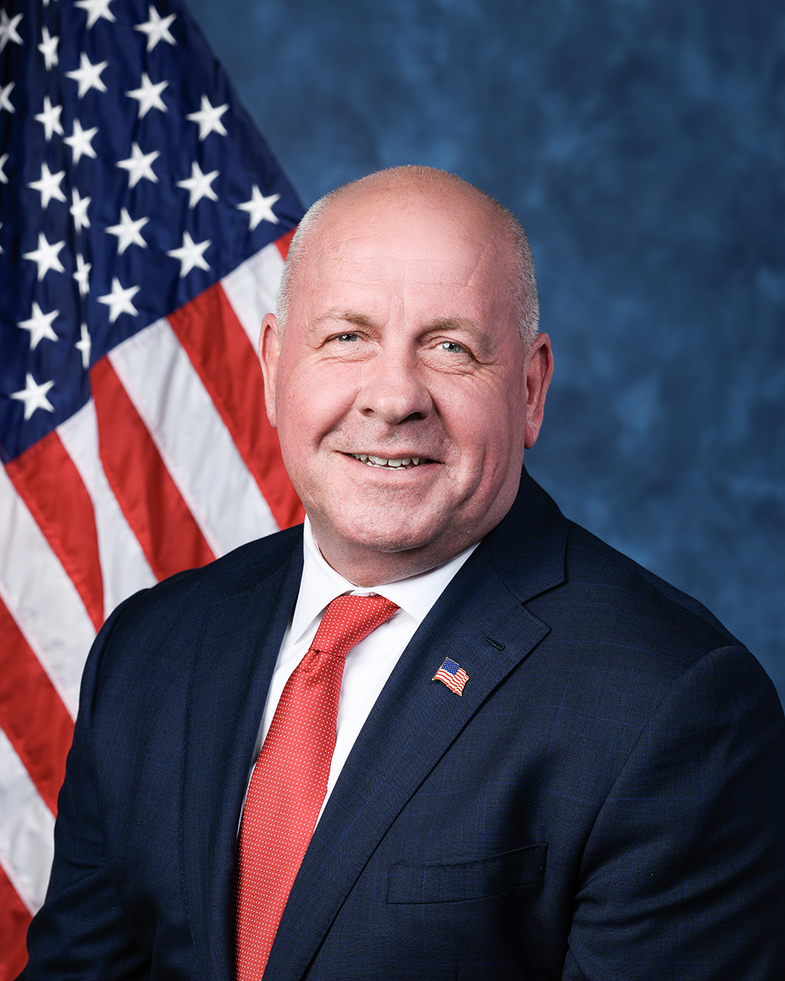
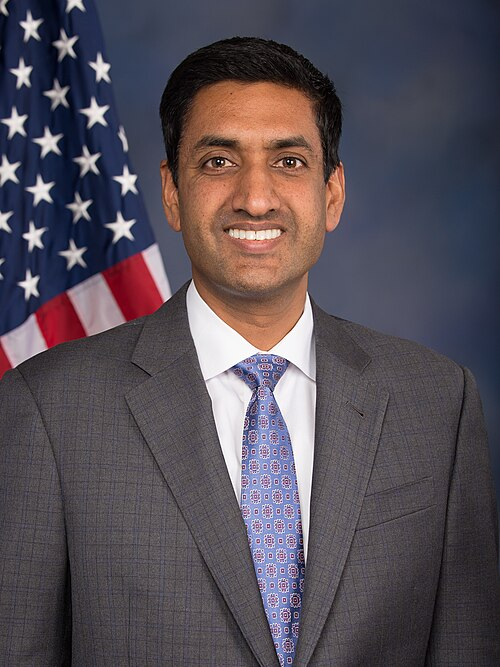
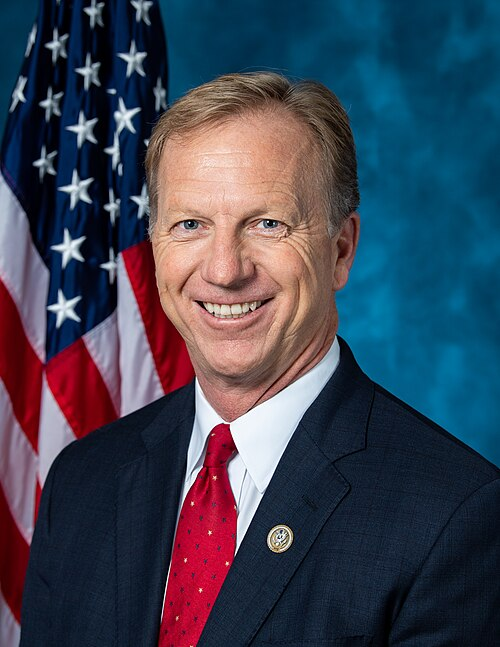
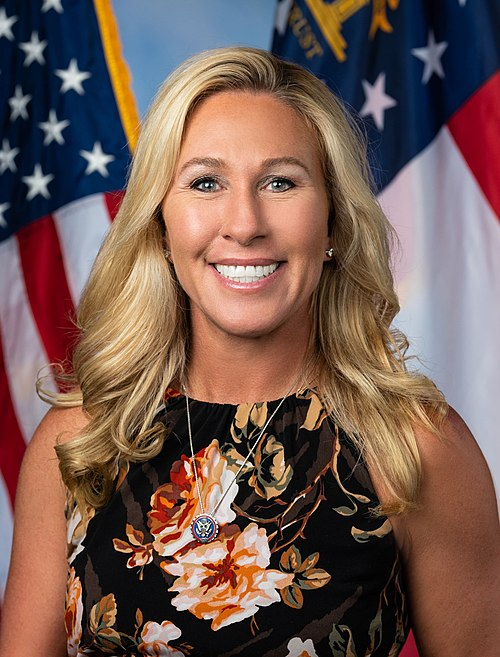
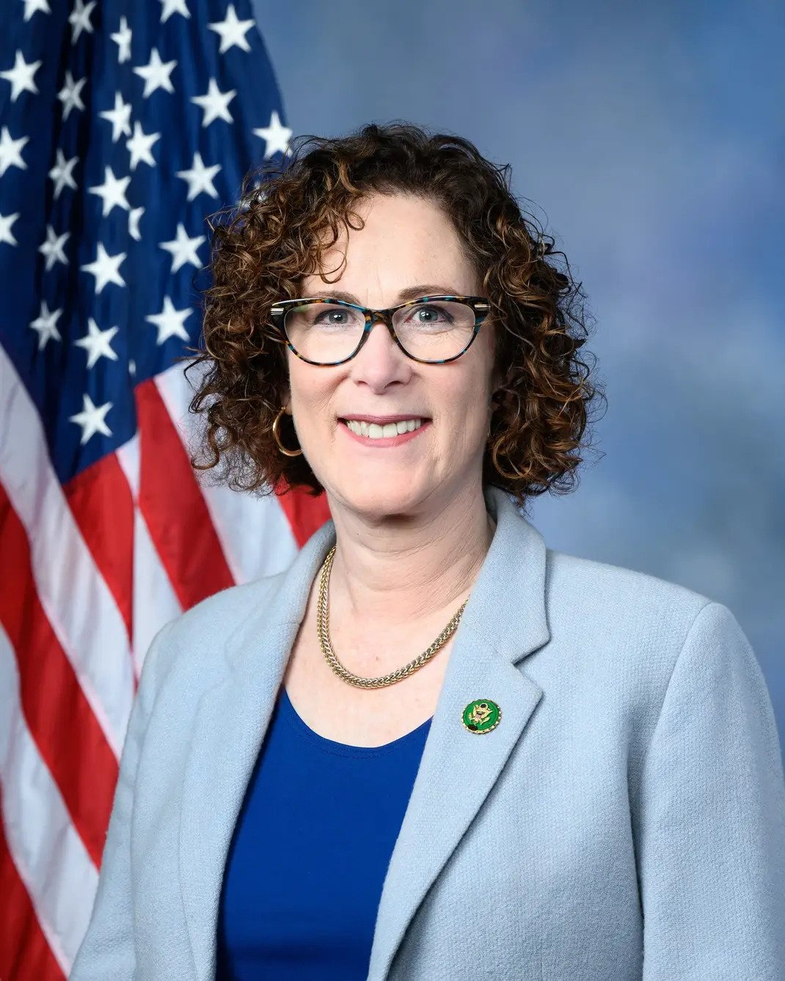
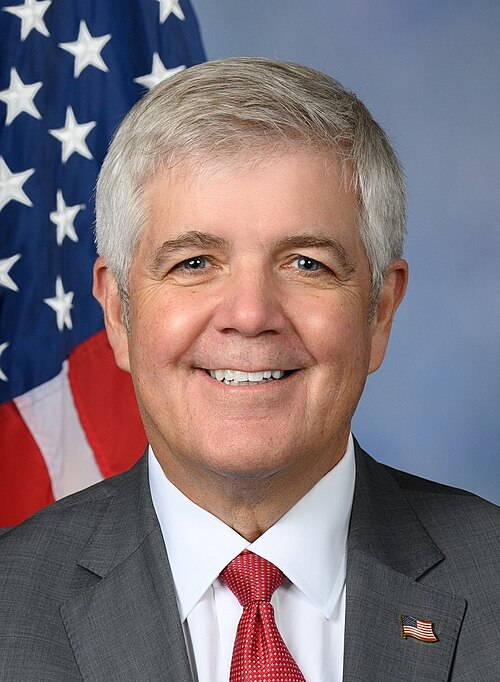
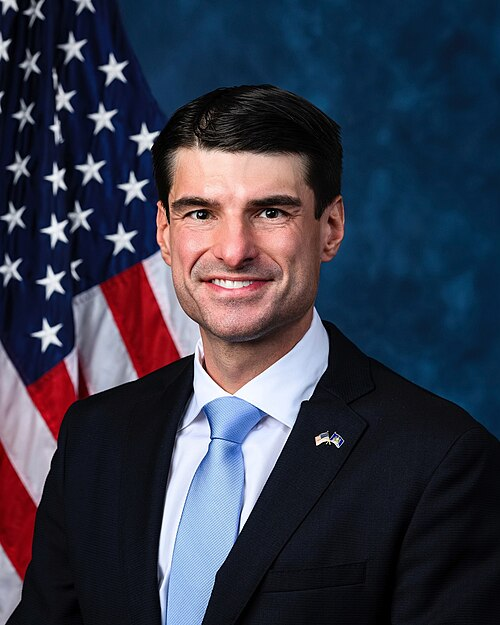
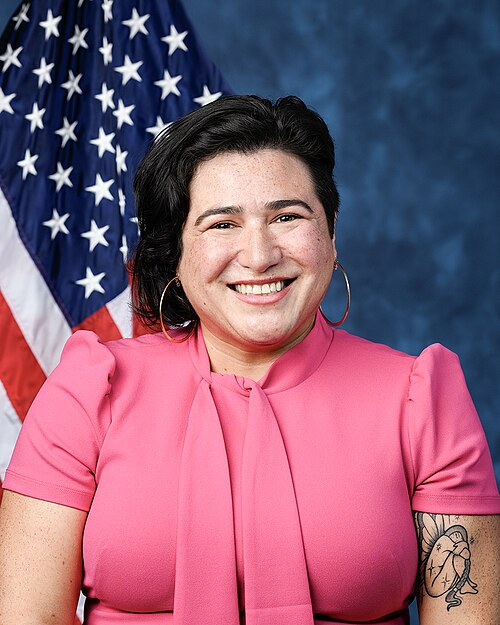
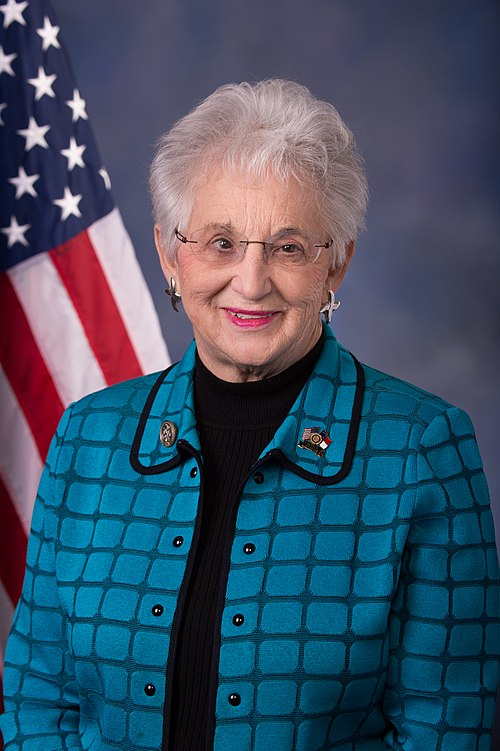
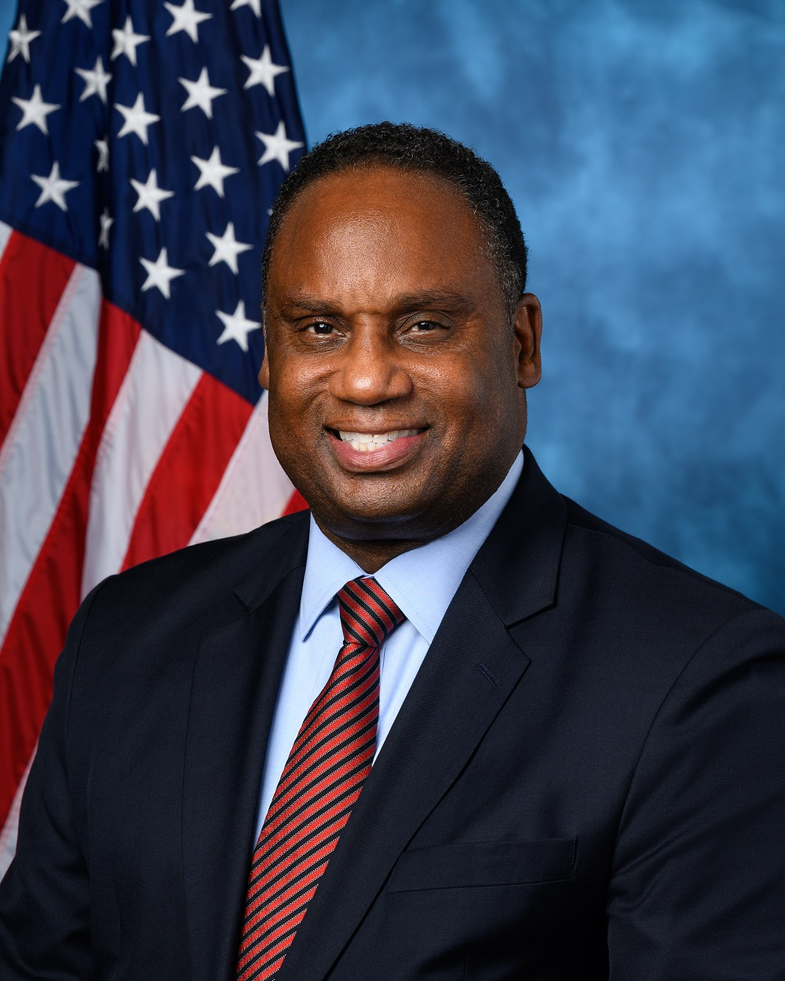
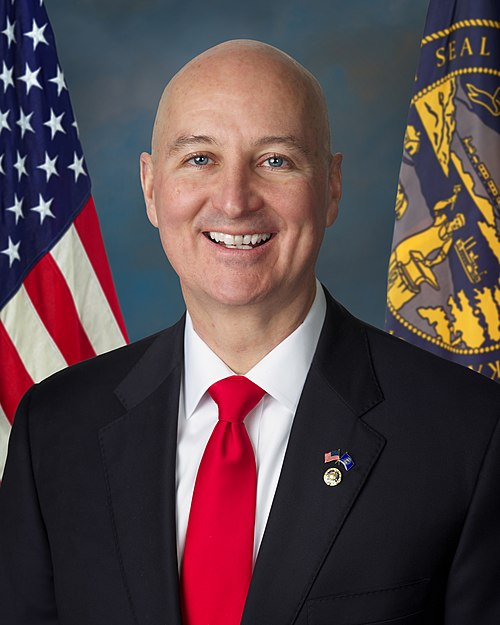
2 bill sponsors

Actions
2 actions
| Date | Action |
|---|---|
| Aug. 06, 2026 | Introduced in Senate |
| Aug. 06, 2026 | Read twice and referred to the Committee on Banking, Housing, and Urban Affairs. |
Corporate Lobbying
0 companies lobbying
None found.
* Note that there can be significant delays in lobbying disclosures, and our data may be incomplete.