H.R. 9774: To amend the Federal Food, Drug, and Cosmetic Act to provide for expedited approval of priority nonprescription drugs, and for other purposes.
This bill would create a new FDA process to speed up approval of certain priority nonprescription drugs—that is, drugs intended to be sold over the counter without a prescription.
What counts as a priority nonprescription drug
A drug could qualify if a company asks for the designation and the FDA decides it meets the criteria. To be eligible, the drug must be one of the following:
- Designed for a new over-the-counter use that could provide a meaningful public health benefit;
- A new molecular entity; or
- Contain an active ingredient that has never before been available in a nonprescription drug.
The bill excludes drugs that are subject to a risk evaluation and mitigation strategy (REMS) and controlled substances.
How the new process would work
If a drug is designated as priority nonprescription, the FDA would be required to take steps to help develop and review the application faster. Those steps could include:
- Meeting with the sponsor during development;
- Giving timely advice and ongoing communication;
- Using senior managers and experienced reviewers in a collaborative review;
- Assigning a cross-disciplinary project lead at FDA; and
- Designing needed studies as efficiently as possible, including use of real-world evidence when appropriate.
Conditions list
Within 18 months, the Secretary of Health and Human Services would have to publish a list of medical conditions for which a nonprescription drug could provide meaningful public health benefit. The public would get at least 30 days to comment on that list and on any updates to it.
What the bill does not change
The bill says this new designation process would not change the evidence standards or information required for FDA approval of a nonprescription drug. In other words, companies would still have to meet the existing approval requirements.
Reporting and expiration
Four years after enactment, HHS would have to report to Congress on:
- How many drugs were requested for priority designation;
- How many requests were approved;
- How many designated drugs were ultimately approved;
- What resources were used to carry out the program; and
- Any recommendations for improving over-the-counter drug approvals.
The authority created by the bill would expire on September 30, 2032.
Relevant Companies
- PFE — Pfizer could be affected if it seeks faster FDA review for a drug being developed for over-the-counter use.
- MRK — Merck could be affected if it pursues nonprescription drug development that fits the new priority pathway.
- GSK — GSK could be affected because it markets consumer health products and could use the pathway for new OTC products.
- JNJ — Johnson & Johnson could be affected through its consumer health and pharmaceutical businesses if it develops qualifying nonprescription drugs.
- BMY — Bristol Myers Squibb could be affected if it develops a drug for nonprescription use that qualifies for priority review.
This is an AI-generated summary of the bill text. There may be mistakes.
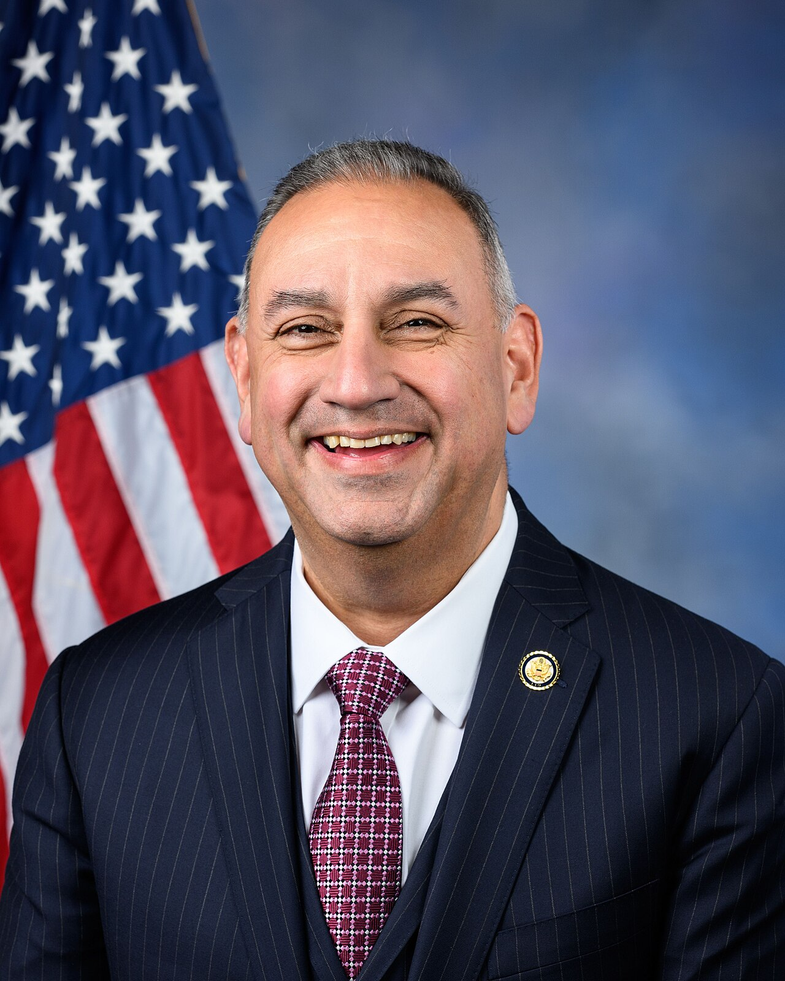
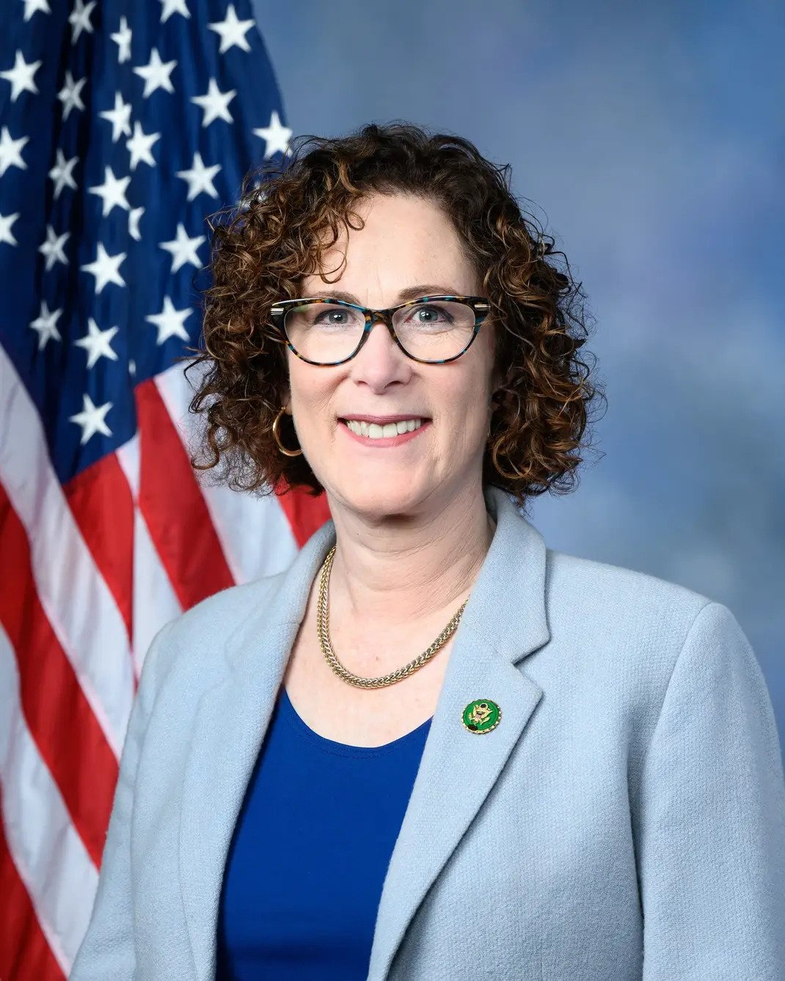
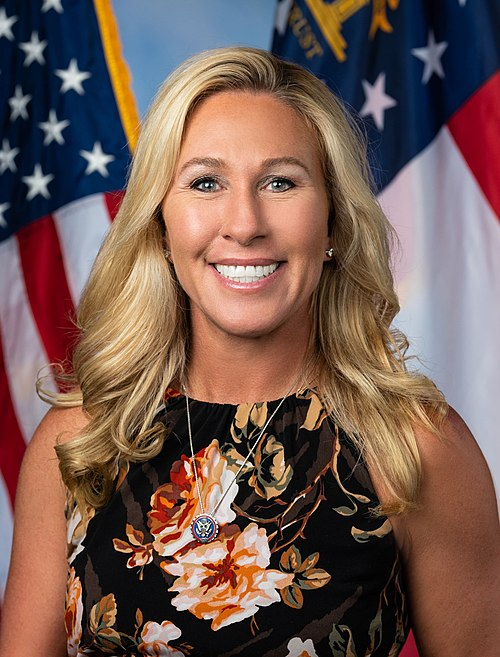
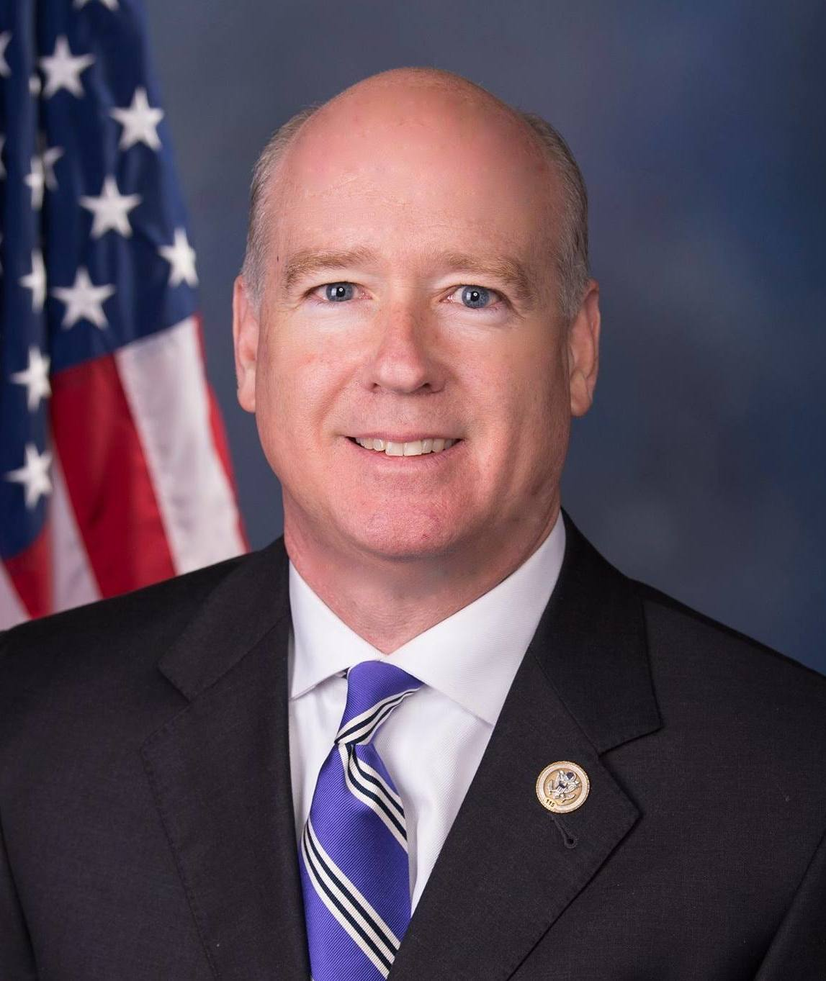
Sponsors
2 bill sponsors


Actions
2 actions
| Date | Action |
|---|---|
| Jul. 20, 2026 | Introduced in House |
| Jul. 20, 2026 | Referred to the House Committee on Energy and Commerce. |
Corporate Lobbying
0 companies lobbying
None found.
* Note that there can be significant delays in lobbying disclosures, and our data may be incomplete.