H.R. 9702: Medicare-X Choice Act of 2026
This bill would create a new government-run health plan called the Medicare Exchange health plan, available through the Affordable Care Act marketplaces starting in 2028. It would be offered in both the individual and small-group markets nationwide. The plan would be administered by the Department of Health and Human Services and funded through new federal reserve and technology funds, including $1 billion for each of two new funds in fiscal year 2027.
What the new plan would look like
The plan would be designed as a coordinated, low-cost option for people who qualify to buy coverage on the exchanges but are not eligible for Medicare. It would have to meet the same general standards as other qualified health plans under current law. The Secretary of Health and Human Services would set premiums so they cover the full cost of benefits and administration, and premiums would vary by geography and by market type. The plan would offer silver and gold versions, and could offer up to two versions at each coverage level.
The plan would cover primary care services without any cost-sharing, meaning enrollees would not pay deductibles, copays, or similar charges for primary care visits. The bill also gives the Secretary flexibility to use different payment and delivery models, such as value-based payments, bundled payments, accountable care organizations, telehealth, and other care-management arrangements.
How providers would be paid and organized
In general, providers would be reimbursed at Medicare fee-for-service rates for services covered by the plan, with the option to increase rates by up to 50% in rural areas. Prescription drug payments would be negotiated by the Secretary. The bill also directs the Secretary to study whether the plan should cover additional services, such as dental, vision, hearing, home- and community-based services, long-term supports, and assistive technologies.
Beginning in 2028, health care providers that want to participate in Medicare or Medicaid would generally have to also participate in this new plan, unless they qualify for an exception. Providers could opt out in exceptional circumstances if participation would threaten their ability to operate. The bill also says that providers cannot place additional restrictions on people enrolled in the new plan unless those restrictions apply to everyone equally or the plan enrollees are exempted.
Other insurance and tax changes
The bill would create a nationwide reinsurance program for high-cost patients in individual health insurance, with $10 billion authorized for each of fiscal years 2028 through 2030. This is intended to reduce premiums in the individual market.
It would also expand premium tax credits under the Affordable Care Act by removing the current income cap at 400% of the poverty level. It would change the subsidy formula so people above that level could still receive assistance on a sliding scale. The bill would also address the so-called “family glitch” by changing how employer coverage affordability is measured, which could make some family members eligible for marketplace subsidies even if the worker’s own coverage is considered affordable for themselves but not for the family.
Separately, it would remove a current limit on Medicare’s authority to negotiate drug prices.
Enforcement and reporting
The bill would provide additional funding for the Department of Justice Antitrust Division and the Federal Trade Commission to study health care markets and pursue antitrust enforcement. Both agencies would have to report to Congress on how the funds were used and on the effects of their actions on access to affordable care.
Relevant Companies
- HUM — Humana could be affected by changes in Medicare-related provider participation rules, Medicare drug pricing policy, and marketplace competition.
- CVS — CVS Health, through its insurance and pharmacy-benefit businesses, could be affected by changes to Medicare drug negotiation, exchange coverage, and premium subsidies.
- UNH — UnitedHealth Group could be affected through its insurance operations and provider/payment relationships in Medicare, Medicaid, and exchange markets.
- ELV — Elevance Health could be affected by changes in exchange enrollment, subsidy expansion, and marketplace competition.
- CNC — Centene could be affected by changes in ACA marketplace coverage, Medicaid-related provider rules, and subsidy expansion.
- MGK — Meant to link? None. (No suitable public company found for this abbreviation.)
- PFE — Pfizer could be affected by expanded Medicare drug price negotiation authority and the resulting impact on prescription drug pricing.
- MRK — Merck could be affected by broader Medicare drug negotiation and possible effects on drug reimbursement rates.
- LLY — Eli Lilly could be affected by broader Medicare drug negotiation and potential pricing pressure on covered medicines.
This is an AI-generated summary of the bill text. There may be mistakes.
Sponsors
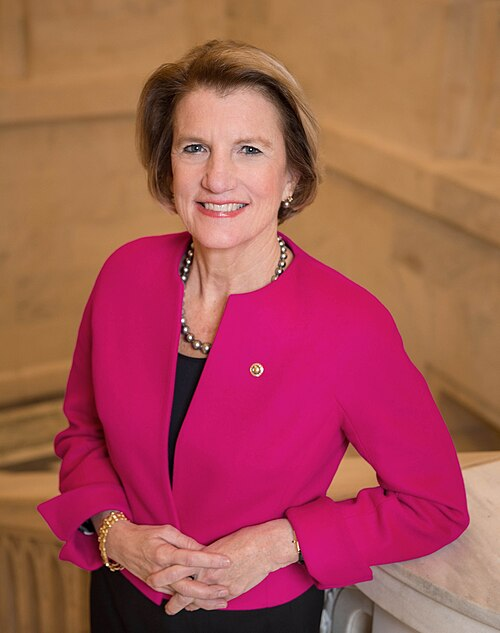
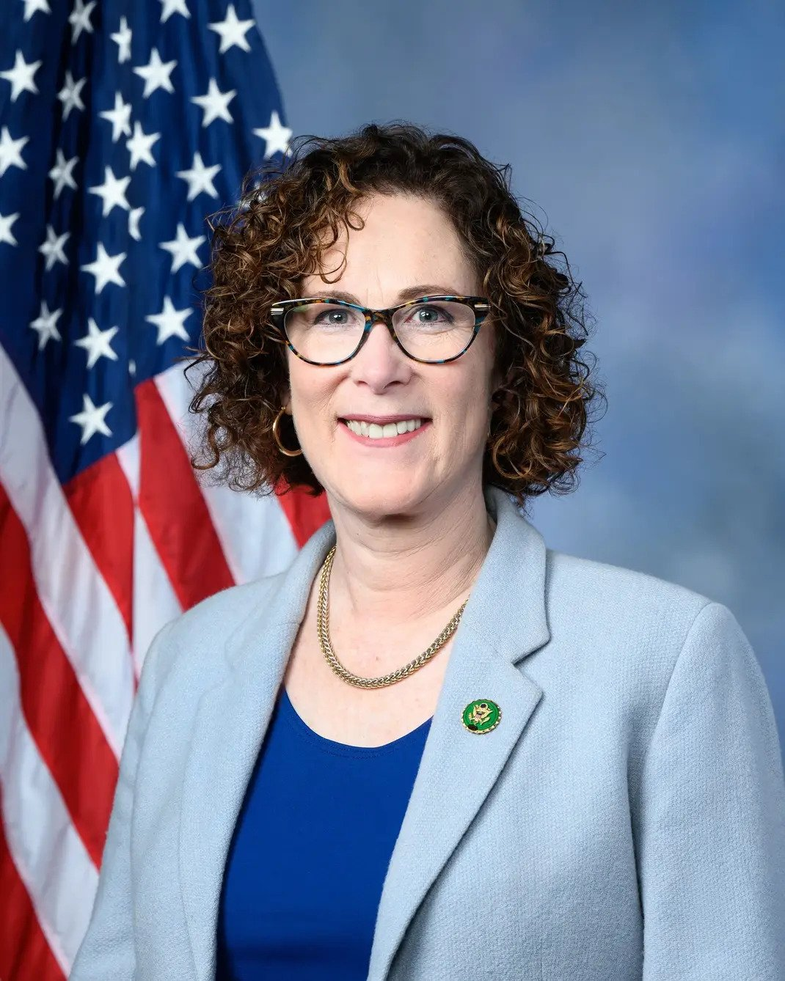
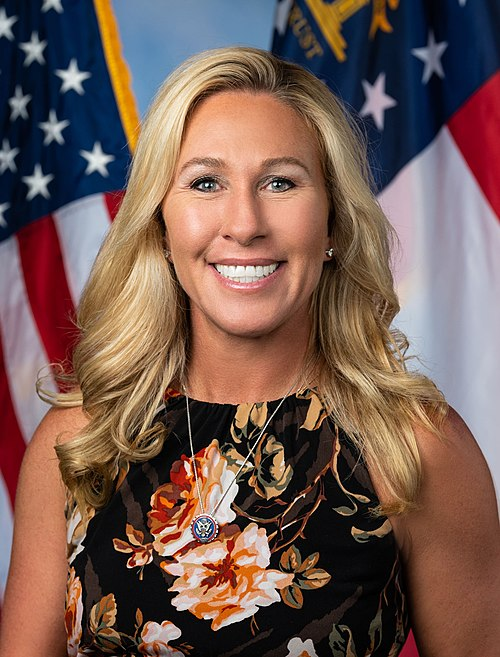
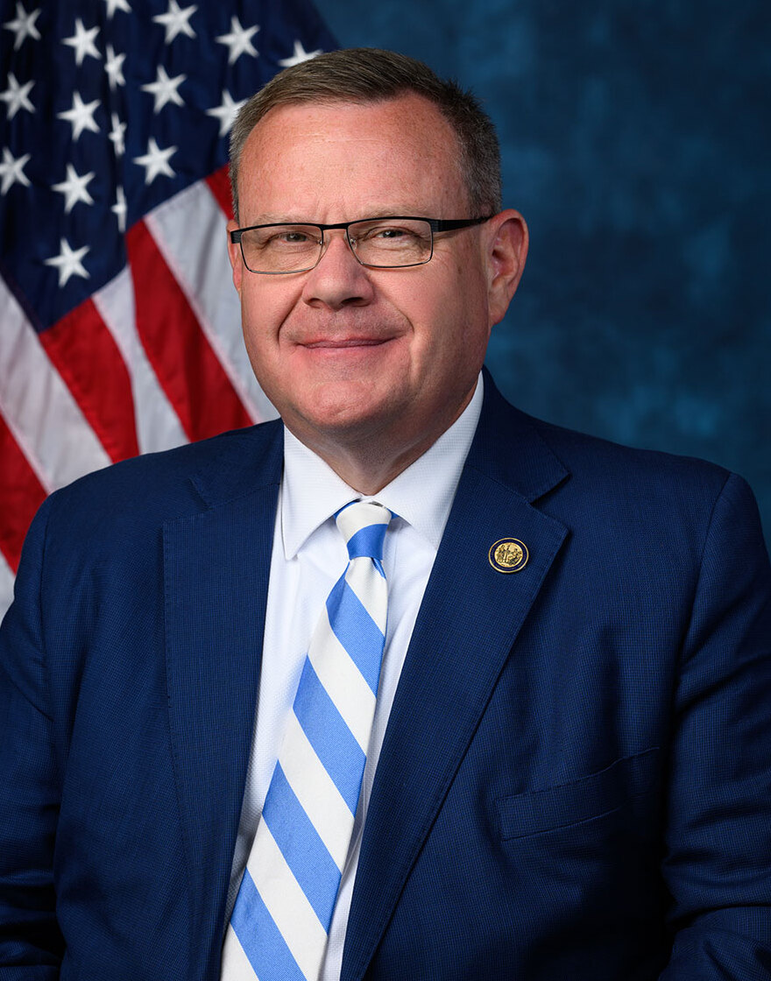
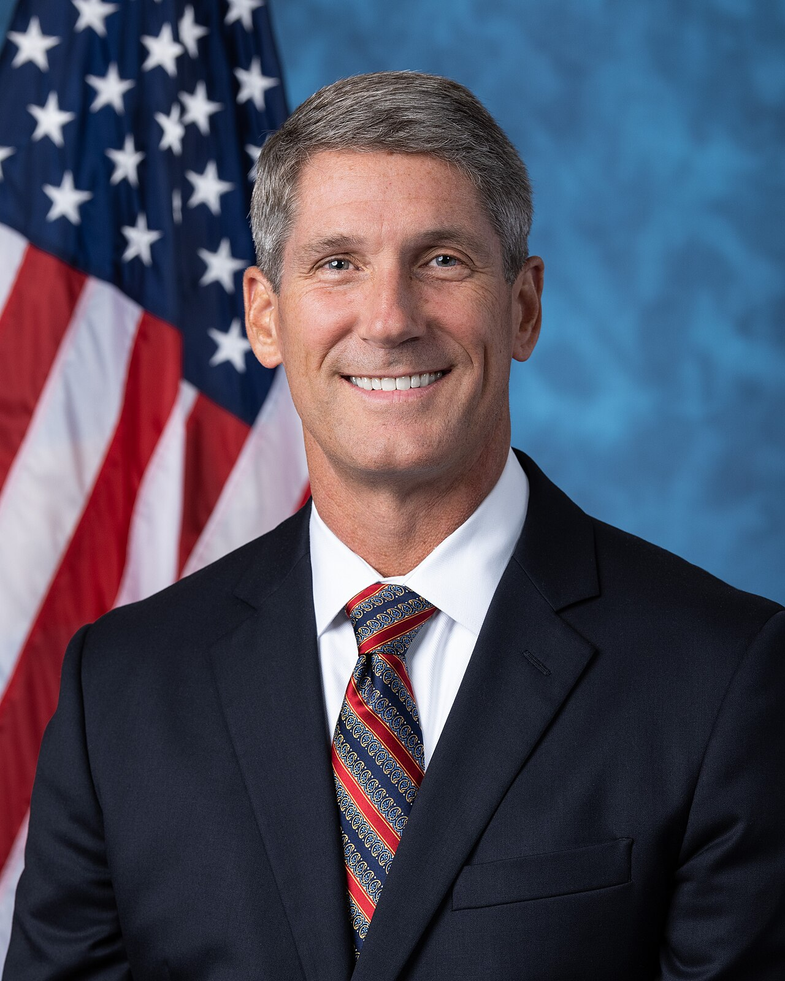
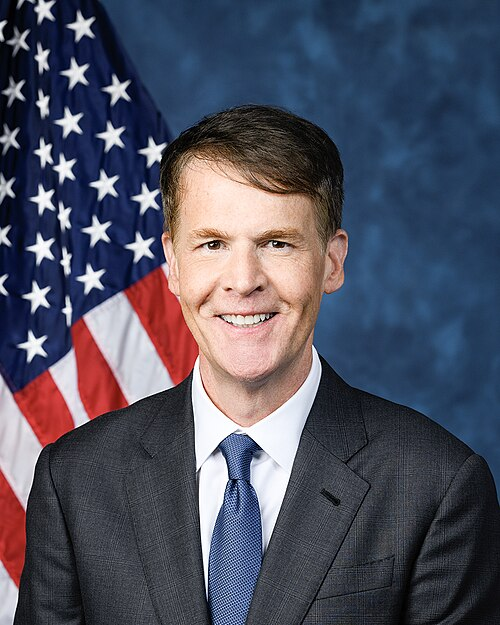
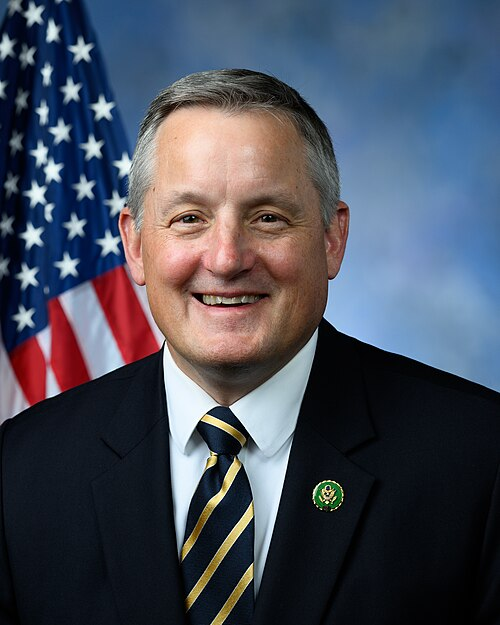
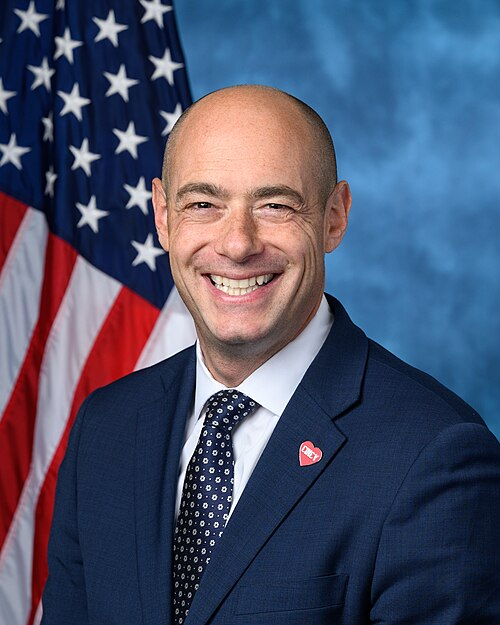
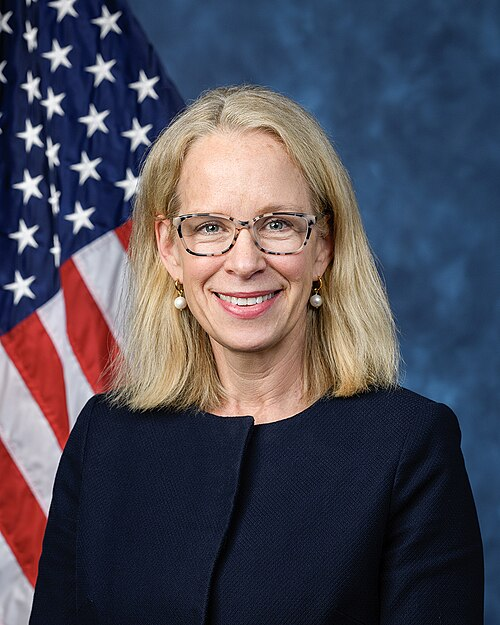
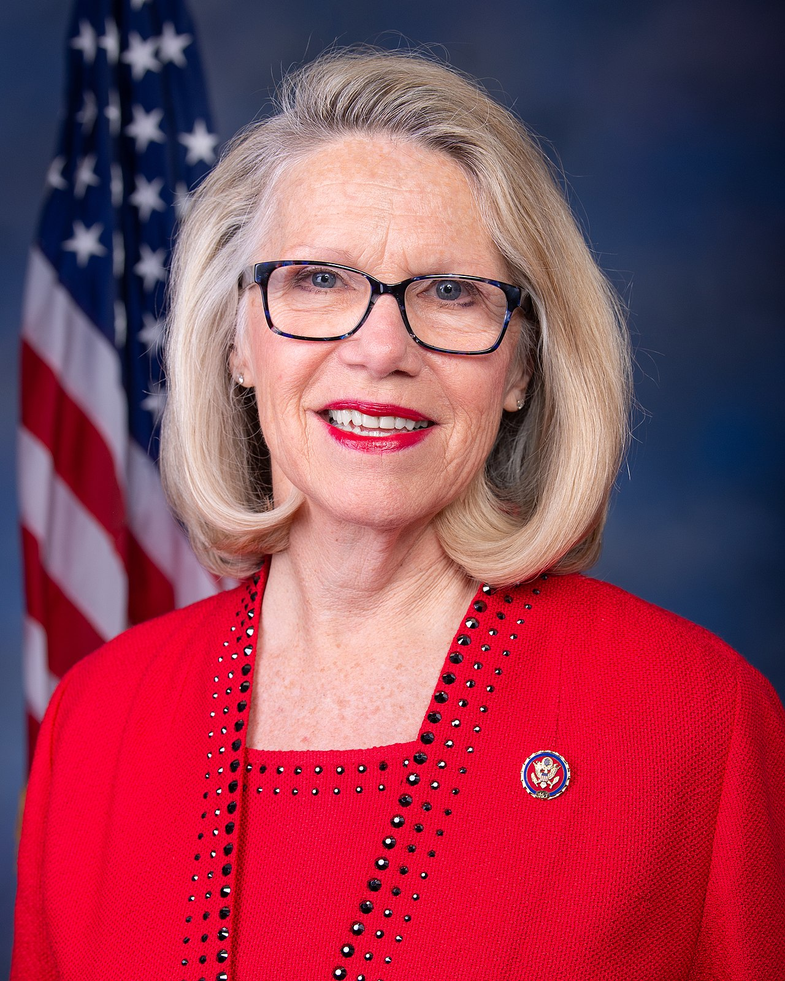
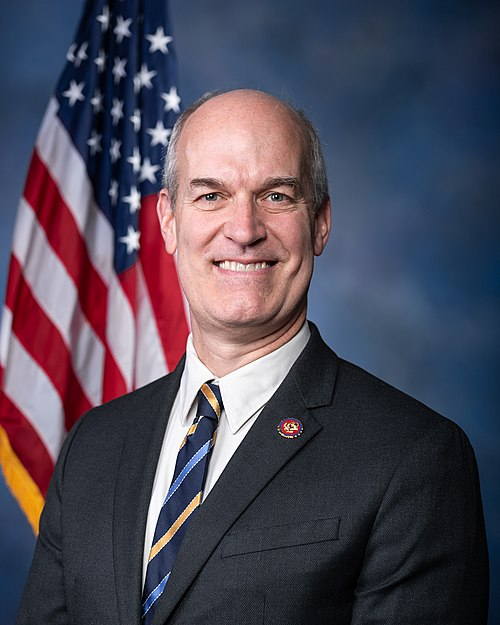
3 bill sponsors



Actions
2 actions
| Date | Action |
|---|---|
| Jul. 15, 2026 | Introduced in House |
| Jul. 15, 2026 | Referred to the Committee on Energy and Commerce, and in addition to the Committees on Ways and Means, and the Judiciary, for a period to be subsequently determined by the Speaker, in each case for consideration of such provisions as fall within the jurisdiction of the committee concerned. |
Corporate Lobbying
0 companies lobbying
None found.
* Note that there can be significant delays in lobbying disclosures, and our data may be incomplete.