H.R. 10835: Advanced Manufacturing Jobs in America Act of 2026
This bill would direct the U.S. Department of Labor to create and run demonstration and pilot projects aimed at expanding education and job training in advanced manufacturing through the Workforce Innovation and Opportunity Act.
What the program would do
The Secretary of Labor would use grants or contracts to support projects that help people gain skills for jobs in advanced manufacturing. The projects would be designed to:
- train people in communities where advanced manufacturing jobs are expected to grow;
- help people earn job-related skills and recognized credentials;
- inform workers about ways to move up in the field;
- give priority to incumbent workers, dislocated workers, unemployed individuals, rural workers, and underrepresented groups.
Who could receive funding
Eligible recipients would generally have to partner with a manufacturer that employs workers with advanced manufacturing skills. Possible recipients include:
- technical colleges and community colleges;
- community college district systems;
- state community college systems;
- local workforce boards working with one-stop career centers;
- manufacturing extension centers;
- local educational agencies;
- other entities, including public-private partnerships, that serve underrepresented individuals.
The Labor Secretary would give priority to partnerships that bring in significant non-federal funding.
What applications would need to show
Applicants would need to explain their capacity to run the project, describe the training they will provide, and show how the project would:
- build skills needed by advanced manufacturing employers;
- lead to a recognized skill set and credential;
- teach workers about career advancement and wage growth;
- use evidence-based training that combines classroom instruction and hands-on training;
- coordinate with workforce boards and economic development officials.
Possible activities funded
Projects could include:
- classroom instruction and on-site learning;
- on-the-job training;
- industry competency-based training;
- registered apprenticeships and pre-apprenticeships;
- coordination with existing education pathways and university agreements;
- distance learning;
- other related activities approved by the Secretary.
How success would be measured
The Labor Department would set performance measures with each grantee or contractor. These could track things like:
- how many workers earn a credential;
- how many gain basic advanced manufacturing skills;
- how many incumbent workers improve their job performance;
- whether manufacturers see earnings growth linked to the training;
- other measures the Secretary considers necessary.
Reporting and evaluation
The Department of Labor would begin evaluating the projects within one year after the first funds are paid out, and would send a report to Congress within two years after that first payment.
Definitions
The bill defines a covered credential as a nationally recognized credential or an employer-recognized credential, such as a certificate, degree, license, or apprenticeship certificate. A covered skill set means an industry-recognized or employer-recognized skill set.
Relevant Companies
- SNPS — Synopsys could be indirectly affected if advanced manufacturing training increases demand for automation, design, and semiconductor-related tools used by manufacturers.
- AMAT — Applied Materials could be indirectly affected if the bill supports workforce pipelines for advanced manufacturing sectors such as semiconductors and precision equipment.
- LRCX — Lam Research could be indirectly affected through broader support for semiconductor manufacturing labor pipelines.
- TER — Teradyne could be indirectly affected if more training and apprenticeship programs increase adoption of industrial automation and testing equipment.
- None found
This is an AI-generated summary of the bill text. There may be mistakes.
Sponsors
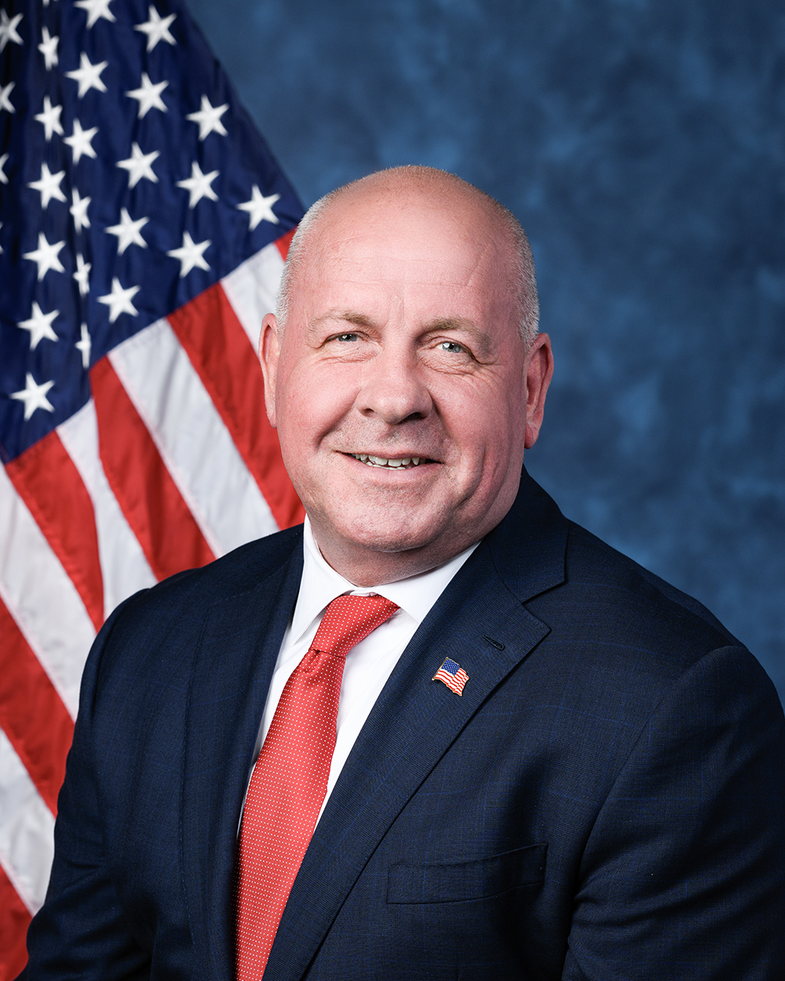
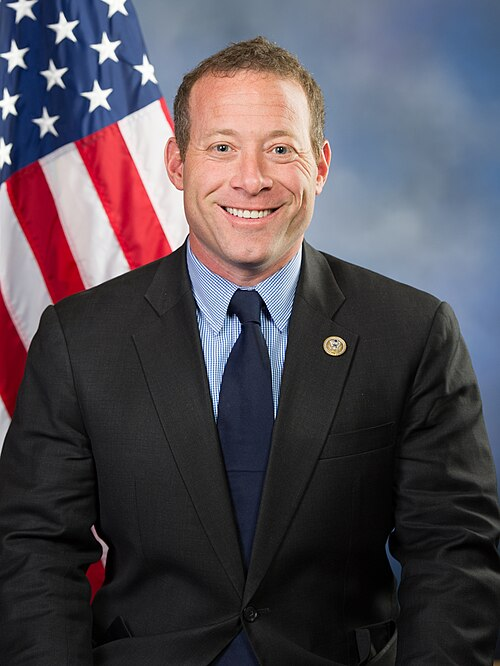
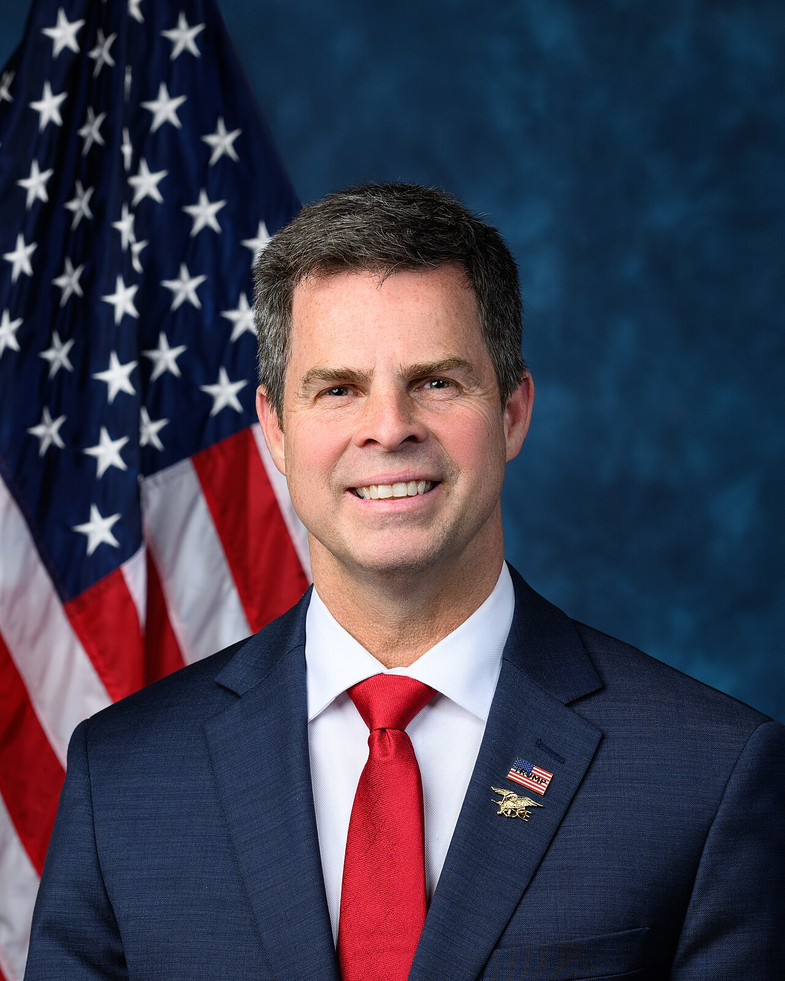
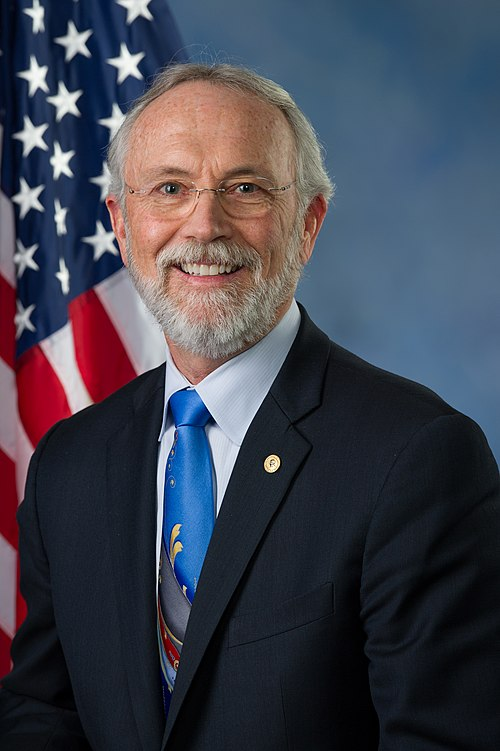
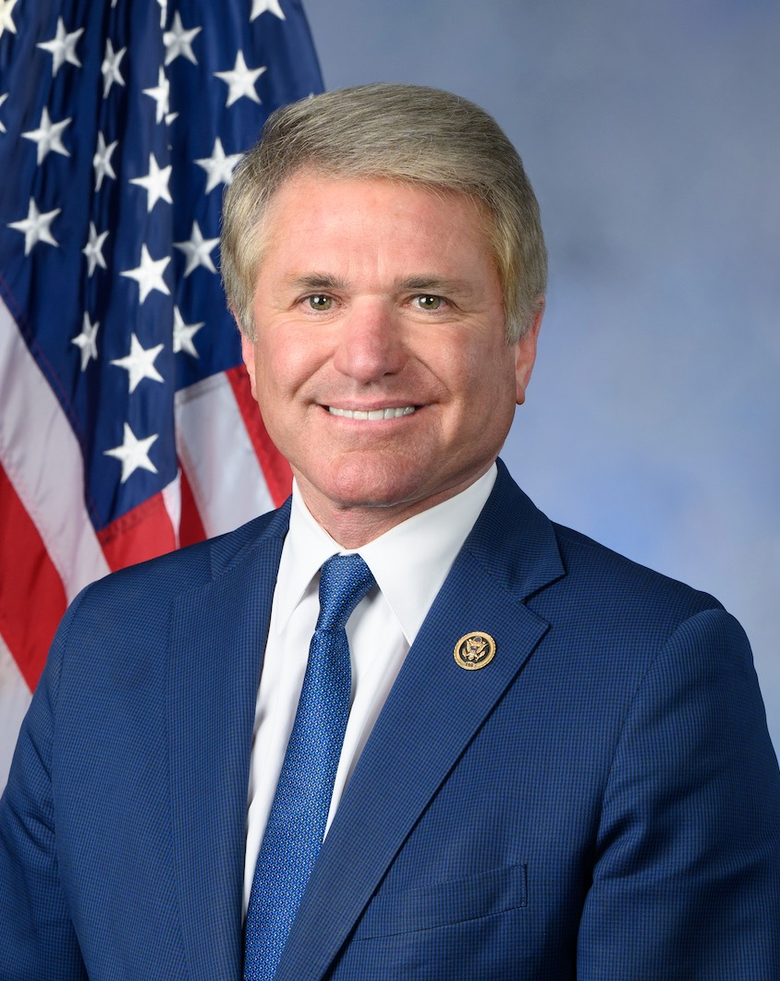
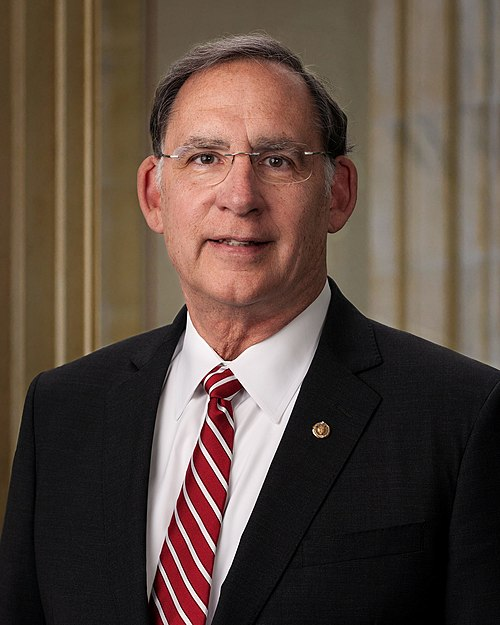
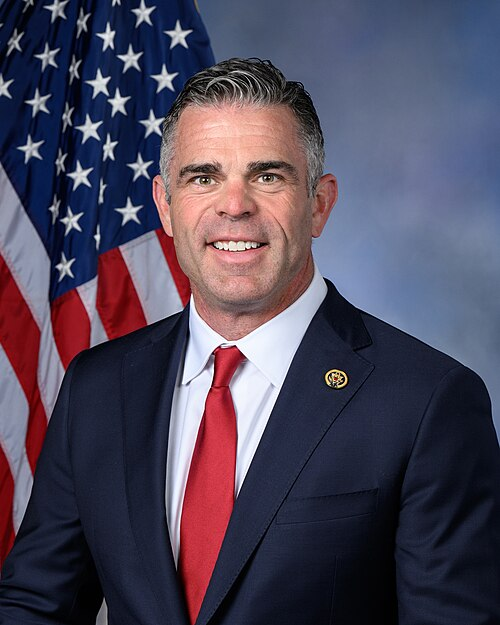
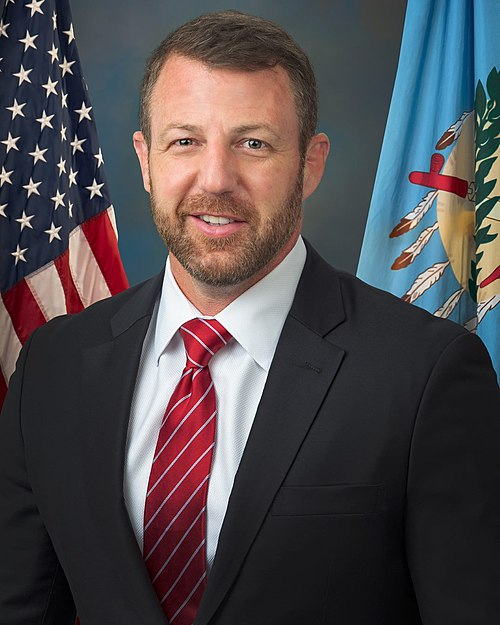
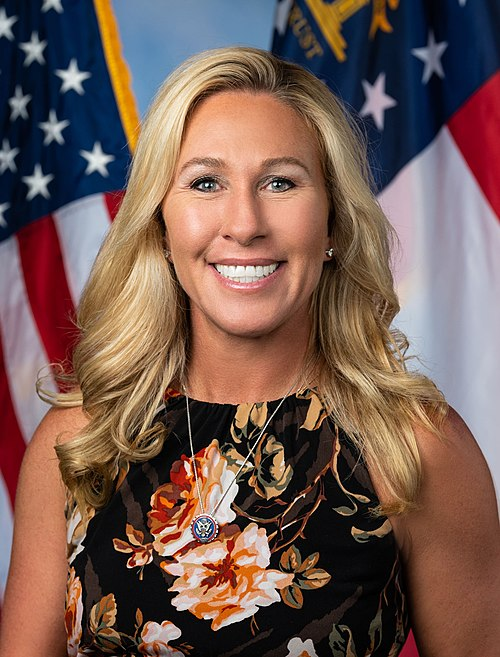
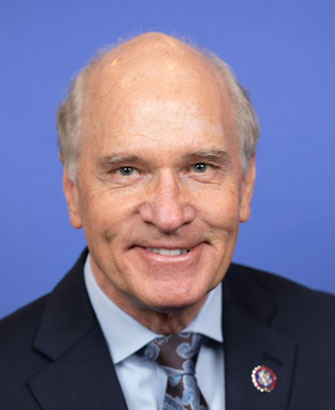
2 bill sponsors

Actions
2 actions
| Date | Action |
|---|---|
| Oct. 15, 2026 | Introduced in House |
| Oct. 15, 2026 | Referred to the House Committee on Education and Workforce. |
Corporate Lobbying
0 companies lobbying
None found.
* Note that there can be significant delays in lobbying disclosures, and our data may be incomplete.