

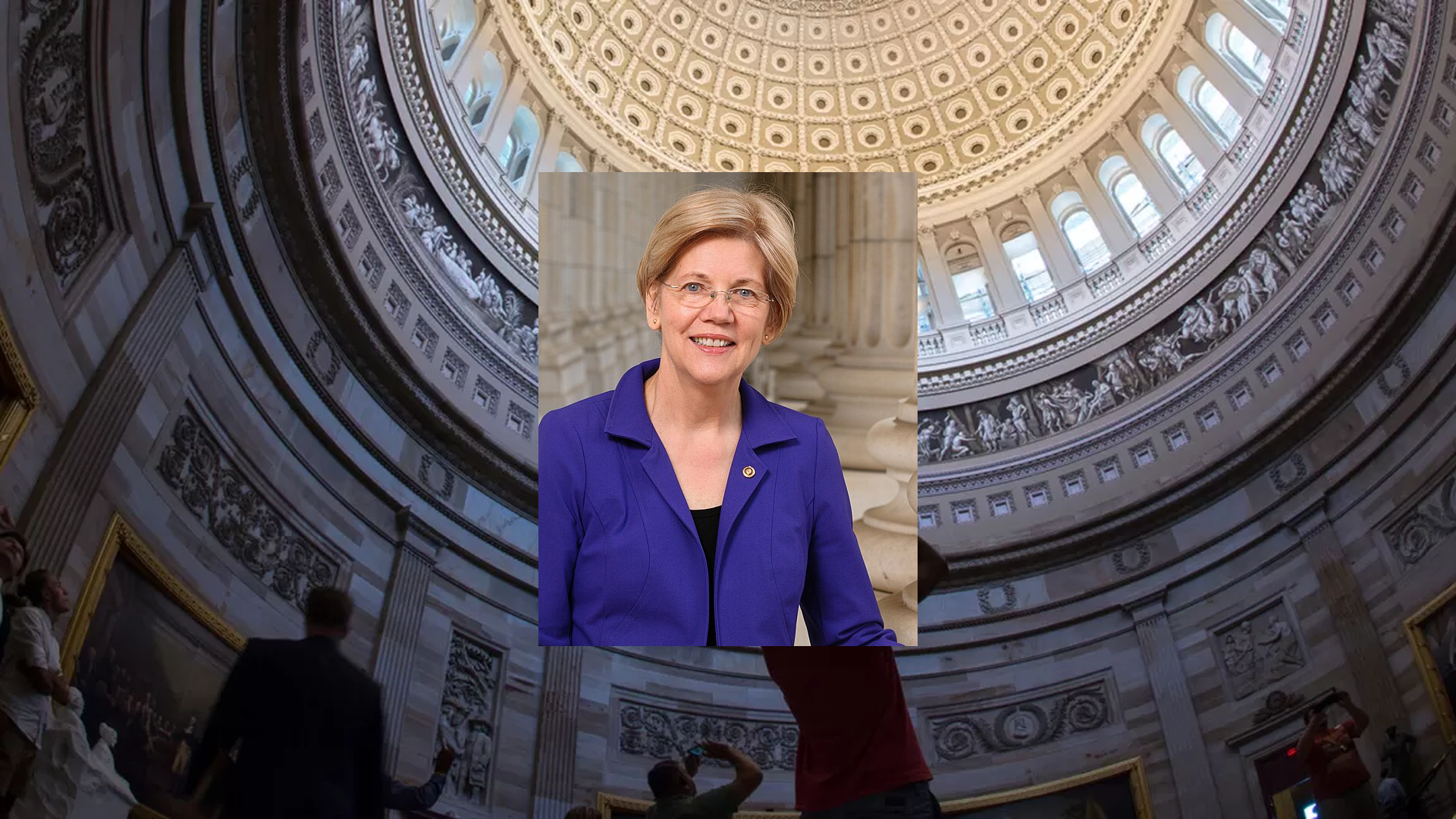
We have received text from S. 5512: Stop Wall Street Looting Act. This bill was received on 2026-09-24, and currently has 6 cosponsors.
Here is a short summary of the bill:
The bill would change how private equity funds, investment partnerships, and some related financial arrangements are taxed and regulated. In general, it would make it harder for private funds to reduce taxes, shift liabilities away from acquired companies, or use complex structures to avoid worker, creditor, and disclosure rules.
Tax changes for investment managers and private funds
The bill would treat carried interest and certain partnership service interests as ordinary income rather than receiving preferential capital gains treatment. It would also limit some exceptions that allow certain partnership income to be treated more favorably, and it would add anti-avoidance rules to prevent taxpayers from structuring transactions to get around these limits.
It would also restrict deductions related to business interest for certain private funds and could limit tax benefits connected to dividend income and qualified small business stock in some cases. The bill includes conforming changes to partnership rules and publicly traded partnership rules, and it would apply self-employment tax treatment in some situations.
Rules affecting private equity acquisitions and worker protections
The bill would make private equity funds more responsible for debts and penalties tied to companies they acquire, rather than allowing those obligations to be shifted away through ownership structures. It would ban certain indemnification arrangements that protect fund owners or related parties from those liabilities.
It would also restrict asset stripping and offshore layoffs, aiming to prevent acquired companies from being stripped of assets or used to shift jobs overseas in ways that avoid legal or financial responsibility. The bill would strengthen worker protections in bankruptcy, including giving workers higher priority as creditors in some cases and adding protections related to strikes.
Bankruptcy, executive pay, and fiduciary duty changes
The bill would amend bankruptcy law to give workers stronger treatment when a company enters bankruptcy. It would also curb certain executive compensation arrangements in situations covered by the bill. In addition, it would strengthen fiduciary duties for some investment-related entities, meaning decision-makers would face stronger legal obligations to act in the interests of the relevant investors or beneficiaries.
Disclosure and reporting requirements
The bill would require more public disclosure from certain real estate investment trusts, public funds, private funds, and investment partnerships. These disclosures would likely include more information about ownership, structure, risks, and activities, with the goal of making it easier for investors and regulators to see how these vehicles operate.
It would also expand reporting requirements for private funds and investment partnerships more generally, and it directs federal officials to issue regulations to prevent people from getting around the new rules through creative structuring.
Restrictions on private credit and securitization
The bill would add restrictions on risky debt securitization and private-credit arrangements. These changes appear aimed at reducing the chance that loans or other debts are packaged or transferred in ways that obscure risk or weaken accountability. The law would generally take effect after enactment, with the exact timing depending on the provision.
Relevant Companies
- KKR — A large private equity and alternative asset manager that could face higher taxes on carried interest, more disclosure, and new limits on acquisition structures.
- BLK — BlackRock manages private markets and credit strategies that could be affected by new reporting and private-fund rules.
- BX — Blackstone has major private equity, private credit, and real estate platforms that could be directly affected by the bill’s tax, disclosure, and acquisition rules.
- CG — Carlyle is a private equity and credit manager that could be affected by changes to carried interest taxation and fund reporting requirements.
- APO — Apollo Global Management has large private equity and private credit businesses that could be affected by new rules on fund taxation, debt structures, and securitization.
- ARES — Ares Management has significant private credit and alternative investment operations that could be impacted by restrictions on debt securitization and related disclosure rules.
- OWL — Blue Owl focuses heavily on private credit and asset management, so it could be directly affected by limits on private-credit structures and reporting changes.
- TPG — TPG is a private equity firm that could be affected by the bill’s tax changes, acquisition-liability rules, and expanded disclosures.
- BXSL — Blackstone Secured Lending is exposed to private-credit activity and could be affected by securitization and lending-related restrictions.
- ARCC — Ares Capital is a major business development company in private credit and could be affected by new rules on debt investments and related disclosures.
Senator Elizabeth Warren Bill Proposals
Here are some bills which have recently been proposed by Senator Elizabeth Warren:
- S.5651: National Institutes of Clean Energy Act of 2026
- S.5512: Stop Wall Street Looting Act
- S.5481: Youth Voting Rights Act
- S.5419: Stop Corporate Takeovers of Physicians Act of 2026
- S.5415: Air Traffic Noise and Pollution Expert Consensus Act of 2026
- S.5389: Ending Presidential Corruption in Banking Act
You can track bills proposed by Senator Elizabeth Warren on Quiver Quantitative's politician page for Warren.
Senator Elizabeth Warren Net Worth
Quiver Quantitative estimates that Senator Elizabeth Warren is worth $7.1M, as of October 10th, 2026. This is the 142nd highest net worth in Congress, per our live estimates.
Warren has approximately $0 invested in publicly traded assets which Quiver is able to track live.
You can track Senator Elizabeth Warren's net worth on Quiver Quantitative's politician page for Warren.
2030 Massachusetts US Senate Election
There has been approximately $29,386,575 of spending in Massachusetts US Senate elections over the last two years, per our estimates.
Approximately $10,622,130 of this has been from outside spending by PACs and Super PACs. Some of the groups who are spending money in this race include:
- ADVANCE PROGRESS ($8,309,393)
- COMMONWEALTH TOGETHER PAC ($2,222,370)
- NATIONAL ASSOCIATION OF REALTORS POLITICAL ACTION COMMITTEE ($35,834)
- COMMONWEALTH UNITY FUND ($27,851)
- NRDC ACTION VOTES ($25,000)
The rating for this race is currently "Solid D".
You can track this election on our matchup page for the 2030 Massachusetts US Senate election.
This article is not financial advice. See Quiver Quantitative's disclaimers for more information.