S. 5651: National Institutes of Clean Energy Act of 2026
This bill would create a new federal agency within the Department of Energy called the National Institutes of Clean Energy, to be established by January 1, 2030.
What the new agency would do
The agency would focus on clean energy, climate science, and related research and development. Its stated goals include reducing greenhouse gas emissions, improving energy efficiency, using less water and material resources, and lowering environmental and health harms in communities that are already heavily affected by pollution and climate change.
It would support research and demonstration projects in areas such as:
- Microgrids
- Energy storage
- Electric vehicles
- Advanced energy technologies for harder-to-decarbonize sectors, such as aviation and shipping
- Long-duration grid storage and other clean energy areas that the bill says are underfunded today
The bill also says the agency should fund projects that study how energy production affects frontline communities, including low-income communities and communities of color, as well as how clean energy policies affect job loss, job creation, and workforce development.
Who would get priority
When choosing projects, the agency would give priority to technologies and research that:
- Reduce environmental harm or public health impacts in disadvantaged communities
- Improve public health in those communities
- Create high-quality jobs with strong labor standards
- Advance clean energy technology and climate science
- Are carried out at public universities, land-grant colleges, minority-serving institutions, and related consortia
- Are located in places that have experienced major job losses, including rural and deindustrialized areas
How the bill defines clean energy
The bill defines “renewable energy source” broadly to include solar, wind, ocean energy, geothermal, certain hydroelectric additions or upgrades, renewable hydrogen, and thermal energy generated from those sources.
It also defines “advanced energy technology” as technology that lowers emissions efficiently, uses fewer resources, supports renewable energy, and reduces harms to vulnerable communities.
Funding
The bill authorizes $400 billion in funding over fiscal years 2027 through 2036 to establish and run the new institutes.
Relevant Companies
- TSLA — Tesla could be affected by increased federal support for electric vehicles, battery storage, and related clean energy research.
- ENPH — Enphase Energy could benefit from expanded investment in solar and distributed energy technologies.
- SEDG — SolarEdge could be affected by increased federal support for solar-related technologies and grid integration.
- NEE — NextEra Energy could be impacted through policies and research support tied to renewable generation, grid modernization, and storage.
- BE — Bloom Energy could be affected by federal support for advanced energy technologies and lower-emission power systems.
- PLUG — Plug Power could be impacted by funding related to renewable hydrogen and clean energy infrastructure.
This is an AI-generated summary of the bill text. There may be mistakes.
Sponsors
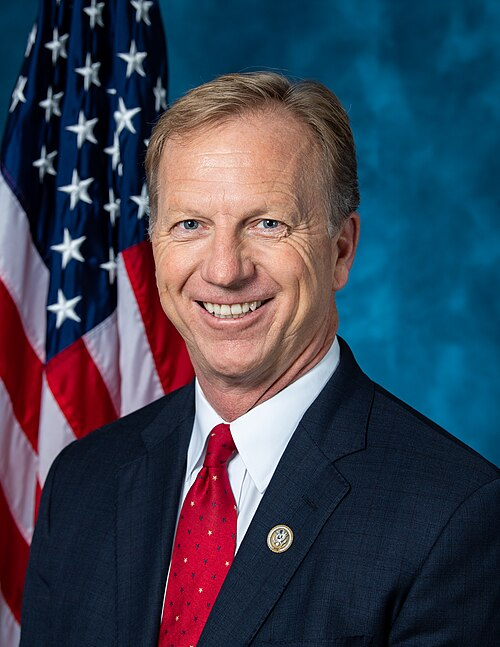
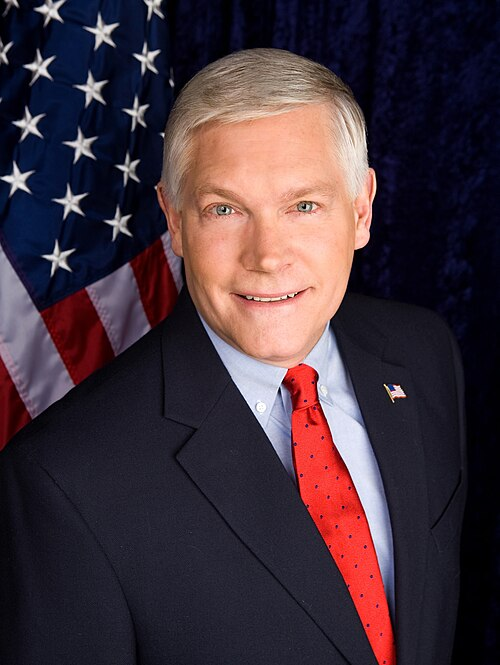
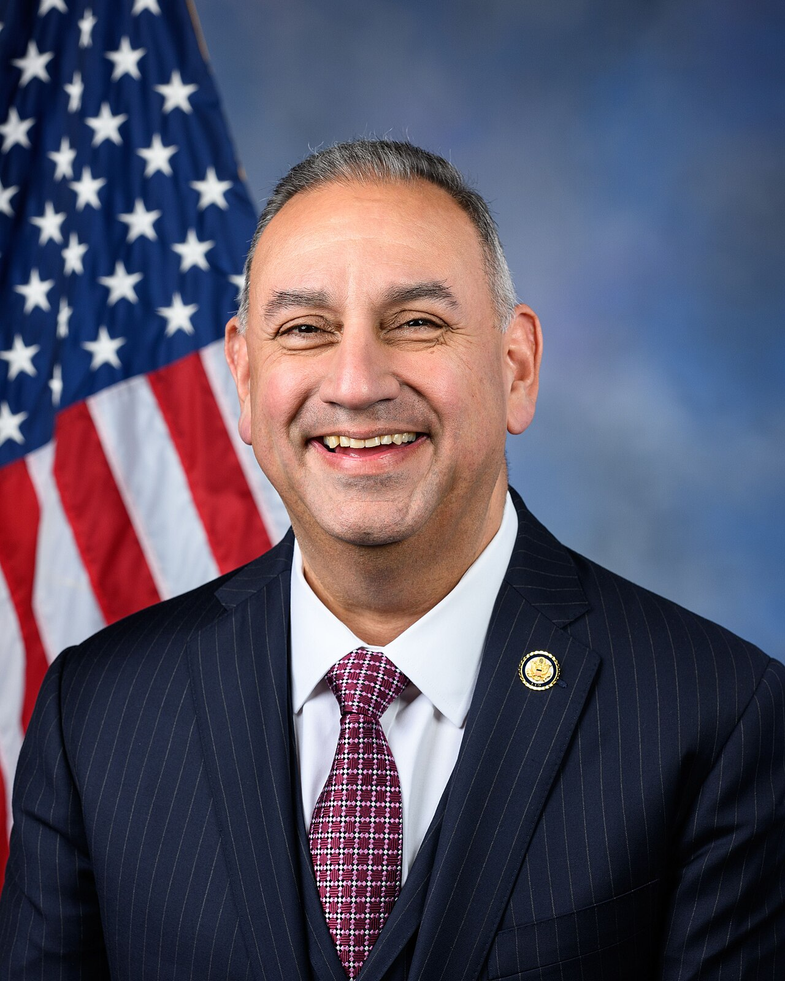
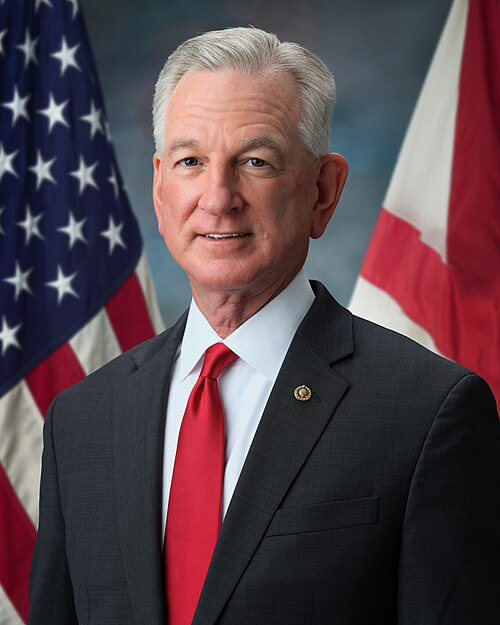
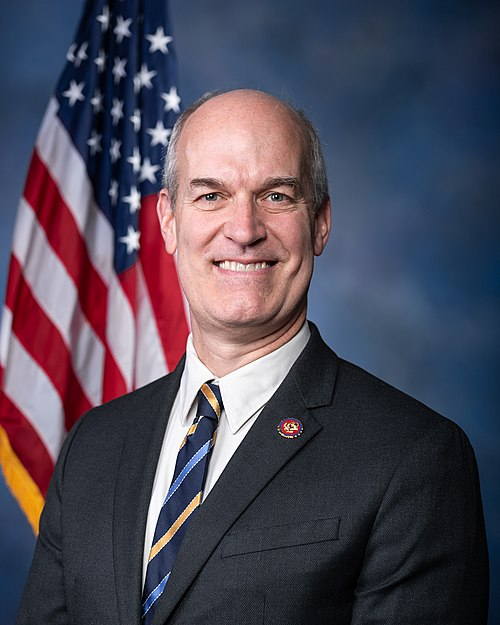
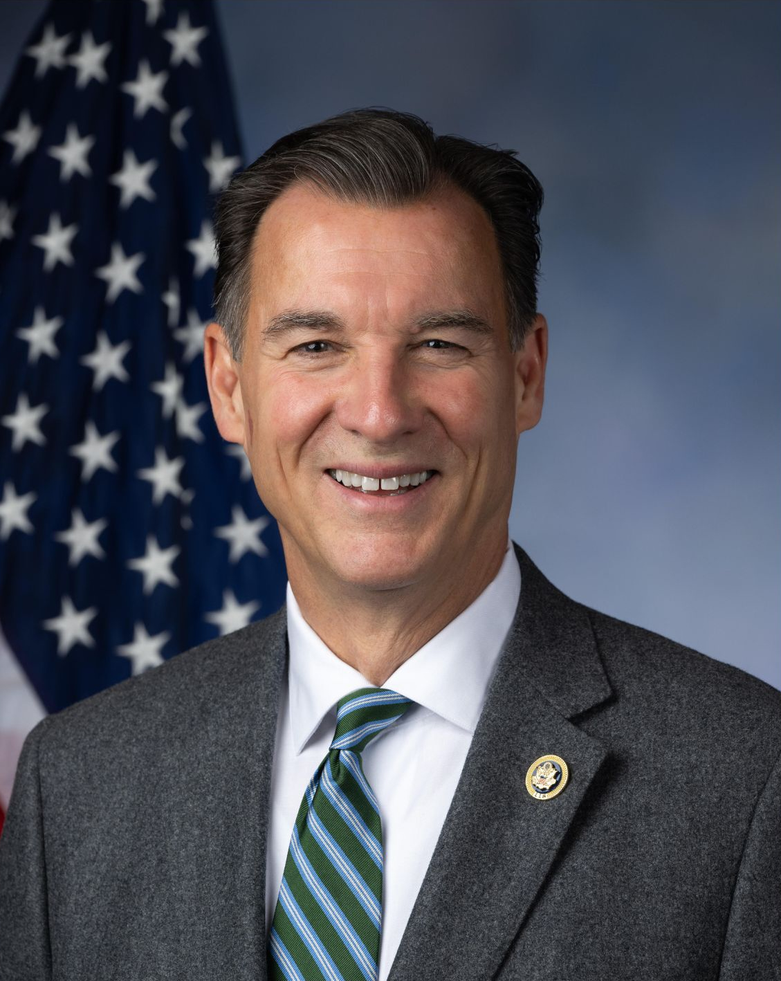
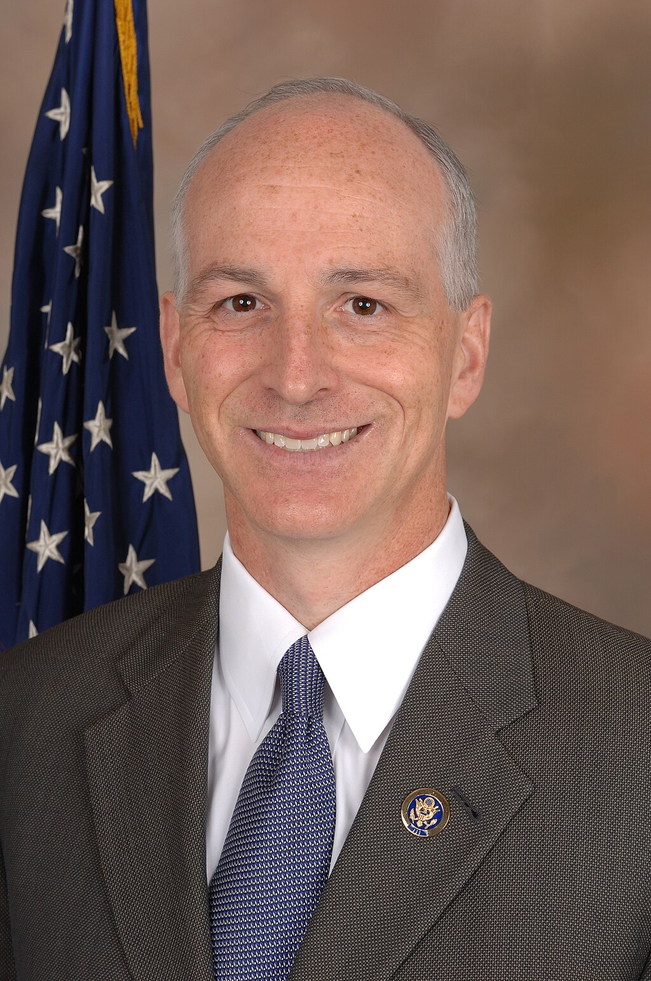
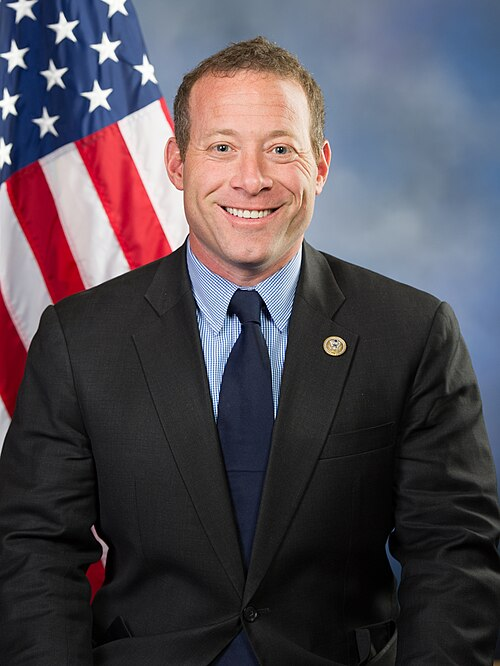
4 bill sponsors




Actions
2 actions
| Date | Action |
|---|---|
| Sep. 30, 2026 | Introduced in Senate |
| Sep. 30, 2026 | Read twice and referred to the Committee on Energy and Natural Resources. |
Corporate Lobbying
0 companies lobbying
None found.
* Note that there can be significant delays in lobbying disclosures, and our data may be incomplete.