S. 5419: Stop Corporate Takeovers of Physicians Act of 2026
This bill would create new federal rules limiting how corporations and management services organizations can be involved in running medical practices, with the goal of keeping control of medical decisions in the hands of licensed clinicians.
Limits on corporate ownership and control of medical practices
The bill would generally make it unlawful for a corporate or partnership entity that is not majority-owned and controlled by licensed health professionals to:
- own or control a medical practice, in whole or in part;
- employ or contract with a licensee for professional medical services; or
- engage in the practice of medicine.
There are exceptions for nonprofits, public health care providers, hospitals, hospital-affiliated clinics, critical access hospitals, and rural emergency hospitals.
To count as “majority-owned and controlled” by licensees, the licensed professionals would need to hold a majority ownership interest and make up a majority of the governing body.
Restrictions on non-compete and confidentiality terms
The bill would prohibit licensees, health care providers, and management services organizations from using:
- non-compete clauses;
- non-disclosure agreements; and
- non-disparagement agreements.
These agreements would generally be void and unenforceable. A narrow exception would allow certain non-compete clauses if the clinician is also an owner with at least a 25% ownership stake in the medical practice. The bill also says this does not eliminate ordinary legal claims such as libel, slander, or tortious interference.
Limits on interference with clinical judgment
The bill would prohibit health care providers from directly or indirectly pressuring, disciplining, retaliating against, or coercing licensees in ways that interfere with medical judgment or clinical decisions. Examples include:
- telling clinicians how much time to spend with patients;
- directing admission, observation, palliative care, or referral decisions;
- setting how quickly treatment must be started;
- controlling discharge destinations;
- having final say over diagnoses, diagnosis wording, or diagnosis codes;
- limiting the range of clinical orders available in the medical record system; and
- other actions the FTC determines interfere with clinical judgment.
Restrictions on management services organizations
The bill would place extensive limits on management services organizations, or MSOs, which are companies that provide back-office and administrative services to medical practices. Under the bill, MSOs and their owners, officers, employees, and contractors could not:
- control or restrict the sale or transfer of a medical practice’s shares or assets;
- issue ownership interests in a medical practice or related entities;
- pay dividends from a medical practice’s ownership interests;
- own or manage a medical practice directly;
- acquire or finance ownership interests in a medical practice;
- enter into certain management contracts unless the practice negotiated independently and compensation is fair market value;
- advertise the medical practice under another entity’s name; or
- exercise de facto control over the practice’s business, administrative, or clinical operations in ways that affect patient care.
The bill gives examples of prohibited control, including decisions about hiring and firing, work schedules, staffing levels, time spent with patients, revenue distribution, credential requirements, revenue targets, coding, clinical standards, billing policies, pricing, and payer contracting.
Any agreement that allows an MSO to do these prohibited things would be void and unenforceable.
Ownership requirements for medical practice owners
Any licensee who owns a medical practice would have to be licensed and physically present in the state where the practice provides services, and would have to be substantially involved in delivering care.
Enforcement
The Federal Trade Commission would enforce the law, and violations would be treated as unfair or deceptive acts or practices under FTC law. The FTC would also be allowed to write rules to carry out the bill. The law would apply even to nonprofit organizations for enforcement purposes.
The bill would also create:
- a private right of action, allowing injured people to sue;
- potential treble damages, attorney’s fees, and other relief; and
- the ability for state attorneys general to bring cases on behalf of residents.
Court orders could require violators to stop the conduct, divest an entity if needed, and give up revenues received during the violation. Either side could request a jury trial.
Federal health programs
The bill would add violations of these rules to the list of conduct that can trigger federal health care program penalties under the Social Security Act.
Timing and state laws
The bill would take effect one year after enactment. It would not override state laws that are equally strict or stricter on ownership, clinician protections, or MSO restrictions.
Relevant Companies
- KKR — Private equity ownership of medical practices and physician groups could face tighter limits on control structures and management arrangements.
- BCSF — Not directly targeted by name, but firms involved in financing healthcare rollups could be affected if their portfolio companies rely on MSO-style structures.
- UNH — Large health care companies with physician practice ownership or management arrangements could need to adjust how those operations are structured.
- CI — Health services businesses that contract with or manage medical practices could be impacted if those arrangements give them operational control.
This is an AI-generated summary of the bill text. There may be mistakes.
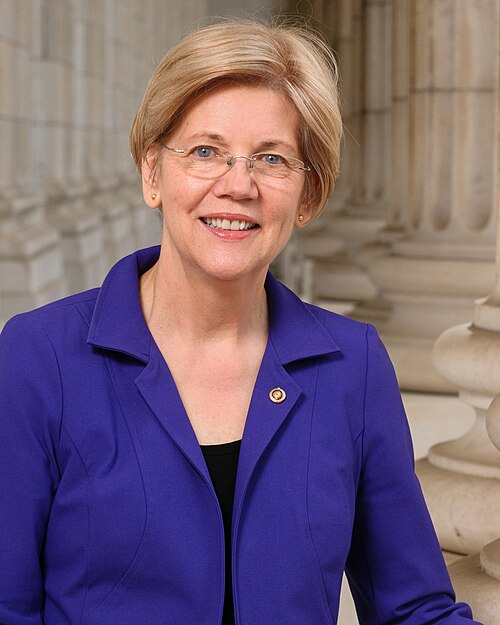
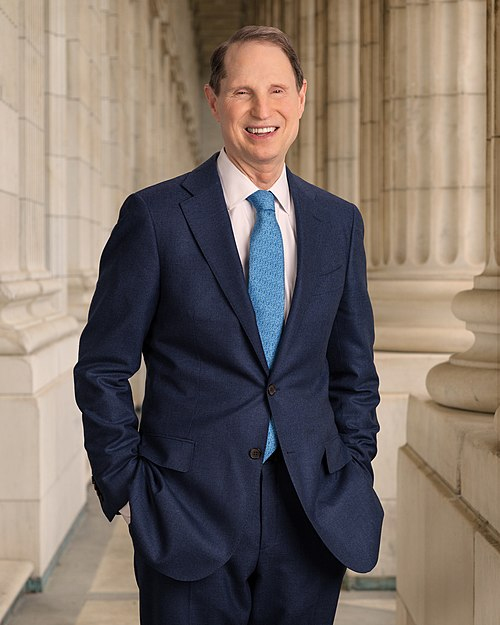
Sponsors
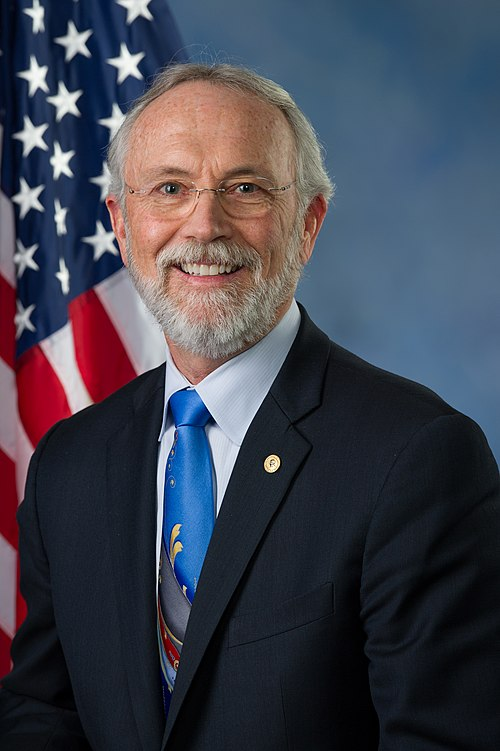
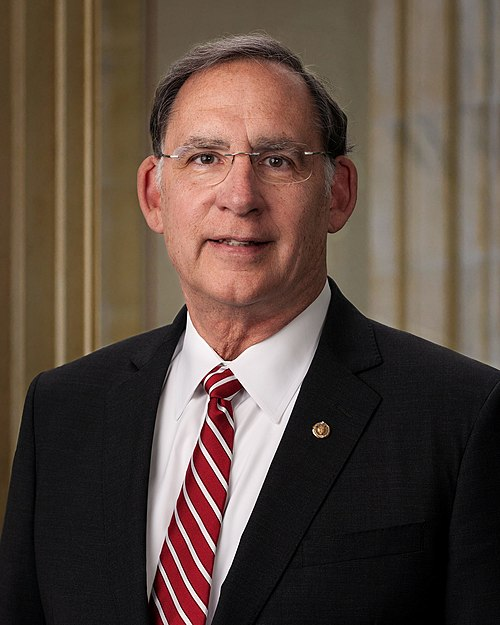
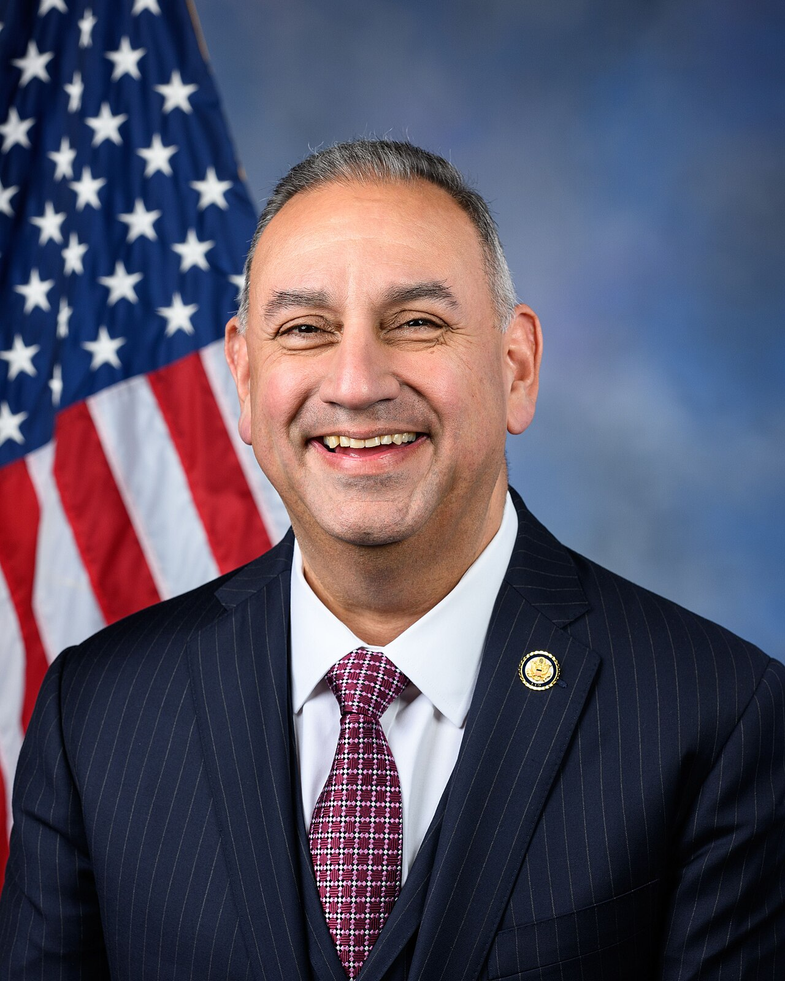
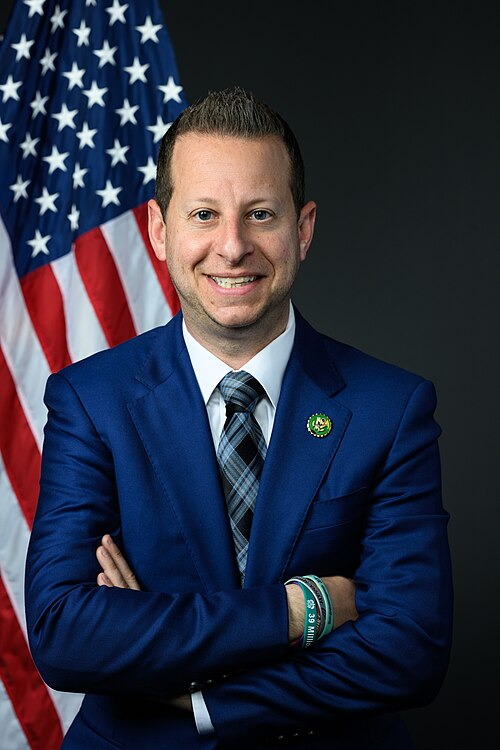
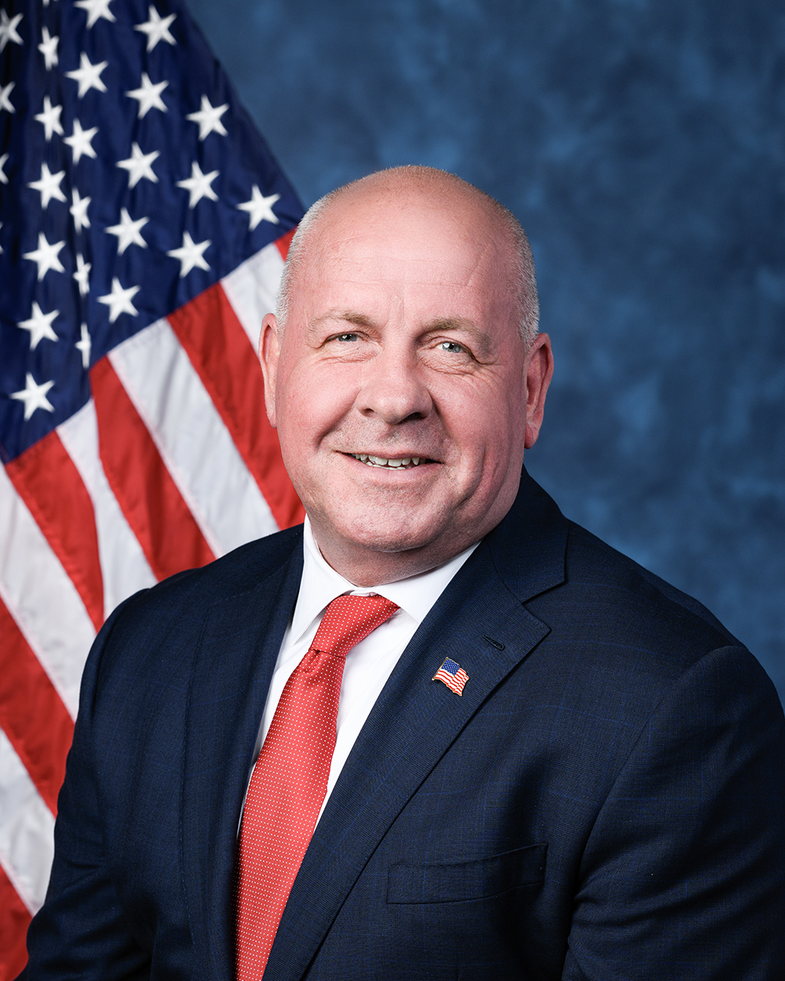
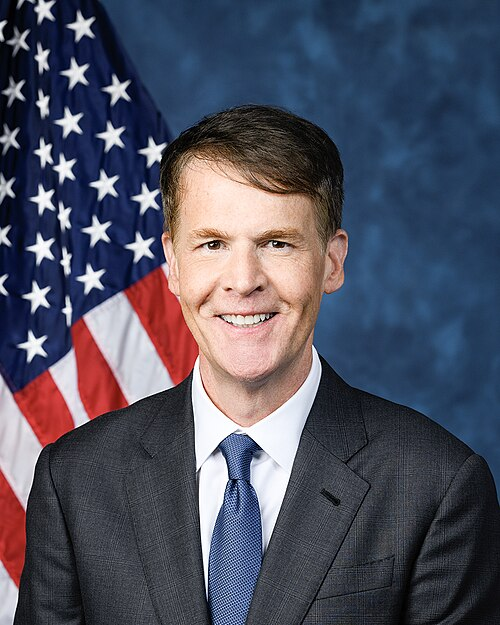
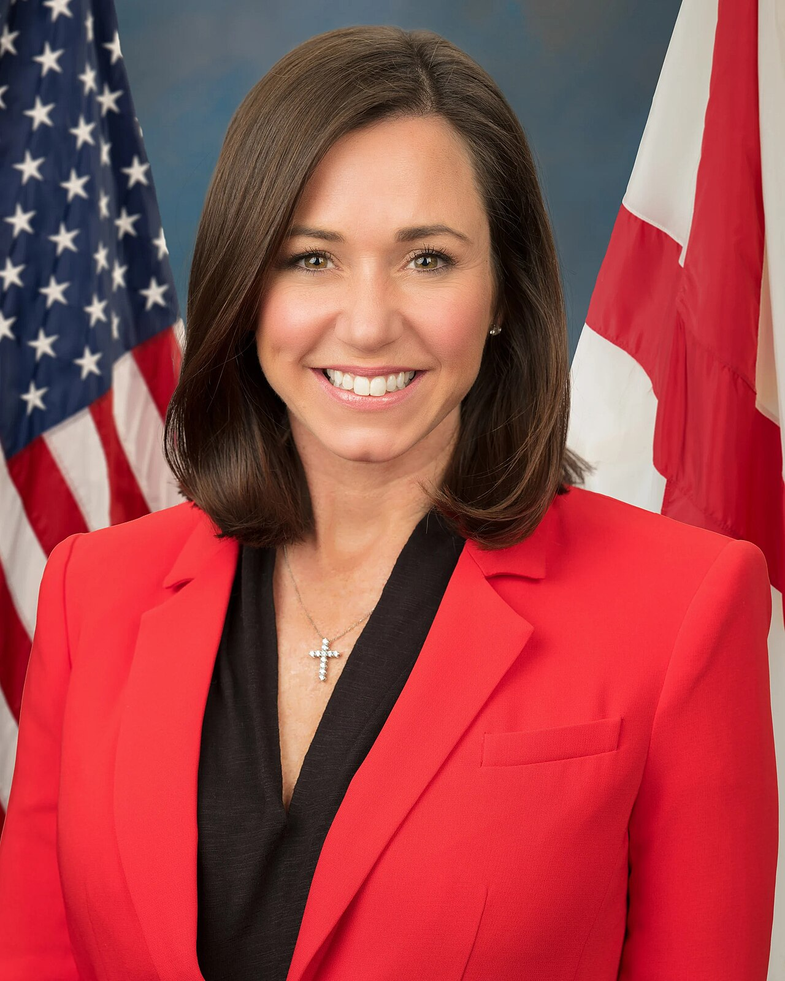
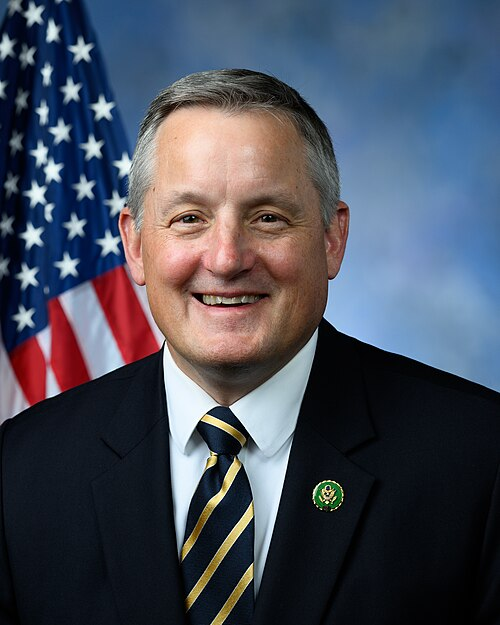
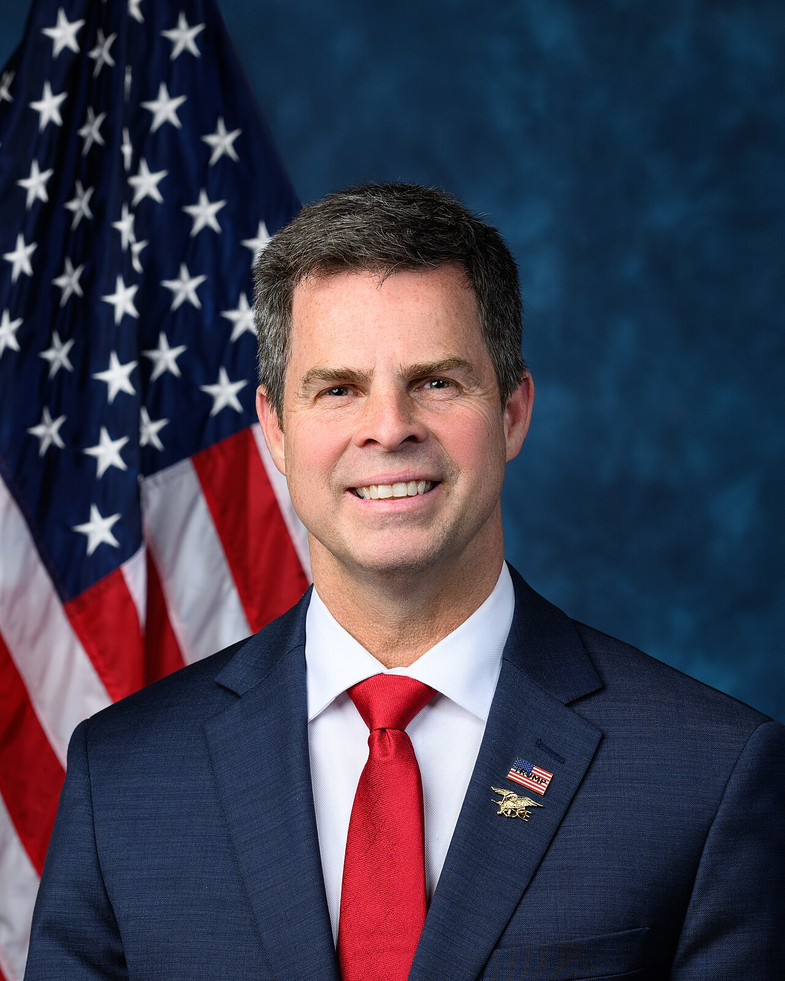
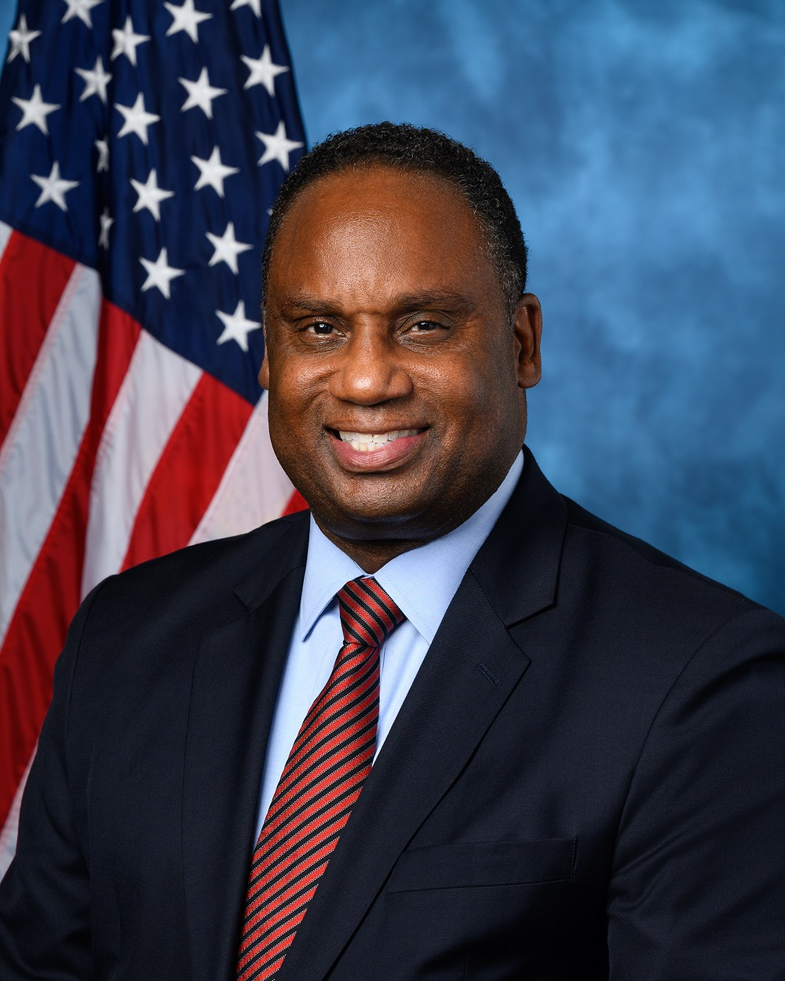
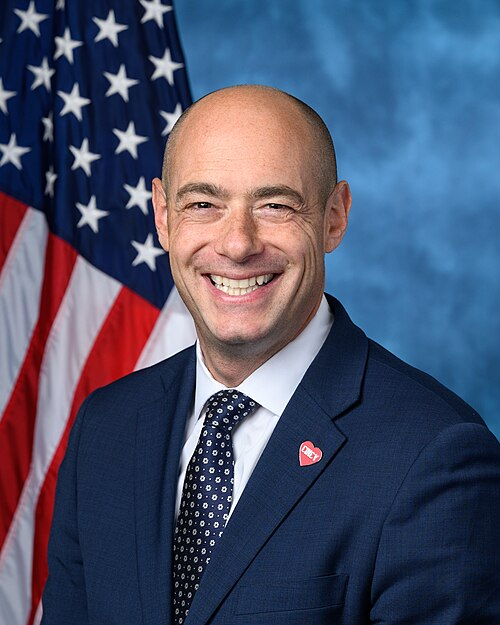
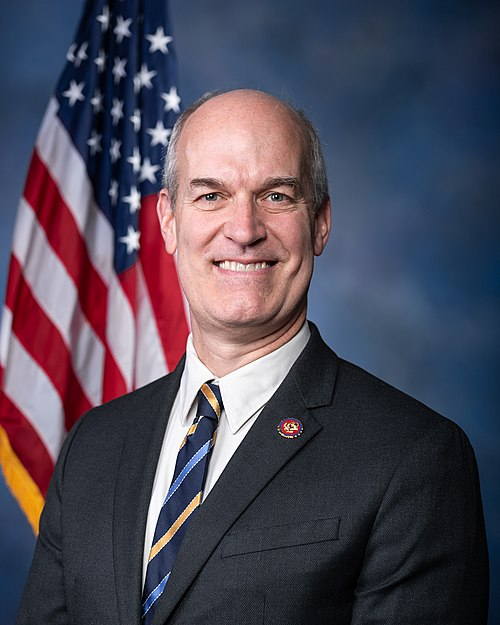
3 bill sponsors

Actions
2 actions
| Date | Action |
|---|---|
| Sep. 16, 2026 | Introduced in Senate |
| Sep. 16, 2026 | Read twice and referred to the Committee on Commerce, Science, and Transportation. |
Corporate Lobbying
0 companies lobbying
None found.
* Note that there can be significant delays in lobbying disclosures, and our data may be incomplete.