

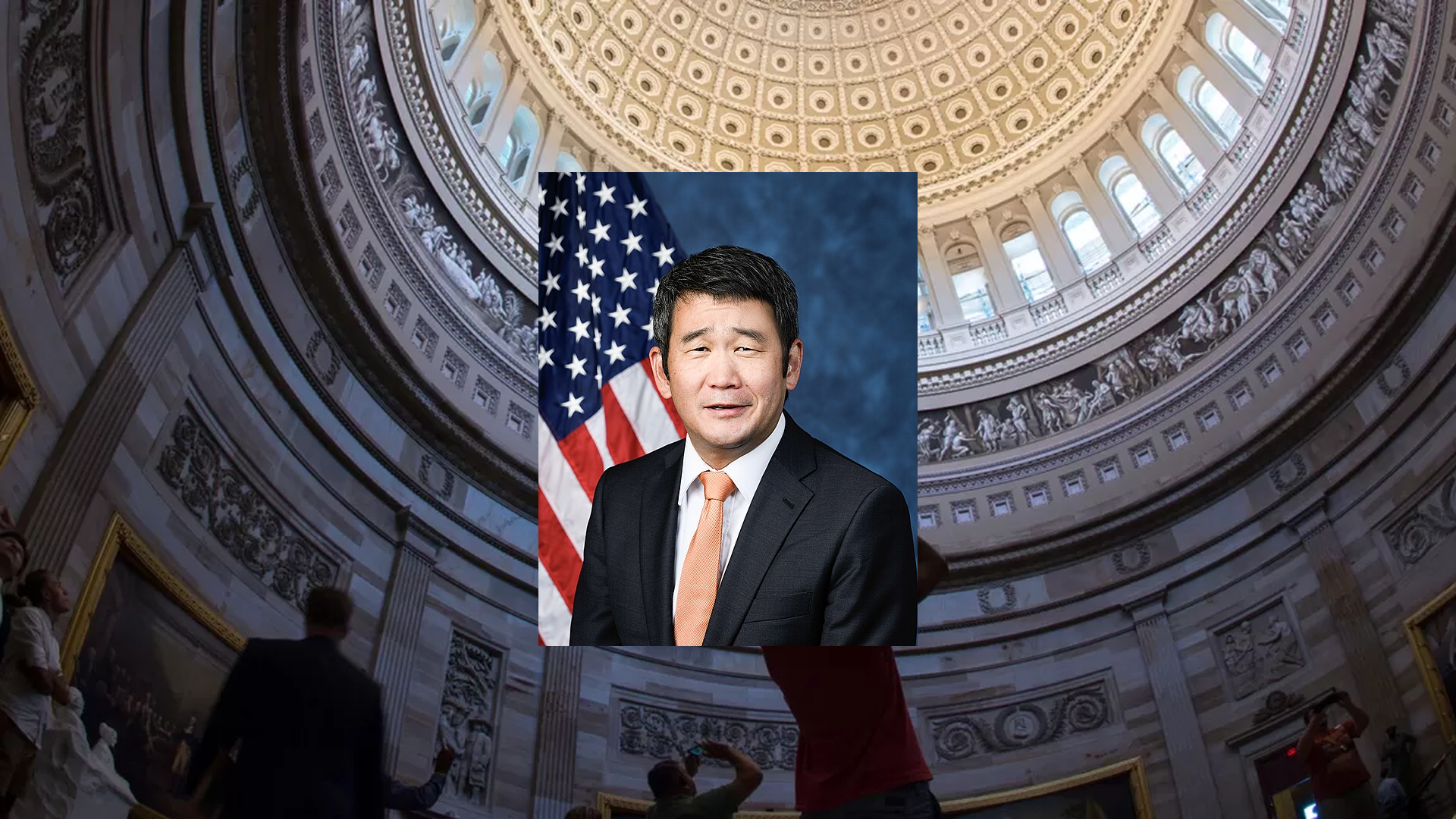
We have received text from H.R. 10686: Community Disaster Protection Act. This bill was received on 2026-10-01, and currently has 17 cosponsors.
Here is a short summary of the bill:
This bill would direct FEMA, through the Department of Homeland Security, to create a pilot grant program within 1 year to help certain public or community-based groups develop community-based catastrophe insurance . The goal is to create insurance products that cover losses from natural disasters or other hazards for a defined community, especially where traditional insurance is unavailable, unaffordable, or under strain.
What the program is for
The grants could support work that helps communities:
- design or launch disaster-related insurance products;
- study local insurance gaps, affordability problems, and disaster recovery needs;
- educate and enroll residents and businesses;
- use risk models and hazard data to estimate losses;
- build parametric insurance products, which pay out when a preset event or threshold is met rather than after a detailed loss adjustment;
- set up legal, actuarial, and administrative systems needed to run the program;
- create payment systems so claims or benefits can be paid quickly after a disaster;
- find non-federal funding sources, such as state or local money, philanthropy, community finance, insurance-linked securities, or other risk capital.
Who could receive grants
Eligible “covered entities” would include states, tribal governments, political subdivisions, Native Hawaiian organizations, Alaska Native Corporations, community nonprofits, and other stakeholders approved by FEMA, so long as they are authorized under state insurance law to perform the activities involved.
How the insurance products would have to work
Insurance programs supported by the grants would have to:
- supplement existing private insurance, not replace it;
- cover only specified natural hazards or disasters;
- use clear consumer disclosures in plain language and common community languages;
- explain what is covered, what is excluded, and how the product interacts with other insurance and disaster aid;
- disclose who bears the risk, whether that entity has a financial rating, and whether guaranty protection applies;
- describe premium assistance, cancellation rules, voluntary participation, claims processes, and how the program ends if it is discontinued;
- keep premiums actuarially sound and transparent;
- encourage risk reduction and resilience measures in the community;
- use streamlined enrollment and claims processes where possible.
If a program is parametric, it would have to use objective trigger conditions, try to reduce “basis risk” (the chance that the payout does not match actual losses), and explain these differences clearly to consumers.
State law and regulation
The bill says state insurance laws remain in control. It does not let FEMA or the federal government approve insurance products, set rates, license insurers or producers, or take over other state regulatory functions. Before offering a product, covered entities would need to seek confirmation from state regulators about whether the product counts as insurance under state law and what filings or licenses are required.
How FEMA would run the pilot
FEMA would have to issue guidance within 180 days covering application rules, evaluation criteria, allowable costs, state-regulator coordination, and data reporting. FEMA would also consult with the National Association of Insurance Commissioners, state regulators, Treasury’s Federal Insurance Office, covered entities, and private insurance-market participants.
Grant awards would be made competitively, with FEMA trying to choose projects that:
- cover different regions, demographics, and disaster-risk situations;
- focus on communities with high exposure to losses;
- can identify enough capital and partnerships to last beyond the pilot.
Reporting and review
The pilot would end on September 30, 2031. The Government Accountability Office would have to study the program during the pilot and again after it ends, looking at things like payout speed, affordability, participation, administrative costs, consumer understanding, recovery results, and barriers to wider use. Covered entities receiving grants would have to provide data to GAO, but not proprietary or trade-secret information.
Funding
The bill authorizes $20 million per year for fiscal years 2027 through 2031 to carry out the grant program.
Relevant Companies
None found
Representative Dave Min Bill Proposals
Here are some bills which have recently been proposed by Representative Dave Min:
- H.R.10686: Community Disaster Protection Act
- H.R.10579: Energy Cost Fairness and Reliability Act of 2026
- H.R.10578: AI DATA Act
- H.R.10114: To designate the facility of the United States Postal Service located at 15642 Sand Canyon Avenue in Irvine, California, as the "Mary Kageyama Nomura Post Office Building".
- H.R.9860: Pardon Transparency and Accountability Act of 2026
- H.R.9035: Ending Fossil Fuel Bailouts Act of 2026
You can track bills proposed by Representative Dave Min on Quiver Quantitative's politician page for Min.
Representative Dave Min Net Worth
Quiver Quantitative estimates that Representative Dave Min is worth $2.4M, as of October 8th, 2026. This is the 249th highest net worth in Congress, per our live estimates.
Min has approximately $207.4K invested in publicly traded assets which Quiver is able to track live.
You can track Representative Dave Min's net worth on Quiver Quantitative's politician page for Min.
Representative Dave Min Stock Trading
We have data on up to $30.0K of trades from Representative Dave Min, which we parsed from STOCK Act filings. Some of the largest trades include:
- A March 19th, 2025 sale of up to $15K of $FSLR. The stock has risen 39.27% since then.
- A March 19th, 2025 sale of up to $15K of $ZOOM.
You can track Representative Dave Min's stock trading on Quiver Quantitative's politician page for Min.
2026 California's 47th Congressional District Election
There has been approximately $18,430,985 of spending in California's 47th congressional district elections over the last two years, per our estimates.
Approximately $12,273,353 of this has been from outside spending by PACs and Super PACs. Some of the groups who are spending money in this race include:
- HMP ($5,574,606)
- CLUB FOR GROWTH ACTION ($1,614,297)
- EVERYTOWN FOR GUN SAFETY VICTORY FUND (EVERYTOWN VICTORY FUND) ($1,121,672)
- LCV VICTORY FUND ($1,037,229)
- WORKER POWER PAC ($815,916)
The rating for this race is currently "Solid D".
You can track this election on our matchup page for the 2026 California's 47th congressional district election.
This article is not financial advice. See Quiver Quantitative's disclaimers for more information.