
H.R. 9860: Pardon Transparency and Accountability Act of 2026
This bill would require the President to publicly explain, in writing, the reasons for any executive clemency action, including pardons, commutations, reprieves, and remissions of fines. The explanation would have to be published on the same day the clemency is granted in both the Federal Register and on the President’s official website.
What the Pardon Attorney would have to do
The bill gives the Justice Department’s Pardon Attorney new responsibilities whenever the President is considering clemency:
- The Pardon Attorney must start preparing a Justice Impact Statement as soon as they learn clemency may be under consideration.
- That statement must be shared with the President and Congress as soon as practical, and no later than 30 days after the Pardon Attorney learns about the possible clemency action.
- The statement must describe efforts to contact victims, the victims’ written statements if any, and the views of law enforcement and other officials about how clemency could affect an investigation or prosecution.
- If clemency is granted before the statement is finished, the statement still must be completed and submitted afterward.
- Any Department of Justice or Executive Office of the President employee who learns the President is considering clemency must immediately notify the Pardon Attorney.
Victim involvement
The bill requires reasonable efforts to inform victims of the crime that they may submit written statements for inclusion in the Justice Impact Statement. It also requires the Pardon Attorney to try to determine the victims’ views on the proposed clemency action.
Lobbying disclosure changes
The bill also changes federal lobbying rules so that lobbying related to clemency is treated as lobbying for purposes of disclosure requirements. In practical terms, this means:
- Trying to influence a clemency decision would count as a lobbying activity under the Lobbying Disclosure Act.
- People or organizations lobbying about clemency may have to register quickly, even if the activity is small and would not otherwise trigger registration thresholds.
- Registered lobbyists would have to file reports about clemency-related lobbying contacts within 2 days.
Oversight and reporting
Starting 180 days after the law takes effect, and every two years after that, the Pardon Attorney would have to study how well people are complying with the law. The Pardon Attorney would then send Congress a report with the findings and any recommendations for improving compliance.
Other provisions
The bill includes a severability clause, which means that if one part of the law is struck down, the rest could still remain in effect.
Relevant Companies
None found
This is an AI-generated summary of the bill text. There may be mistakes.
Sponsors
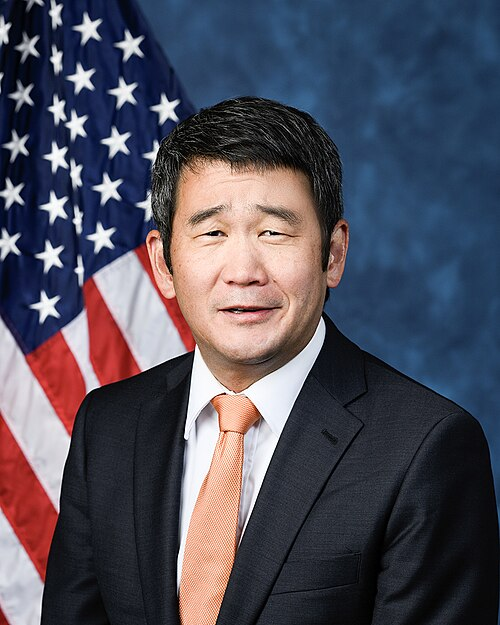
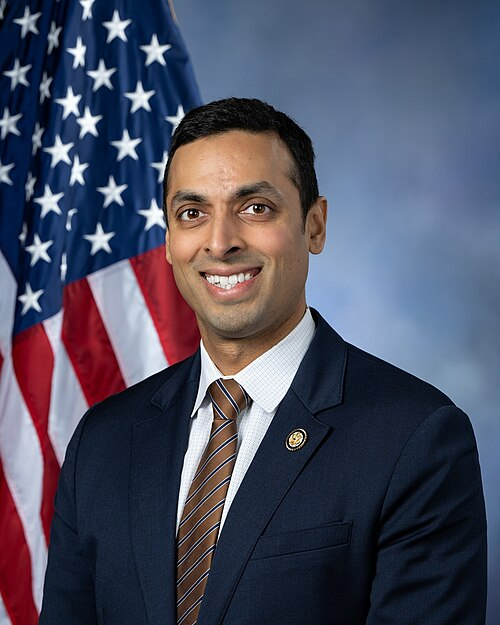
2 bill sponsors
Actions
2 actions
| Date | Action |
|---|---|
| Jul. 22, 2026 | Introduced in House |
| Jul. 22, 2026 | Referred to the House Committee on the Judiciary. |
Corporate Lobbying
0 companies lobbying
None found.
* Note that there can be significant delays in lobbying disclosures, and our data may be incomplete.
Potentially Relevant Congressional Stock Trades
No relevant congressional stock trades found.