H.R. 9035: Ending Fossil Fuel Bailouts Act of 2026
This bill, known as the "Ending Fossil Fuel Bailouts Act of 2026," aims to change how bankruptcy laws apply to fossil fuel companies, specifically those involved in oil, gas, and coal. Here are the main points of what the bill would do:
1. Definitions
- It defines terms such as "coal," "oil," "gas," and "fossil fuel company" to clarify the scope of the law.
- It specifies who is considered an "executive officer" in the context of these companies.
2. Prioritization of Expenses
The bill establishes a new order for prioritizing expenses when a fossil fuel company goes bankrupt. This includes:
- Ensuring that costs related to environmental cleanup and reclamation of fossil fuel operations are treated as necessary expenses.
- Reclamation costs, including any unfulfilled obligations regarding environmental bonds, take priority over other debts.
3. Limitations on Dischargeability
The bill amends bankruptcy laws to prevent certain obligations related to reclamation and environmental bonds from being discharged in bankruptcy. This means:
- Accumulated and projected costs for cleanup of fossil fuel operations cannot be eliminated through bankruptcy.
4. Prohibition on Abandonment of Fossil Fuel Assets
Fossil fuel companies cannot abandon properties related to oil, gas, or coal operations during bankruptcy proceedings if those properties can support cleanup efforts.
5. Extension on Look-back Period for Fraudulent Transfers
The bill extends the period for which fraudulent transfers can be challenged during bankruptcy, specifically allowing for a 10-year look-back period for certain transactions made by fossil fuel companies.
6. Limitations on Transfer of Certain Leases
It includes provisions that prevent companies from transferring oil, gas, or coal leases if they have filed for bankruptcy under Title 11 of the United States Code.
7. Enforcement and Liabilities
The bill imposes liabilities on executive officers and certain ownership entities, such as private equity firms and parent companies, to cover reclamation costs if the company cannot.
8. Effective Date
The amendments would take effect on the date the bill is enacted and would apply to bankruptcy cases filed after that date.
Relevant Companies
- XOM (Exxon Mobil Corporation): As one of the largest oil and gas companies, this legislation could impact its bankruptcy process, particularly concerning its reclamation obligations.
- CVX (Chevron Corporation): Similar to ExxonMobil, Chevron may need to address increased responsibility for cleanup and reclamation efforts if it faces bankruptcy.
- APE (Yancoal Australia Ltd.): Being involved in coal production, Yancoal may also experience significant changes in how reclamation costs are handled during bankruptcies.
This is an AI-generated summary of the bill text. There may be mistakes.
Sponsors
18 bill sponsors
-
TrackDave Min

Sponsor
-
TrackYassamin Ansari

Co-Sponsor
-
TrackSuzanne Bonamici

Co-Sponsor
-
TrackJulia Brownley

Co-Sponsor
-
TrackSalud O. Carbajal

Co-Sponsor
-
TrackAndré Carson

Co-Sponsor
-
TrackSean Casten

Co-Sponsor
-
TrackJudy Chu

Co-Sponsor
-
TrackMaxine Dexter

Co-Sponsor
-
TrackRobert Garcia

Co-Sponsor
-
TrackJared Huffman

Co-Sponsor
-
TrackMike Levin

Co-Sponsor
-
TrackTed Lieu

Co-Sponsor
-
TrackZoe Lofgren

Co-Sponsor
-
TrackKevin Mullin
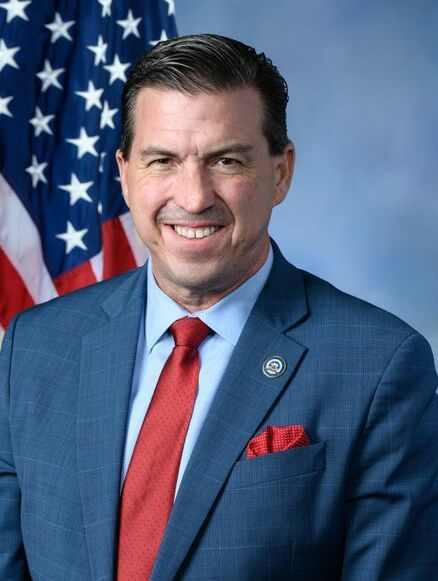
Co-Sponsor
-
TrackRashida Tlaib

Co-Sponsor
-
TrackJuan Vargas
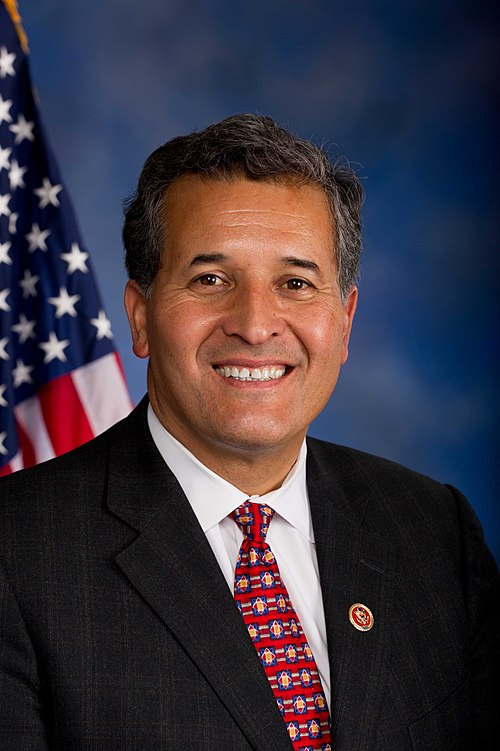
Co-Sponsor
-
Tracknan

Co-Sponsor
Actions
2 actions
| Date | Action |
|---|---|
| May. 26, 2026 | Introduced in House |
| May. 26, 2026 | Referred to the Committee on the Judiciary, and in addition to the Committee on Natural Resources, for a period to be subsequently determined by the Speaker, in each case for consideration of such provisions as fall within the jurisdiction of the committee concerned. |
Corporate Lobbying
0 companies lobbying
None found.
* Note that there can be significant delays in lobbying disclosures, and our data may be incomplete.