S. 5725: Expanding Whistleblower Protections for Contractors Act
This bill would expand whistleblower protections for people who work on federal contracts, grants, and similar arrangements, especially in defense and NASA work.
What changes it makes
- It broadens the group of people covered by whistleblower rules so they include not only employees, but also contractors, subcontractors, grantees, subgrantees, former employees in some cases, and certain people performing personal services under federal contracts.
- It protects covered people from retaliation if they:
- refuse to carry out an order that would require them to break a law, rule, or regulation tied to a contract, subcontract, grant, or subgrant;
- report information they reasonably believe shows gross mismanagement, gross waste of funds, abuse of authority, or legal violations involving federal contracts or grants; or
- report a substantial and specific danger to public health or safety.
- For the Department of Defense and NASA, the bill specifically says an executive branch official cannot ask a contractor, subcontractor, grantee, or subgrantee to take retaliatory action against a whistleblower.
- It adds language allowing disciplinary action to be proposed against executive branch officials who make such retaliatory requests.
- It says the whistleblower rights, forum, and remedies under these laws cannot be waived by agreements, workplace policies, forms, or employment conditions, including predispute arbitration agreements.
Agencies and activity covered
- One section applies to Defense Department and NASA contracts, subcontracts, grants, and subgrants.
- Another section applies more broadly to federal contracts, subcontracts, grants, and subgrants across the federal government.
Practical effect
In plain terms, the bill would make it easier for more people connected to federal contracting and grant work to report wrongdoing or unsafe conditions without facing retaliation. It would also limit attempts to force those rights away through contracts, workplace paperwork, or arbitration clauses.
Relevant Companies
- LDOS — Leidos could be affected because it performs significant work as a federal contractor, including defense-related contracts, and would be subject to the expanded whistleblower rules.
- RTX — RTX has major U.S. government and defense contracting operations, so its contractor workforce and compliance practices could be affected by the broader retaliation protections.
- LMT — Lockheed Martin is a large defense contractor and could be directly impacted by the bill’s rules for contractor and subcontractor whistleblowers.
- NOC — Northrop Grumman conducts extensive federal defense work and would likely need to adjust whistleblower-related compliance and employment practices.
- BA — Boeing has substantial federal aerospace and defense contracts, including work that may fall under the bill’s expanded protections.
- HON — Honeywell receives significant federal contract work in defense and aerospace, which could bring its contractors and employees under the expanded protections.
- KTOS — Kratos Defense & Security Solutions is a defense contractor that could be affected by the bill’s expanded anti-retaliation provisions.
- KBR — KBR performs government and defense contracting services and could be directly impacted by the changes to whistleblower coverage and waiver limits.
This is an AI-generated summary of the bill text. There may be mistakes.
Sponsors
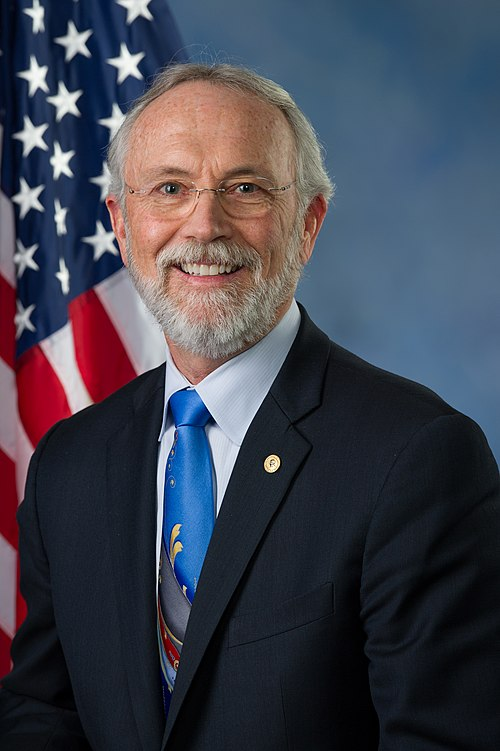
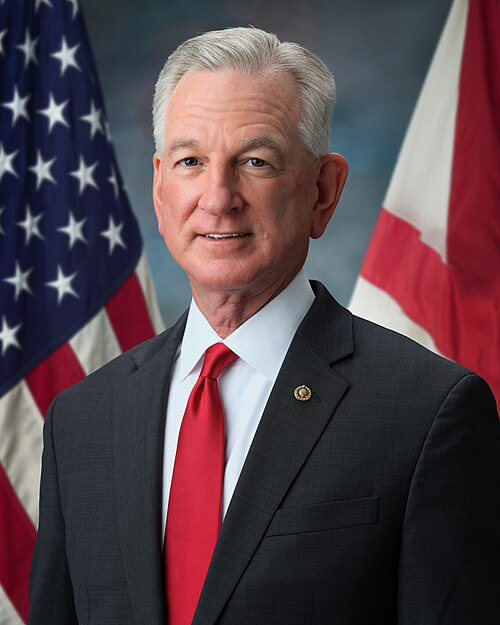
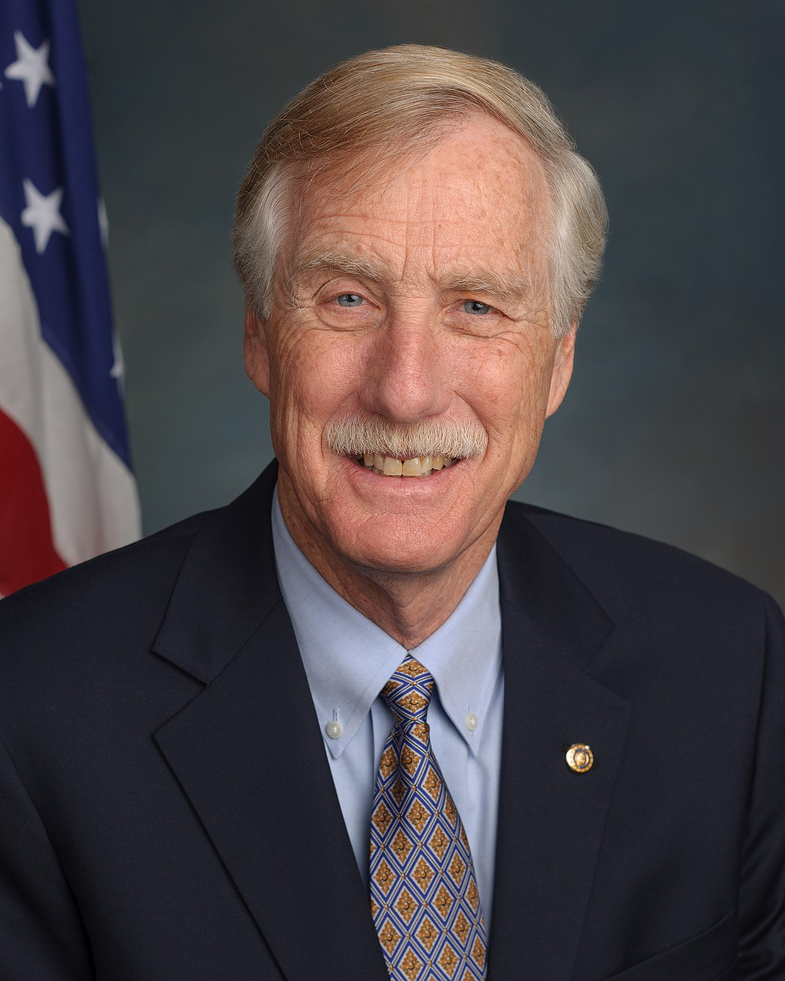
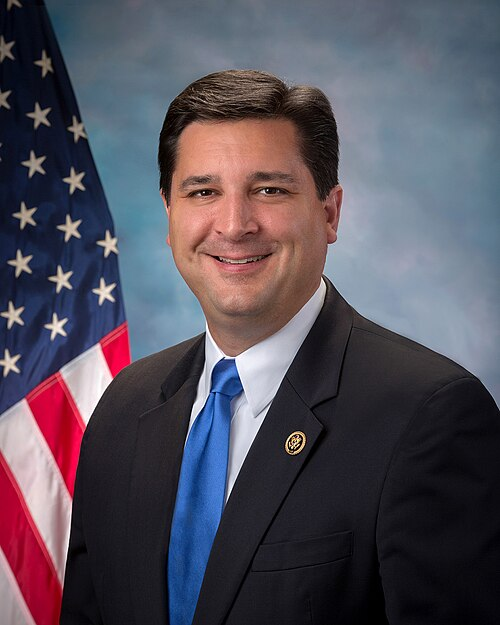
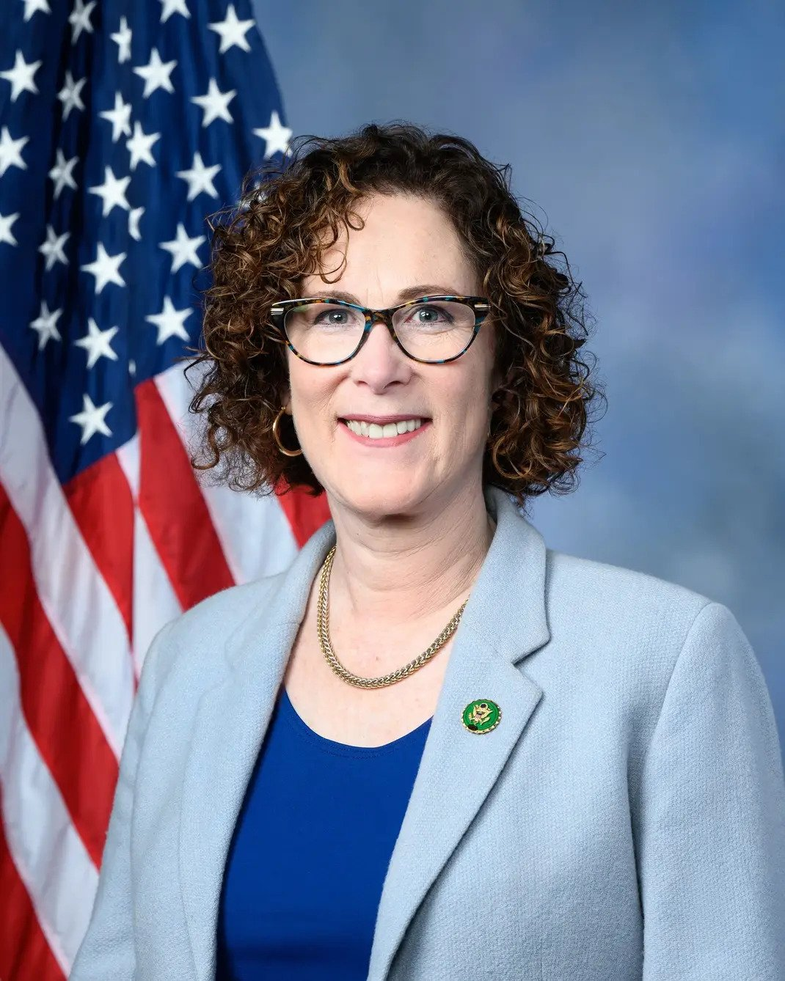
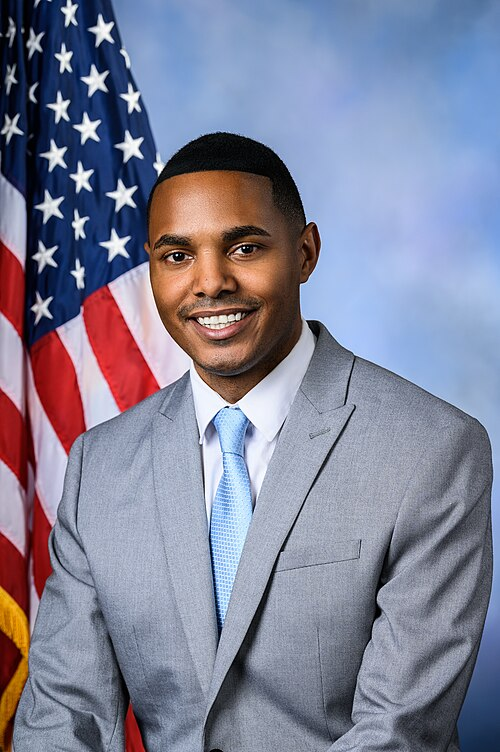
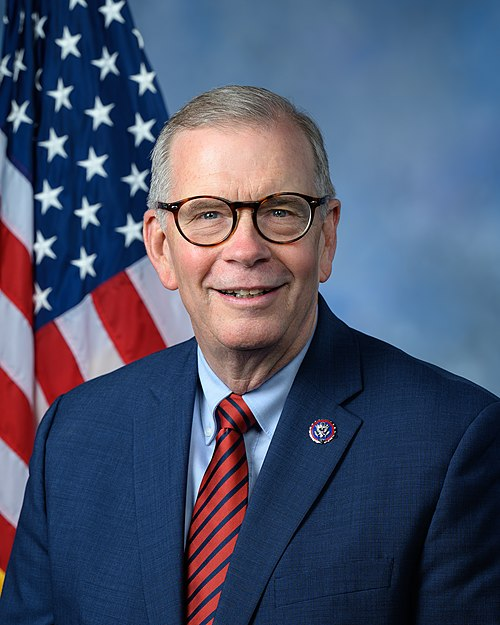
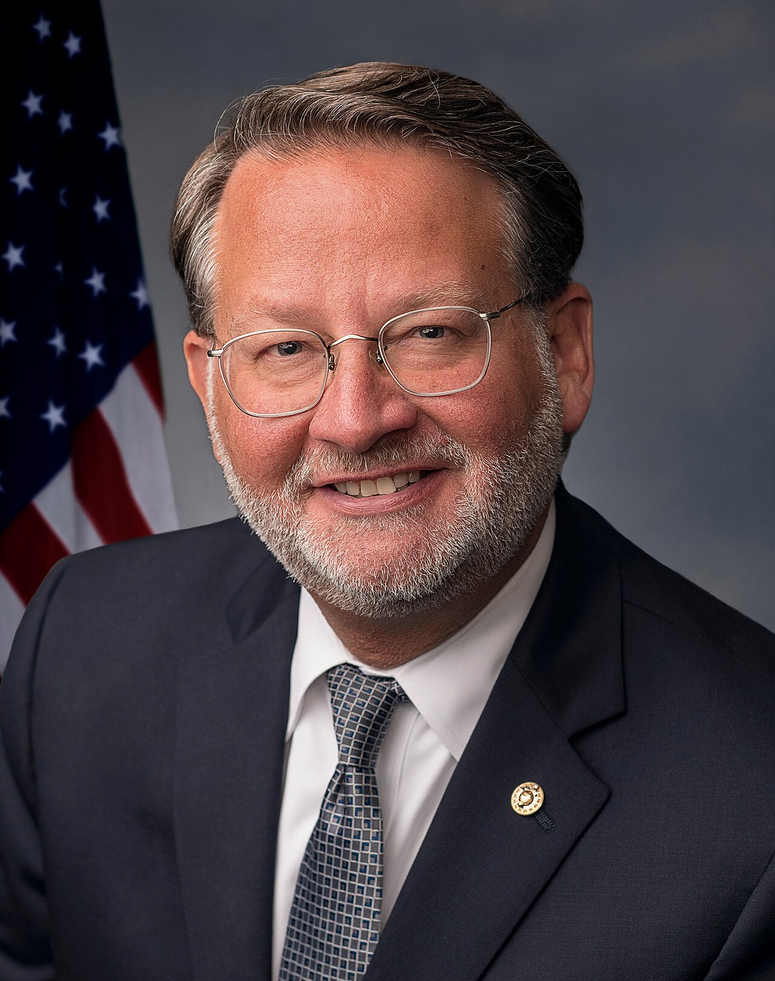
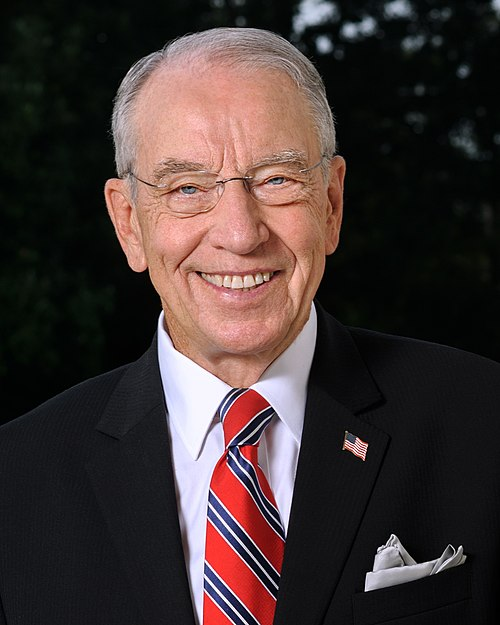
2 bill sponsors
Actions
2 actions
| Date | Action |
|---|---|
| Nov. 17, 2026 | Introduced in Senate |
| Nov. 17, 2026 | Read twice and referred to the Committee on Homeland Security and Governmental Affairs. |
Corporate Lobbying
0 companies lobbying
None found.
* Note that there can be significant delays in lobbying disclosures, and our data may be incomplete.