S. 3387: One Fair Price Act of 2025
Summary of the One Fair Price Act of 2025
The One Fair Price Act of 2025 is a legislative proposal that seeks to regulate how companies set prices for their products and services based on consumer data. The bill primarily aims to prohibit businesses from using "surveillance data"—information gathered about individuals' behaviors or personal information—to charge different prices to different consumers for the same or similar goods or services.
Key Provisions of the Bill
1. Prohibition on Surveillance-Based Price Setting:
- Under the bill, it would be illegal for companies to charge different prices based on surveillance data unless certain conditions are met.
- This prohibition applies to any situation where businesses use personal data to determine pricing.
2. Safe Harbor Exceptions:
- There are some exceptions where price differences may be allowed, including:
- If the price difference is due to different costs associated with providing a product or service to various consumers.
- If discounts are given to broad groups of people (e.g., veterans, students) or those enrolled in loyalty programs, provided that the terms are clear and disclosed before purchase.
3. Consumer Transparency Requirements:
- Any differences in pricing must be clearly explained to consumers before they make a purchase.
- Eligibility for discounts must be transparently communicated, and discounts must be applied uniformly to all eligible consumers.
4. Exemptions for Certain Industries:
- The bill specifies that its rules do not apply to insurance or credit products, allowing those markets to continue pricing as they currently do.
Enforcement Mechanisms
1. Enforcement by the Federal Trade Commission (FTC):
- The FTC will be responsible for enforcing the provisions of this act, treating violations similarly to breaches of existing consumer protection laws.
- Penalties for violations could include monetary fines and other legal ramifications.
2. State Attorney General Powers:
- State attorneys general can take legal action on behalf of residents who may be affected by violations of the bill.
- This includes the ability to seek injunctions, enforce compliance, and pursue damages on behalf of the state’s citizens.
3. Private Right of Action:
- Individuals can also file lawsuits against companies that violate the act, seeking monetary damages or other legal remedies.
- They can claim either actual damages or a set amount for violations.
Study and Reporting Requirements
The bill mandates that the Office of Advocacy of the Small Business Administration conduct a study to evaluate the act's effects on small businesses and competition. The results will be submitted to Congress for further consideration.
Definitions and Key Terms
- Surveillance Data: Information related to an individual's personal data, behavior, or biometrics collected to inform pricing strategies.
- Bona Fide Discount: A legitimate price reduction from a genuine regular price, not artificially inflated to create the impression of a discount.
Application to Air Carriers and Ticket Agents
The bill includes specific provisions that prohibit airlines and ticket agents from engaging in surveillance-based pricing practices.
Relevant Companies
- AAL - American Airlines Group Inc.: This airline may need to adjust its pricing strategies to comply with the bill's prohibition on using surveillance data for pricing.
- DAL - Delta Air Lines Inc.: Similar to American Airlines, Delta may be impacted by the legislation's restrictions on pricing based on consumer data.
- LUV - Southwest Airlines Co.: Compliance with the new pricing regulations could necessitate changes in their current pricing models.
This is an AI-generated summary of the bill text. There may be mistakes.
Sponsors
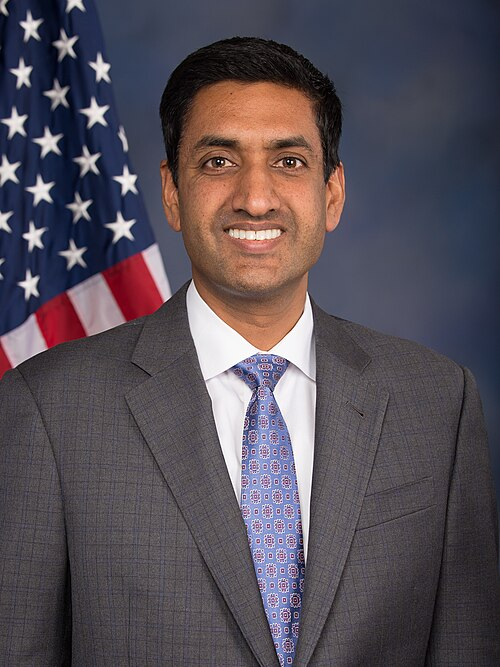
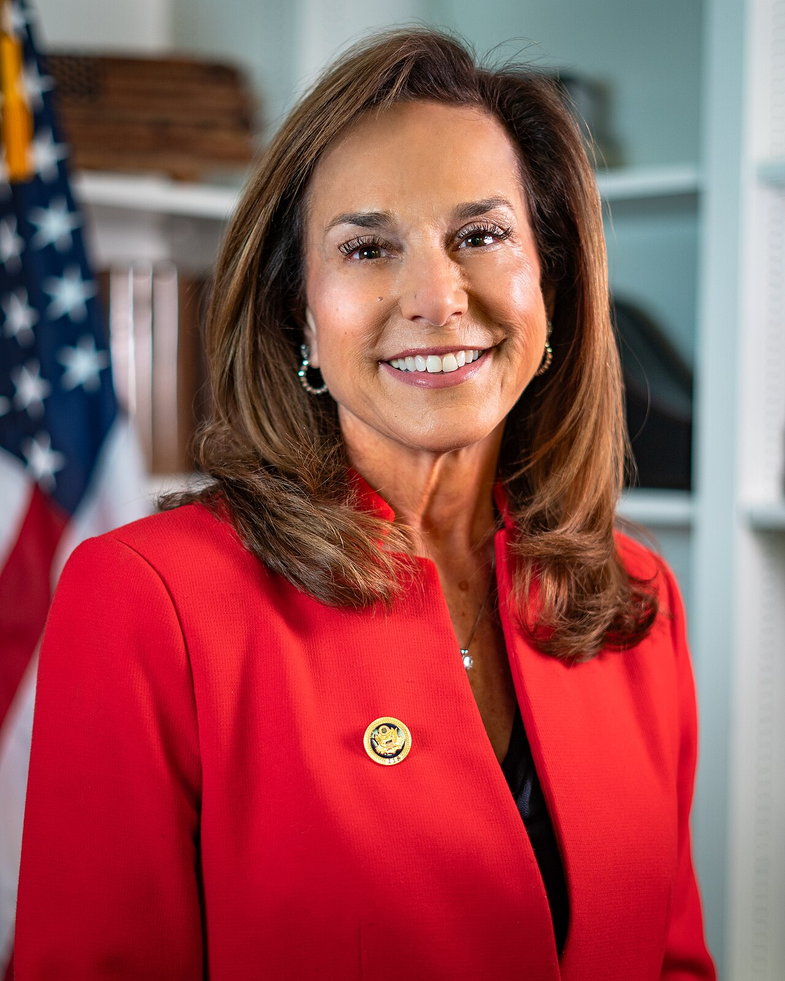
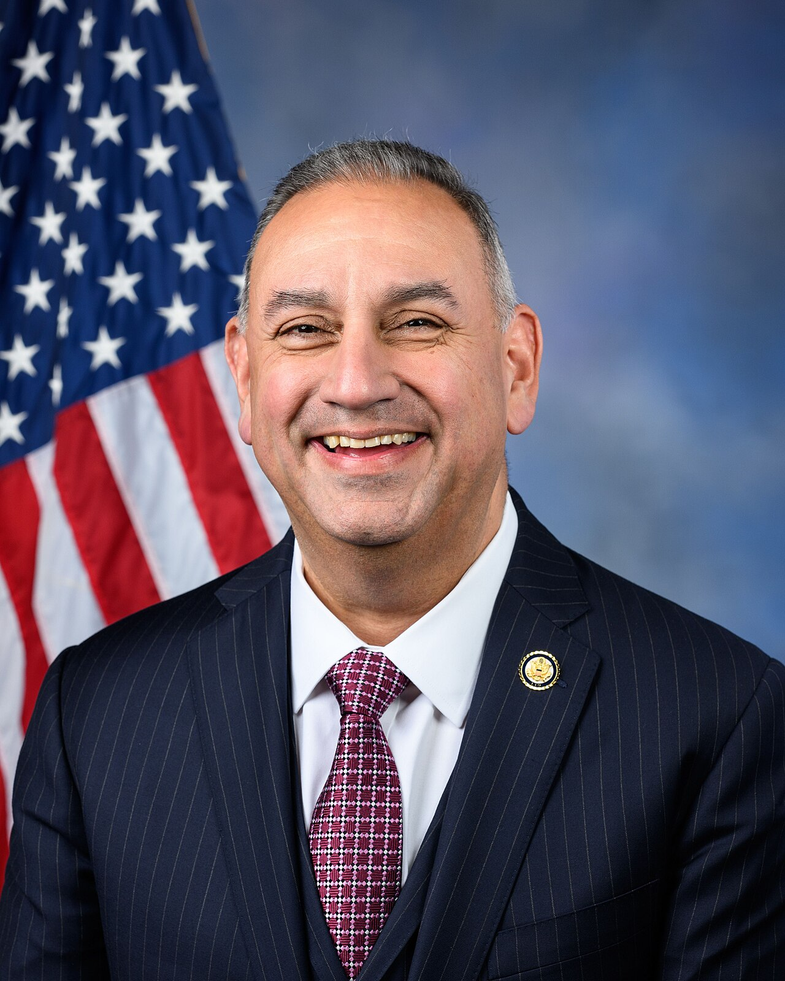
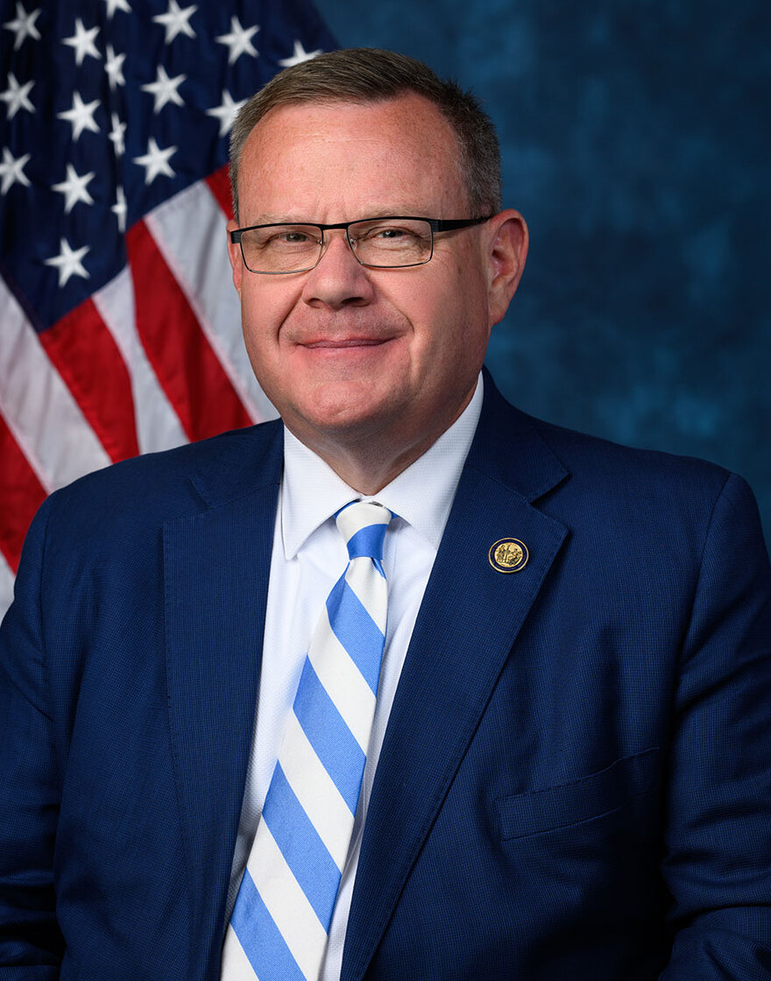
4 bill sponsors

Actions
2 actions
| Date | Action |
|---|---|
| Dec. 08, 2025 | Introduced in Senate |
| Dec. 08, 2025 | Read twice and referred to the Committee on Commerce, Science, and Transportation. |
Corporate Lobbying
0 companies lobbying
None found.
* Note that there can be significant delays in lobbying disclosures, and our data may be incomplete.