H.R. 9194: Build American Efficiency Act
This bill, known as the Build American Efficiency Act, relates to the compliance of domestic content requirements for financial assistance administered by the Department of Housing and Urban Development (HUD) under the Build America, Buy America Act. Here’s a breakdown of the key provisions of the bill:
Domestic Content Certification
The bill specifies that documentation produced under a process known as the Make It American Process Standard (NEMA 70901–2024) will be deemed acceptable for verifying that recipients of HUD funding meet domestic content requirements. This means that when organizations or companies seek financial assistance from HUD, they can use this specific standard to show that a certain amount of the materials or components they plan to use are produced in the United States.
Flexibility in Documentation
Importantly, the bill makes clear that:
- Recipients or potential recipients of HUD financial assistance are not mandated to use the Make It American Process Standard documentation. They have the option to use other methods of certification as long as those methods comply with the law.
- The bill does not prevent recipients from seeking alternative certifications that may also fulfill the domestic content requirements prescribed by law.
Similar Standards
The Secretary of Housing and Urban Development has the authority to accept documentation from standards similar to the Make It American Process Standard if they are found to provide a reliable and verifiable process for certifying domestic content compliance. This provision aims to allow for broader flexibility in certification methods while maintaining the integrity of domestic content requirements.
Purpose
The overall goal of this legislation is to clarify the evidentiary requirements for compliance with domestic content regulations, thereby potentially streamlining the process for organizations looking to access federal funding while promoting the use of American-made products.
Relevant Companies
- ADBE (Adobe Inc.): Adobe may need to adjust its procurement processes or materials sourcing if it is involved in projects seeking HUD funding that would require certification of domestic content.
- FLT (FleetCor Technologies): FleetCor, if involved in housing and financial projects under HUD, may have to adhere to the new standards for documentation regarding domestic content.
- PLTR (Palantir Technologies): Palantir may also be impacted if it participates in data or software projects that are funded by HUD and need to prove domestic content compliance.
This is an AI-generated summary of the bill text. There may be mistakes.
Sponsors
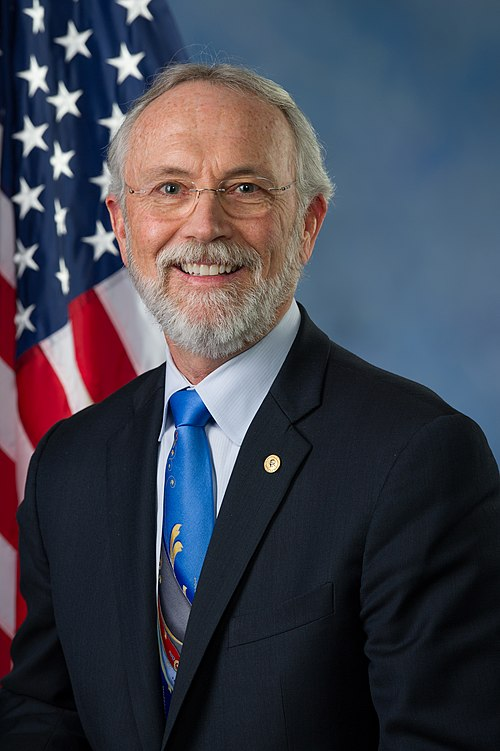
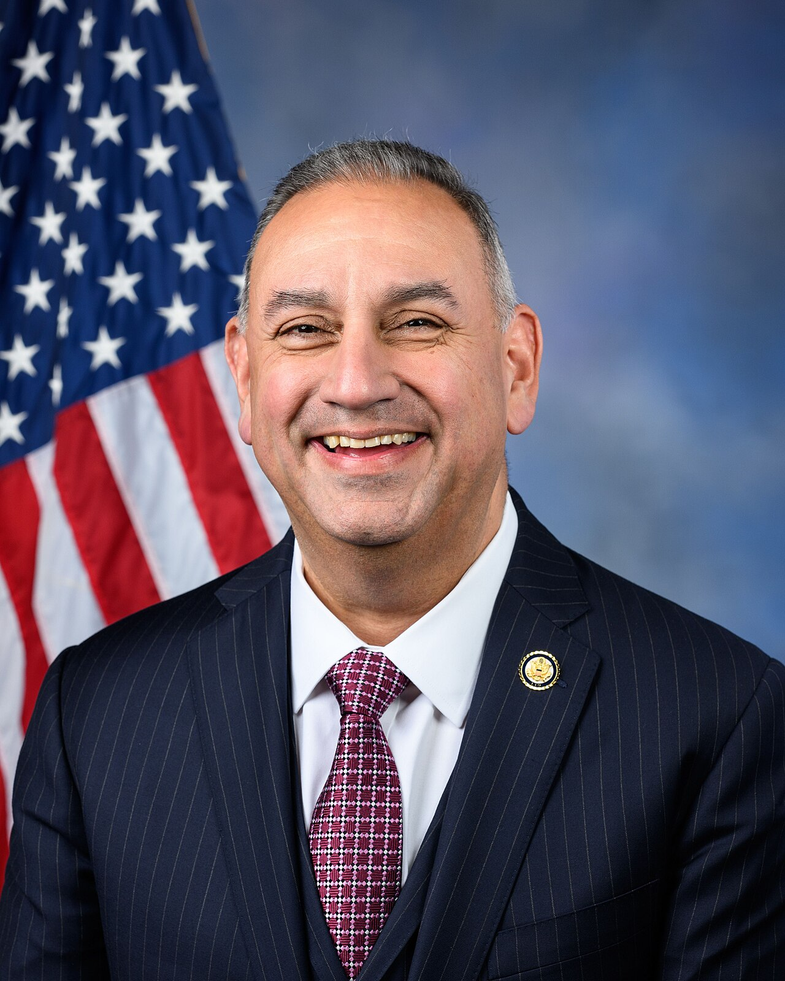
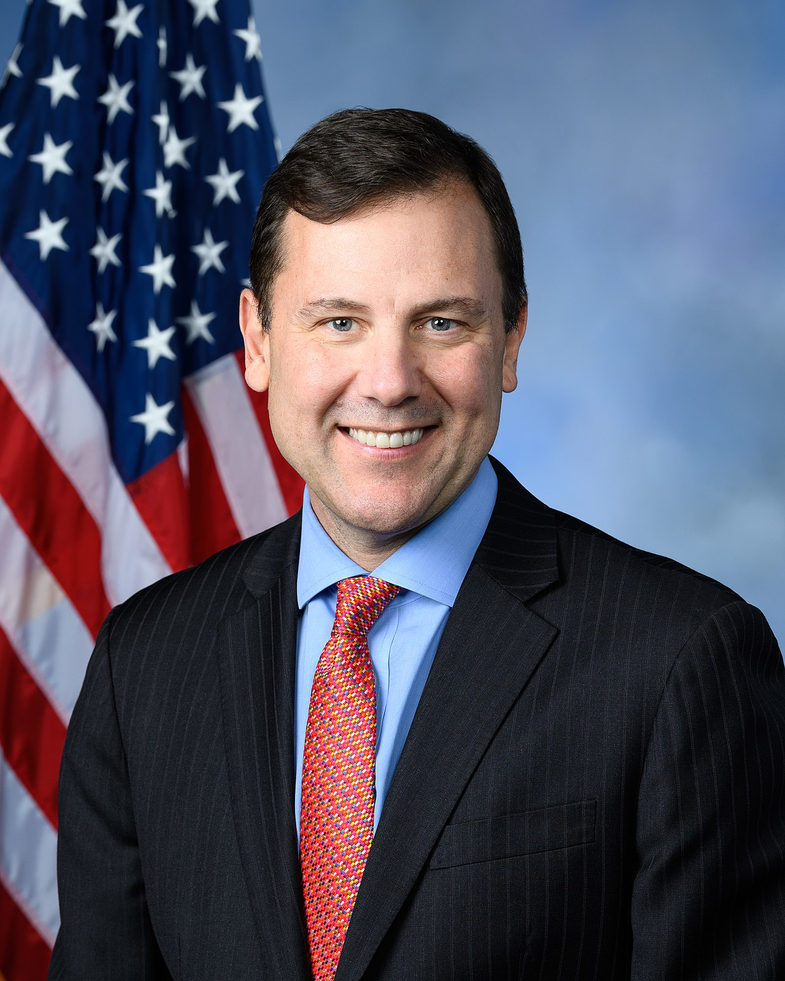
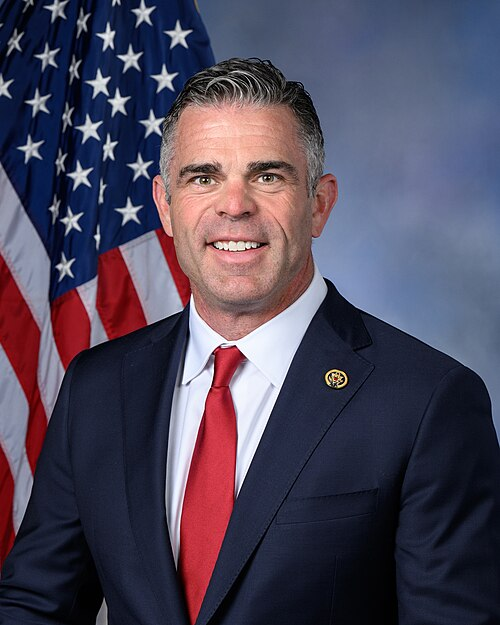
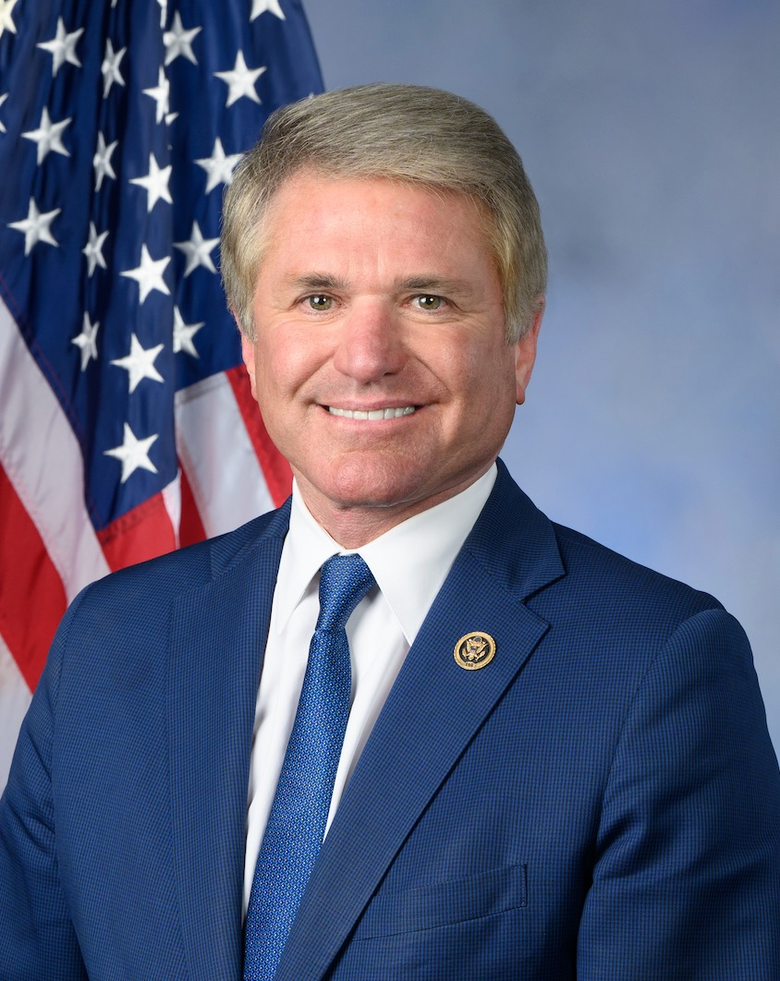
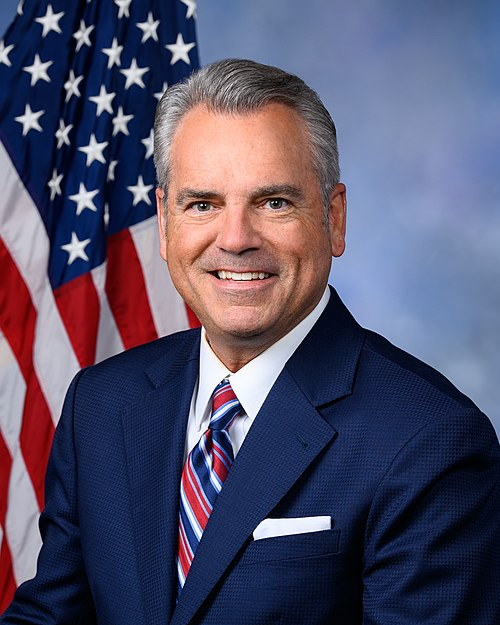
8 bill sponsors







Actions
2 actions
| Date | Action |
|---|---|
| Jun. 08, 2026 | Introduced in House |
| Jun. 08, 2026 | Referred to the House Committee on Financial Services. |
Corporate Lobbying
0 companies lobbying
None found.
* Note that there can be significant delays in lobbying disclosures, and our data may be incomplete.