H.R. 8458: Stopping Theft and Aerospace Reconnaissance Act
This bill, titled the Stopping Theft and Aerospace Reconnaissance Act
(STAR Act), aims to enhance the security of certain U.S. facilities and assets, particularly those under the jurisdiction of NASA and related to space launches, from threats posed by unmanned aircraft systems (UAS), commonly known as drones. Here’s a summary of its key provisions:
Protection of NASA Facilities
The bill grants the Administrator of NASA the authority to take a range of actions to protect NASA facilities from unmanned aircraft systems. These actions include:
- Detection and Monitoring: Identifying and tracking unauthorized unmanned aircraft without needing prior consent.
- Warning Operators: Issuing warnings to the operators of such drones.
- Disrupting Control: Disabling or taking over control of the aircraft using electronic interference.
- Seizure or Confiscation: Confiscating or seizing the unmanned aircraft.
- Destruction: Using reasonable force to disable or destroy the aircraft if deemed necessary.
Any unmanned aircraft that is seized can be forfeited to the U.S. government.
Reporting and Accountability
There are provisions for reporting actions taken against unmanned aircraft. The Administrator is required to inform local law enforcement agencies whenever actions such as disrupting control or seizing aircraft are taken. Additionally, there are annual reporting requirements to various government entities regarding these activities.
Protecting Space Launch Property
Similar to the provisions for NASA facilities, the bill allows entities involved in space launches to engage in specific actions to protect their launch properties from unmanned aircraft threats. Actions include monitoring and tracking unauthorized drones and taking necessary measures to mitigate threats without needing consent.
Establishment of Policies
The bill requires the development of uniform policies concerning the actions authorized under this legislation. Coordination will occur among relevant federal agencies, including the Department of Defense and the Department of Homeland Security.
Liability Concerns
In cases where actions are taken against unmanned aircraft posing threats, the bill specifies that the operators of those aircraft can be held liable for damages resulting from those actions. However, the bill does not provide absolute immunity for the officials taking those actions.
Definitions of Key Terms
The bill defines key terms such as "covered facility," which includes any NASA facility identified as critical, as well as "unmanned aircraft" and "unmanned aircraft system," which refer to aircraft operated without a pilot onboard.
Signage Requirements
Facilities are required to display signage indicating the actions that can be taken against unauthorized unmanned aircraft and the potential for confiscation of such aircraft.
Relevant Companies
- NOK (Nokia Corporation) - Nokia is involved in telecommunications and may have interests in drone regulations affecting communications infrastructure.
- PLTR (Palantir Technologies) - As a data analytics company, Palantir could provide services for monitoring unmanned aircraft systems.
- BA (Boeing Company) - Boeing is a major aerospace and defense company that could be affected by regulations concerning unmanned aircraft in relation to its aerospace operations.
This is an AI-generated summary of the bill text. There may be mistakes.
Sponsors
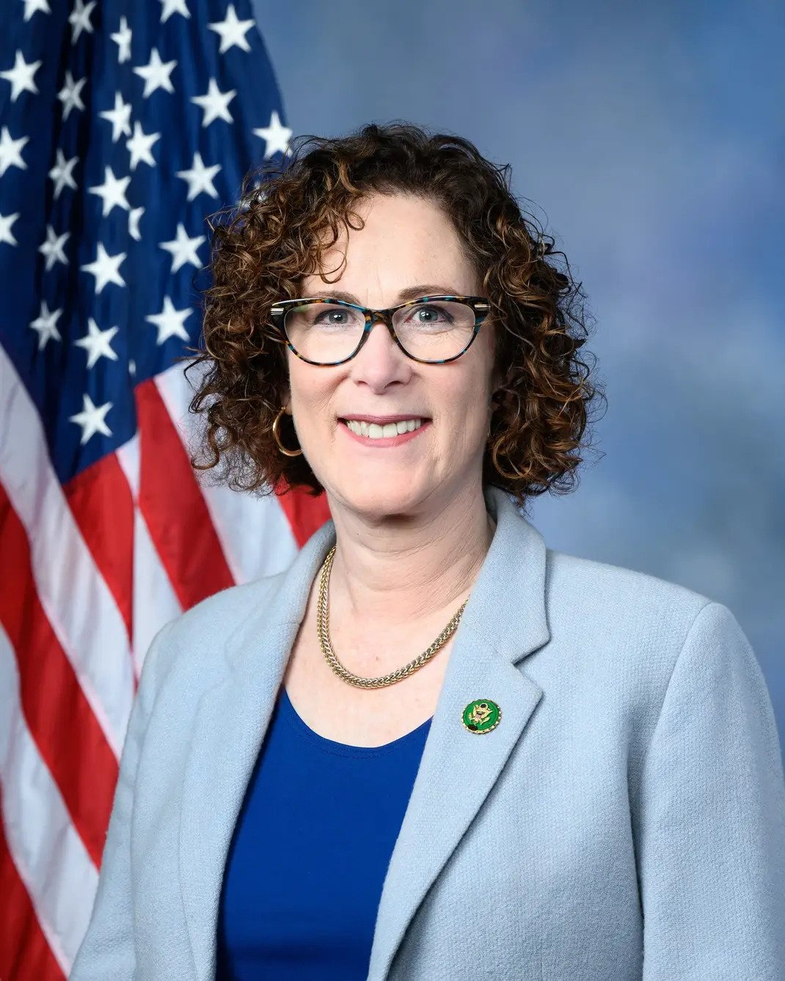
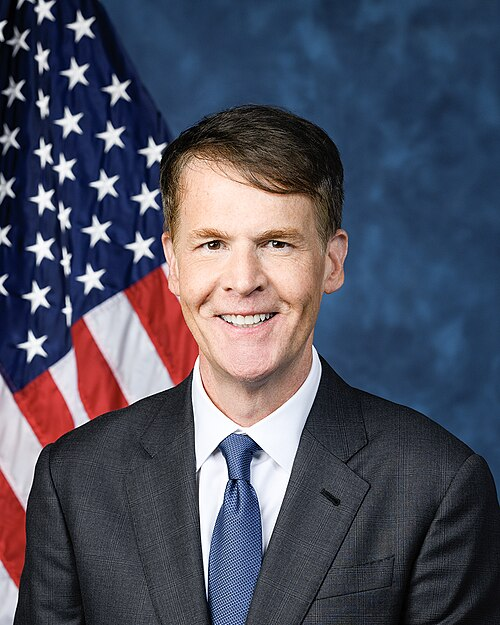
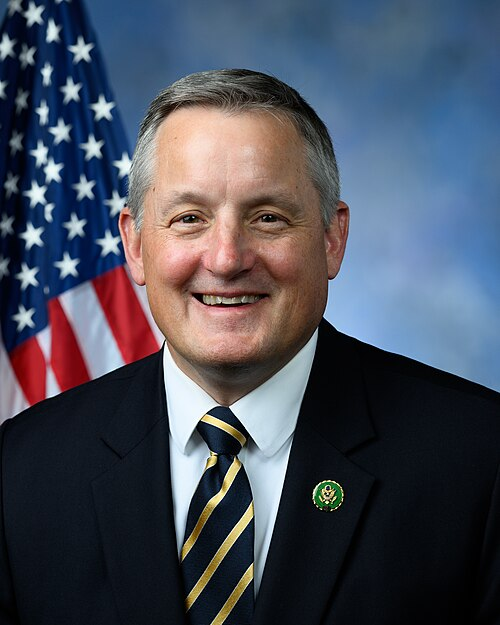
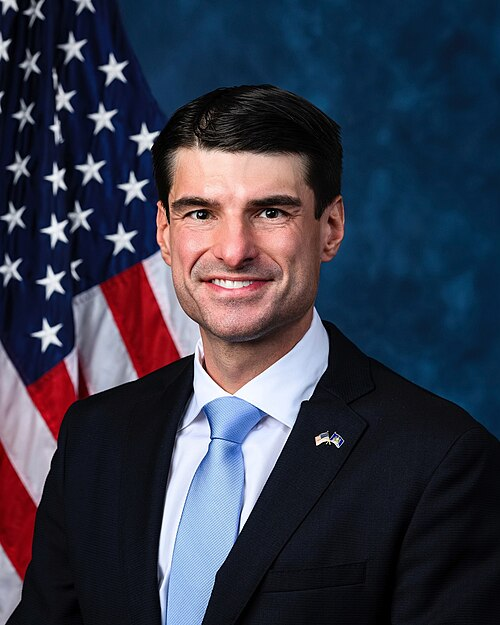
2 bill sponsors
Actions
2 actions
| Date | Action |
|---|---|
| Apr. 22, 2026 | Introduced in House |
| Apr. 22, 2026 | Referred to the House Committee on Science, Space, and Technology. |
Corporate Lobbying
0 companies lobbying
None found.
* Note that there can be significant delays in lobbying disclosures, and our data may be incomplete.