H.R. 10746: Fossil Free Finance Act of 2026
This bill would require large U.S. bank holding companies, generally those with at least $50 billion in consolidated assets, to create and follow plans to cut the greenhouse gas emissions connected to their lending, investing, and other financial services. It would also direct federal regulators to take climate-related emissions into account when overseeing certain large nonbank financial firms and bank holding companies.
What the bill means by financial-sector emissions
The bill defines “financial sector emissions” as the emissions tied to a financial company’s support for other companies or projects. That includes emissions linked to:
- loans and equity investments
- corporate bonds and other securities
- project finance
- securitized products backed by loans or assets
- sovereign, state, and local government debt
- new stock or debt offerings arranged by financial firms
It also defines “fossil fuel financing” and “fossil fuel facilitation” broadly to cover support for companies and projects involved in oil, gas, and coal, including infrastructure such as wells, pipelines, terminals, refineries, and utility-scale generation facilities. The bill also identifies certain goods tied to deforestation as “deforestation risk commodities.”
Required emissions-reduction plans for large bank holding companies
Within 210 days after enactment, and every two years after that, covered bank holding companies would have to submit an emissions-reduction plan to the Federal Reserve Board. If the Board accepts the plan, the company would have to carry it out.
Each plan would have to include:
- a baseline emissions year no later than two years after enactment
- a path to reach zero financial-sector emissions by January 1, 2050
- a target to cut emissions 50% below the baseline by January 1, 2035
- a plan to stop financing new or expanded fossil fuel projects within 60 days of enactment
- an immediate stop to thermal coal financing and facilitation
- a plan to end all fossil fuel financing and facilitation by January 1, 2035
- a plan to eliminate financing and facilitation tied to deforestation-risk commodities
- any additional steps the Federal Reserve Board says are needed to protect financial stability
The bill says these plans could not rely on carbon offsets. It would allow some negative-emissions technologies only if they do not harm low-income, minority, or Indigenous communities.
How regulators would review and enforce the plans
The Federal Reserve Board would have 180 days to accept a submitted plan or reject it and require revisions. The Board could reject a plan if it does not line up with science-based targets and relies on offsets or unproven emissions-reduction technologies.
If a covered bank holding company fails to submit a plan or fails to meet its plan’s requirements, the bill would allow regulators to:
- apply penalties under existing banking law
- require divestiture of assets to bring emissions into compliance
- notify the FDIC
In some cases, the FDIC could terminate deposit insurance for the affected institution or take other corrective action under existing law.
Other regulatory changes
The bill would tell federal regulators to consider whether a nonbank financial company makes a significant contribution to financial-sector emissions when deciding whether it should be supervised more closely as a systemically important firm.
It would also add emissions-reduction planning and “divestiture of financial sector emissions” to the list of standards regulators may use when setting prudential rules for certain large financial firms.
Reporting requirements
The Federal Reserve would have to report to Congress within 180 days on:
- current emissions tied to the U.S. financial system
- trends in emissions reductions
- the commitments large bank holding companies have made
- the level of emissions needed to meet science-based targets
- regulatory gaps and data challenges
- the likely effects on workers and communities
- options for reducing economic disruption during the transition
The bill would require follow-up reports every two years. The Federal Reserve would also have to collect data from bank holding companies to prepare these reports.
Relevant Companies
Publicly traded companies likely to be directly impacted include large U.S. banks and major financial firms that provide lending, underwriting, investment, or other financing services to fossil fuel businesses and projects. Examples include:
- JPM — JPMorgan Chase; could need to reduce financing and facilitation tied to fossil fuel companies and projects if covered by the bill’s requirements.
- BAC — Bank of America; could face similar limits and compliance obligations for energy-related financing.
- C — Citigroup; could be required to change lending, underwriting, and capital-markets activity connected to fossil fuels.
- WFC — Wells Fargo; could have to adjust financing relationships with companies and projects in the oil, gas, and coal sectors.
- MS — Morgan Stanley; could be affected through project finance, underwriting, and investment services.
- GS — Goldman Sachs; could face changes in capital-markets and lending activity involving fossil fuel clients.
- BK — Bank of New York Mellon; could be affected if its activities are covered through financing or facilitation channels.
- STT — State Street; could be affected through investment-related services if its activities are captured by the bill’s definitions.
- BLK — BlackRock; could be indirectly affected through pressure on financing and investment exposure, though the bill’s direct requirements focus more on regulated financial institutions.
- USB — U.S. Bancorp; could be affected if its asset size and activities bring it within the covered bank holding company framework.
This is an AI-generated summary of the bill text. There may be mistakes.
Sponsors
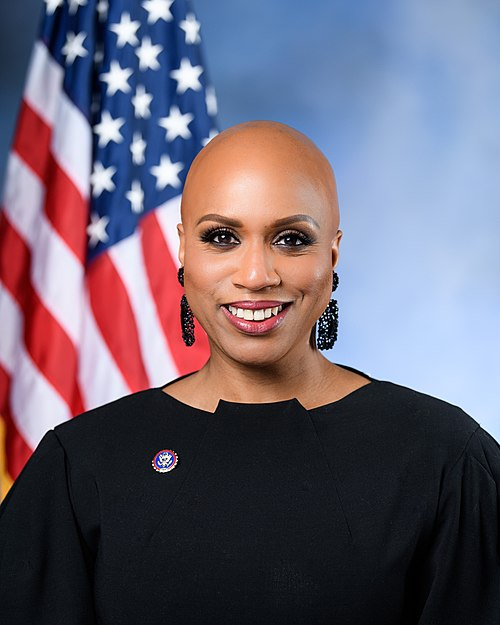
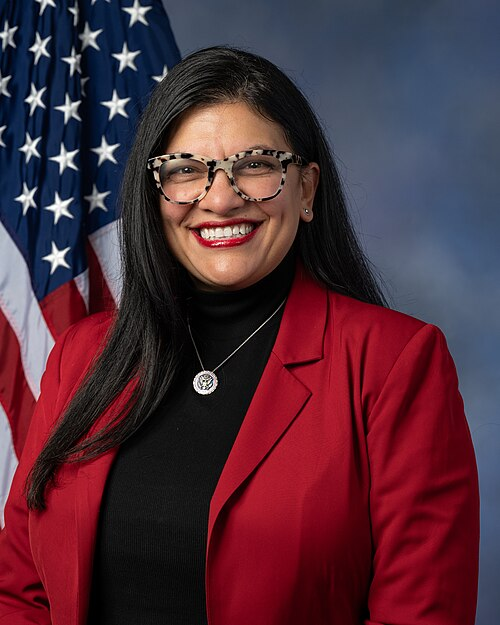
2 bill sponsors
Actions
2 actions
| Date | Action |
|---|---|
| Oct. 05, 2026 | Introduced in House |
| Oct. 05, 2026 | Referred to the House Committee on Financial Services. |
Corporate Lobbying
0 companies lobbying
None found.
* Note that there can be significant delays in lobbying disclosures, and our data may be incomplete.