H.R. 10227: Improving Needed Safeguards for Users of Lifesaving Insulin Now Act of 2026
This bill would change how insulin is covered by many health plans, and it would also create new help for uninsured people who need insulin.
Lower out-of-pocket costs for certain insulin
For plan years starting on or after January 1, 2028, group health plans and health insurance issuers would have to cover certain selected insulin products and:
- not apply a deductible to them;
- not charge more than $35 for a 30-day supply, or 25% of the insulin’s negotiated net price, whichever is lower.
For plan years before 2028, the bill keeps a $35 cap per 30-day supply for these insulin products.
The insulin that must be covered includes at least one product in each dosage form and delivery device for each major type of insulin, such as rapid-acting, short-acting, intermediate-acting, long-acting, and pre-mixed insulin, when those products are available and selected by the plan or insurer.
Limits on plan restrictions
The bill would generally prohibit plans from using prior authorization or similar medical management requirements for the selected insulin products, except when needed for safety, reasonable quantity limits, or as otherwise allowed by the Secretary of Health and Human Services.
It would also make clear that the bill does not require plans to cover insulin bought from out-of-network providers, and it would not force plans to treat non-selected insulin products the same way.
Special rules for Affordable Care Act plans
The bill would amend the Affordable Care Act so that the insulin cost-sharing protections would not count as increasing a plan’s actuarial value. In practical terms, that means the new insulin protections would not by themselves change a plan’s metal-tier classification or related calculations.
It would also require catastrophic ACA plans to cover selected insulin products before an enrollee reaches the annual cost-sharing limit.
Applies to ERISA and tax code rules
The bill makes conforming changes so that these insulin protections would apply under federal rules governing employer health plans and tax-related health coverage provisions as well.
Help for uninsured people who use insulin
The bill would direct the Department of Health and Human Services to award a grant to an eligible organization to create and maintain a resource center for uninsured people seeking affordable insulin. That center would:
- provide fair, impartial information about manufacturer and other assistance programs;
- help uninsured people enroll in those programs;
- maintain a public website listing resources by ZIP code, including federally qualified health centers and retail pharmacies;
- provide insurance enrollment information;
- offer culturally and linguistically appropriate information;
- run a 24/7 hotline with voice and text support staffed by navigators or licensed health professionals; and
- help hospitals share the website and hotline with patients.
The Secretary would have to publicize the resource center, ensure it meets standards, and could switch grants if an organization fails to comply. The bill also bars the resource center from being run by an insulin manufacturer or receiving compensation from insulin manufacturers tied to enrolling people in assistance programs.
The bill authorizes $2 million per year from fiscal years 2027 through 2032 for this resource center.
Studies and reporting
The Comptroller General would have to study uninsured people who use insulin and report to Congress within two years. The study would look at where uninsured insulin users are concentrated, possible reasons they are uninsured, and demographic and income characteristics, if data is available.
The Secretary of Health and Human Services could also collect data on the resource center’s effectiveness and must submit annual public reports to Congress on its activities and on changes in insulin assistance programs.
Expediting biosimilar competition
The bill would create a process for the FDA to speed review of certain biosimilar biological products when there is considered to be inadequate biosimilar competition. A sponsor could request “competitive biosimilar biological product” status, and the Secretary could expedite development and review if fewer than three biosimilars are licensed and at least three years have passed since all relevant exclusivity periods ended.
Relevant Companies
- LLY — Eli Lilly sells insulin products and could be affected by the bill’s limits on consumer cost-sharing, coverage rules, and possible pressure from increased biosimilar competition.
- NVO — Novo Nordisk sells insulin products and could be affected in a similar way by coverage requirements and pricing limits.
- SNY — Sanofi markets insulin products and could be affected by the bill’s insulin coverage rules and any related competition changes.
- PFE — Pfizer has biosimilar-related business interests and could be affected if the faster biosimilar review process changes the competitive landscape for certain biologic drugs.
This is an AI-generated summary of the bill text. There may be mistakes.
Sponsors
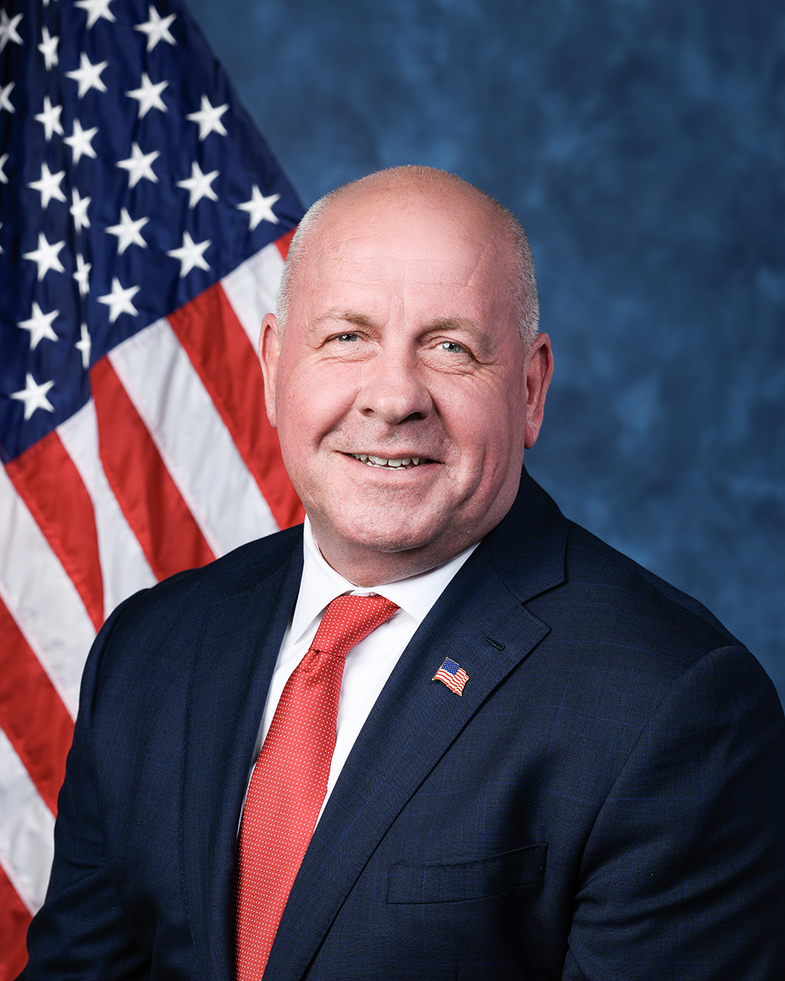
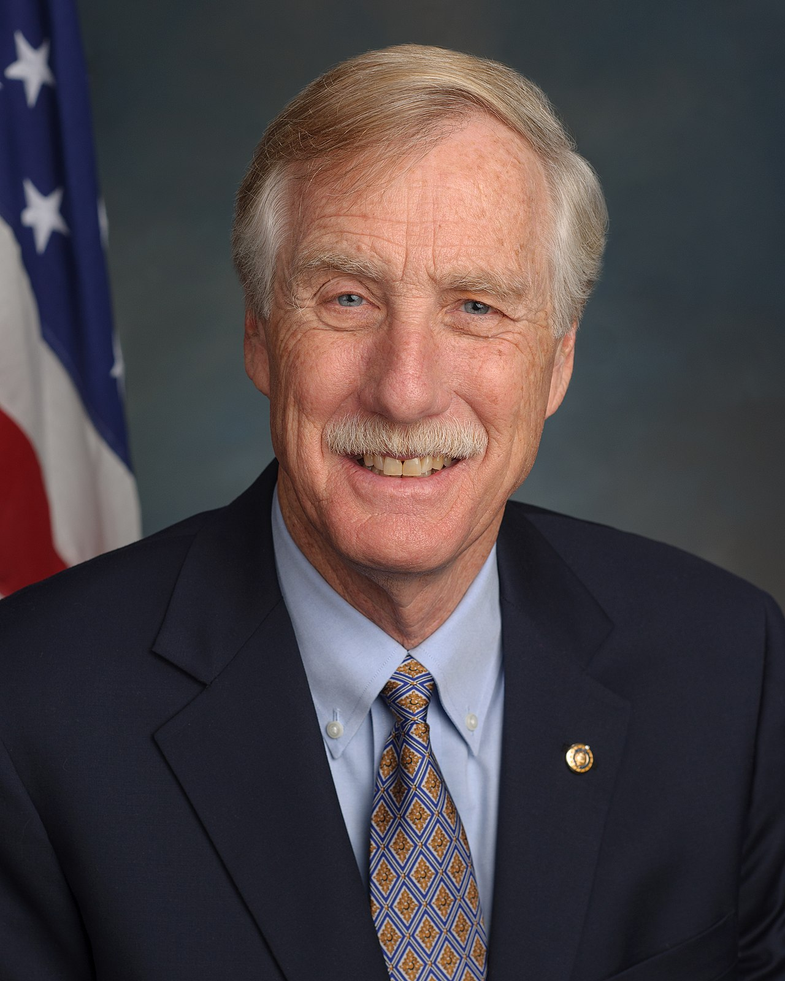
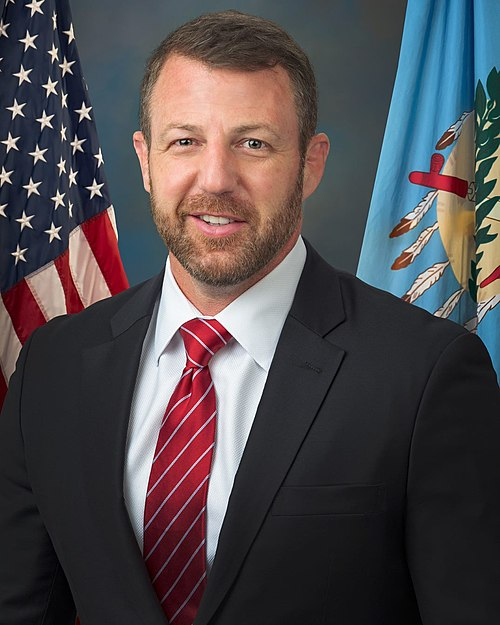
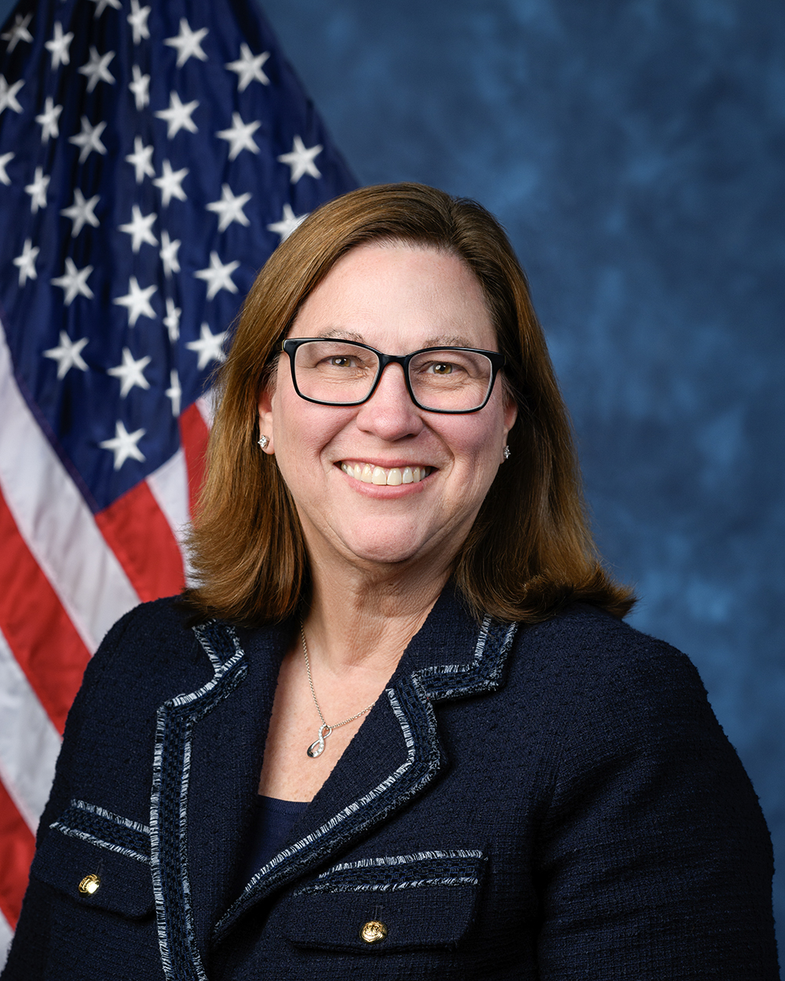
12 bill sponsors
-
TrackDiana DeGette

Sponsor
-
TrackRobert Bresnahan
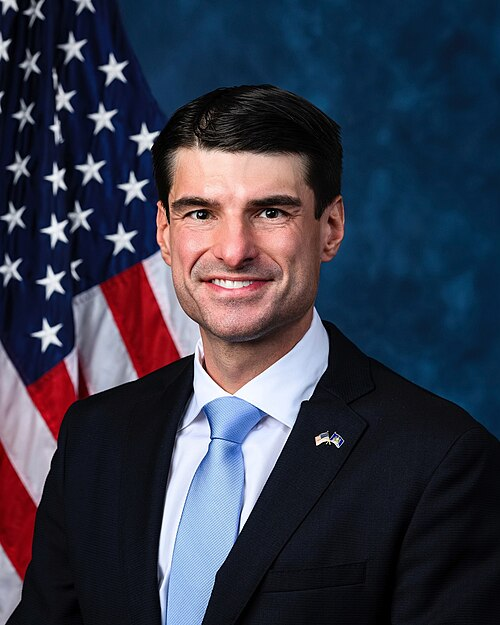
Co-Sponsor
-
TrackNikki Budzinski
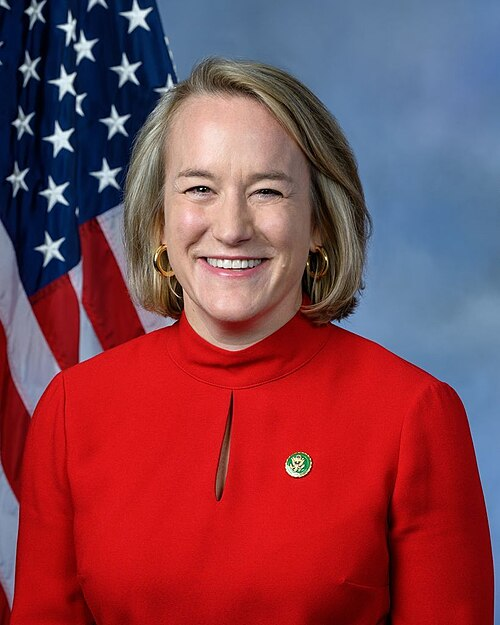
Co-Sponsor
-
TrackJoaquin Castro
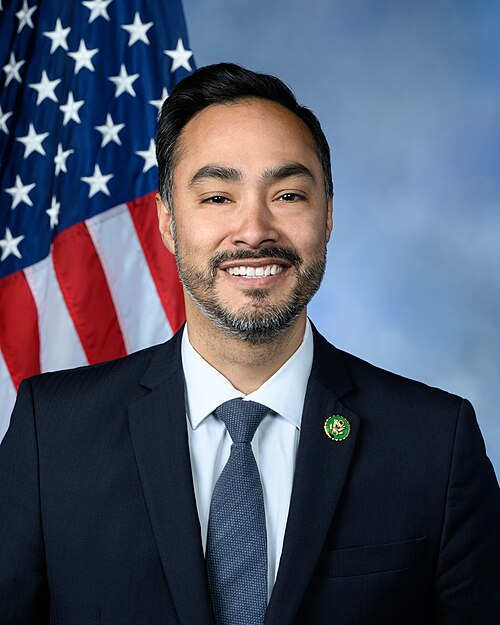
Co-Sponsor
-
TrackEmanuel Cleaver

Co-Sponsor
-
TrackAngie Craig
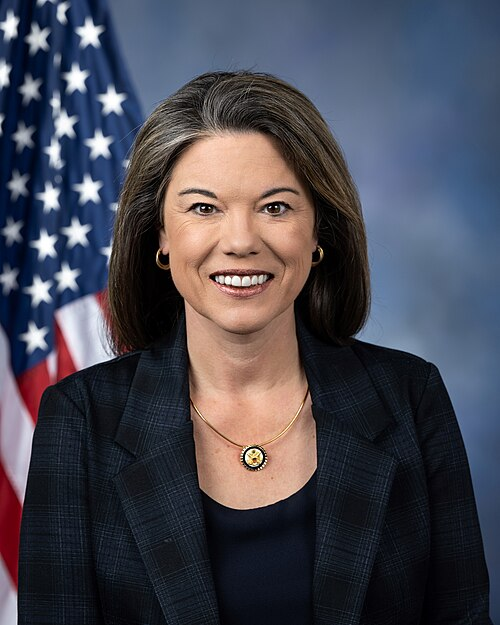
Co-Sponsor
-
TrackSharice Davids
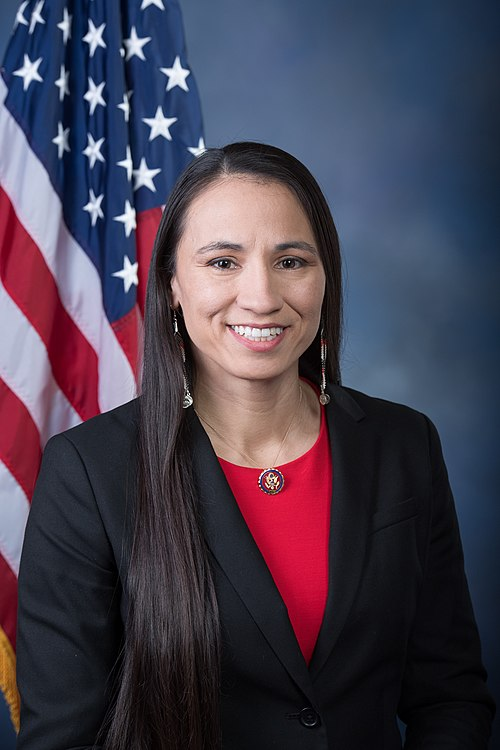
Co-Sponsor
-
TrackRyan Mackenzie
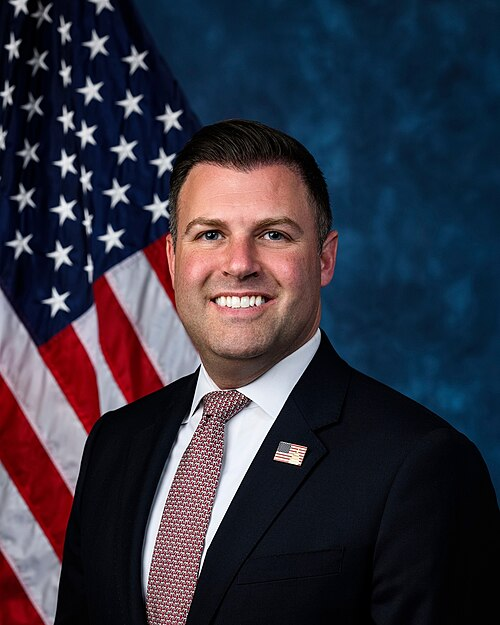
Co-Sponsor
-
TrackJohn Mannion

Co-Sponsor
-
TrackMariannette Miller-Meeks
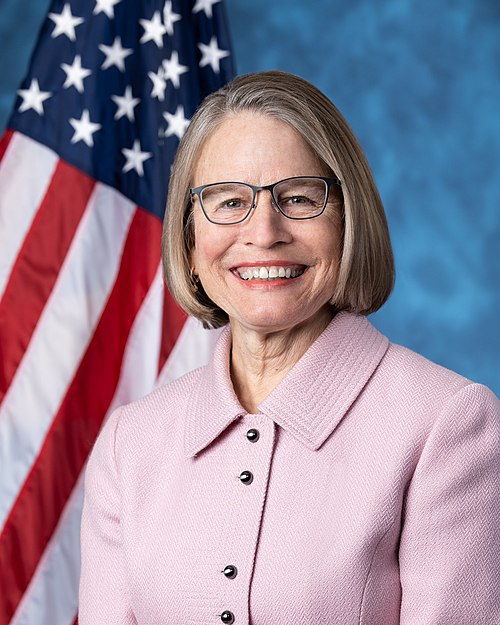
Co-Sponsor
-
TrackJosh Riley
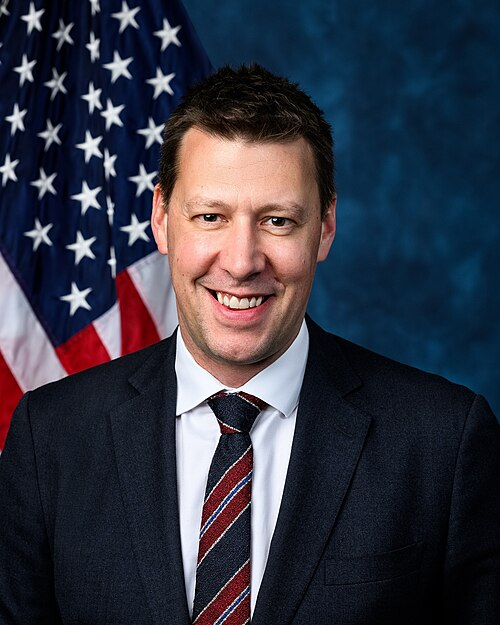
Co-Sponsor
-
TrackKim Schrier
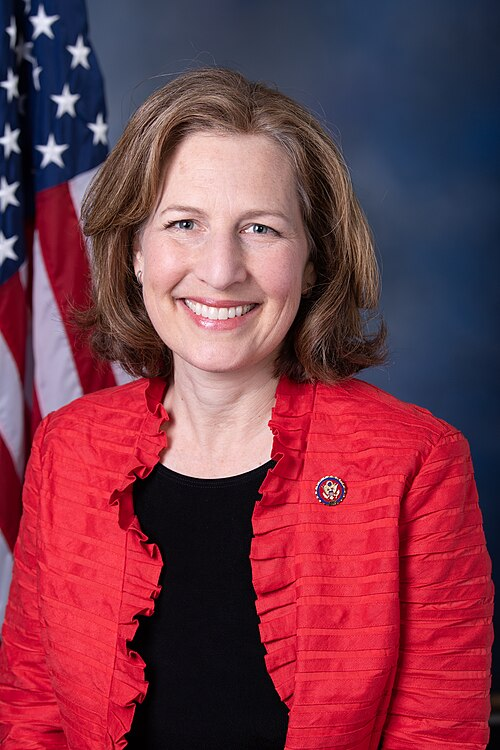
Co-Sponsor
Actions
2 actions
| Date | Action |
|---|---|
| Sep. 02, 2026 | Introduced in House |
| Sep. 02, 2026 | Referred to the Committee on Energy and Commerce, and in addition to the Committees on Ways and Means, and Education and Workforce, for a period to be subsequently determined by the Speaker, in each case for consideration of such provisions as fall within the jurisdiction of the committee concerned. |
Corporate Lobbying
0 companies lobbying
None found.
* Note that there can be significant delays in lobbying disclosures, and our data may be incomplete.